

The $100,000 H-1B fee is struck down. The Indian diaspora isn't celebrating.
On 8 June a federal judge voided Trump's $100,000 H-1B fee as an unlawful tax. But with the government appealing, a wage-tilted lottery already live, and a campus crackdown thinning the pipeline, the visa that carries seven in ten Indian tech workers to America has rarely looked less certain.
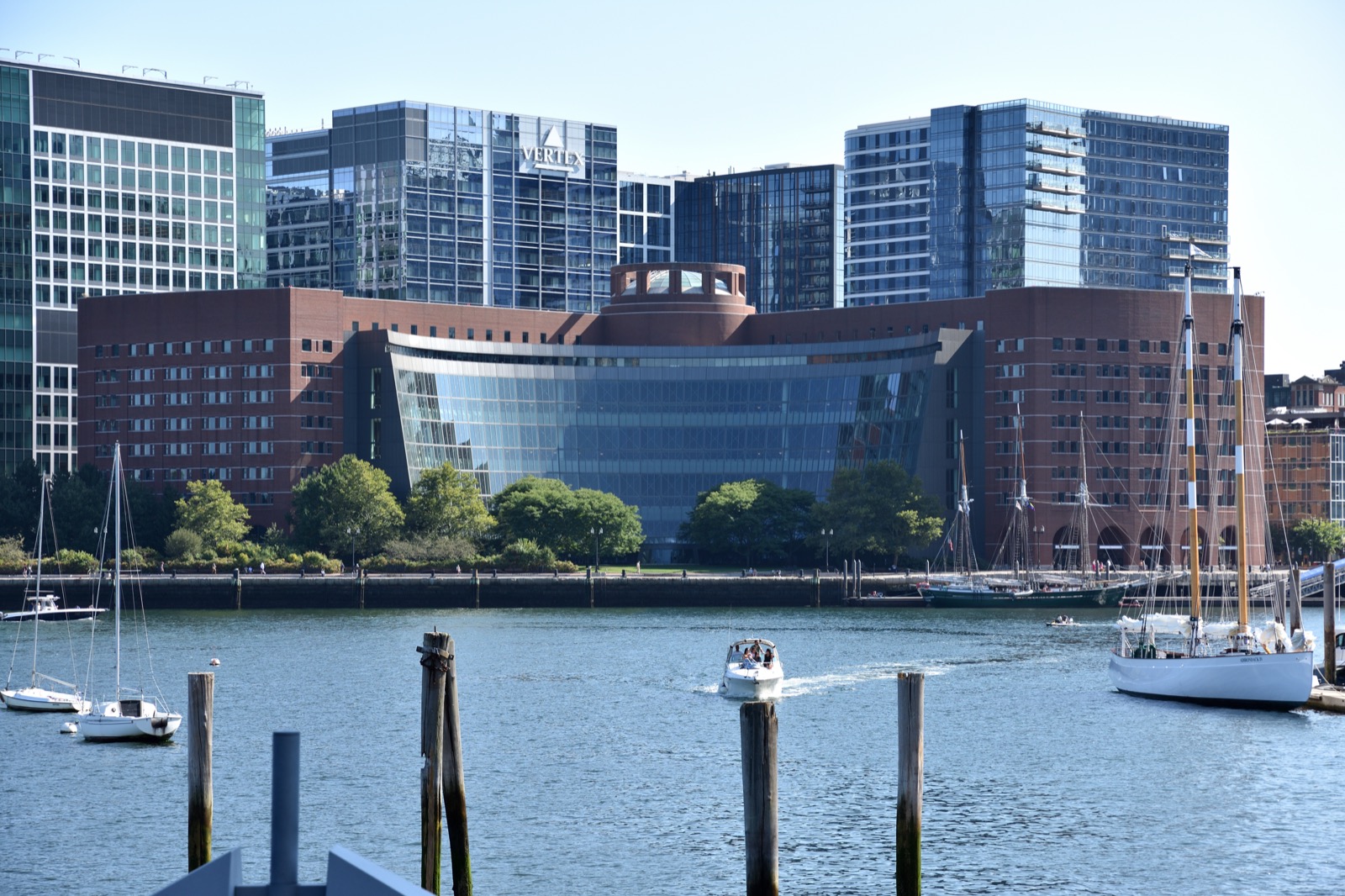
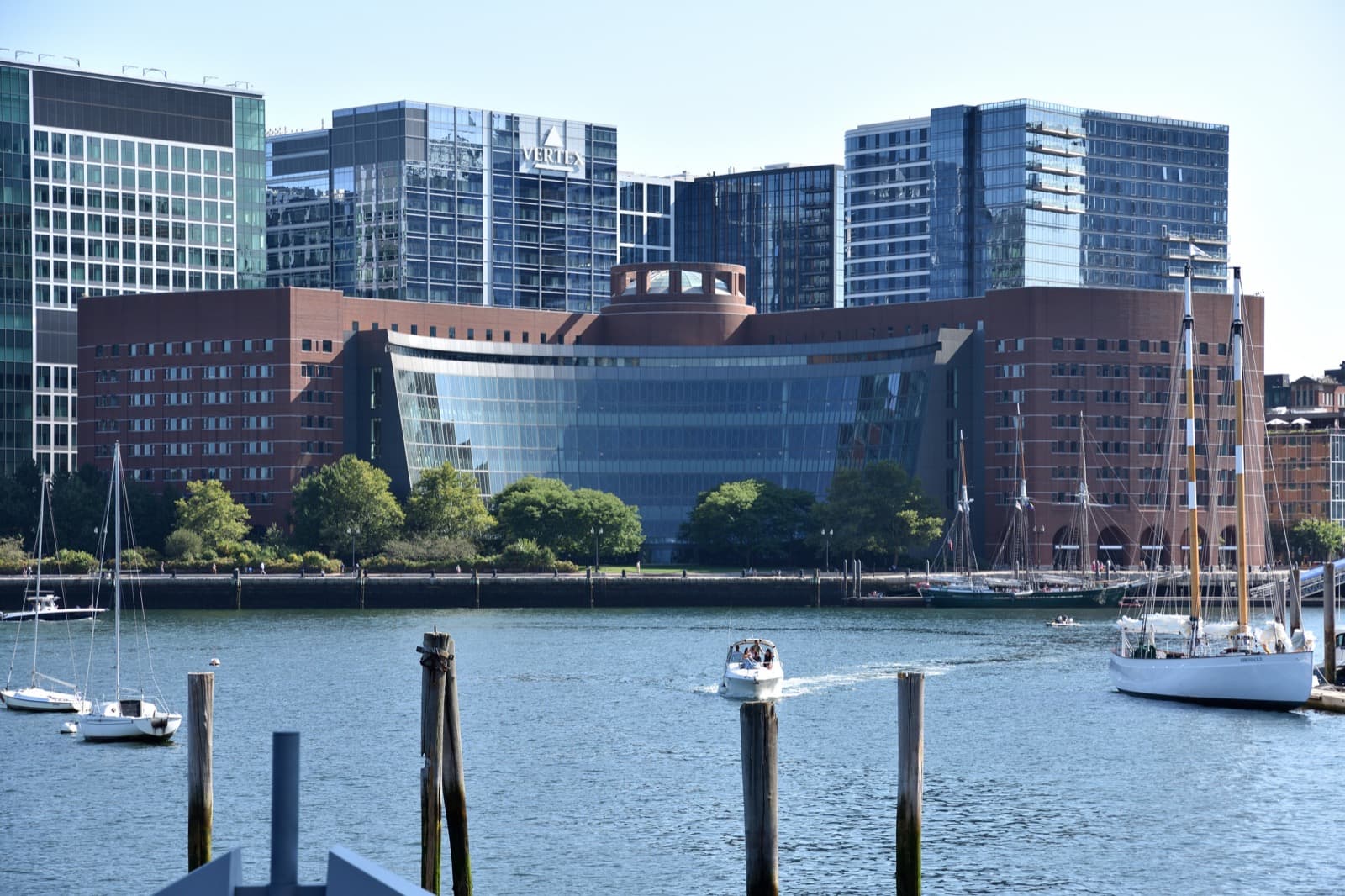
On 8 June, a federal judge in Boston threw out the steepest barrier the United States had ever placed in front of a foreign worker. Judge Leo T. Sorokin ruled that the $100,000 fee the Trump administration had imposed on new H-1B visa petitions was an unlawful tax, and ordered it vacated. For the Indian engineers, coders and consultants who hold more of these visas than every other nationality combined, it should have been a clean win. It wasn't.
Within a day the government said it would appeal. And the fee was only the loudest part of a wider machine that has spent 2026 quietly narrowing the road Indians take into American life — a machine the Boston ruling barely touched.
The fee that priced out a generation
Trump announced the charge by proclamation in September, and the numbers were punishing by design. Where an employer had typically paid $2,000 to $5,000 in government fees to sponsor an H-1B worker, the new levy demanded a hundred thousand dollars per petition. It did what it was built to do. Through mid-February, by the government's own court filings, USCIS had collected just 85 of the $100,000 payments — not a revenue measure so much as a near-total freeze on new sponsorships.
Why it lands on India
No country has more at stake. In fiscal 2024, 283,397 Indian nationals received H-1B visas — about 71% of all approvals, according to USCIS data; the next-largest group, China, took under 12%. The H-1B is not one visa among many for the Indian diaspora. It is the visa — the channel through which Indian IT services, Silicon Valley hiring and the great middle-class migration of the last thirty years have all flowed.
A win that may not hold
The trouble is that the courts do not agree with one another. Sorokin's ruling came in a suit brought by twenty Democratic state attorneys general. But in December, a different federal judge — hearing a challenge from the Association of American Universities and the U.S. Chamber of Commerce — found that Trump had not exceeded his authority. A third case, brought by religious and labour groups, is live in San Francisco. Three lawsuits, potentially three appellate circuits, and the real prospect of split rulings that only the Supreme Court can settle. For an Indian family weighing a job offer in Texas, "a judge struck it down" is not the same as "it's over."
"Why can't an American do the job?"
The fee was always sold as protection for American workers, and vacating it was, in the wire coverage's words, a blow to the administration's drive to restrict immigration and boost demand for US labour. That argument now follows Indian applicants into the visa interview itself: consular officers have begun pressing sponsors on why the role can't be filled by an American — a question that quietly shifts the burden of proof onto the very workers the programme was built to admit. For the Indian IT-services firms and the American tech giants that together file the bulk of H-1B petitions, every answer now carries more risk.
The squeeze the ruling didn't touch
And the fee was never the whole story. On 27 February, a separate Department of Homeland Security rule took effect that may matter more in the long run: it rewired the H-1B lottery to favour higher salaries, tilting the odds toward the senior hire and away from the entry-level graduate. That cuts straight at the classic Indian route — arrive as a student, win a first job at a modest wage, climb. The wage-weighted lottery makes that first rung harder to reach, and no court has vacated it.
There is one genuine relief buried in the rules. The $100,000 fee, USCIS clarified, was never payable when a student already inside the US converts from an F-1 visa to an H-1B; it applied to fresh petitions for workers still abroad. In theory that shields the hundreds of thousands of Indians already studying in America. In practice, it only helps if the student pipeline survives — and that is the next problem.
The pipeline is thinning
It is already shrinking. New international-student enrolment at US universities fell about 17% in the fall 2025 snapshot, and a spring 2026 survey by the education group NAFSA recorded a 20% drop in new arrivals year on year — the first such decline since the pandemic recovery. Behind the numbers is enforcement: the administration revoked more than 1,600 student visas and terminated over 4,700 SEVIS records, many without notice or stated cause, until judges began ordering them reinstated. Indian students, the largest single group on American campuses, took much of the blow.
The ladder, wobbling
Put it together and the picture is not one wall but a ladder being sawn at every rung. The study visa, harder to win and easier to lose. The first job, now rationed by salary. The sponsorship fee that, struck down or not, told a generation exactly how the government feels about the people who pay it. For thirty years the United States has been the most reliable machine in the world for turning an Indian degree into a green card into a life. In 2026 that machine is jammed, and no one — not the workers, not the employers, not the courts — can yet say which way it will turn.
The Boston ruling bought the diaspora time, and perhaps relief. It did not buy certainty. The government's appeal is coming, the wage lottery is already running, and the next H-1B season will open under rules nobody fully trusts. The $100,000 door has been forced back open. Whether it stays that way is, for now, anyone's guess.