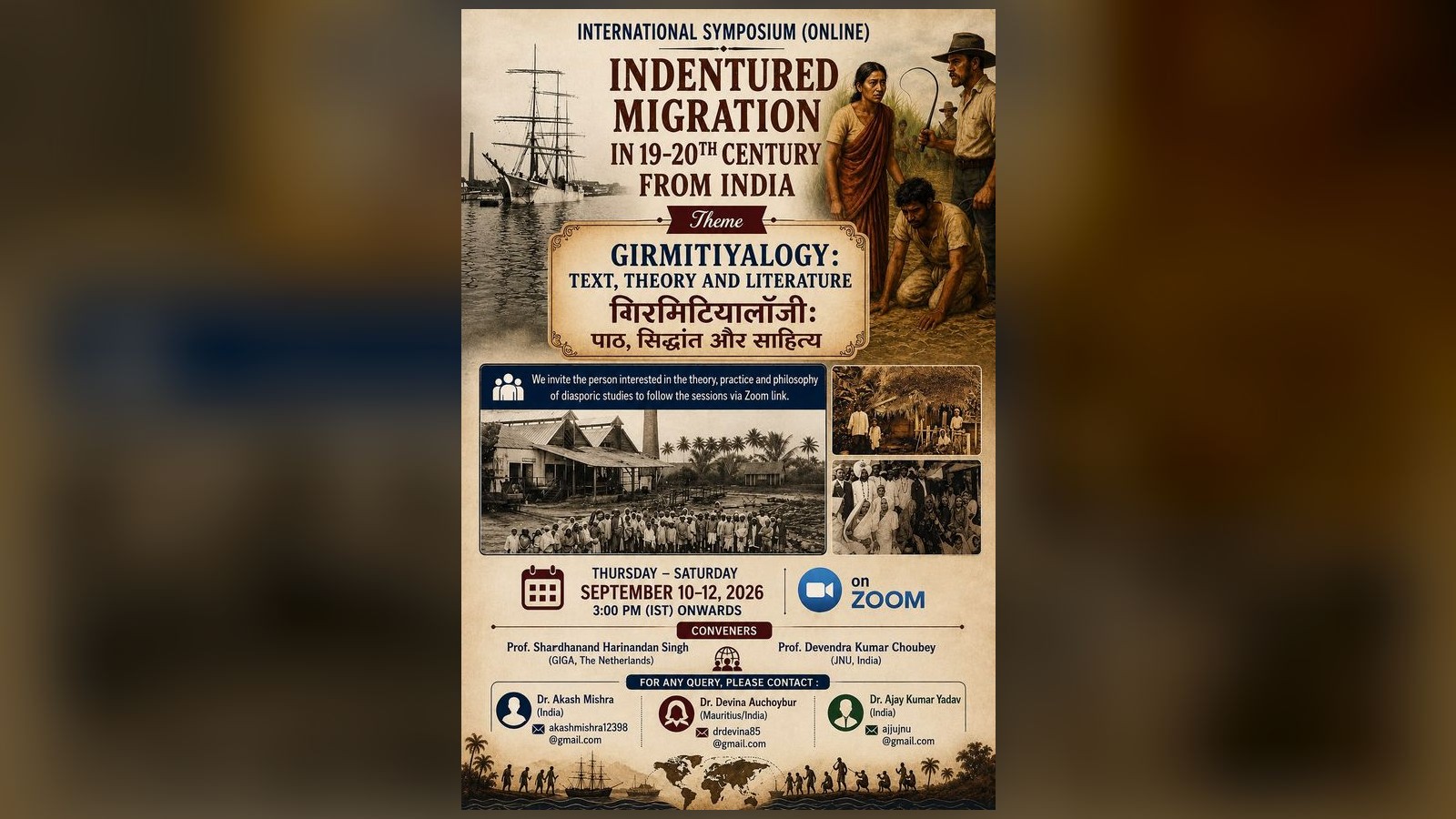
HeritageScholars from India, Mauritius and the Netherlands convene online, 10–12 September 2026, for an international symposium on India's indentured migration — under a banner they call 'Girmitiyalogy: Text, Theory and Literature.' What the field is, and how to attend.
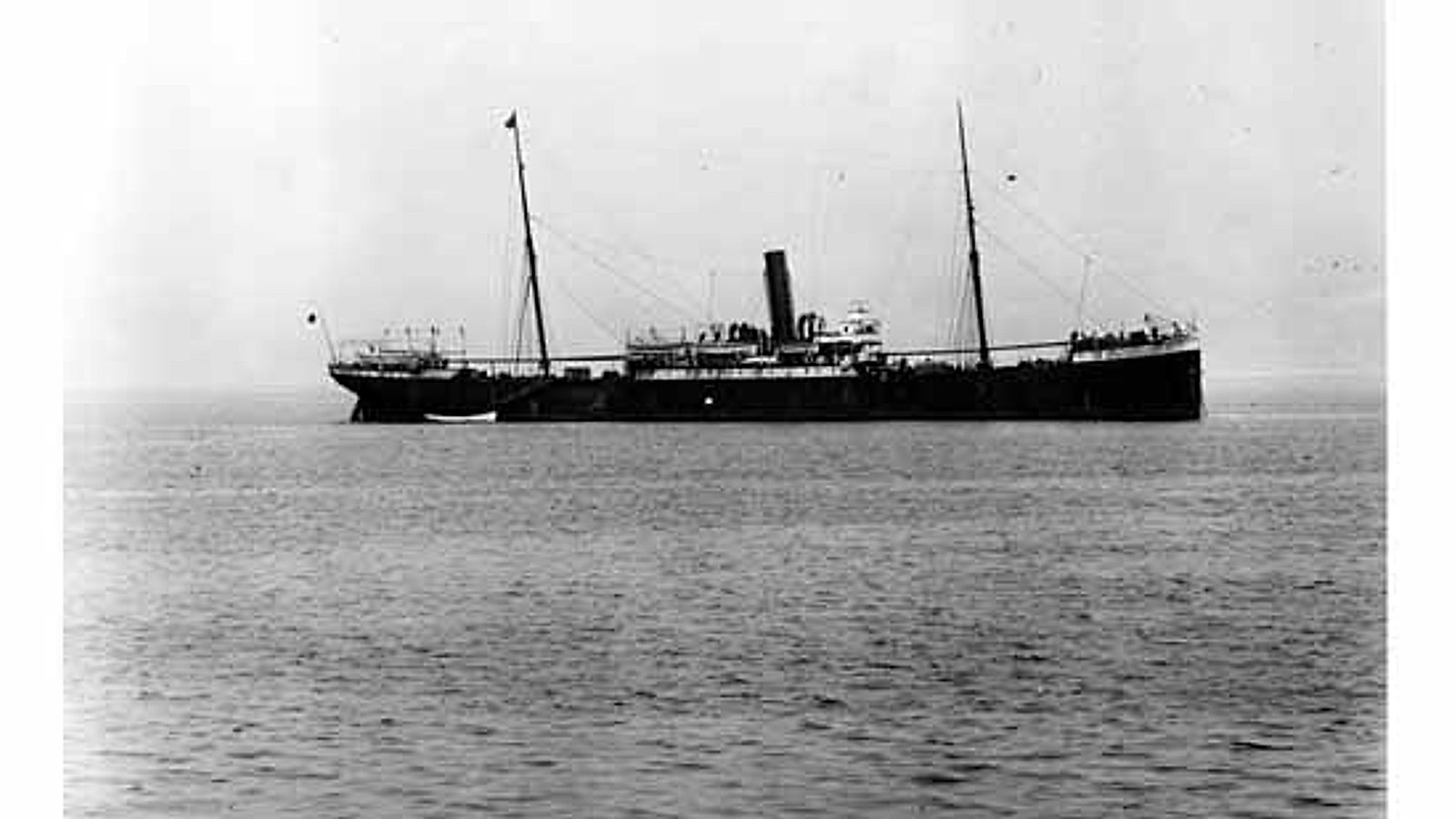
HeritageIn 1914 a shipload of 376 Punjabis sat for two months in Vancouver harbour, close enough to see the city that would not let them land. The Komagata Maru, the law built to keep Indians out, and the long road from the harbour to Canada's cabinet.
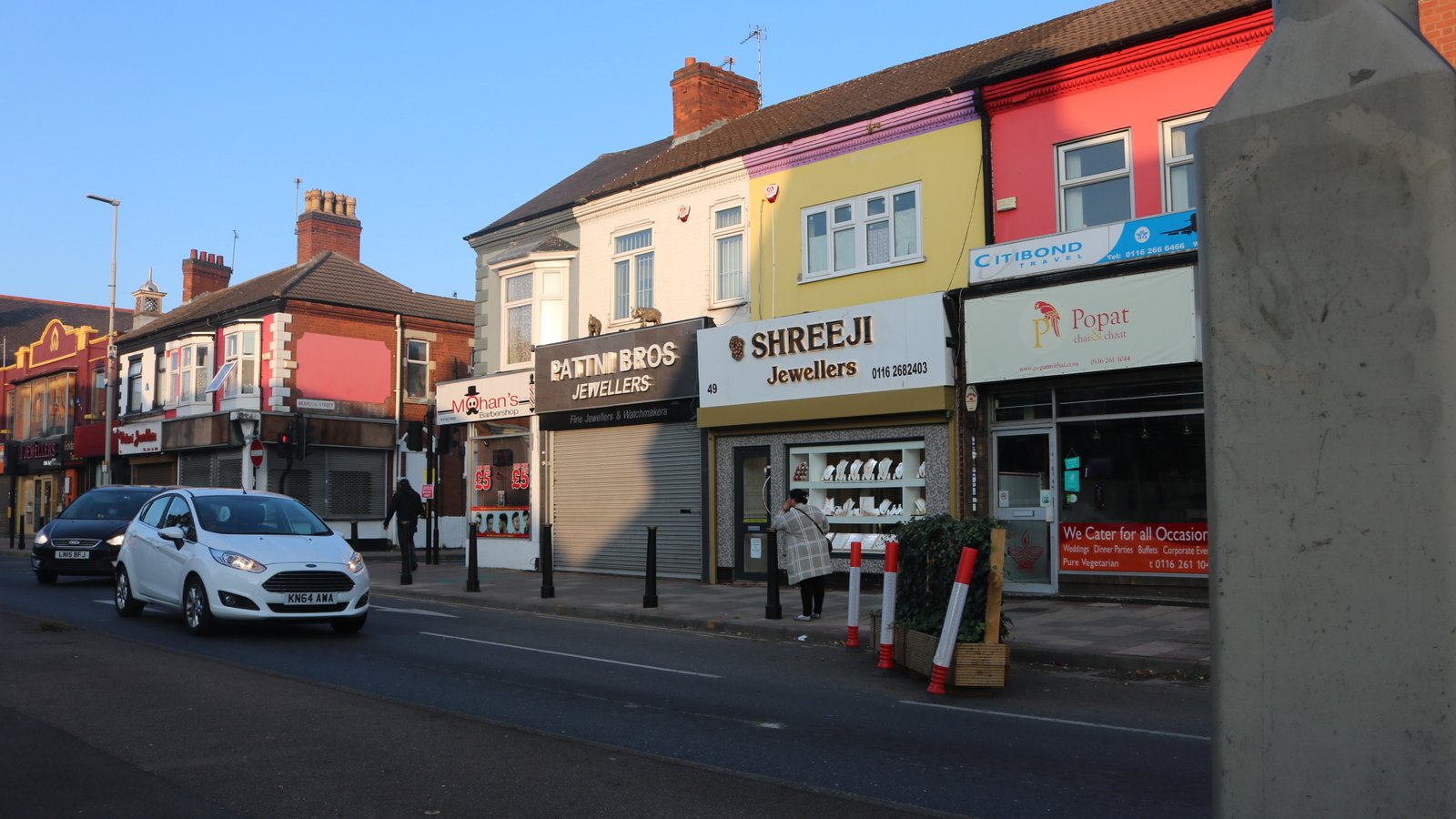
HeritageFrom lascars in the London docks to a British Asian prime minister, in the span of a single lifetime. The 1948 law that opened the door, the mill towns and night shifts, and the ninety days that emptied Uganda's shops into Leicester.
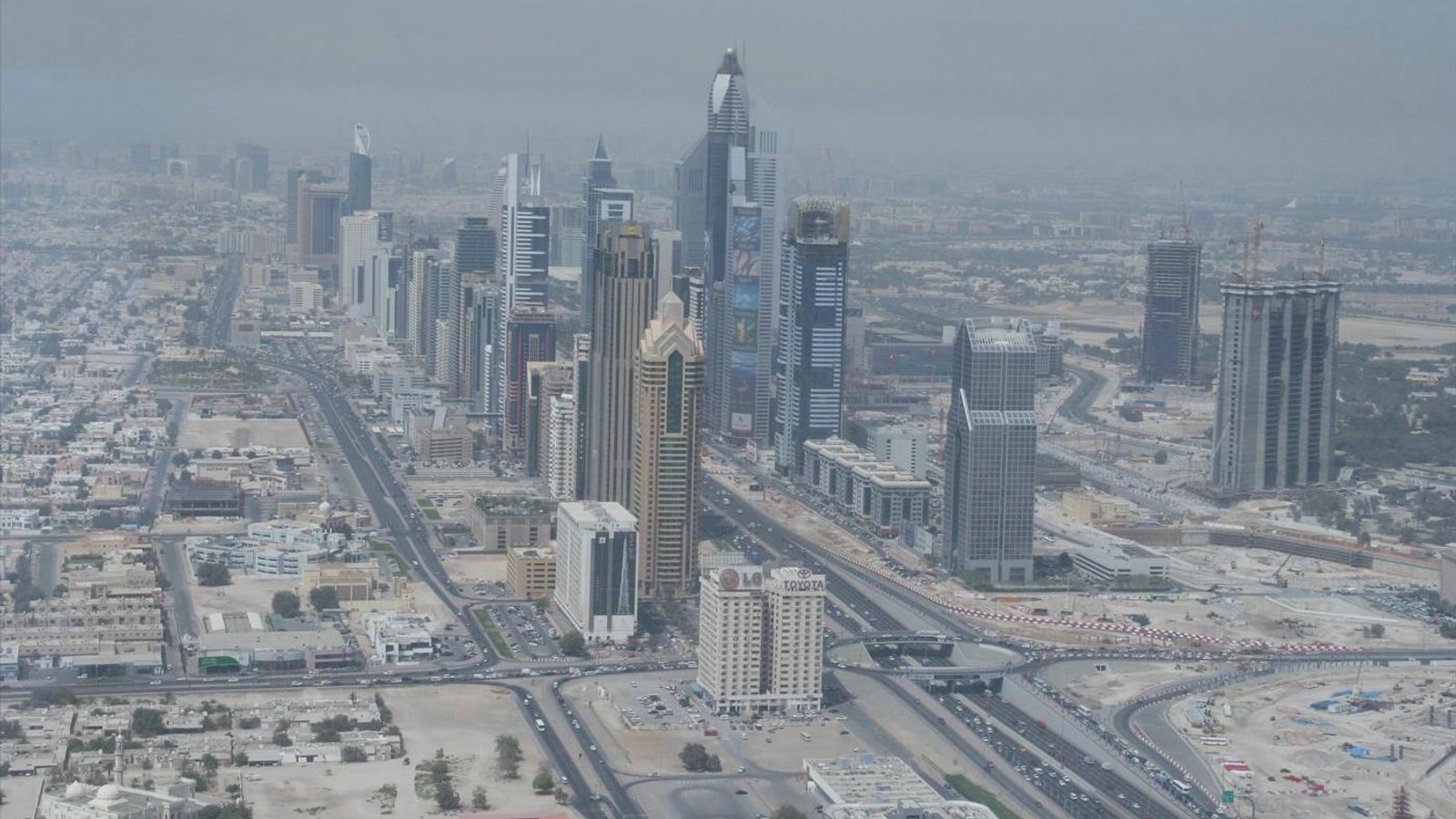
HeritageIt is the newest of India's great migrations and by the numbers the biggest: some nine million Indians in the Gulf. How a change in the price of oil in 1973 rebuilt Kerala, created a remittance economy — and left a harder story in the labour camps.
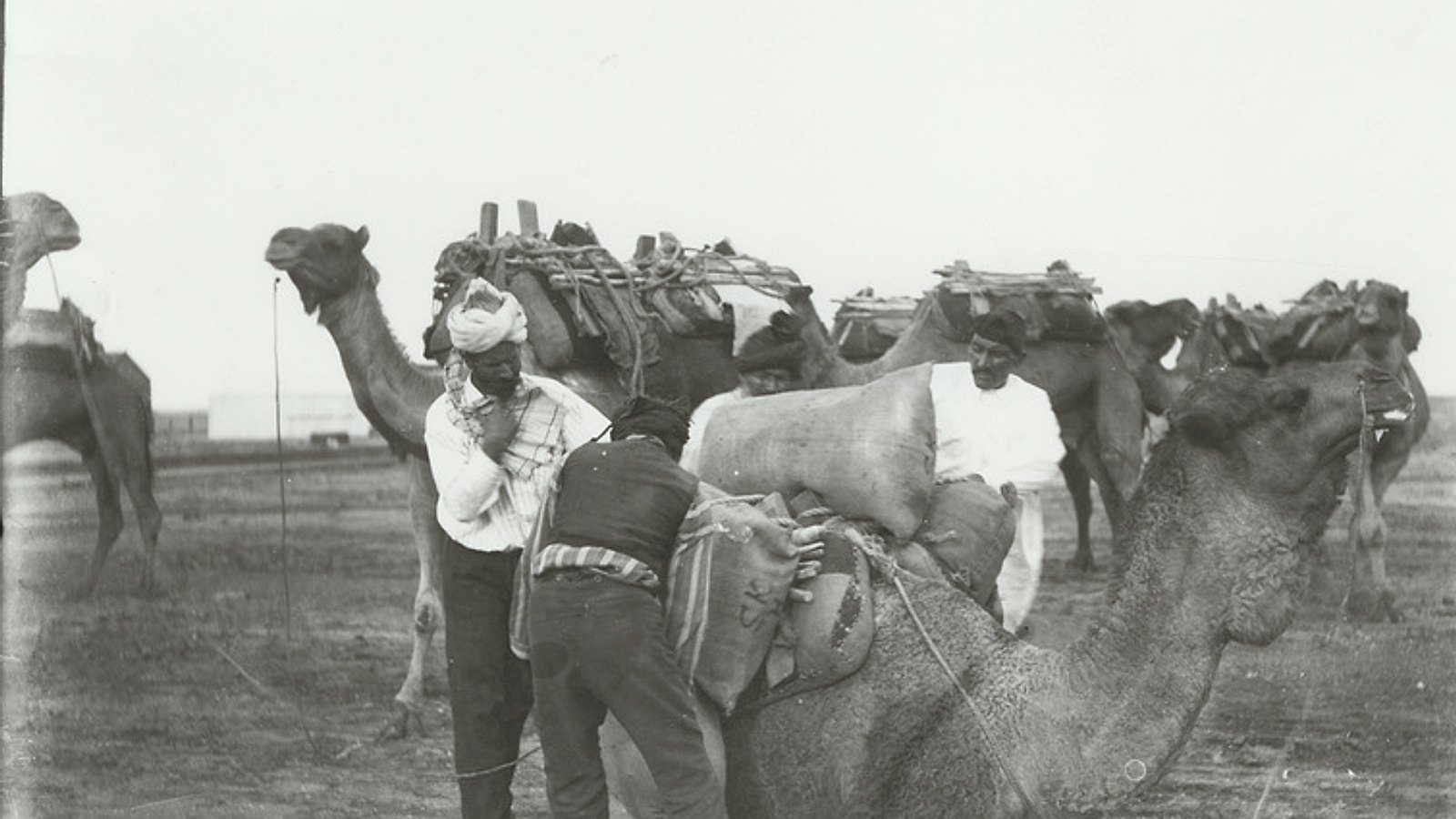
HeritageIndians opened the Australian outback on the backs of camels — and then a nation founded on keeping them out spent seventy years trying to shut the door. From the 'Ghans' and the dictation test to a country where India is now the fastest-growing source of migrants.
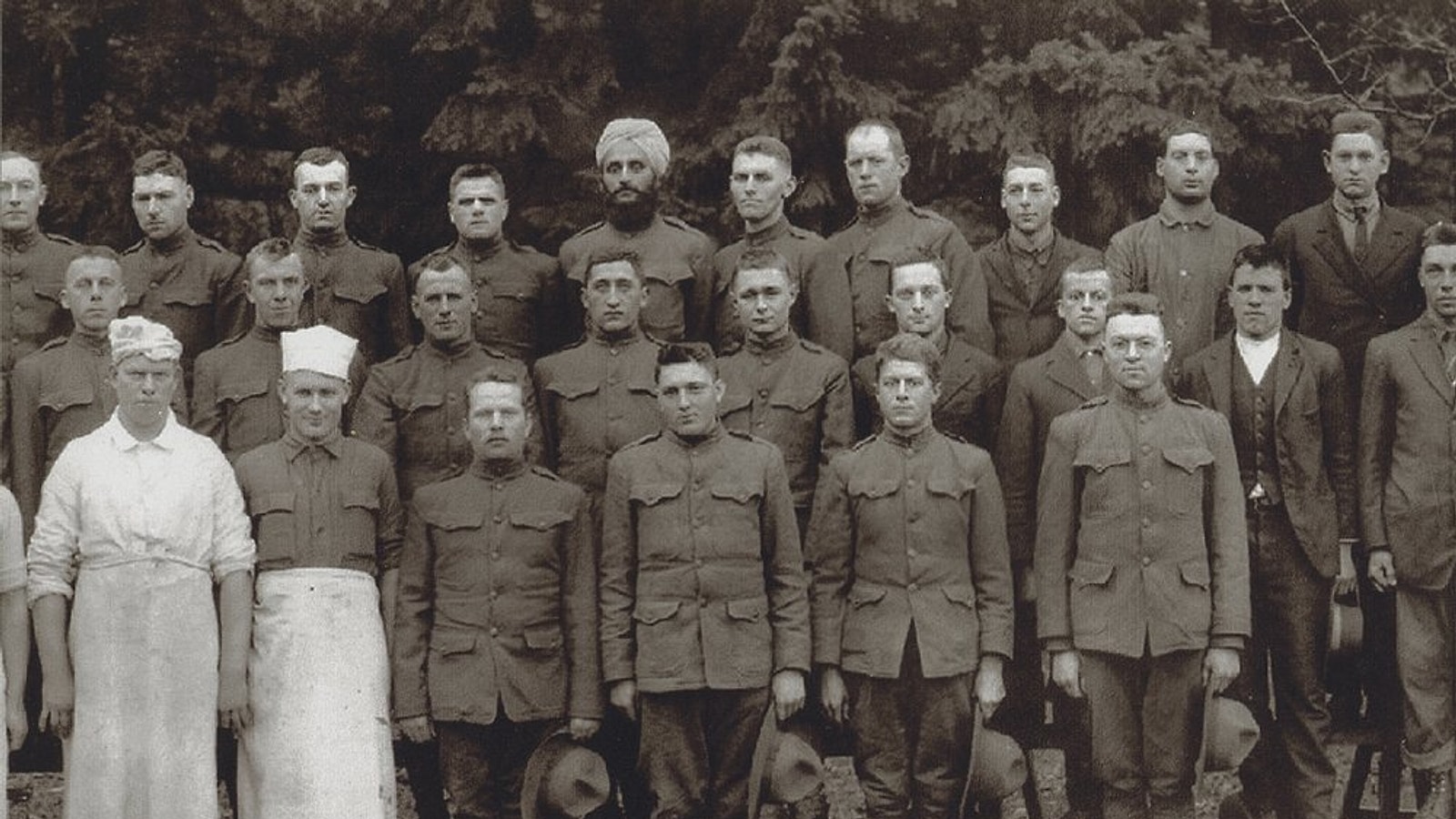
HeritageA century before the H-1B visa and Silicon Valley, the first Indians in America were Punjabi Sikh farmers — met by mob riots, a Supreme Court that ruled them not 'white,' and a door that stayed shut for decades. How the migration began, and how close it came to never happening.
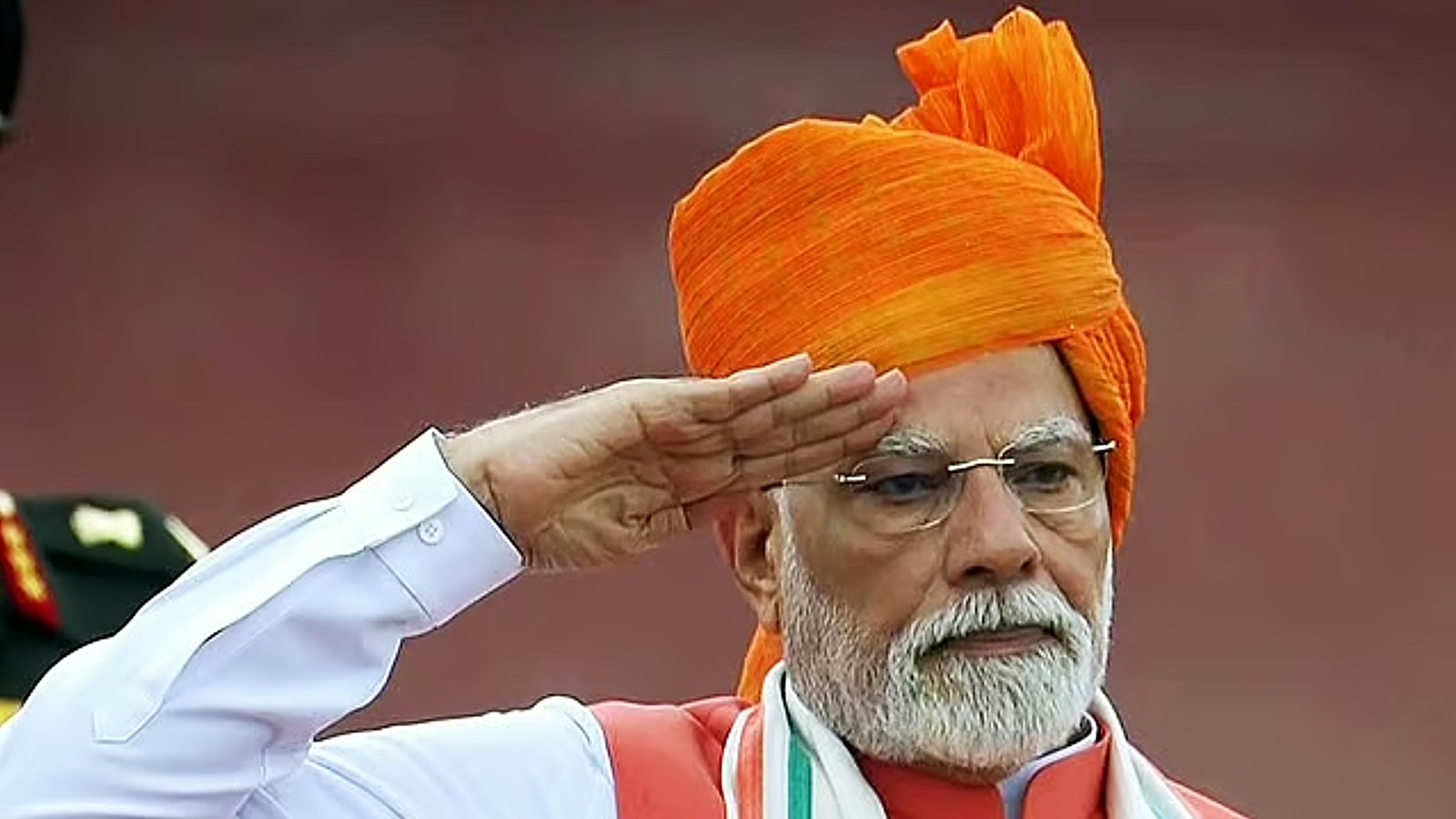
HeritageOn India's 80th Independence Day, the Prime Minister named 'soft power' one of seven pillars of a developed India — the oldest thing about the country's place in the world. For two thousand years China, Japan and the Greeks looked to India as a wellspring of wisdom and wealth; today its 35-million diaspora carries that image out into the world.
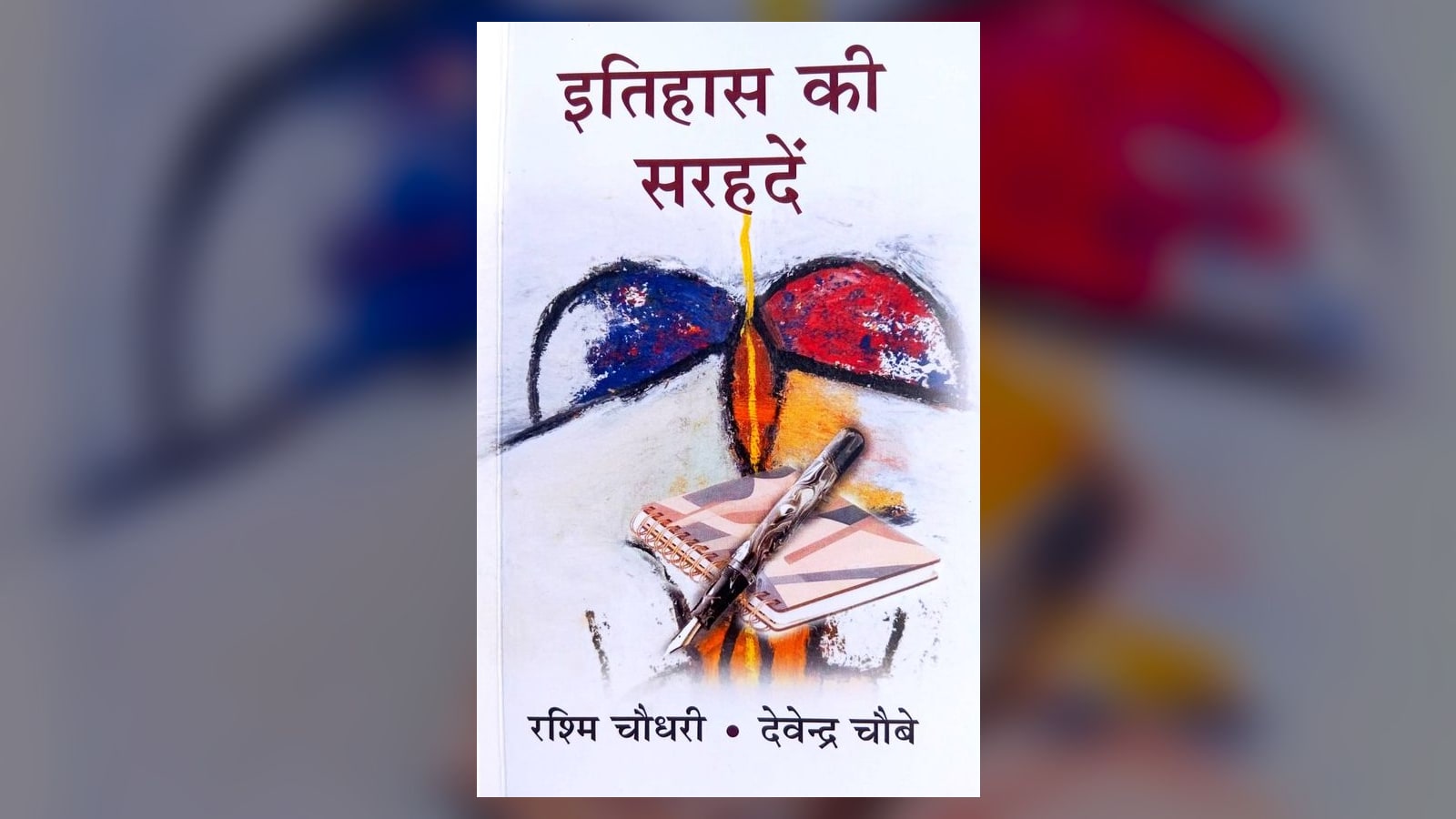
HeritageA new Hindi book by historian Rashmi Chaudhari and JNU's Devendra Choubey — ‘Itihaas ki Sarhadein’ (Prakashan Sansthan, 2026) — argues that history is never bound by borders, and that the rural, pre-1857 past cannot be grasped by conventional historiography alone. A book note, in English and Hindi.
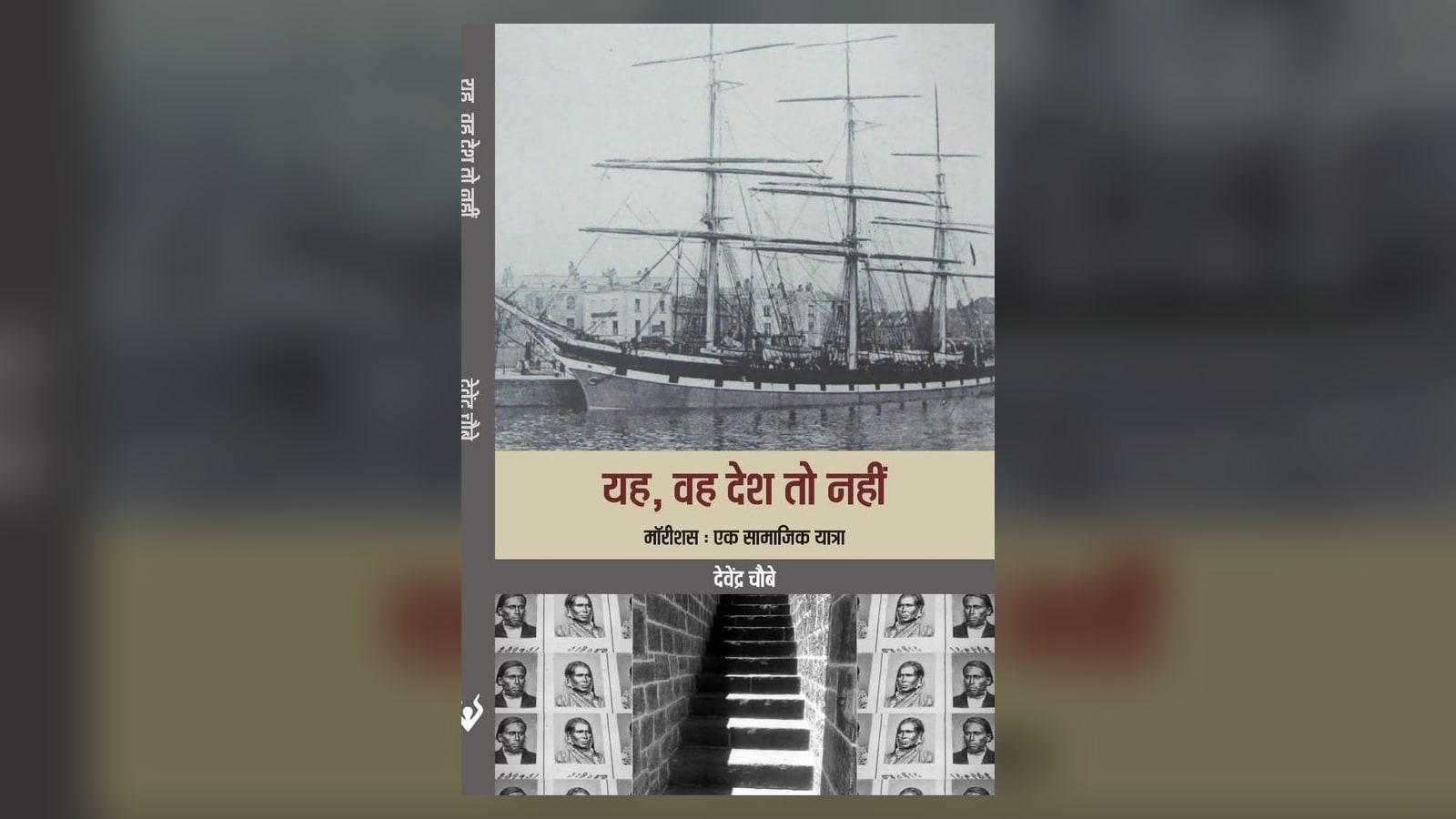
HeritageA new Hindi travelogue by the noted writer Devendra Choubey — ‘Yah, Vah Desh To Nahin: Mauritius, a social journey’ (Aadhar Prakashan, 2026) — reads the island not through its temples and festivals but through the freedom struggle of its African slaves and Indian indentured labourers. A book note, in English and Hindi.
HeritageIn BriefNikesh Arora, Mahzarin Banaji, Sanjiv Chopra and Reshma Kewalramani are among 25 naturalised citizens honoured by the Carnegie Corporation of New York in its 2026 Great Immigrants list, released as the United States marks its 250th year.
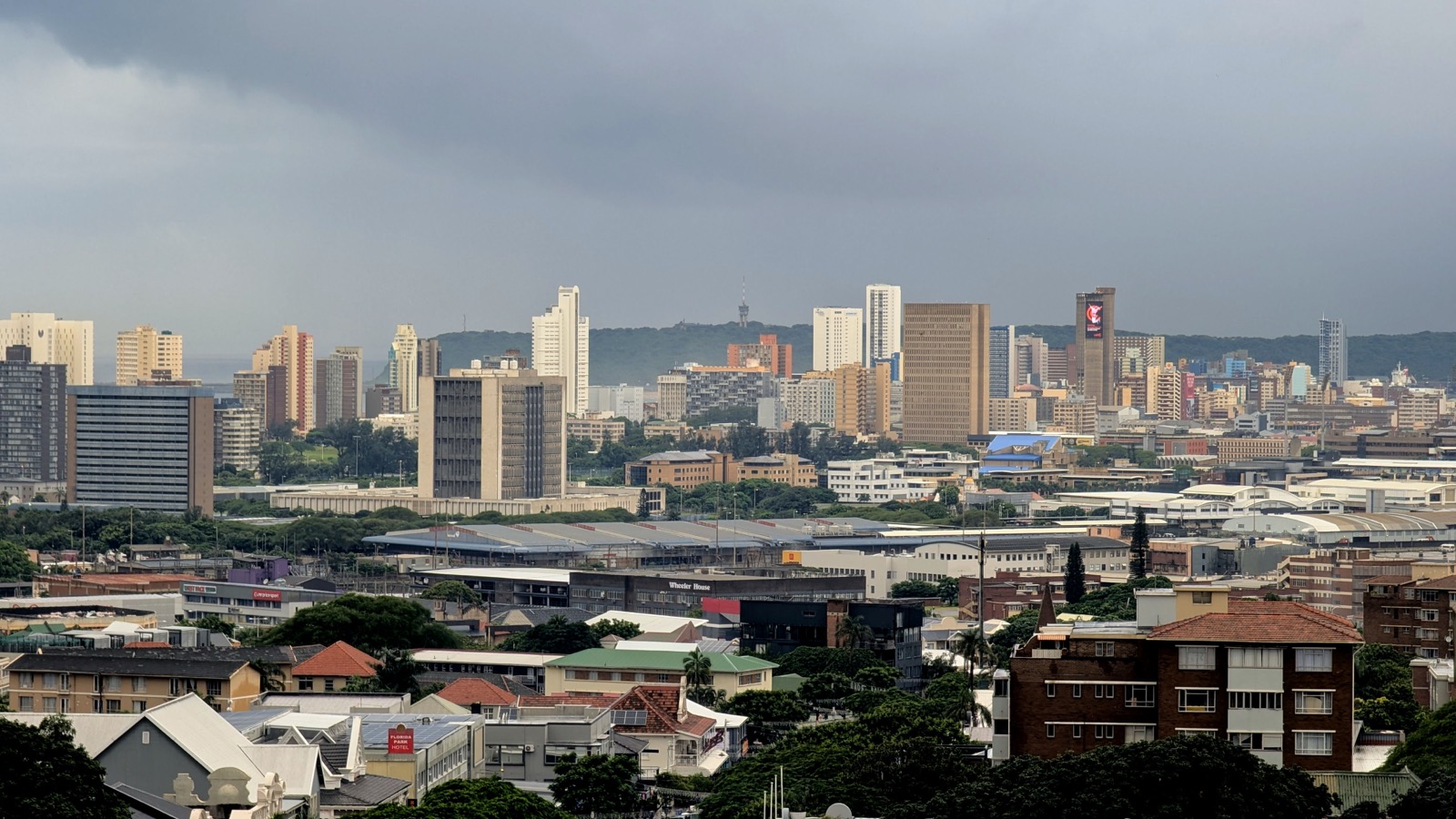
HeritageThey came in 1860 to cut sugar in Natal and stayed to become 1.7 million — the community that shaped Gandhi, filled Durban, and helped bring apartheid down. The 165-year story of South Africa's Indians.
HeritageIn August 1972 Idi Amin gave Uganda's South Asians 90 days to leave. Some 80,000 people, many holding British passports, scattered to Leicester, Toronto and beyond — and rebuilt. The expulsion and its long afterlife.
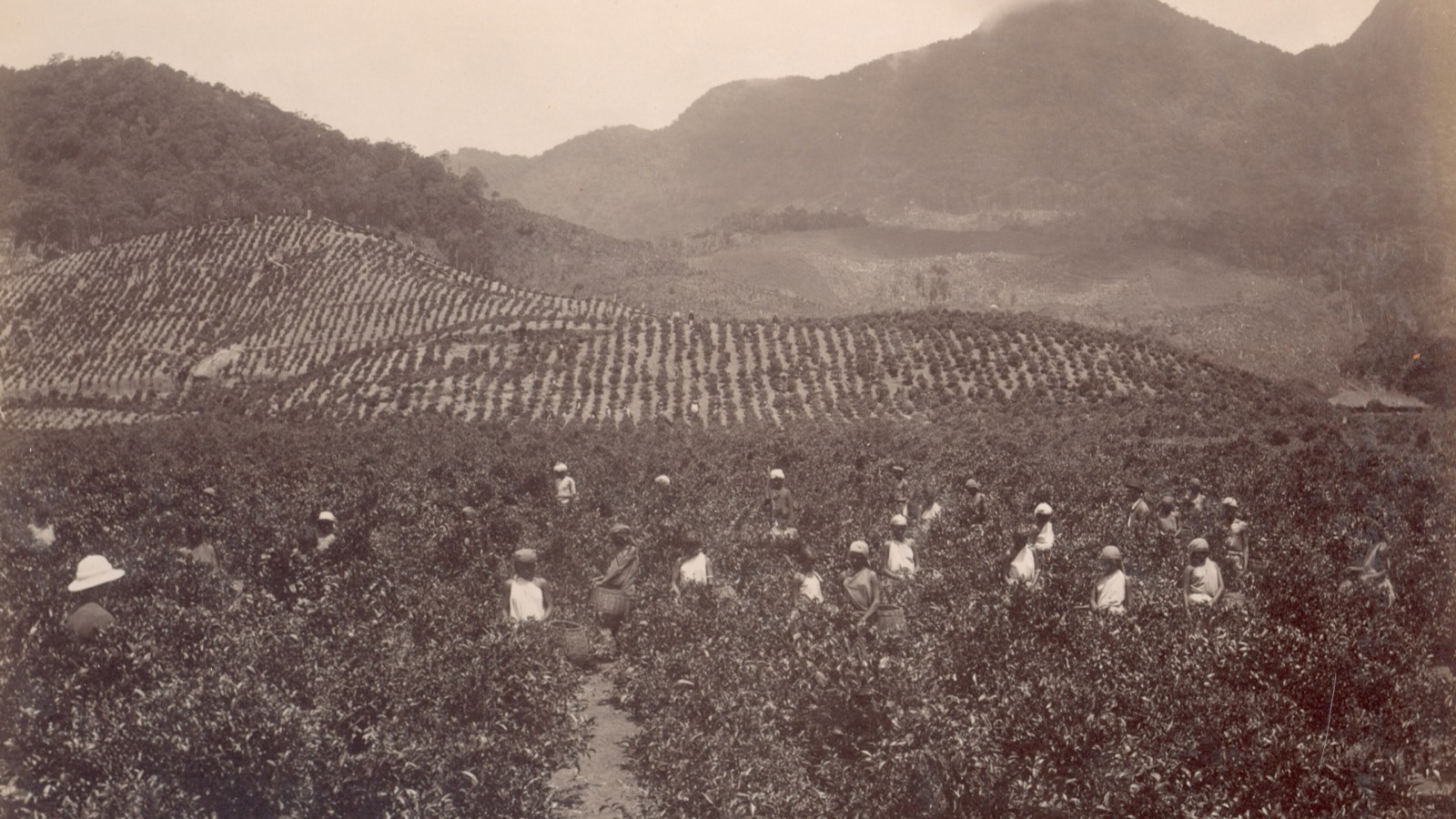
HeritageBrought from Tamil Nadu to pick Ceylon's tea two centuries ago, Sri Lanka's Hill Country Tamils built the island's greatest export — then spent more than fifty years stateless, citizens of no country at all. How one of the diaspora's most wronged communities finally won a home.
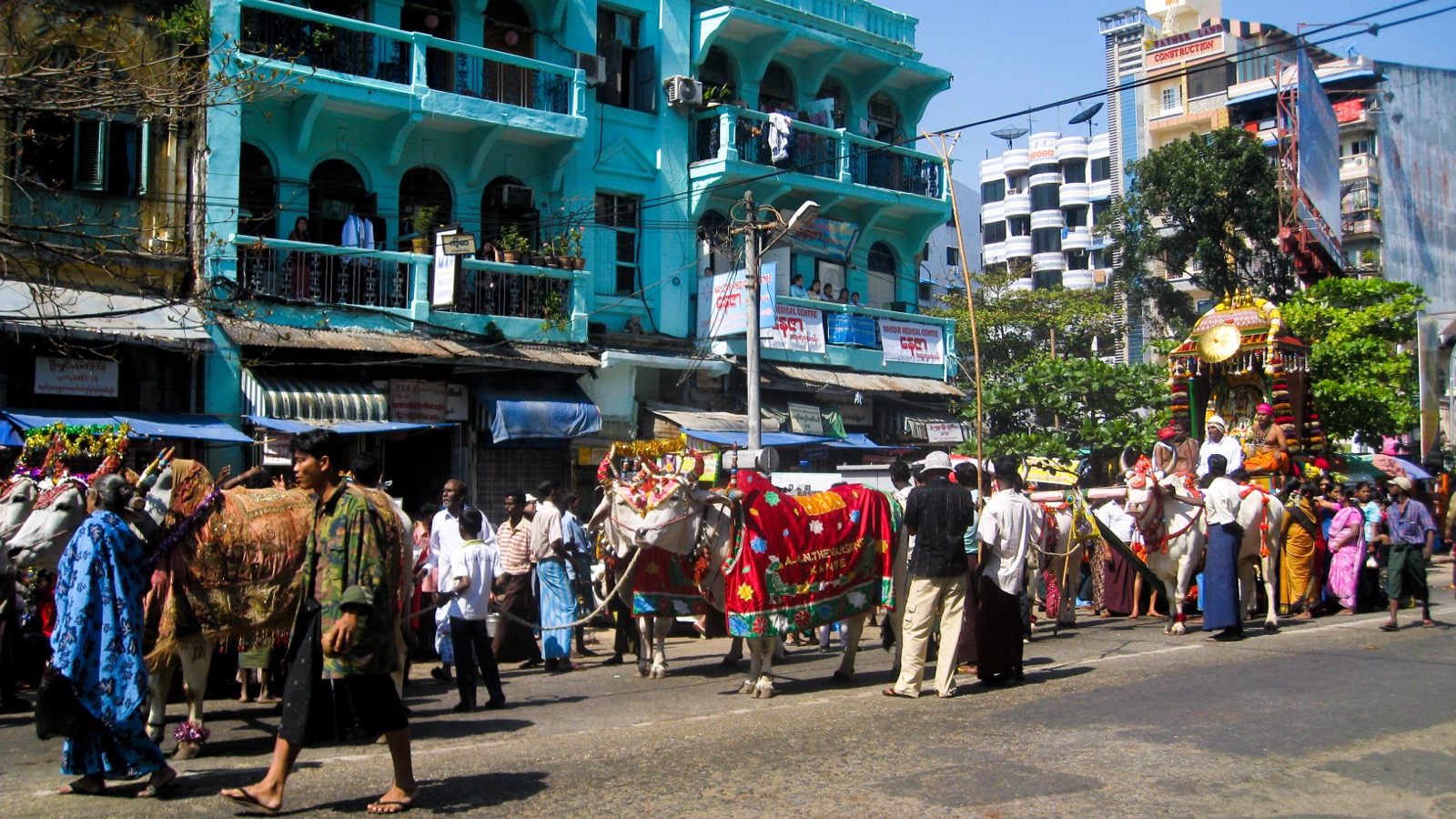
HeritageIn 1931, nearly half of Rangoon was Indian. Then came riots, a wartime death march, and a dictator's expulsions. The story of Burma's Indians — once the diaspora's richest outpost, now among its most forgotten.
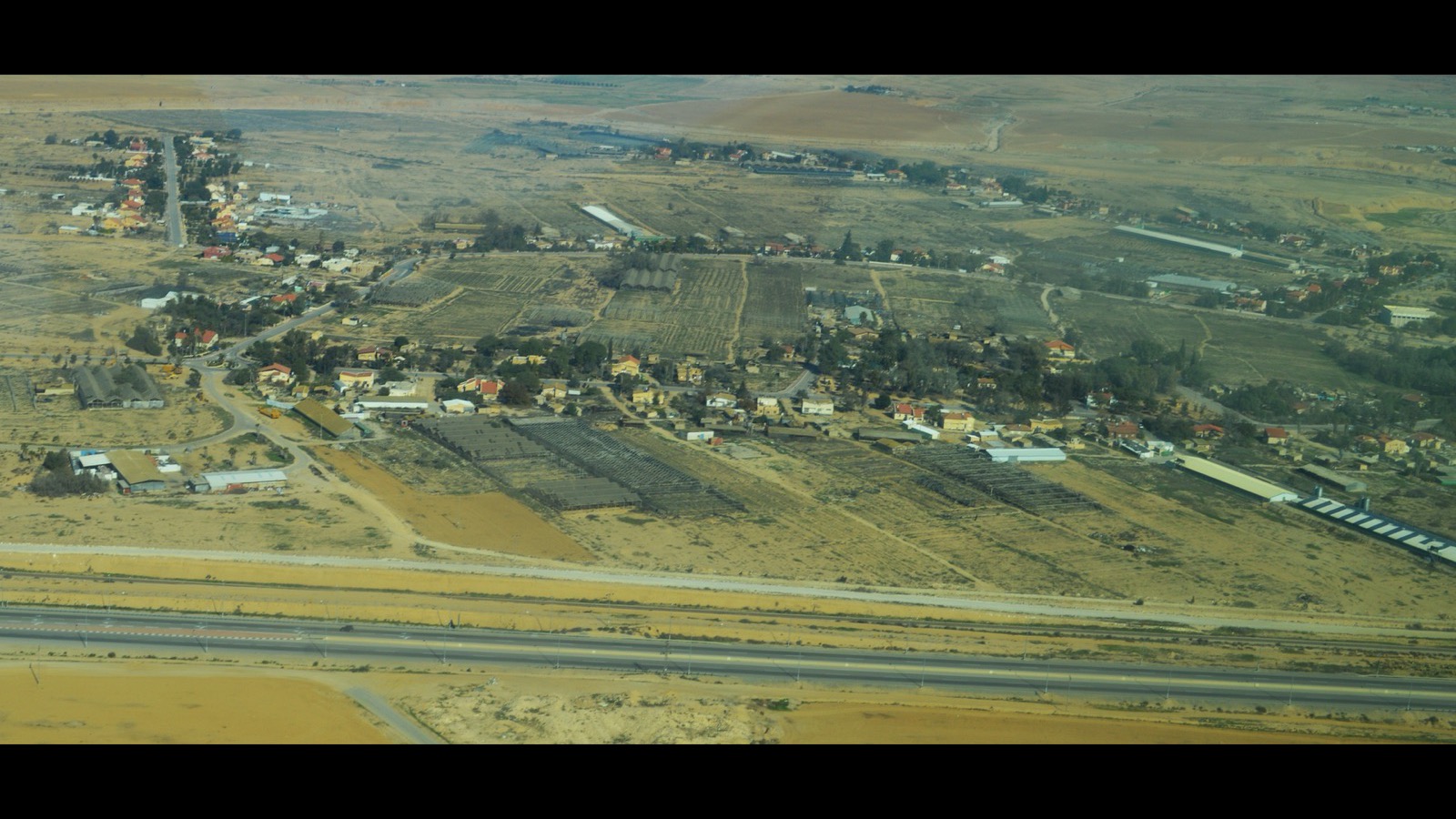
HeritageAround 85,000 Jews of Indian origin live in Israel — the Bene Israel of Maharashtra, the Cochin Jews of Kerala, the Baghdadi Jews of Bombay and Calcutta. This is the story of a diaspora that ran in reverse.
HeritagePart 6 of Mother Tongues. Carried across an ocean by indentured labourers, the Bhojpuri of the Ganges plain became something new in the Dutch colony of Suriname - Sarnami Hindustani, a language of its own, now spoken as much in Rotterdam as in Paramaribo, and quietly fading in both.
HeritageIn 2000 there were fewer than 90,000 Telugu speakers in the United States. By the mid-2020s there were well over a million, and Telugu had become the fastest-growing language in the country — the clearest linguistic fingerprint of the tech-era Indian migration.
HeritagePart 4 of Mother Tongues. Most of Britain's Gujarati speakers did not come from Gujarat. They came from East Africa, expelled or pushed out a generation after their grandparents first left India — and the language they carried has been holding on in Leicester and north-west London ever since.
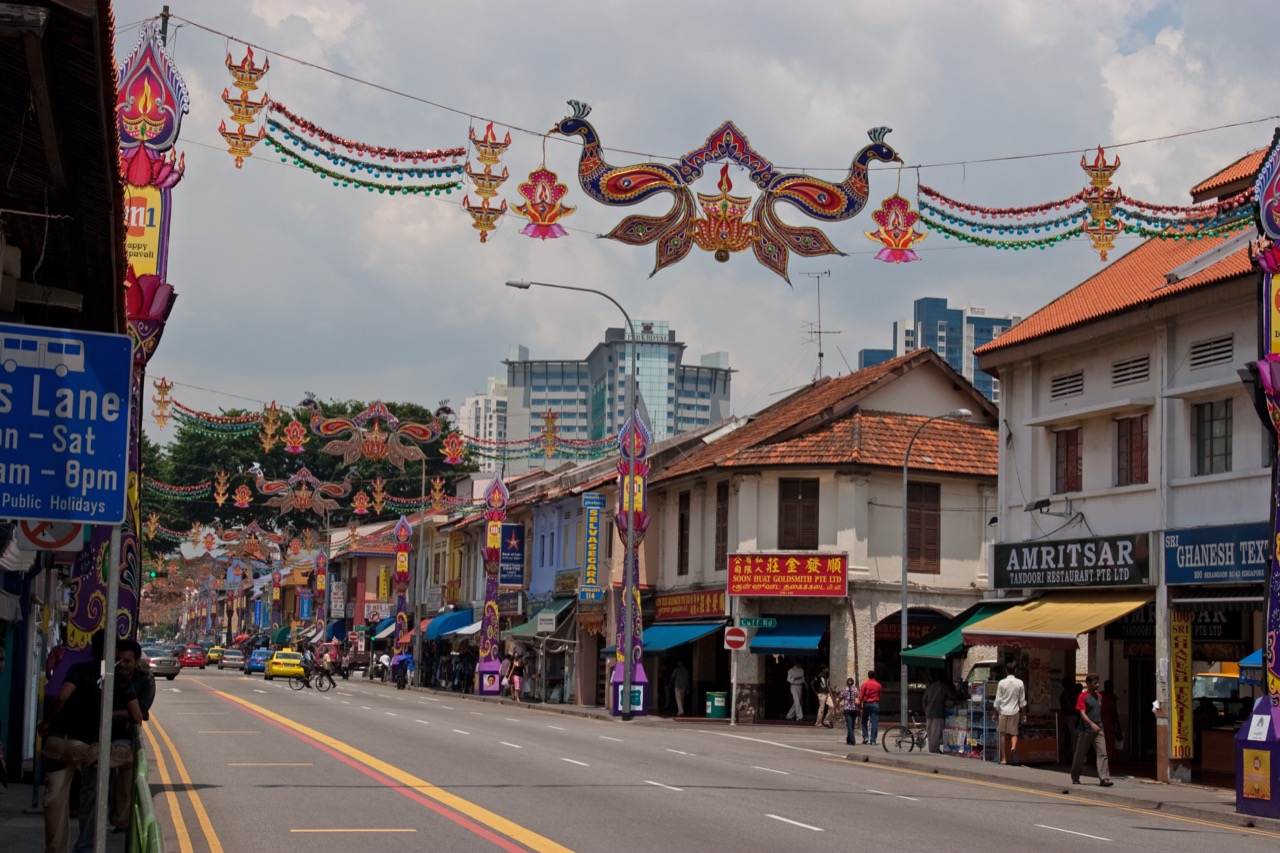
HeritageTamil is printed on Singapore's banknotes and taught in its schools, yet barely a third of Singaporean Indians now speak it at home. Across the causeway in Malaysia it has no official status at all. The same language, two different ways to fade.
HeritageBhojpuri crossed the ocean with Mauritius's indentured labourers and became the island's Indian lingua franca. Two centuries later, it is fading — and being fought for.
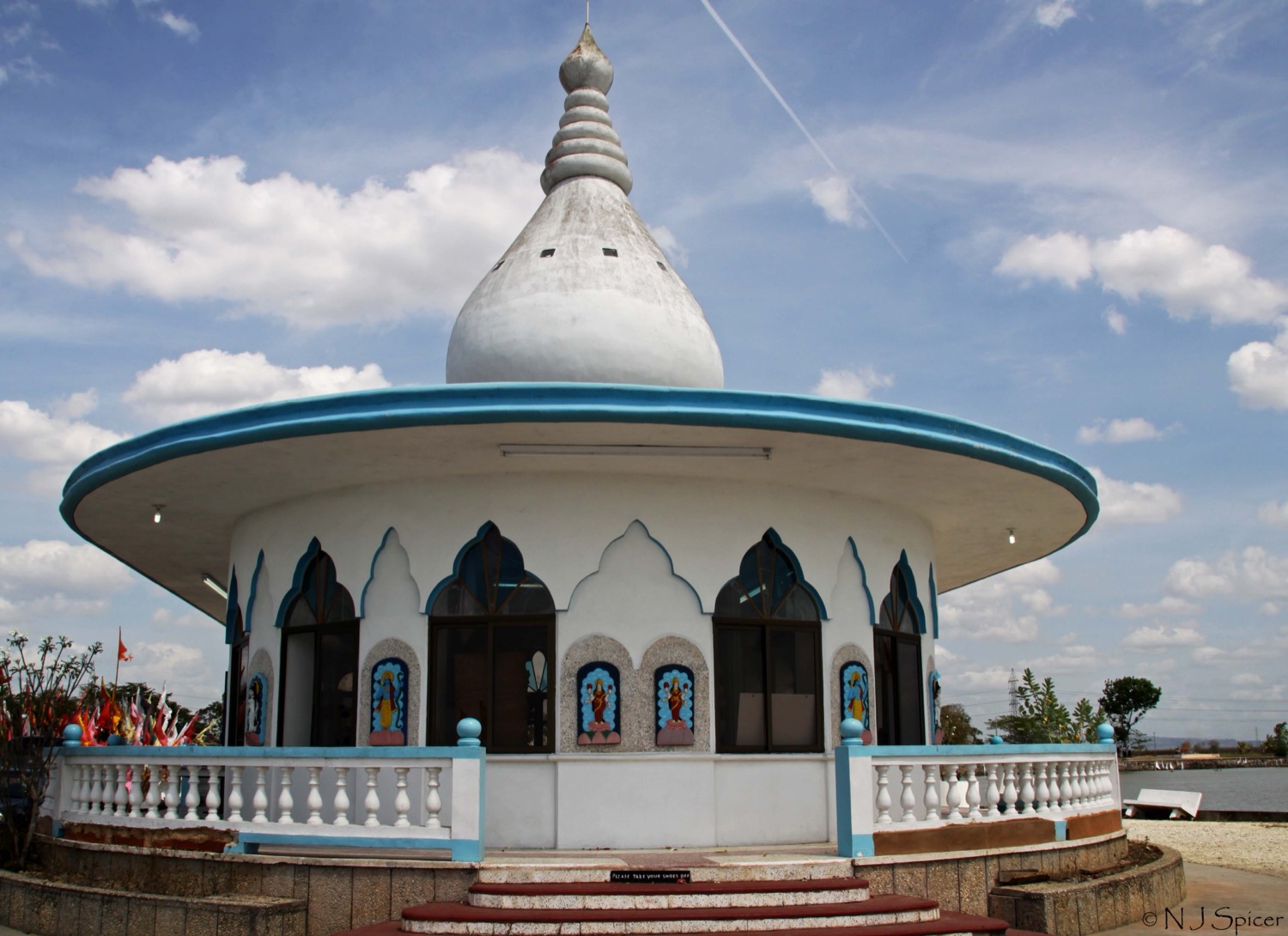
HeritageOn 30 May 1845 a single ship anchored in the Gulf of Paria with 225 Indian labourers aboard. Over the next seventy years it became a nation — today, Indo-Trinidadians are one of the two peoples of Trinidad and Tobago.
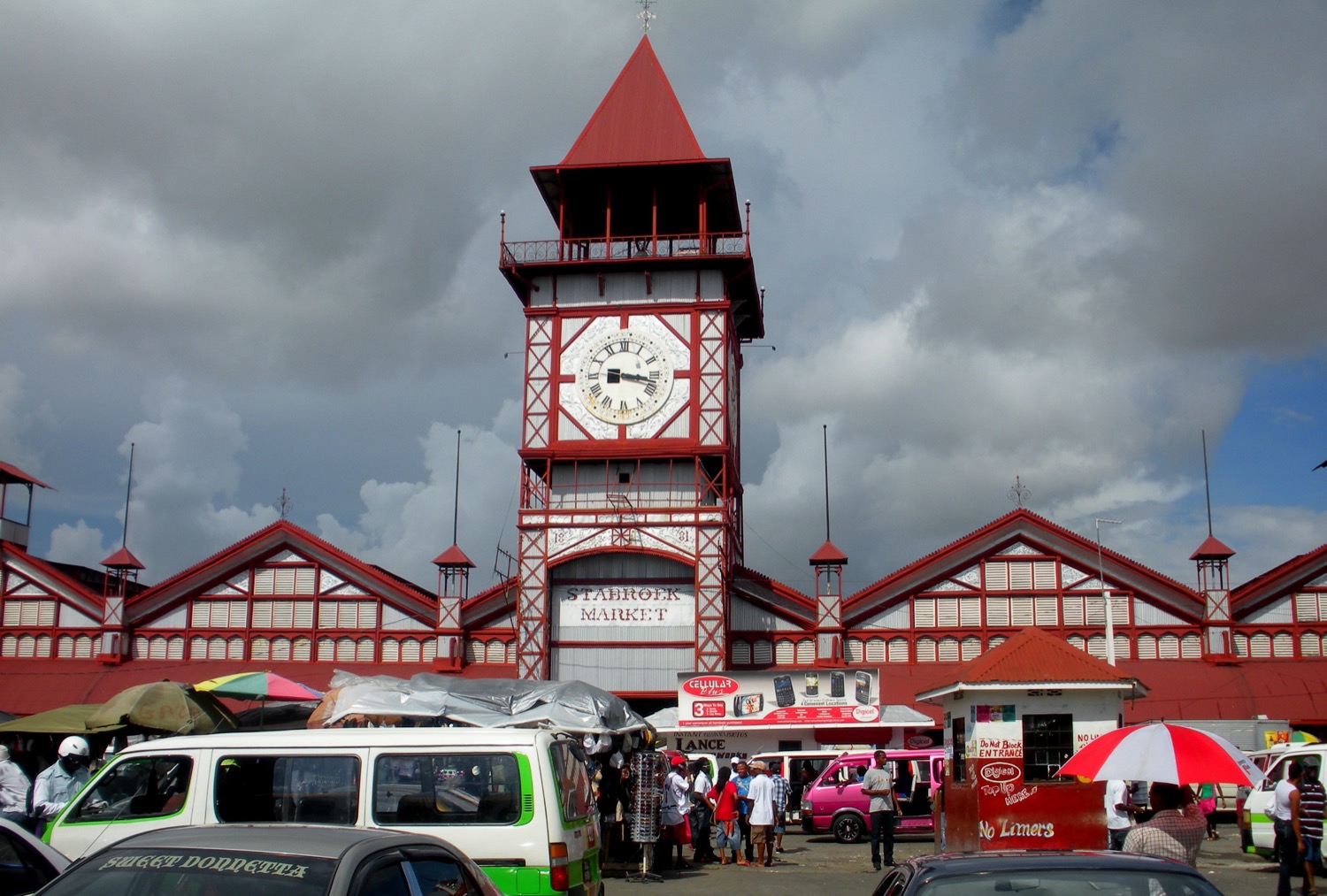
HeritageIn 1838 two ships landed 396 Indians in British Guiana — the very first indentured labourers of the whole system. Their descendants are now the largest community in Guyana.
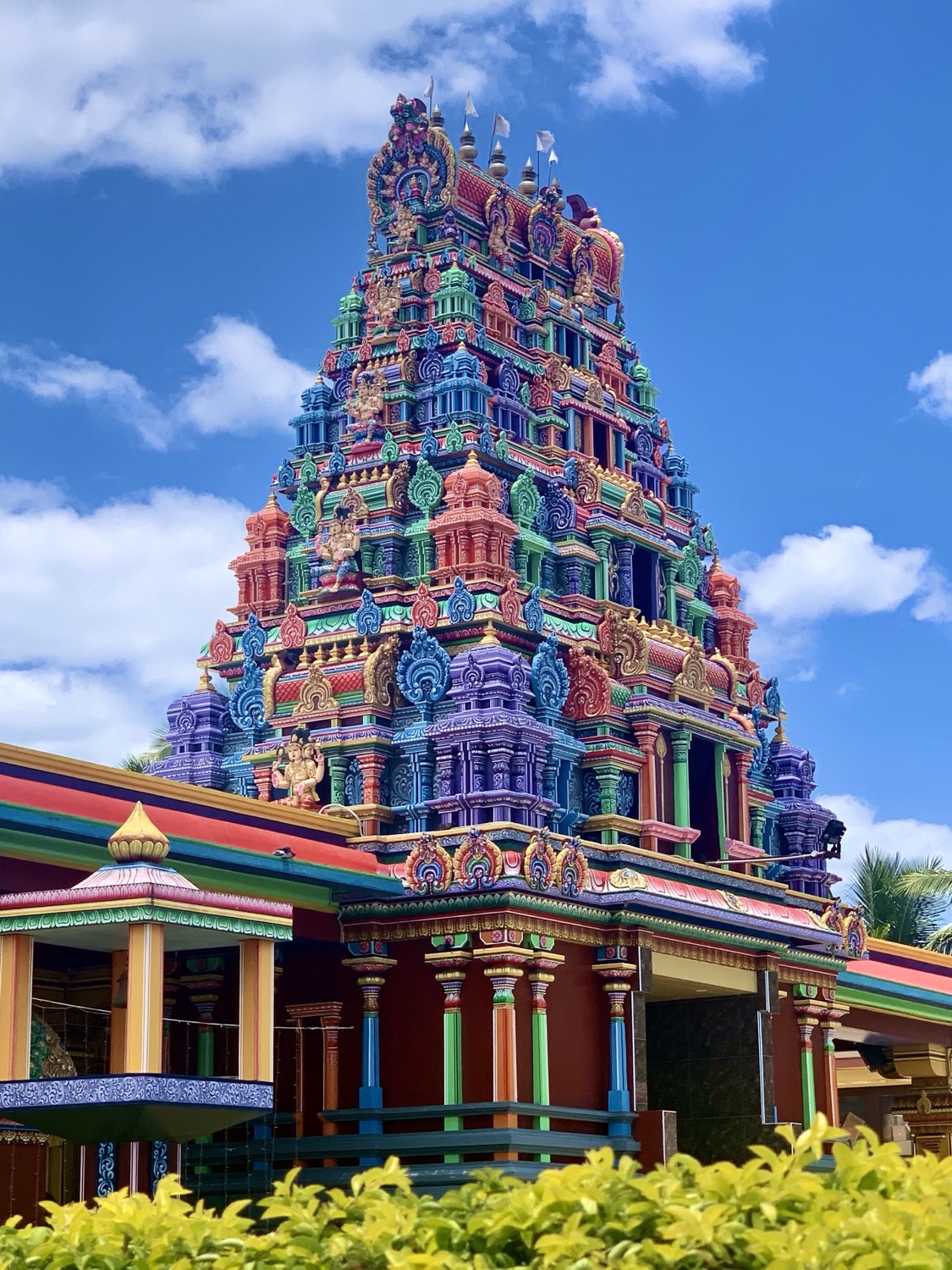
HeritageThe word 'girmit' itself comes from Fiji's cane fields. The Indians the British shipped there built the colony's economy — and have spent a century since being pushed to its margins.
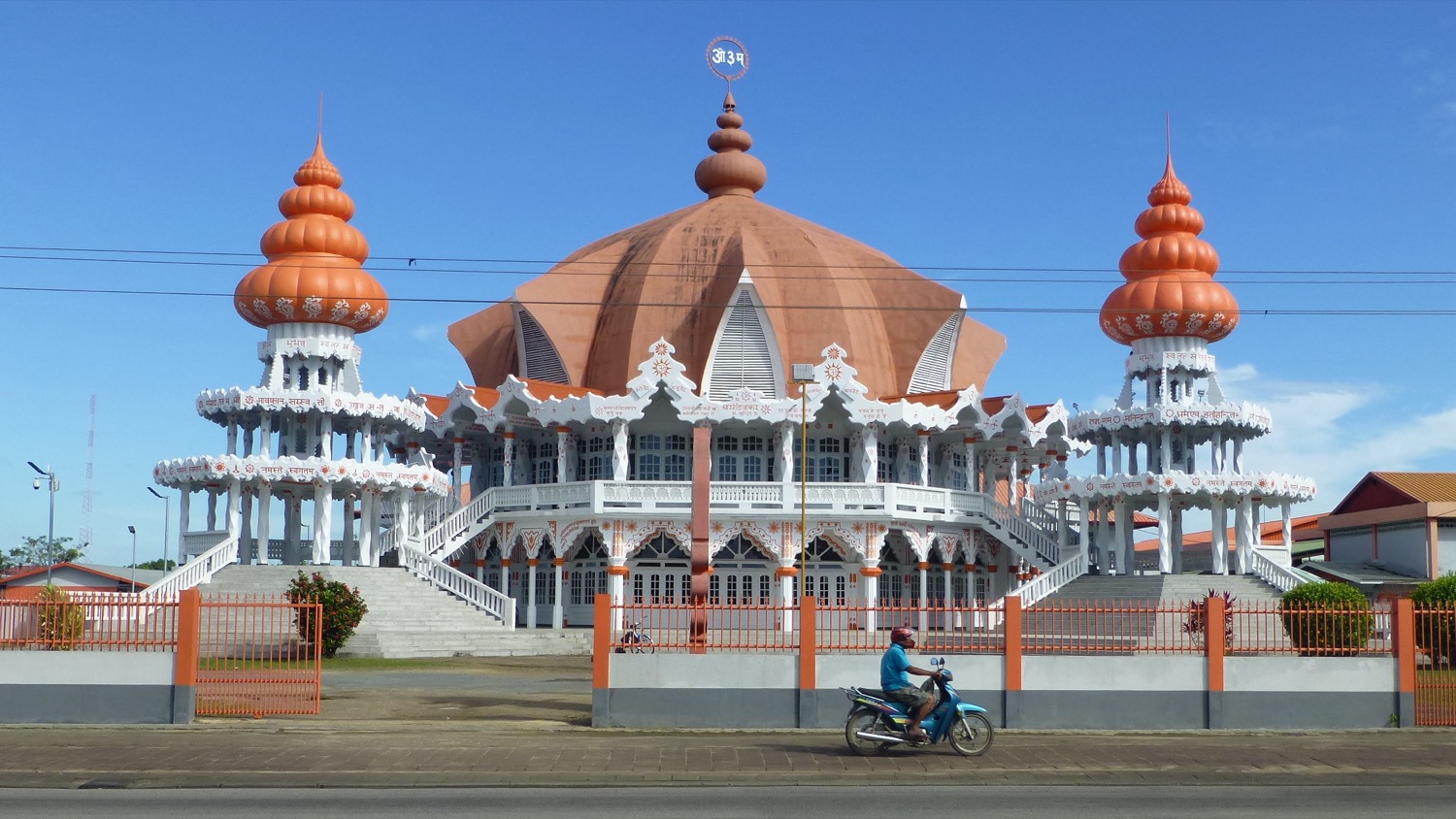
HeritageThe Dutch took Indian indentured labourers too. Their descendants — the Hindustanis — are the largest community in Suriname, and a sizeable diaspora in the Netherlands.
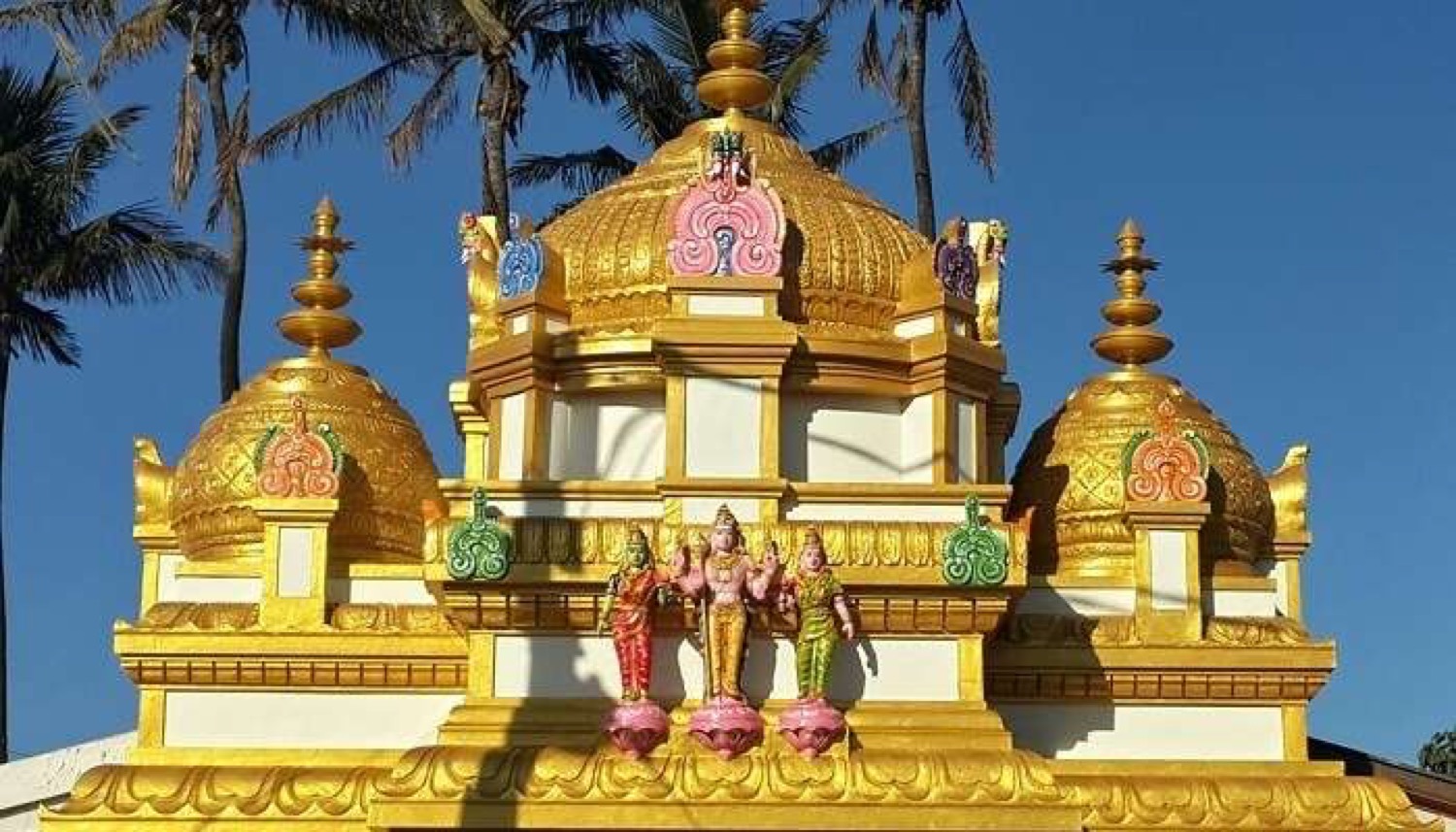
HeritageThe first indentured Indians reached Natal in 1860. The community they built gave the world, among others, a young lawyer named Gandhi — and made Durban the largest Indian city outside India.
HeritageIn BriefPart of a long-sought reform: India has widened Overseas Citizen of India eligibility past the old fourth-generation limit, opening lifelong, visa-free ties to India for the descendants of Sri Lanka's plantation labourers.
HeritagePart 1 of Mother Tongues. When labourers from a dozen Indian districts were thrown together on Fijian plantations, their languages fused into something new — a tongue that is now the mother language of a people.
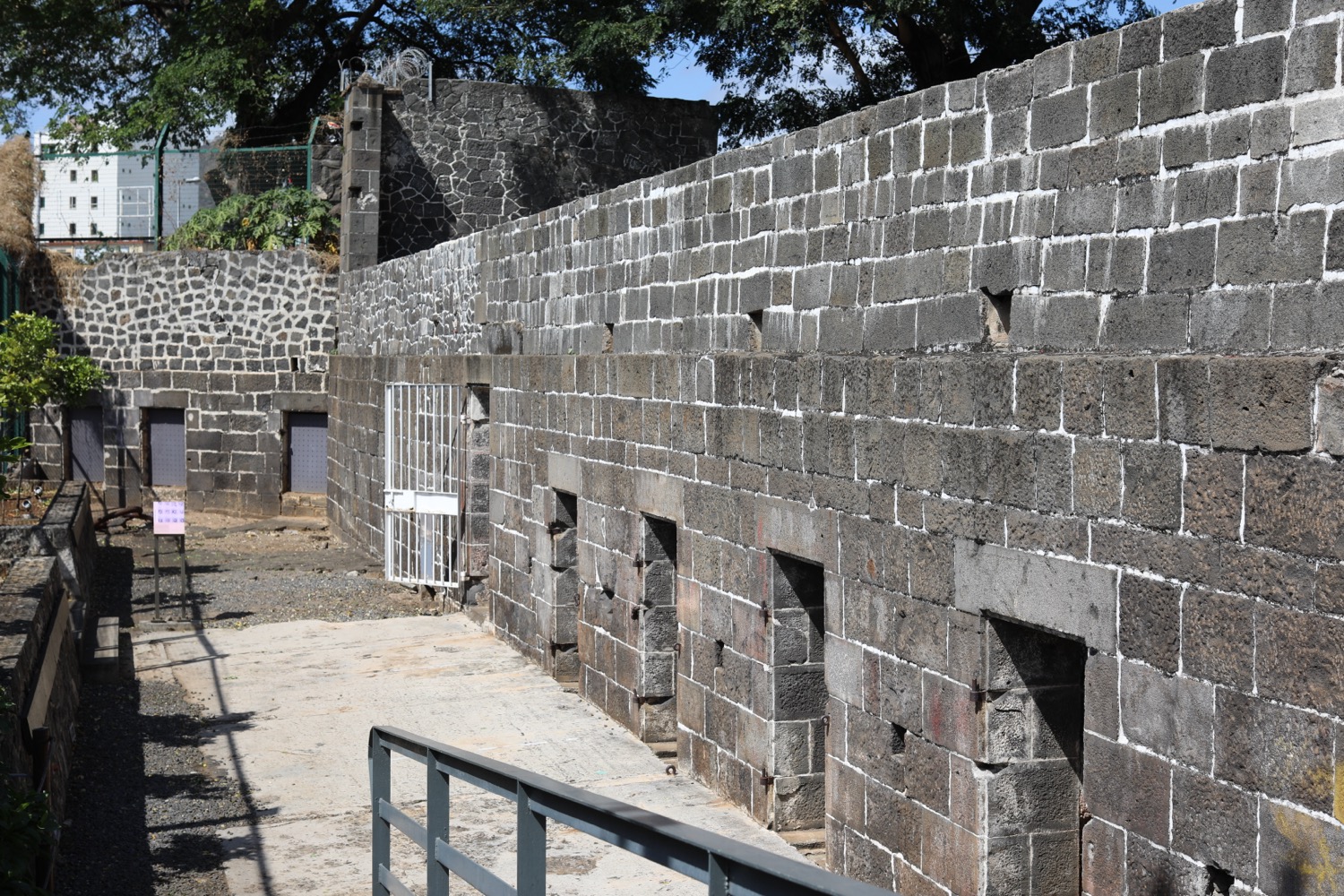
HeritagePart 1 of Children of the Girmit. Nearly 700,000 indentured Indians passed through a single stone depot in Port Louis — and their descendants became the majority, and the rulers, of an Indian Ocean nation.
HeritageIn BriefExternal Affairs Minister Jaishankar signed an archival cooperation agreement with Trinidad and Tobago to help members of the Indo-Caribbean diaspora trace their ancestral roots. The Government of India is creating a comprehensive global Girmitiya database.
HeritageThere was a time when Khadi was not just a fabric. It was a voice. A voice of resistance. Of self reliance. Of identity. I often say this when I speak about Khadi, yeh sirf fabric nahin, yeh soch hai. And yet, somewhere along the journey from independence to modern India, that thought began to […]
HeritageDr. Ravidarshan Vyas, a distinguished physician by training, stands as a beacon in the journey of preserving and enriching Saurashtra’s illustrious cultural tapestry. His narrative intertwines with the rich heritage of Gujarat’s Saurashtra region, a land steeped in history and adorned with architectural marvels, promin