

The 'dunki' route: the deadly underside of the migration dream
It doesn't run through Ceuta. India's version of the migration crisis is the illegal 'dunki' route — a multi-country smuggling network that charges families ₹45–50 lakh, sends young men through the Darién jungle, and too often ends in a deportation flight, or worse.
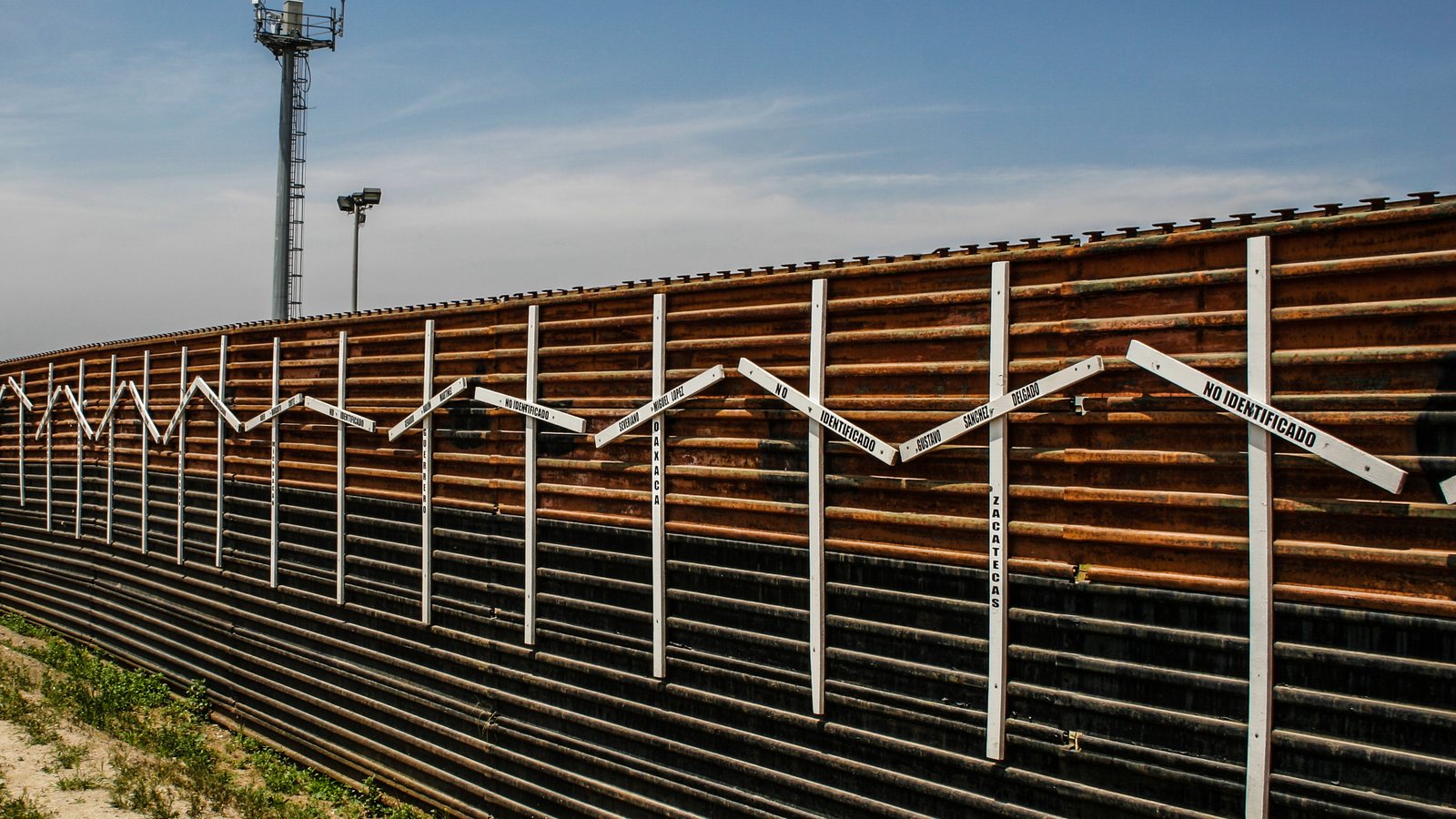
The images out of Ceuta this week are the kind that stop you. On 30 and 31 July, thousands of people surged across the border from Morocco into the tiny Spanish enclave on the North African coast; by Friday Spanish authorities put the death toll at around 57, and Madrid declared what it called an "absolute humanitarian emergency." The people climbing those fences and swimming that grey stretch of sea were overwhelmingly Africans — Moroccans and sub-Saharans reaching for Europe. They were not Indians. No part of this story runs through the Indian diaspora.
And yet anyone in that diaspora who watched the footage will have recognised something in it: the sheer force of the wanting, the readiness to risk everything for a door marked "West." Because India has its own version of that desperation. It does not go through Ceuta. It goes through a jungle in Panama, a chain of safe houses across Latin America, and a network of agents in Punjab and Haryana who have a name for it — the dunki route.
This publication is called Diaspora Dreams, and most of what we cover is the dream fulfilled: the minister, the founder, the family that made a life abroad and kept its language. The dunki route is the dream's shadow. It deserves to be told honestly, because for a certain kind of young man in north India, it has become the most dangerous decision of his life.
What the dunki route is
"Dunki" comes from a Punjabi idiom meaning to hop from place to place, and that is exactly what it is: illegal migration by a series of covert border crossings across many countries, stitched together by smugglers. As Business Standard has explained, a typical route carries a person through African and South American countries, up to Mexico, and finally into the United States between official crossings. Its travellers come mostly from the rural and semi-urban belts of Punjab, Haryana, Gujarat and Uttar Pradesh.
The most feared leg is the Darién Gap — the roadless stretch of jungle and mountain between Colombia and Panama that migrants of many nationalities now cross on foot. Reporting on the Darién has documented river drownings, falls, robbery and assault along the trail. It is not a metaphorical hardship. People die there.
The price of the dream
The cruelty of the dunki route is that it is not cheap, and it is not sold as what it is. Agents typically charge ₹45–50 lakh per person, India's Enforcement Directorate has said in the course of its raids — a sum most families raise by selling land or taking on crippling debt, in the belief that they are buying a legitimate work placement abroad. Instead they are handed to what investigators describe as international human-smuggling mafias.
The scale is staggering. One report cited by Deccan Herald estimated that some ₹4,470 crore had been paid to agents for dunki journeys to the US, routed through as many as 32 countries, from Punjab alone. On the other side of the ocean, US figures cited in Indian reporting recorded more than 90,000 illegal Indian migrants encountered at the American border between October 2023 and September 2024. These are not stray cases. They are a pipeline.
The shackled return
The dream has an ending that families do not put in the WhatsApp photos. In early 2026, a US military C-17 landed in Amritsar carrying 104 Indian nationals deported for entering the country illegally — 33 from Haryana, 33 from Gujarat, 30 from Punjab, and a handful from Maharashtra, Uttar Pradesh and Chandigarh. Accounts of that flight, and the ones that followed, described people flown home in restraints. India's Ministry of External Affairs later said 1,076 Indians were deported from the US in 2026, down from 3,567 the year before.
Behind each number is a version of the same story. One Haryana man told Deccan Herald he had spent ₹50 lakh to reach America and was caught within five minutes of crossing. He came home with the debt and without the dream.
The crackdown — and why it isn't enough
Indian agencies have moved. Through 2026 the Enforcement Directorate raided 11 locations across Punjab and Haryana — Amritsar, Patiala, Moga, Ambala, Kurukshetra, Karnal and more — in a money-laundering case tied to the deportations, while the National Investigation Agency has arrested agents accused of sending men abroad illegally. Punjab's government has declared "zero tolerance" for fraudulent travel agents.
And still the queues form. Reporting from Punjab and Haryana describes young people continuing to flock to travel agencies, undeterred, because the calculus that drives them has not changed: thin local prospects, the visible prosperity of relatives who "made it," and the belief — carefully cultivated by agents — that the West is a guaranteed payoff worth any risk.
The dream, and the lie sold in its name
Here is the honest distinction an ethical publication has to draw. The aspiration is not the problem. The desire to build a better life abroad is the oldest and most legitimate story the Indian diaspora has — it built communities from Trinidad to Toronto, and it is the reason a boy from Muzaffarpur can end up in a British cabinet. The dunki route is not that dream. It is a fraud committed against that dream: a criminal industry that takes a family's land and a young man's life savings, points him at a jungle, and calls it opportunity.
The responsible answers are not mysterious. Prosecute the agents, as India has begun to. Widen and demystify the legal pathways — study, skilled work, family sponsorship — so that the honest route feels reachable rather than hopeless. And tell the truth about the other one, loudly, in the places where the myth is strongest, so that the next twenty-year-old in Sangrur weighing a ₹50-lakh loan hears the ending of the story before he signs.
The people who died at Ceuta this week were not from our community. But the wanting that drove them is one the diaspora knows in its bones — and it is precisely because we understand that wanting that we have a duty not to romanticise where it can lead. The dream is real. The dunki is not the way to it.