

Four Doors, Four Directions: How 2026 Split the Map for Indian Students
India sends more students abroad than any country on earth — but in 2025 the university number fell for the first time in three years. As Britain tightens, Canada pauses and Australia goes recruiting, the 2026 map is splitting in four directions at once.
Britain changed the rules on a weekday in January, and almost no one outside the visa-consultancy WhatsApp groups noticed. From 8 January 2026, every applicant to the UK's Graduate Route — the post-study work visa that has anchored Britain's pitch to Indian students for years — had to clear a B2 English test. A week later, on the other side of the world, Canada did the opposite of a crackdown: it froze the list of study programmes that lead to a work permit and promised not to touch it for the rest of the year. And all through the southern summer, Australia was advertising — a new visa that lets 3,000 young Indians live and work there for two years with no employer sponsor at all.
Three countries. Three directions. Eight weeks.
For the nation that now sends more students abroad than any other, this is the real story of 2026. Not a door slamming shut. A map splitting apart.
The numbers, first
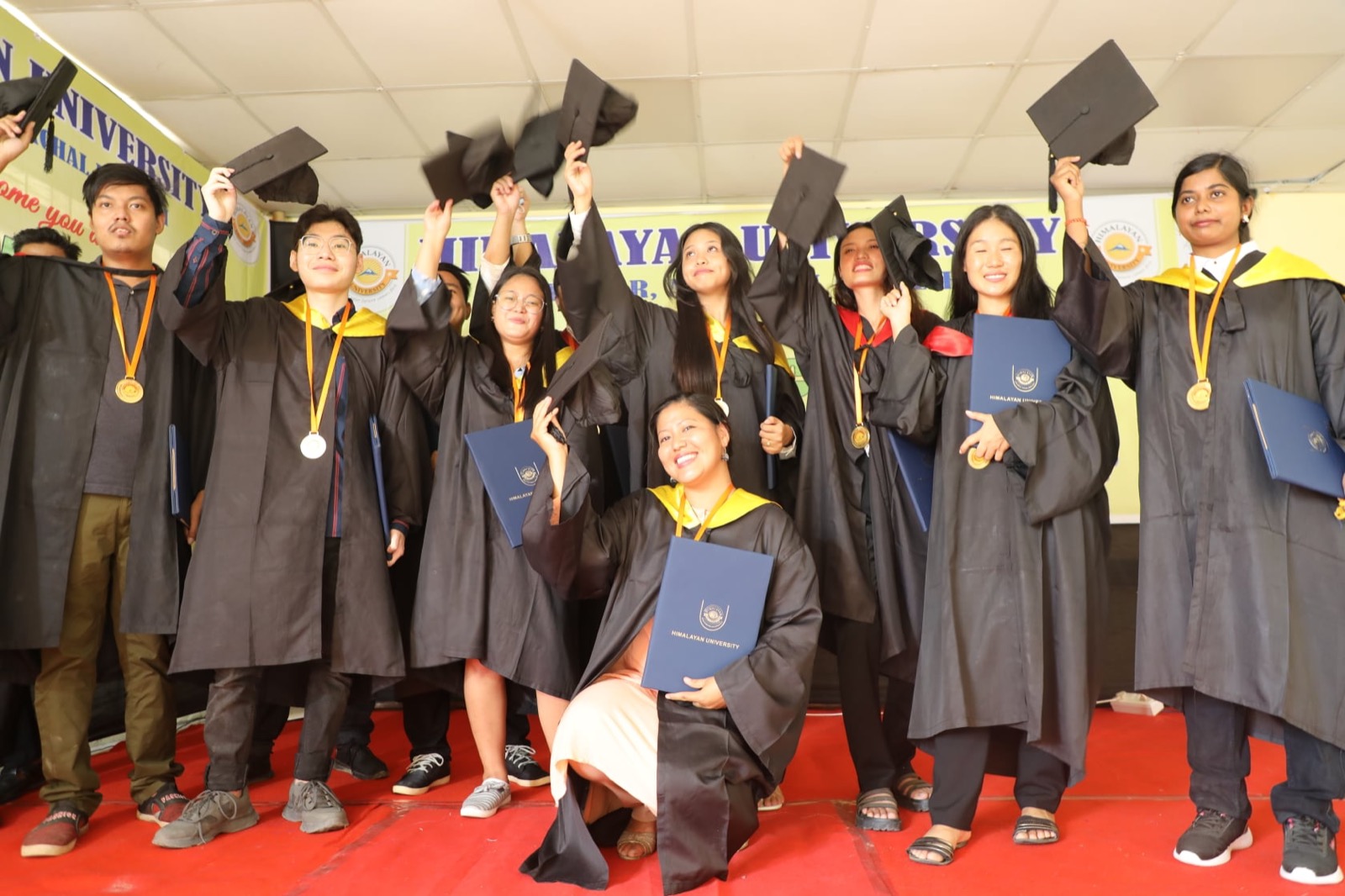
More than 1.8 million Indian students are studying overseas, spread across 153 countries, according to figures the Ministry of External Affairs placed before Parliament. India has passed China as the world's single largest source of international students. But buried in the same data was a number that had not appeared in years: outbound university enrolment fell 5.7% in 2025, the first decline after three straight years of growth. The boom did not collapse. It began to sort itself — by country, by course, and by who can afford the ticket.
Here is how the four big doors are moving.
Britain: the slow narrowing
Of the four, the UK is tightening hardest. Since January 2024, students on taught master's degrees — the one-year courses most Indians take — have not been allowed to bring a spouse or children; only research master's and PhD students still can. Labour came to power and kept the rule. From 8 January 2026, the Graduate Route added a B2 English requirement, and from January 2027 that post-study work window shrinks from two years to eighteen months, with only PhD graduates keeping the full three. The money bar is real too: a student in London must show £1,483 a month in savings, held untouched for 28 days. Britain still wants the students. It wants fewer of their families, and less of their afterwards.
Canada: a pause after the storm
Canada spent 2024 and most of 2025 as the cautionary tale — caps, refusals, and a mid-year cut that stripped 178 fields of study from work-permit eligibility while adding 119. Diploma and certificate students took the damage; degree students were largely spared. Then, on 15 January 2026, Ottawa did something unusual: it stopped. IRCC froze the list of eligible programmes for the year, no additions or removals, leaving 1,107 programmes in place. For students who had watched the rules change underneath them mid-degree, the freeze is the most valuable thing Canada is offering right now — not generosity, but certainty. The goalposts are narrower than they were in 2023. They are also, for the first time in two years, standing still.
Australia: the country that went recruiting
While the others tightened or paused, Australia leaned the other way. Its 2026 cap on new international students rose to 295,000, up from 270,000 the year before. And it built a lane aimed squarely at India: MATES, the Mobility Arrangement for Talented Early-professionals Scheme. Three thousand places a year, for Indians aged 18 to 30 who graduated within the past two years from a top-100 NIRF university, in fields such as renewable energy, engineering, AI, fintech and agritech — two years of work, no sponsor required. Australia is not waiting for skilled young Indians to find the form. It is going looking for them.
The United States: the cost, not the classroom
For America, the squeeze sits after the degree, not before it. Getting in to study is still the easy part; building a life afterwards is where the wall has gone up. The employment-based green-card categories Indians rely on, EB-2 and EB-5, hit their annual limits in 2026 and stopped issuing until October. The H-1B work visa now carries a six-figure federal fee it did not a year ago. The classroom is open. The decade after it is the question.
What every door now asks
Strip away the country-by-country detail and the same three demands sit under all of it: a skilled, in-demand field; documented money; and a "quality" provider or a higher degree level. The old shortcut — pick a brand-name country, any course, sort the rest out after landing — has quietly closed. None of the four is selling the open door anymore. They are selling a filter.
The bottom line
Students are the diaspora's headwaters. Who studies where, and who can afford to, shapes who the diaspora is a decade from now — which founders, which doctors, which voters, in which countries. By lifting the money bar at every door, 2026 also sorts harder by family income, not only by merit. That is the part worth watching.
For the student deciding right now, the instinct to chase the ranking is the wrong instinct. The useful questions in 2026 are smaller and more honest. What level am I studying at? Is my field on the list? And which way is that country actually moving? A PhD applicant and a diploma applicant are no longer reading the same map. Increasingly, they are not even choosing the same countries.
The door did not close. It multiplied — and started asking a harder question at each one.
Sources: Ministry of External Affairs — Indian Students Abroad · ICEF Monitor — the number of Indian students abroad fell in 2025 · GOV.UK — tough government action on student visas · CIC News — IRCC freezes PGWP-eligible fields for 2026 · CIC News — Canada postpones removal of PGWP programmes · Australian High Commission — MATES for India · The Conversation — Australia's student caps ease in 2026 · Newsweek — visas paused as US hits EB-5 cap for Indians.