

MBBS in Russia in 2026: fees, NMC rules and the FMGE, explained
Yes — a NEET-qualified Indian student can study medicine in Russia for a fraction of a private Indian seat and practise back home. But only after clearing the FMGE and a second internship. Here is exactly how the 2026 route works, what it costs, and the three places it goes wrong.
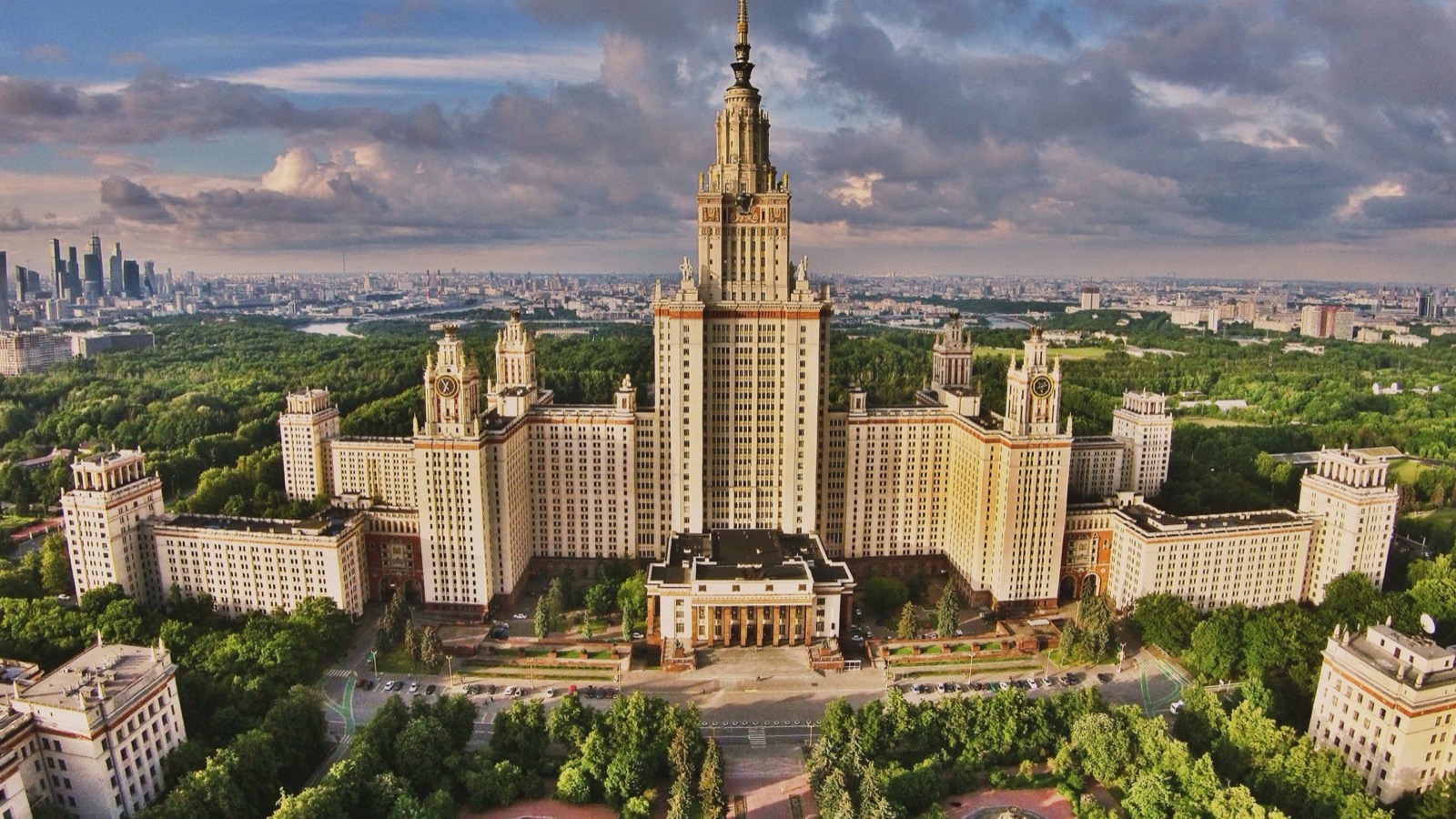
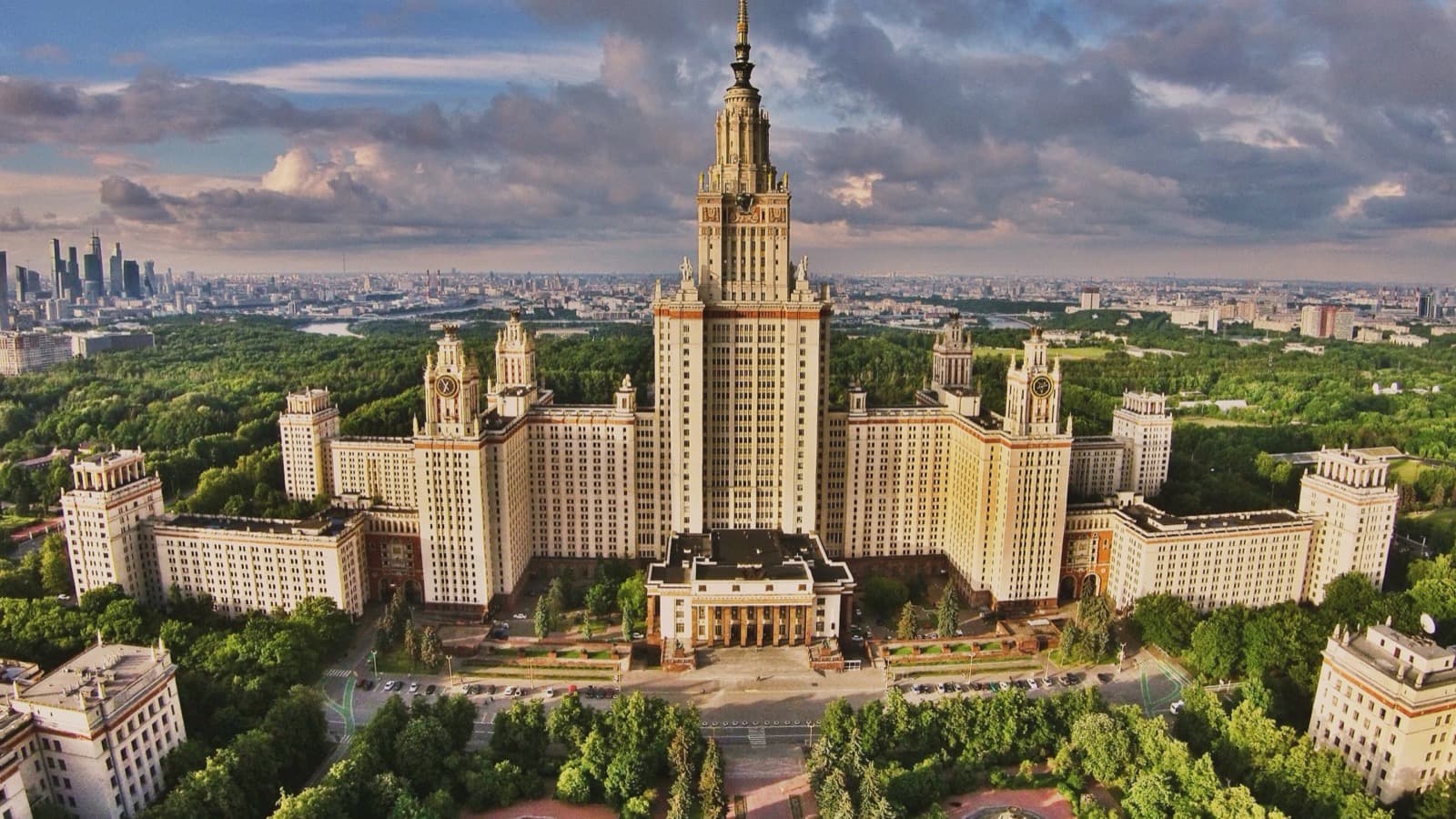
For a certain kind of Indian family, the arithmetic is impossible to ignore. A private medical seat at home can cost between ₹50 lakh and ₹1 crore in tuition alone. A six-year medical degree in Russia, taught in English at a state university, can be had for roughly ₹3–13 lakh a year, hostel included. That single gap explains why an estimated 15,000-plus Indian students are enrolled in Russian medical universities — a figure attributed to India's Ministry of External Affairs — with consultancies now claiming the true number is far higher. In Kazan, one university alone reports more than 2,000 Indians on its rolls.
But the low sticker price hides a harder truth. Getting the degree is the easy part. Being allowed to use it in India is where the risk sits. Here is how the 2026 route actually works — and the three places it goes wrong.
First, NEET is not optional
The most common misconception is that a low NEET score is a ticket out. It is the opposite. Since the National Medical Commission (NMC) tightened its rules, qualifying NEET is mandatory for any Indian who intends to practise medicine in India after studying abroad. For the 2026 cycle, the working threshold is 145 marks for general-category candidates and 115 for reserved categories. A student who enrols in Russia without a qualifying NEET score can complete the entire degree and still be barred from the licensing exam back home. The score is not a formality. It is the first gate.
The approved-university trap
The single most expensive mistake a family can make is choosing the wrong college. Under the NMC's Foreign Medical Graduate Licentiate regulations of 2021, a foreign degree is recognised only if it meets three conditions: the entire course — lectures, labs and exams — is conducted in English; the student completes a minimum of 54 months of study plus a 12-month internship at the same university; and that specific institution appears in the recognised world directory of medical schools. The country is not enough. The named university has to be on the list.
In practice, the safer names Indian students cluster around — First Moscow State (Sechenov), St Petersburg State, RUDN, Kazan Federal, and a handful of established regional medical universities — are directory-listed. Many smaller, aggressively-marketed institutes are not. A degree from an unlisted college is, for the purpose of Indian practice, worthless. Before leaving India, a student must also register on the NMC's Foreign Medical Graduate portal; skipping that step alone can invalidate the whole plan.
The exam that decides everything
Every foreign medical graduate who wants to practise in India must clear the Foreign Medical Graduate Examination (FMGE). It is a genuinely hard bar: a large majority of candidates fail it on the first attempt, and it is the reason a cheap degree can end in an unusable one. The NMC has signalled that the National Exit Test (NExT) will eventually replace the FMGE for foreign graduates, but as of 2026 no date has been fixed, and the FMGE remains the exam that matters.
Clearing it is still not the finish line. A graduate must then complete a second, 12-month Compulsory Rotating Medical Internship at an approved Indian hospital before receiving full registration to practise. Only then — NEET, then six years abroad, then the FMGE, then a year of internship at home — is the loop closed.
Paying the fees when the banks are cut off
Since 2022, sanctions have made the mechanics of paying a Russian university genuinely awkward. Several large Russian banks were removed from the SWIFT messaging network, and rouble volatility complicates budgeting. But not all banks were cut off, and education payments to approved institutions still go through — typically routed in US dollars and converted to roubles, sometimes with a few days' delay. Families should budget for the friction, keep every transfer documented, and read our companion guide to education loans, the LRS and TCS before wiring a single instalment.
What the six years actually look like
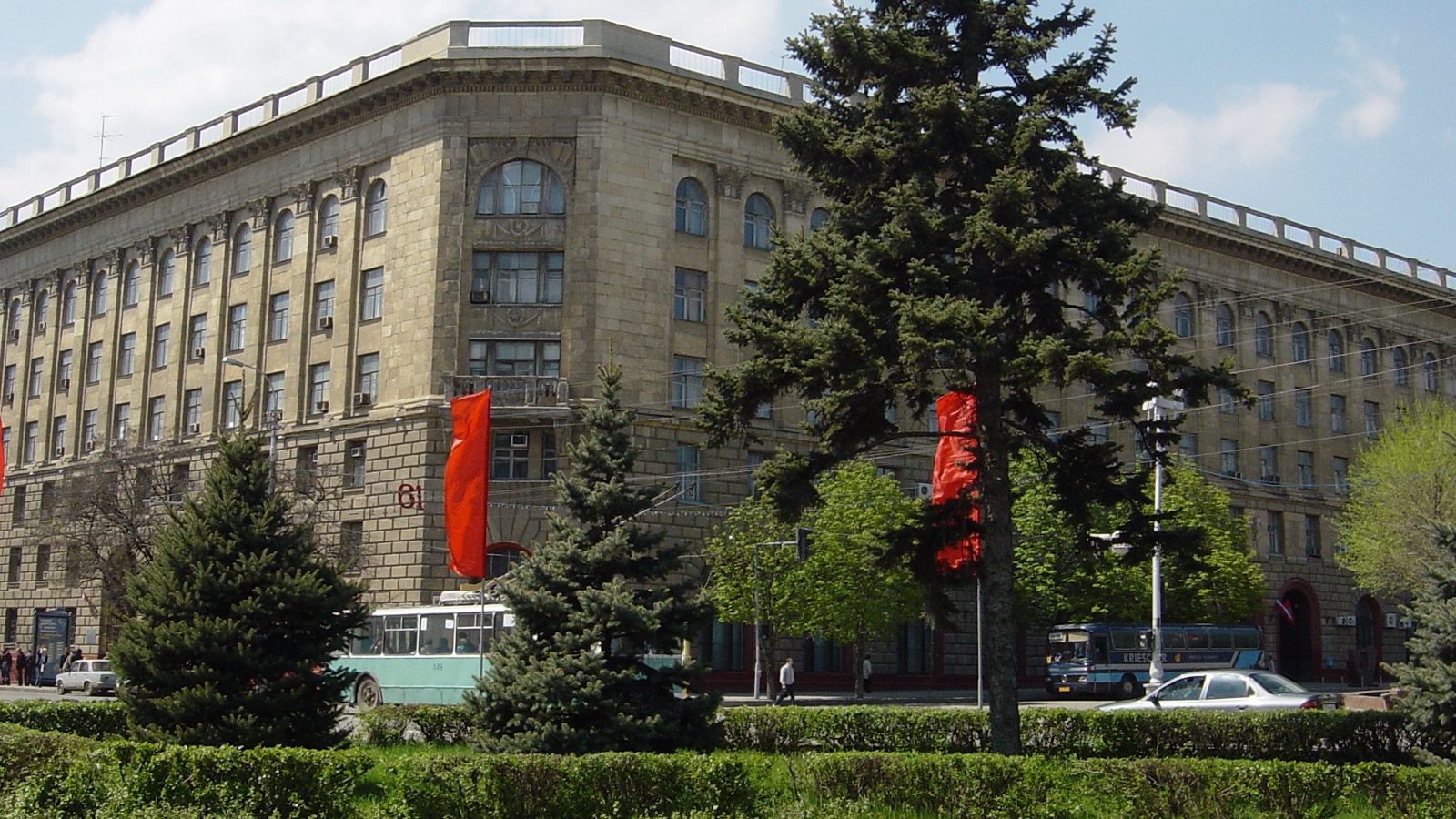
The Russian MBBS runs six years, and its shape matters for anyone comparing it to the degree at home. The first year typically blends foundational science with intensive Russian-language classes — because while lectures are delivered in English, the later clinical rotations put students on wards with Russian-speaking patients, and the medium of that contact is the local language. Years two and three are pre-clinical: anatomy, physiology, biochemistry, pathology. From the fourth year the training turns clinical, inside teaching hospitals attached to the university. The sixth year is the internship the NMC counts toward its "54 months plus internship" rule — which is precisely why remaining at the same recognised university for the entire stretch is not a bureaucratic nicety but the line between a valid degree and a void one. A transfer midway, a year spent at an unlisted partner campus, a course quietly switched to a Russian-medium section — any of these can quietly break recognition, and the family often finds out only years later.
The honest risks
Two hang over every application. The first is the war next door: Russian medical cities are far from the Ukrainian front, but sanctions, flight disruptions and a general climate of uncertainty are real costs to weigh. The second, and larger, is the recognition trap described above — the family that picks an unlisted college, or skips NEET, or misses the FMGE, does not get a cheaper doctor. It gets an expensive detour to a degree India will not honour.
For the wider picture of where Russia now sits among Indian study destinations, see our study-abroad map for 2026; for the human story of the students already there, read The 15,000.
The bottom line
For the NEET-qualified student who registers with the NMC, chooses a directory-listed university, and treats the FMGE as the true finish line, Russia remains one of the most rational routes to a medical career anywhere on earth. For the student who skips the paperwork, it is one of the most expensive mistakes a family can make. The difference between the two is not money. It is diligence.
Related from Education
Education loans for studying abroad from India, 2026

Sending money abroad for education in 2026: LRS, TCS and forex
America's new four-year rule: what the student-visa cap means for Indians