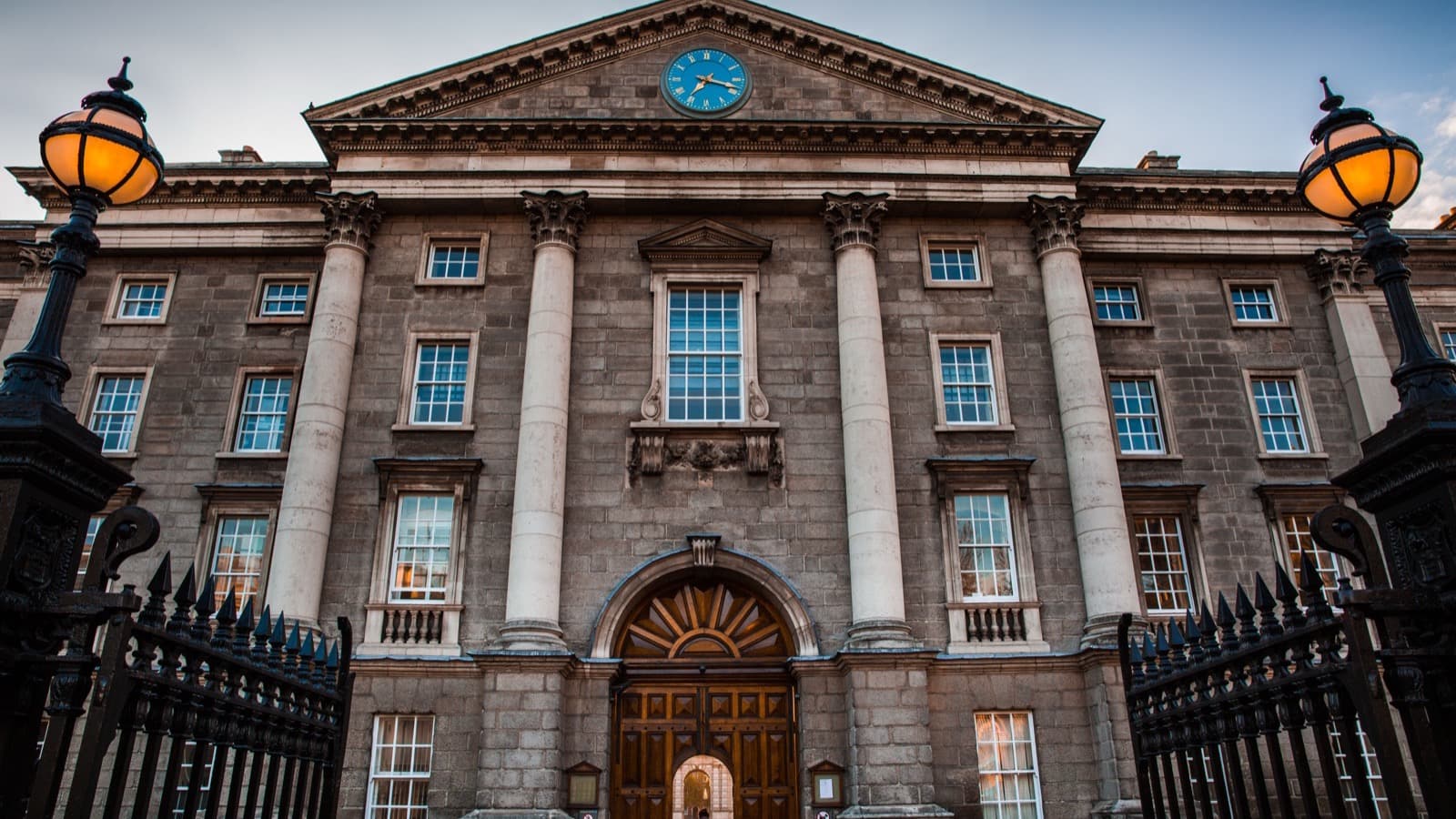


The 15,000: India's medical students in Russia, through the war years
An estimated 15,000 Indians study medicine in Russia, drawn by fees a fraction of a private Indian seat. Sanctions, a war next door, and a separate, darker Indian-in-Russia story have made their bet more complicated. Who they are — and whether it still adds up.
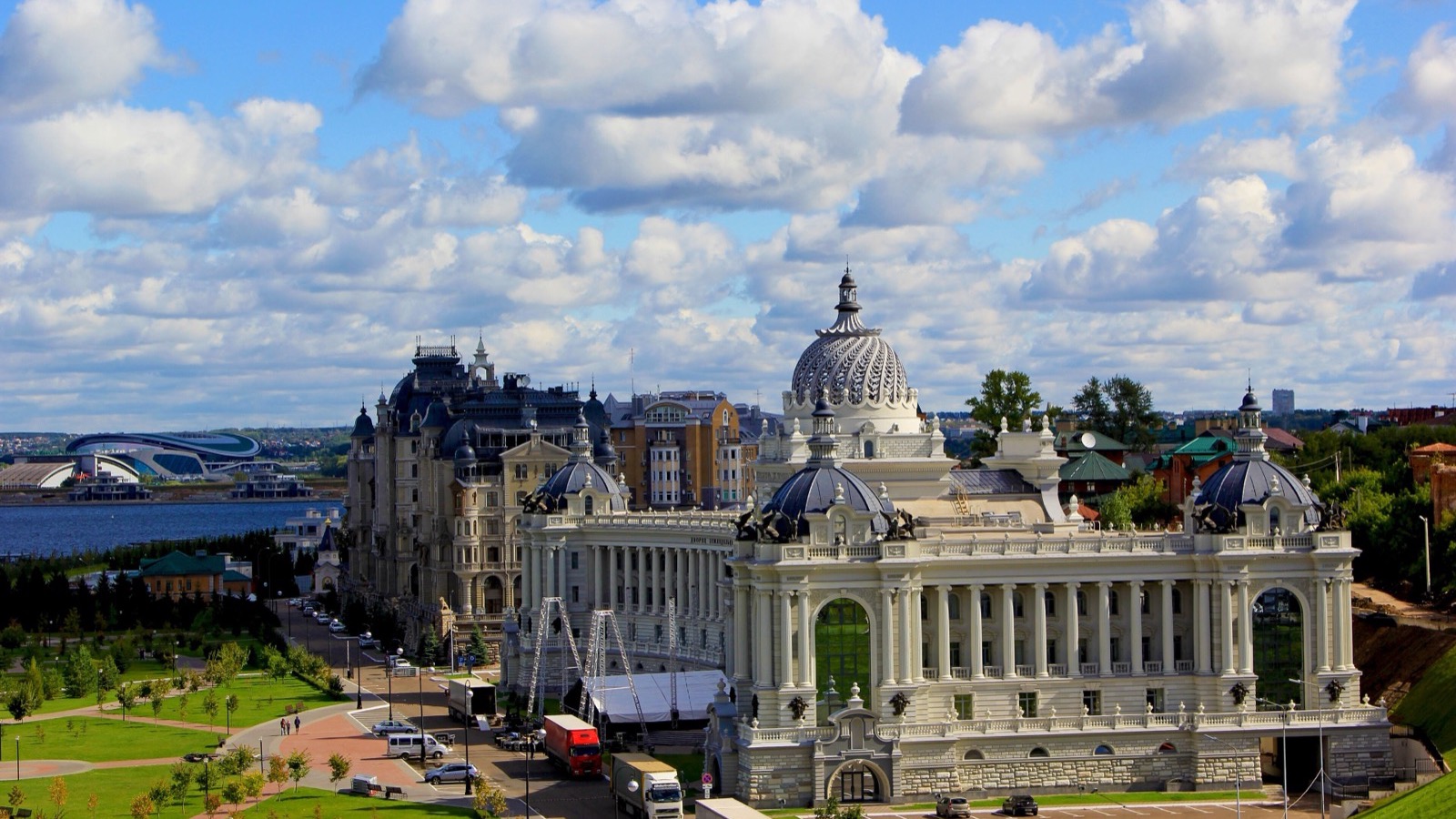
In a lecture theatre in Kazan or Volgograd or the Moscow suburbs, the faces are often mostly Indian. They are the visible edge of one of the largest concentrations of young Indians anywhere in the world: an estimated 15,000 or more studying medicine across Russia, a number India's Ministry of External Affairs put in the tens of thousands and that study-abroad consultancies now claim is considerably higher. It is a community India rarely writes about, and one that has spent four years quietly navigating a war.
The reason they are there is not romance. It is arithmetic. A private MBBS seat in India can run to a crore of rupees; a Russian state university offers the same six years, in English, for a few lakh a year. For a middle-class family with a NEET-qualified child and no way to fund an Indian private college, Russia is not an adventure. It is the only door that opens.
How Russia became the default
Post-Soviet universities have courted Indian students for three decades, and the pipeline has its own dense ecosystem of agents, hostels and WhatsApp groups. What sharpened the trend was a catastrophe next door. When Russia invaded Ukraine in February 2022, some 18,000 Indian medical students were caught inside Ukraine and evacuated in the government's Operation Ganga — a different country, a different cohort, and one whose degrees the NMC ruled could still only be awarded by the original Ukrainian university. Ukraine and Russia blur in the Indian public memory, but they are not the same story. What the Ukraine collapse did was concentrate the post-Soviet medical dream onto the one large country still open for business: Russia.
The number nobody can agree on
How many Indians are really studying medicine in Russia? The honest answer is that nobody knows precisely. The Ministry of External Affairs' most-cited figure of more than 15,000 dates to 2022; study-abroad consultancies, who have an obvious interest in a larger number, now advertise totals closer to 31,000. The truth sits somewhere in the churn — students enrol and drop out, transfer between universities, defer over payment trouble, or quietly abandon the plan when the FMGE looms. There is no single clean register that counts them. What is not in doubt is the order of magnitude, tens of thousands, which alone makes this one of the largest single clusters of Indian students anywhere abroad, and among the least reported.
The war's real cost to students
The students in Russia are far from the front. Their war is administrative, not physical. Sanctions removed several large Russian banks from the SWIFT network, turning the once-routine act of paying a semester's fees into a small ordeal — dollars routed through the banks still connected, converted to roubles, occasionally delayed for days. A volatile rouble makes budgeting a guessing game. Flights grew longer and dearer as airspace closed. None of it is a bomb. All of it is a tax on families already stretching to afford the degree in the first place.
The other Indians in Russia
There is a darker Indian-in-Russia story, and it is important to say clearly what it is not. It is not about the students. Over the war years, hundreds of Indian men — labourers and job-seekers, lured by agents promising work or visas — were funnelled into the Russian armed forces, some with their passports taken. The government has confirmed deaths; the families of a group of them have gone to the Supreme Court; the Ministry of External Affairs says it has secured the release of many and is pressing Moscow to discharge the rest. These are not medical students. But in a country where "Indians in Russia" now carries a grim headline, the two get conflated, and it colours how nervous parents see the whole idea. We cover that story separately in this brief.
The life around the lectures
The texture of the years is its own education. Russian winters are long and severe by Indian standards; the food is unfamiliar; the paperwork — residence registration, annual visa renewals, mandatory medical insurance — is relentless and unforgiving of error. A whole cottage industry of agents, mess halls serving Indian food, and senior-student WhatsApp groups has grown up to smooth the landing, for a fee. For most of these students it is their first long stretch away from home, in a country whose language they are still learning and whose bureaucracy assumes fluency they do not yet have. That, as much as the medicine, is what a family is signing up for when it chooses Russia.
Does the degree travel?
This is the question that decides whether the whole bet pays off. A Russian degree buys nothing in India by itself. To practise, a graduate must clear the Foreign Medical Graduate Examination — a hard exam that a large majority fail at the first attempt — and then complete a year-long internship in India. The students who treat the six years abroad as preparation for that exam come home and practise. The ones who treat the cheap degree as the destination often discover, too late, that it was only the halfway point. The mechanics of getting it right are laid out in our full guide to MBBS in Russia in 2026.
Whether it still adds up
For most of the 15,000, it does. A doctor trained in Russia who clears the FMGE has spent perhaps a fifth of what an Indian private seat would have cost, and joins the same register. That is not a compromise; it is a genuinely rational use of a global market. But the margin for error has narrowed. The war made the money harder to move and the optics worse; the NMC made the rules stricter. The students who succeed now are the ones who did their diligence before they packed — chose a recognised university, kept their NEET score, and never lost sight of the exam waiting for them at home. For a fuller view of the choices facing Indian students this year, see Four Doors, Four Directions.
Related from Education
Education loans for studying abroad from India, 2026

Sending money abroad for education in 2026: LRS, TCS and forex
America's new four-year rule: what the student-visa cap means for Indians