


India targets migration fraud with a new safe-migration drive in Rajasthan
The Ministry of External Affairs and the Rajasthan government held a 'Videsh Sampark' outreach in Jaipur on 17 July 2026 to steer would-be migrants away from fraudulent agents and toward safe, legal overseas jobs.


The Ministry of External Affairs and the Rajasthan government sat down together in Jaipur on 17 July 2026 with a single message for anyone in the state planning to work abroad: go through the front door, not a tout.
The event, a "Videsh Sampark" State Outreach Conference at the Rajasthan International Centre, put MEA officials in the same room as the state's police, district magistrates and 20 authorised recruitment agencies. Its stated theme was blunt — that Rajasthanis should go abroad "safely and with proper training," not on the word of an unlicensed agent.
That framing matters because the danger is specific. Every year, would-be migrants from states like Rajasthan pay large sums to illegal recruiters for Gulf jobs that turn out to be underpaid, unsafe or fictitious — often after borrowing to fund the move. The conference's first session went straight at it: diaspora welfare, protection from fraudulent agents, passport services and the problems facing Indian students overseas.
Ankan Banerjee, the MEA's Joint Secretary for Diaspora Engagement, said the government had streamlined the procedures for overseas employment and study, sped up passport issuance and cut police-verification timelines. Sripriya Ranganathan, the MEA Secretary who handles consular, passport and visa affairs, and V. Srinivas, the state's Chief Secretary, were among the senior officials present.
The state also fixed a date to court its own diaspora: a Pravasi Rajasthani Diwas on 10 December.
Where that money goes once the workers arrive: our guide to sending money from the Gulf back to India.
Related from Politics
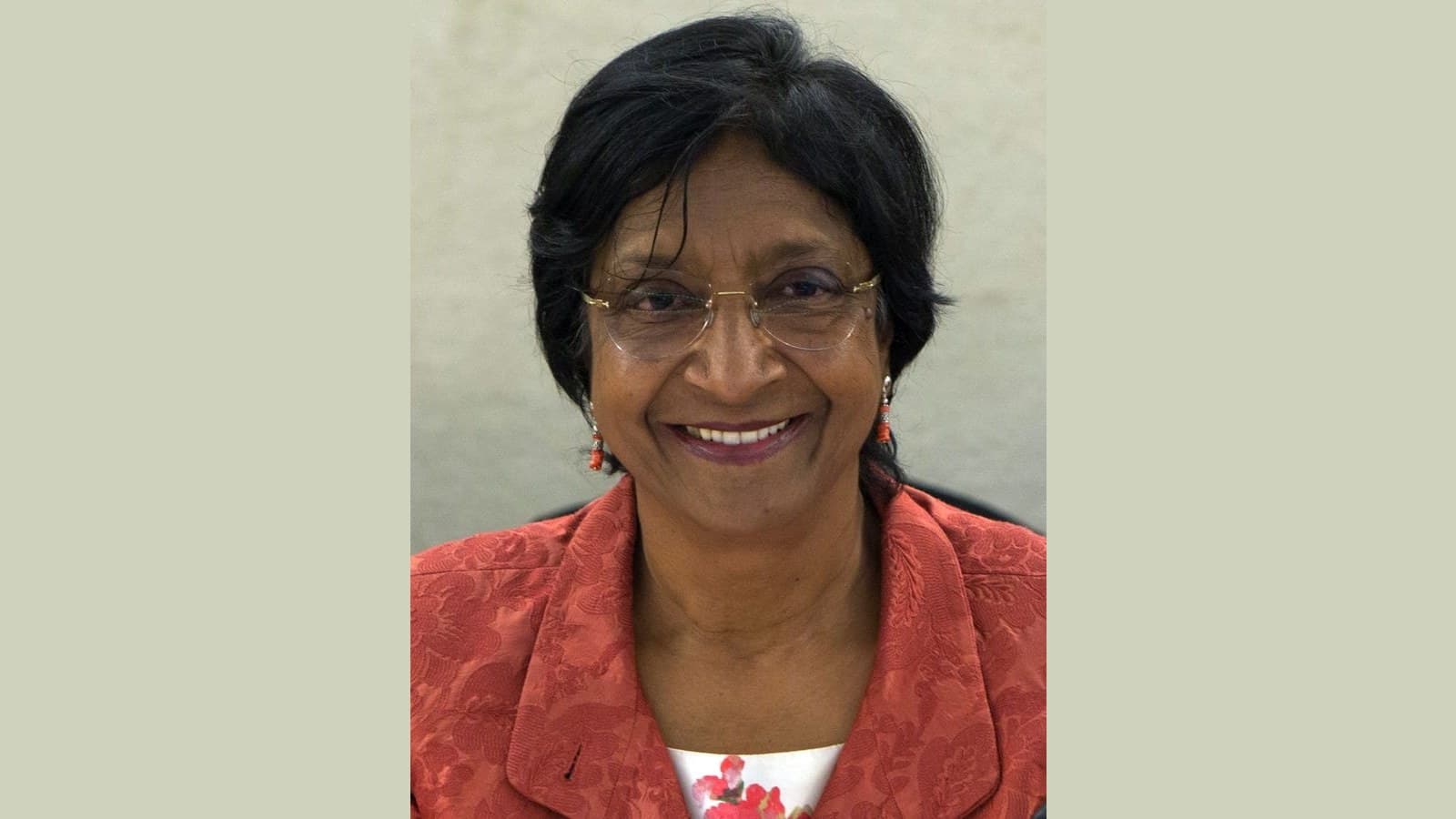
Navi Pillay: the granddaughter of indentured labourers who won the 2026 Nobel Peace Prize
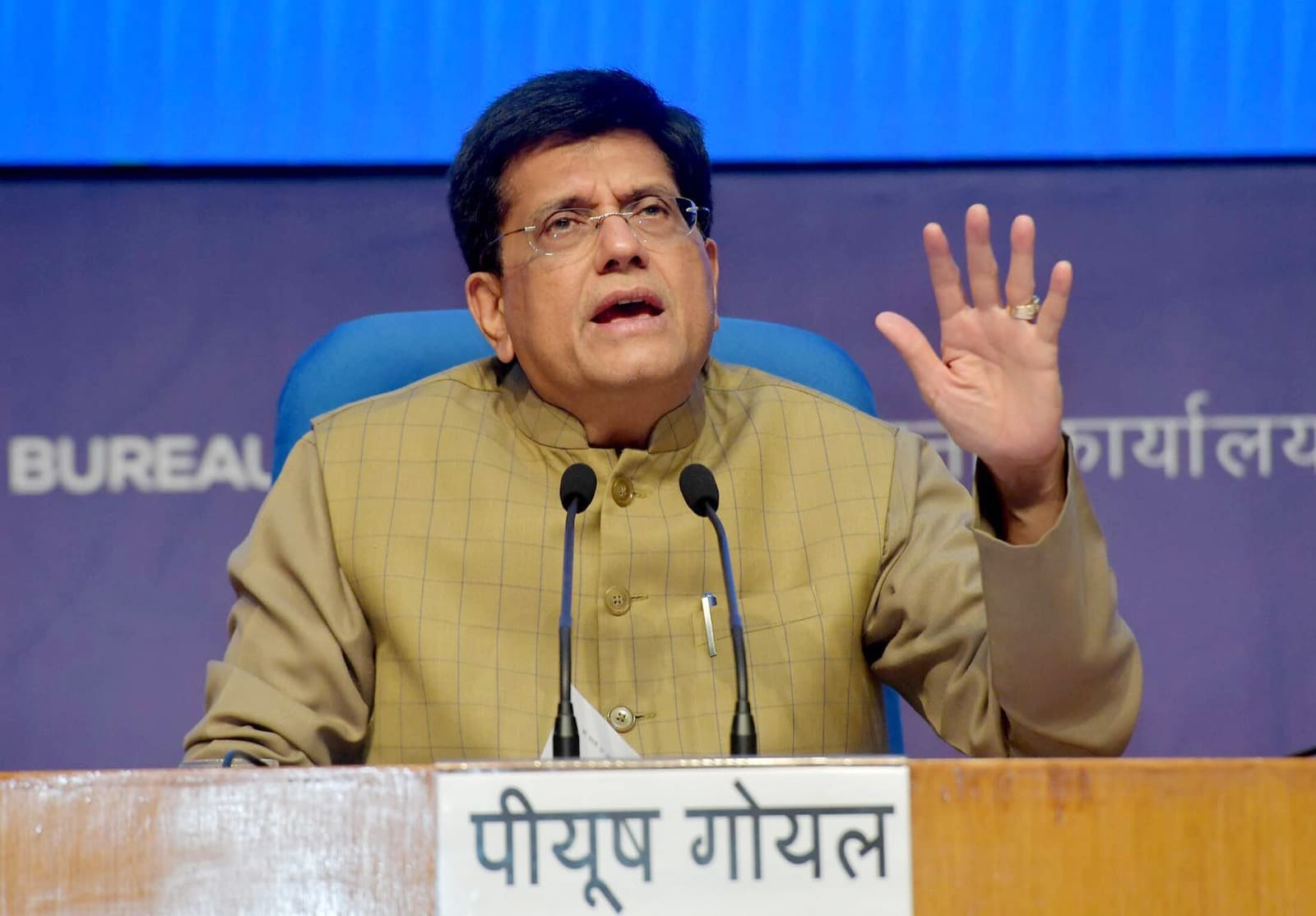
'We're watching your back': India's new diaspora embrace
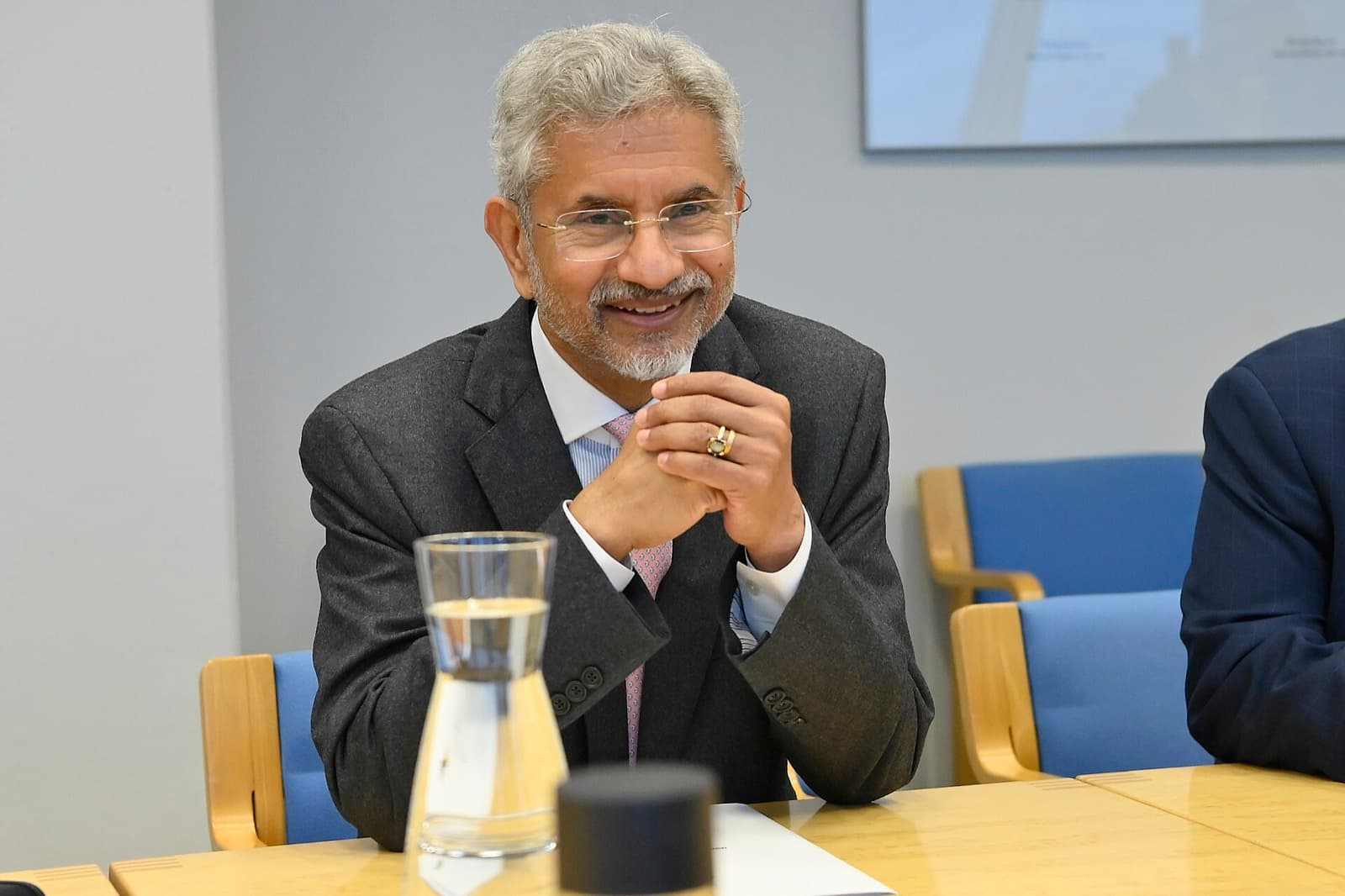
The diaspora's wish list: GOPIO takes its asks to Jaishankar