

Leo Varadkar: the doctor's son who became Ireland's Taoiseach
Part 6 of Power Abroad. The son of a Mumbai-born doctor, Leo Varadkar became Ireland's youngest leader, its first openly gay one, and the first of half-Indian descent - governing a country that in one generation went from banning divorce to electing him.
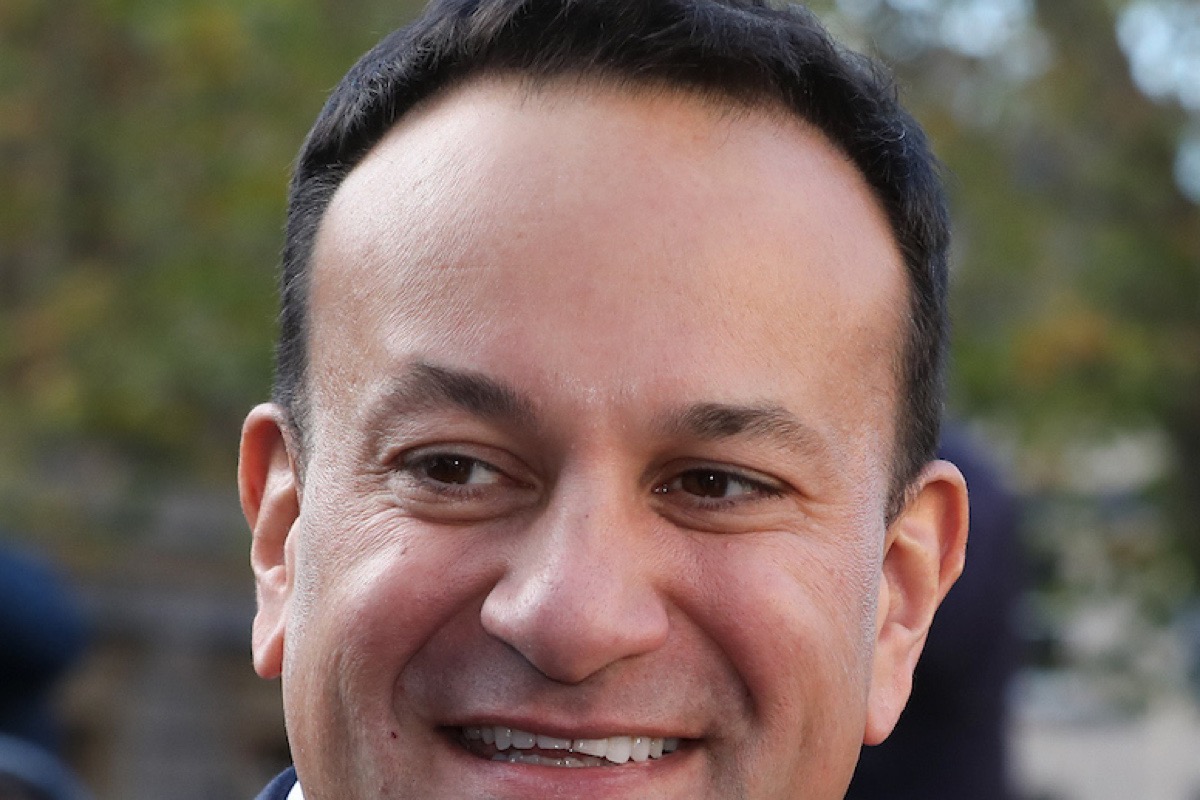
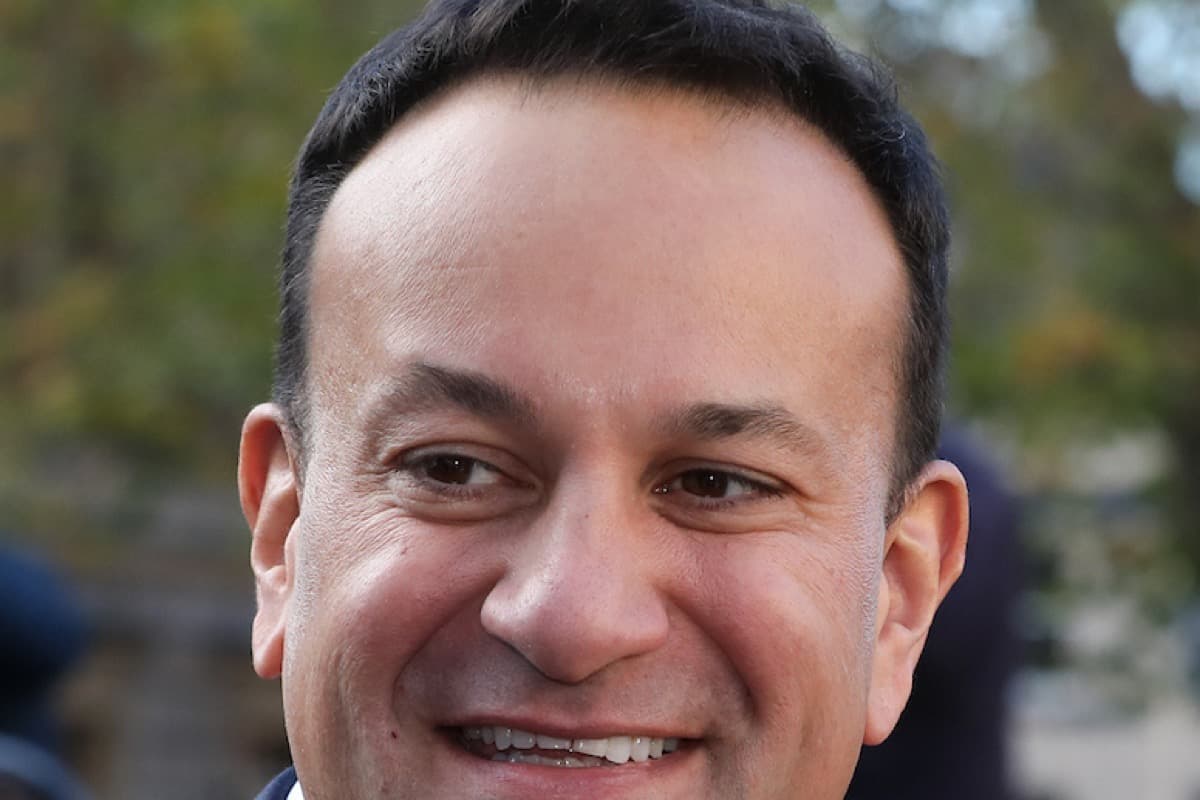
In 2015, on the morning of his 36th birthday, the Irish health minister Leo Varadkar went on national radio and told the country he was gay. Ireland was, at that point, weeks away from becoming the first nation on earth to legalise same-sex marriage by popular vote. Two years later, Varadkar was Taoiseach - Ireland's head of government, its youngest ever, its first openly gay one, and the first of half-Indian descent. For a country that had banned divorce until 1995, it was a remarkable distance to travel in a single generation, and Varadkar's own biography was the emblem of it.
He was born in Dublin, the youngest of three and the only son in what he has called a multiracial family. His father, Ashok Varadkar, was a doctor born and raised in Mumbai who emigrated first to Britain, where he met Leo's mother Miriam, a nurse from Dungarvan in County Waterford. The couple settled in Ireland. The surname - unusual in Dublin - came from Ashok's Maharashtrian roots, and it made Leo, long before he was famous, visibly the son of an immigrant in a country that until recently had produced far more emigrants than it received.
The making of a Taoiseach
Varadkar trained as a doctor, like his father, studying medicine at Trinity College Dublin and working as a GP before politics claimed him full-time. He rose fast through Fine Gael, holding the transport, health and social-protection portfolios, and built a reputation as a blunt, centre-right moderniser. When Enda Kenny stepped down in 2017, Varadkar won the leadership and the office of Taoiseach.
He served two spells in the job - 2017 to 2020, and again from 2022 to 2024 - under a power-sharing rotation with Fianna Fáil's Micheál Martin. His tenures spanned Brexit, in which he became an unexpectedly prominent European figure defending the Irish border, and the COVID-19 pandemic, during which the former doctor briefly re-registered to practise medicine. In March 2024 he resigned, saying he was no longer the best person to lead - an unusually candid exit for a politician still in his forties.
The Brexit years
Varadkar's most consequential period on the world stage came through an accident of geography. When Britain voted to leave the European Union, the hardest question it raised was the border between Northern Ireland and the Republic - and that made the Taoiseach of a country of five million an unexpectedly central figure in the biggest European crisis of the decade. Varadkar held a firm line: there could be no return to a hard border on the island of Ireland, and the EU largely backed him. For a stretch of the negotiations, the son of a Mumbai doctor was one of the faces of Europe's stance against the government in London - a reversal of the old imperial hierarchy that few commentators failed to note.
It cemented a pattern in his politics: a willingness to be blunt, and an instinct for the symbolic weight of his own presence. Standing beside European heads of government, defending a small nation's interests against a far larger neighbour, he embodied both a modern, confident Ireland and the quiet arrival of the Indian diaspora in the councils of Western power.
A symbol he did not seek but did not dodge
Varadkar was always careful not to be reduced to his identity. He was, he insisted, an Irish politician who happened to be gay and happened to have an Indian father, not a gay Indian-Irish politician. But symbols do not ask permission. That the grandson of Maharashtra could lead the Irish government, and that an openly gay man could do so in a once-fiercely-Catholic republic, said something about how fast Ireland had changed - and about how far the Indian diaspora's children had spread. He campaigned for the same-sex marriage and abortion referendums that liberalised Irish law, lending them the weight of his own office and life.
For the Indian diaspora, he sits alongside Rishi Sunak in Britain, Kamala Harris in the United States and António Costa in Brussels: the cohort that, within a few years of each other, reached the actual leadership of Western democracies. Varadkar's version is the most improbable in some ways - not a large, established Indian community behind him, as in Britain, but a single Mumbai doctor who moved to Ireland and raised a son who would run the country.
After office
Since leaving politics, Varadkar has spoken more freely about the immigrant thread in his story, and about being a mixed-race gay man at the top of Irish public life. His father's journey - Mumbai to Britain to a GP's surgery in Dublin - is the quiet, unspectacular kind of migration that rarely makes headlines: no stadium rallies, no diaspora galas, just a doctor and a nurse building a family in a small country far from either of their origins. That it produced a Taoiseach is the point. The Indian diaspora's most consequential story is not always the celebrated one. Sometimes it is one immigrant, one profession, one child - and a nation that, when the moment came, was ready to be led by him.
The referendums that defined him
Varadkar's tenure will be remembered less for any single policy than for the two votes that remade Irish society, both of which he backed with the authority of his office. In 2015, Ireland became the first country to approve same-sex marriage by popular referendum; in 2018, it voted to repeal the constitutional ban on abortion. That an openly gay, half-Indian Taoiseach stood at the head of a government presiding over those changes was not lost on anyone - least of all on a Catholic establishment that, within living memory, would have found each fact scandalous on its own. Varadkar did not create the shift; a generation of Irish voters did. But he embodied it, and in embodying it he showed a watching diaspora that the children of Indian migrants could not only enter Western public life but help redefine the moral character of the nations that received them. That is a different, deeper kind of belonging than a stadium rally can confer.
Continue the series · Power Abroad