


India overhauls the OCI programme: digital cards, wider eligibility, new fines
India carried out its biggest overhaul of the Overseas Citizen of India programme in more than a decade — launching a digital e-OCI card, dropping the six-month residency prerequisite, widening eligibility, and adding a fine for late passport updates.
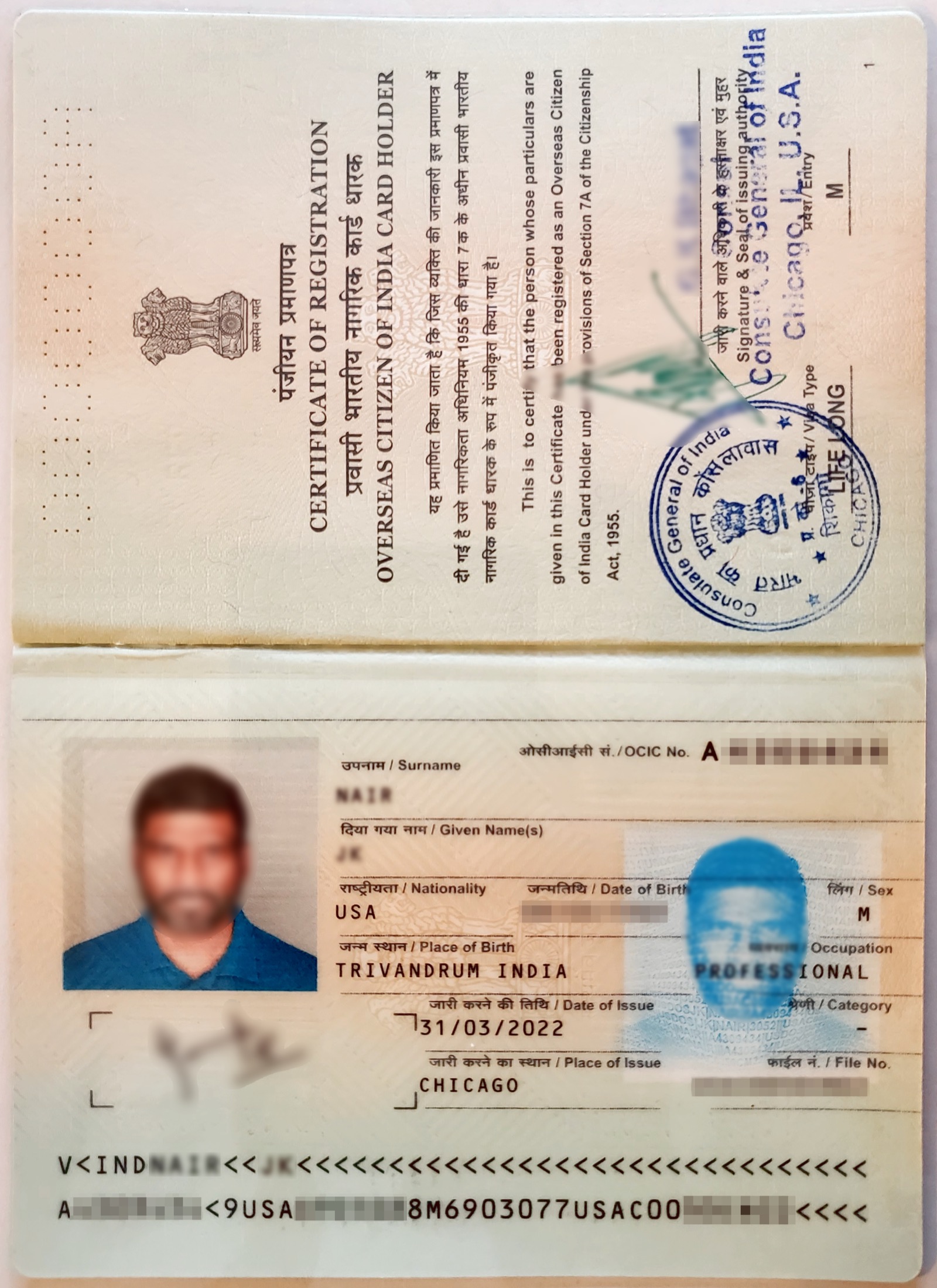
India has carried out the most substantial overhaul of the Overseas Citizen of India (OCI) programme in over a decade, under the Citizenship (Amendment) Rules, 2026.
The headline changes, as summarised by immigration firm Fragomen and reported by VisaHQ:
- A digital e-OCI card. From 6 May 2026, eligible applicants can hold an electronic OCI card; the physical card becomes optional. The application and renewal process moves fully online.
- No more six-month wait. Eligible foreign nationals can now apply for an OCI without first completing six months of stay in India, provided they hold a valid long-term visa and the required documents.
- Wider eligibility. Fifth- and sixth-generation Indian-origin Tamils in Sri Lanka become eligible, up from the previous fourth-generation limit.
- A new fine. Holders who fail to update their passport details on the OCI portal within three months of getting a new passport face a penalty of USD 25 (or the local-currency equivalent).
The direction is clear enough: easier entry to the programme, matched by stricter ongoing compliance. As Fragomen put it, "the days of benign neglect are over." Diaspora cardholders who have long treated OCI as a set-and-forget document will need to keep their portal records current.
Separately, the older PIO card is now fully retired. The conversion window closed on 31 December 2025, and from early 2026 India stopped accepting PIO cards for travel with immediate effect. Former PIO holders who did not convert now need either an OCI card or a regular entry visa to travel to India.
Sources: Fragomen — India's new OCI rules · VisaHQ — India overhauls OCI programme · VisaHQ — India stops accepting PIO cards for travel.
Related from Visas & Law
The $100,000 H-1B fee, one year on: where it stands for Indians

September 2026 US visa bulletin: what Indians should expect from the FY2027 reset

The 'dunki' route: the deadly underside of the migration dream