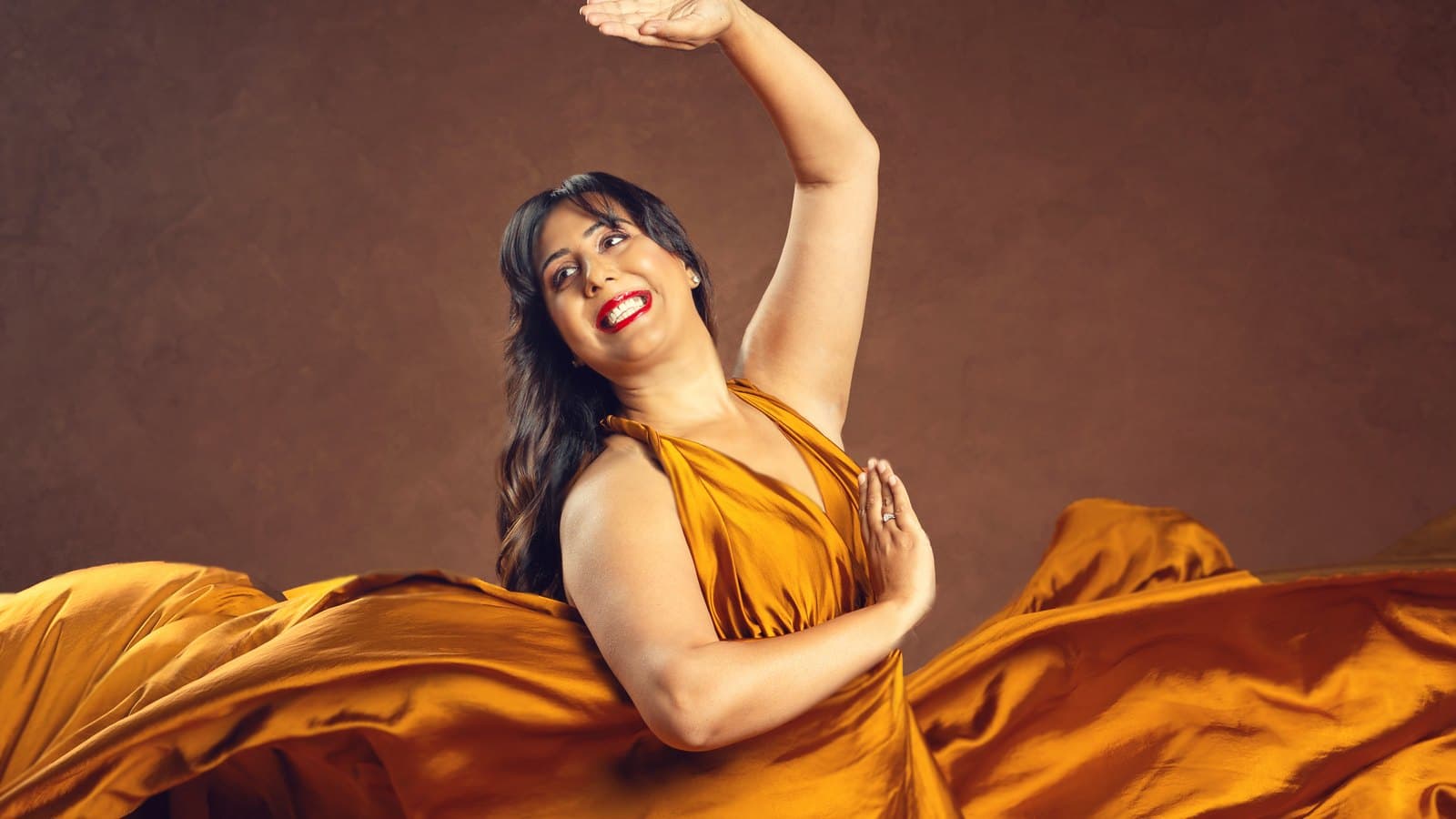


Asmi Aderay, the Hyderabad-to-LA singer who refuses to pick one genre
From Hindustani classical training in Hyderabad to a Berklee stage and the clubs of Los Angeles, Asmi Aderay writes alt-pop that slips between pop-rock, soul and R&B — betting that a distinct voice and an honest song will outlast a neatly labelled sound.
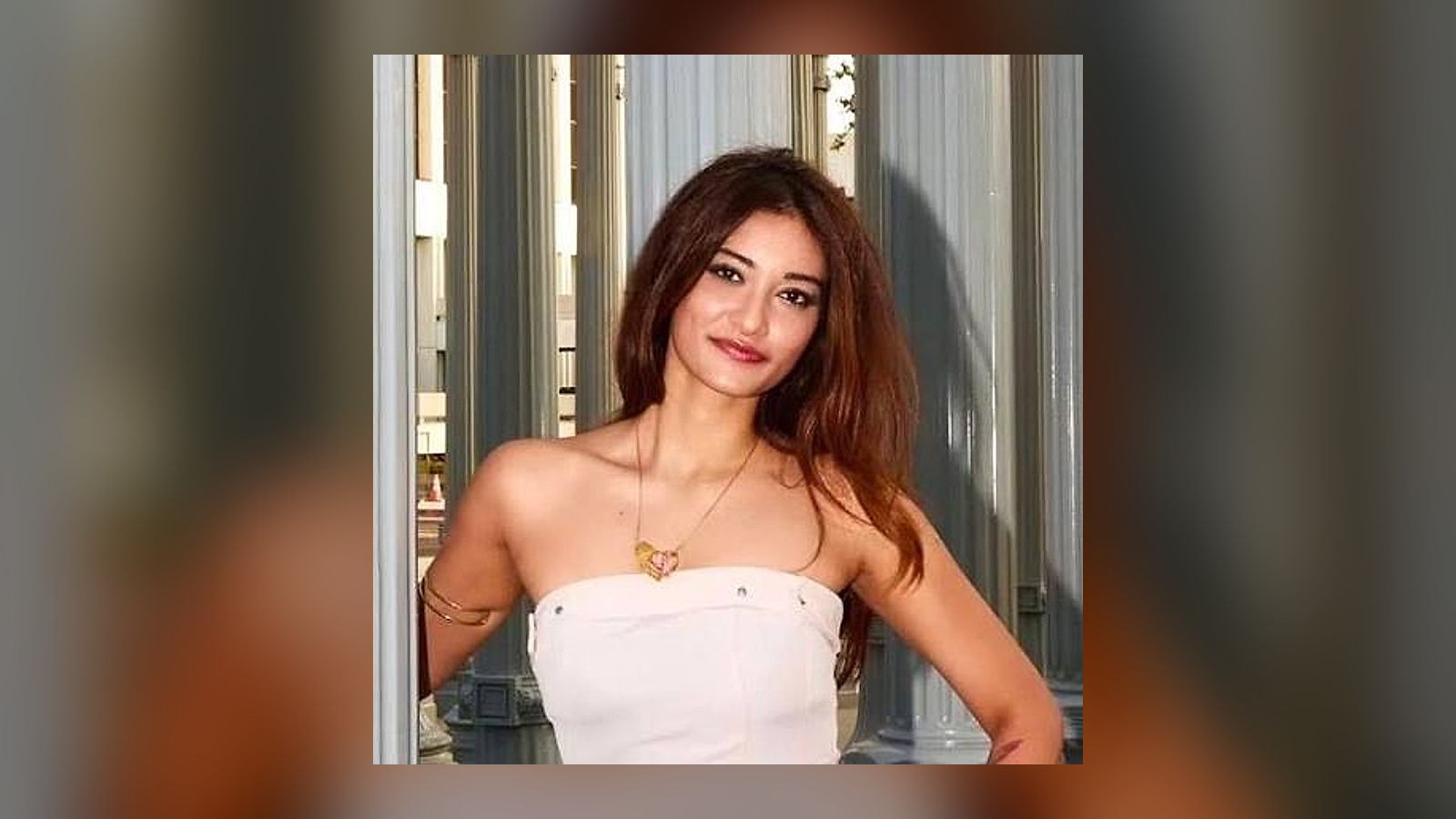
Ask most young artists to describe their sound and they will name a genre. Ask Asmi Aderay and she will talk about a feeling instead. The 21-year-old singer-songwriter, born in India and now based in Los Angeles, writes music that slides between alt-pop, pop-rock, soul and R&B without settling in any one of them — a refusal to be filed that is, increasingly, the point of her work.
It is a path that began a long way from the LA circuit she now plays. Aderay grew up in India, with Hyderabad central to her early years, and her first musical training was in the Indian classical tradition: alongside the school choirs and bands that most performers start in, she studied Hindustani classical singing, the disciplined, raga-based vocal grounding that shapes a very different ear from the Western pop she would later write. By her own account she has been singing since childhood — since the age of five, one music outlet reported ahead of a recent single.
From Hyderabad to Berklee
The move that turned a singer into a songwriter was Berklee College of Music, the Boston conservatory that has trained a long line of contemporary artists. Aderay studied Vocal Performance there, with a minor in Creative Entrepreneurship — the business-of-music track that signals an artist planning to run her own career, not just perform in it. Her time at the college included appearances at student showcases such as Groovalicious and Women Who Rock, and a headline night of her own billed as Asmi Presents: Circle of Love.
Since moving to Los Angeles she has worked the city's live circuit and, according to the music press, opened for the Grammy-nominated vocalist Debo Ray. The influences she names are the big-voiced women of pop — Adele, Whitney Houston, Kelly Clarkson — singers whose appeal rests on power and directness rather than production, which tells you something about where Aderay wants to be heard: in the voice and the words, not the gloss.
The refusal to pick a lane
In an industry that rewards a clearly defined sound — a lane a label can market — Aderay has chosen the harder, and more contemporary, route of alternative pop, the loose category that lets an artist borrow from indie, rock, soul and electronic music without committing to any. She frames the choice as a matter of honesty: the message of a song, she has said, should decide its form, not the other way round. The multicultural ear she grew up with — Hindustani classical on one side, Western pop on the other — makes the border-crossing feel less like a strategy than a native accent.
There is a technical inheritance in that, too. A grounding in Hindustani classical singing trains the ear for microtonal pitch and for ornamentation — the slides and grace notes between the main notes — and builds a control of breath and sustain over years of practice. Those are not pop skills exactly, but they travel: the same command that shapes a raga can shape the long held notes and bent phrases of soul and R&B. A singer with both in her ear simply has more colours to reach for than one raised on pop alone.
That approach only works if the writing underneath it is strong, and Aderay's songs are built on plain emotional storytelling rather than spectacle. She began writing at 18, and her subjects are familiar but pointed: modern love, heartbreak, self-worth, and the resolve to walk away from less than you deserve.
"I'm That Woman," and the songs around it
The clearest statement of that theme is her single I'm That Woman. "'I'm That Woman' was written as a reflection on confidence in love," Aderay told EARMILK. "It's about recognising your own value in a relationship and knowing that your presence, care, and emotional understanding are powerful qualities." We covered the single's release here.
It sits within a run of releases that circle the same idea from different angles. Someone Real takes a firm position against settling for temporary affection; Leaving, Still Wanting You sits in the harder place of choosing to walk away while the feelings are still there. Other tracks — Still, I AM, Confess to Me, My Version of You — extend a body of work that, taken together, reads less like a collection of break-up songs than an argument for self-respect.
Quiet offstage, different under the lights
Aderay describes herself as fairly quiet and reserved in day-to-day life, and says something shifts when she steps on stage — that performing lets her become more expressive and sure of herself than she otherwise is. It is a common enough thing for singers to say, but she means it as a working method: she has been consistent that the point is to perform her own songs in front of a live audience, not simply to release them into the streaming void. Her stated direction now is toward independent music, personal storytelling and live performance, and what her profile calls redefining romance on her own terms — feeling deeply without losing herself in the process.
An Indian voice in American pop
Aderay belongs to a small but growing group of Indian-origin artists making their way in Western pop on their own songs rather than as crossover novelties — musicians who carry a classical or subcontinental musical grounding into rooms that have not historically expected it. For the diaspora, that shift matters: it widens the range of what an Indian artist abroad is allowed to be, from the familiar Bollywood-playback or fusion lanes to the ordinary, hard-won status of a working singer-songwriter with something to say.
Whether Aderay breaks through is, like every emerging artist's, an open question. But the wager she is making — that a distinct voice and an honest song will outlast a neatly labelled sound — is a clear one, and it is the same wager the best of her influences once made. From Hyderabad to a Berklee stage to the clubs of Los Angeles, she is betting on the version of herself that will not fit in one box.
Read our earlier coverage: Asmi Aderay's rising profile and her single “I'm That Woman”.