


The diaspora's game: how Indians took cricket to America, Canada and the Gulf
A record 34,500 packed a Long Island field for India–Pakistan in 2024. From Major League Cricket to the UAE's ILT20, the Indian diaspora is turning cricket into a global business, far from home.
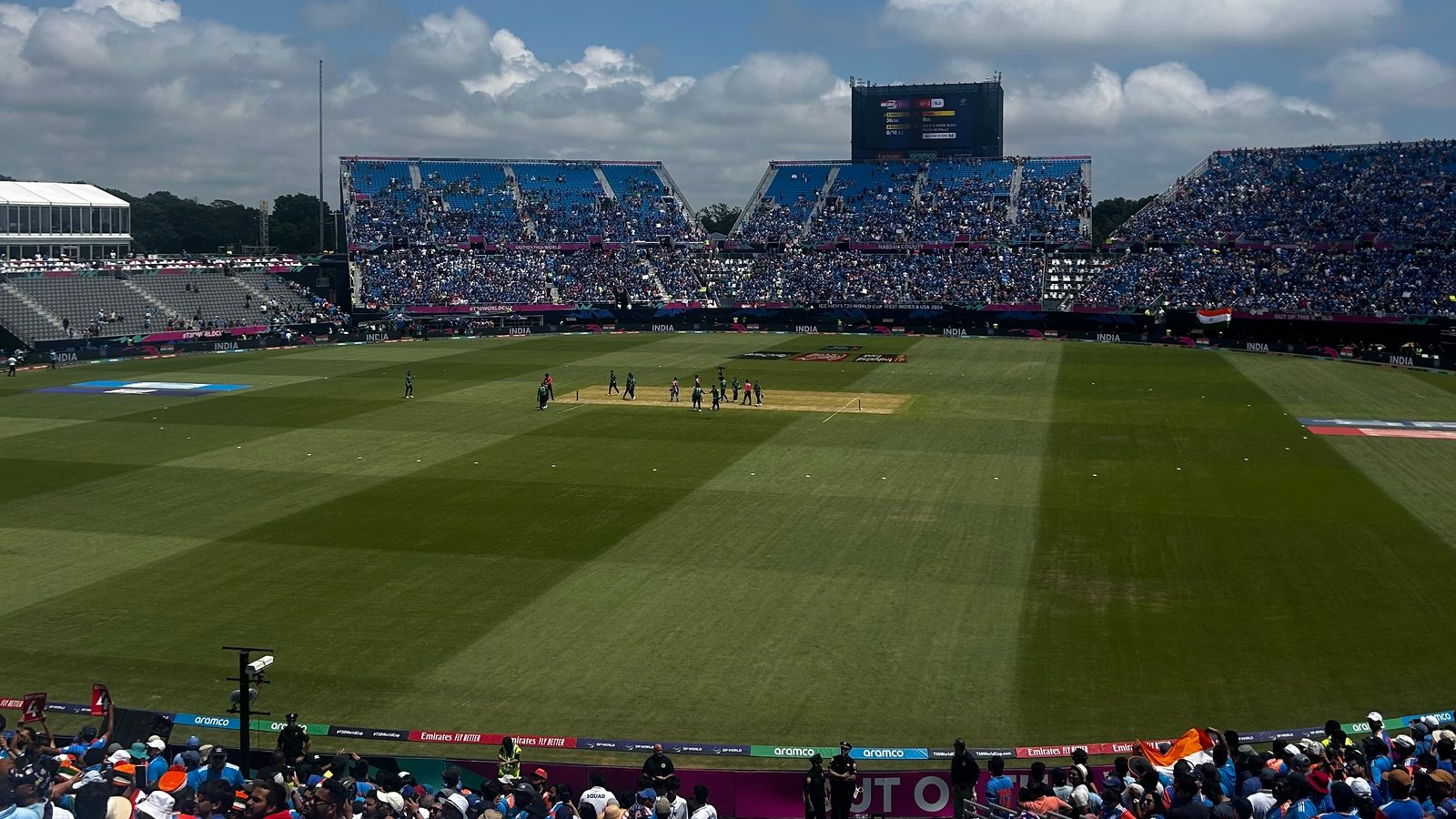
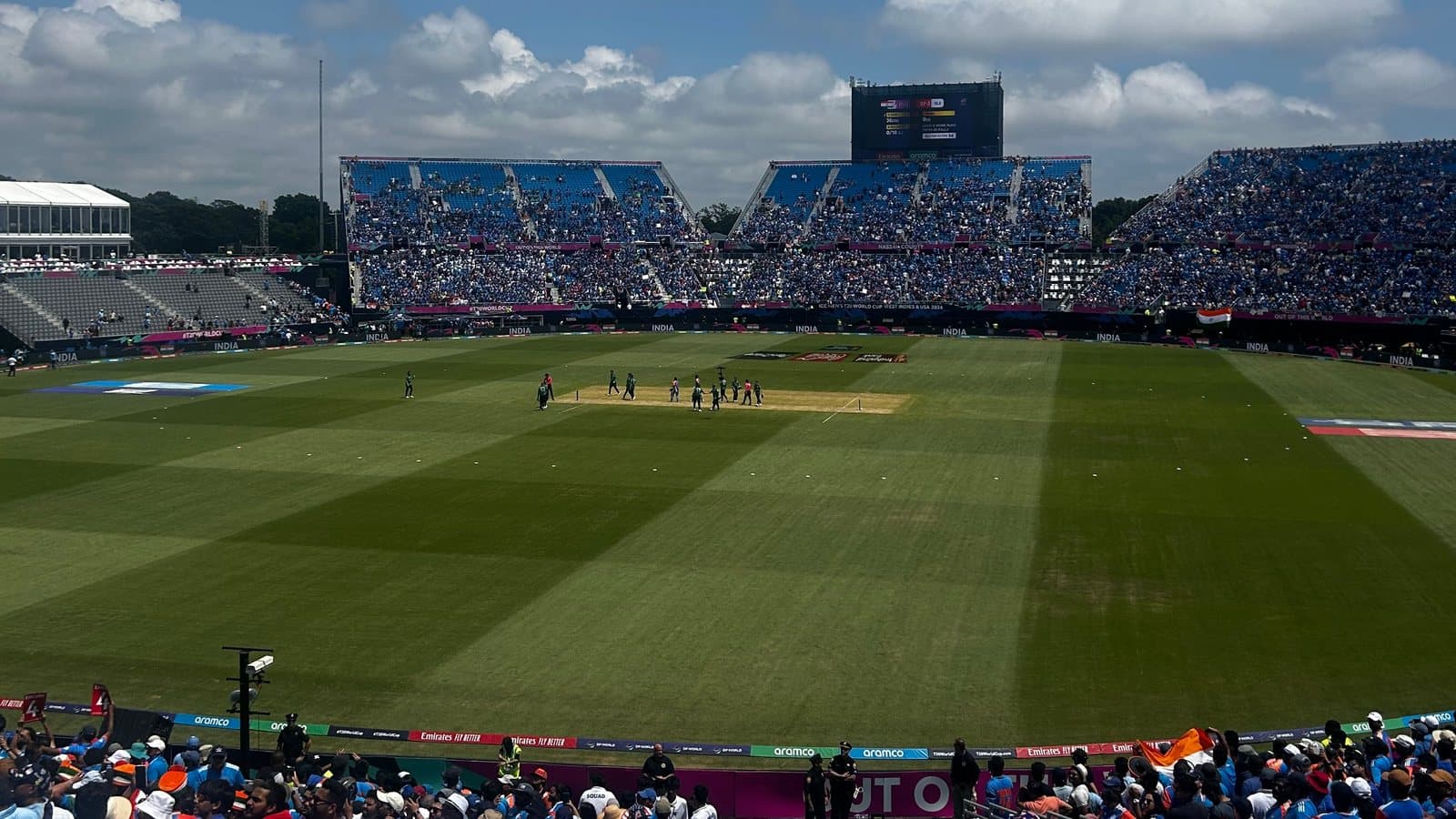
On 9 June 2024, a temporary stadium on a Long Island park held the largest crowd ever to watch a cricket match in the United States: 34,500 people, most of them Indian, roaring through an India–Pakistan game in a country that barely knows the sport exists. The ground — the Nassau County International Cricket Stadium, built in Eisenhower Park and dismantled weeks later — was proof of a quiet takeover. The colonial game Britain carried to India is now being carried onward, into the West, by India's diaspora.
The World Cup that came to Long Island
The 2024 ICC Men's T20 World Cup was co-hosted by the United States and the West Indies — a deliberate bet by cricket's governing body on the American market. New York got eight matches because the metropolitan area is home to the largest Indian population of any metro outside Asia, and the demand was real: India–Pakistan tickets became some of the hardest in world sport to get.
The host nation's own team told the story of who plays cricket in America. Of the 15 men in the United States squad, ten were of South Asian origin. They were not imports flown in for the tournament; they were the products of a diaspora that had kept the game alive on weekend fields in New Jersey and Texas and California for decades. And they stunned the world by beating Pakistan in a Super Over — the tournament's biggest upset, and for the diaspora in the stands, a vindication decades in the making.
Major League Cricket: the business bet
The World Cup was a moment. The bet behind it is Major League Cricket, a franchise T20 league launched in 2023 with six city teams and a purpose-built stadium in Grand Prairie, Texas. Its backers read the market precisely: several MLC franchises are bankrolled by the owners of Indian Premier League teams, betting that a US league built for 4.4 million Indian Americans — a community that grew by 40 per cent in seven years — can become the sport's next frontier.
It is the same logic that built the corner shop and the temple in every diaspora before it: a community with money, a hunger for home, and an institution it wants to raise in the new country. Cricket is simply the latest.
The Gulf's league, and Canada's
America is not the only new cricket economy the diaspora is powering. In the United Arab Emirates — where South Asians vastly outnumber locals — the International League T20 launched in January 2023 and quickly became one of the richest T20 competitions in the world, pulling the game's biggest names to Dubai and Abu Dhabi in front of expat crowds who grew up on it. Cricket is the default sport of the Gulf's Indian and Pakistani millions, and the money followed the people.
Canada has its own version. Global T20 Canada, first played in 2018, is centred on Brampton, Ontario — one of the densest Indo-Canadian communities anywhere — where the cricket grounds fill on summer weekends the way ice rinks fill in winter.
Before the leagues, the weekend game
None of the franchises came from nowhere. For decades before Major League Cricket had a stadium, the diaspora played on borrowed ground — public parks in Edison and Jersey City, matting pitches in Toronto suburbs, hired grounds in Sharjah — in immigrant clubs that were half sports team and half community centre. Sharjah, in fact, hosted marquee India–Pakistan matches through the 1980s and 1990s, decades before the Gulf's current leagues, because the crowd was already there. The professional game of the 2020s sits on top of that grassroots layer: the men now filling franchise squads learned to bat and bowl on those weekend maidans.
Playing for other flags
The diaspora supplies players, not just crowds. Across world cricket's "Associate" nations — the United States, Canada, the UAE and others chasing a place at the top table — squads are thick with Indian-origin names: engineers and IT workers by week, international cricketers by weekend. For a talented player who could never crack India's brutally competitive national side, a diaspora passport can be the route to a World Cup after all.
The soft-power game
For India, the export carries an upside beyond nostalgia. Cricket is one of the country's most effective instruments of soft power, and a diaspora that fills American and Gulf stadiums — and buys the television subscriptions that fund the sport — extends India's cultural reach into markets where its films and food are already working. The ICC's push into the United States and the IPL owners' bets on overseas leagues are, in part, a wager that the Indian diaspora can globalise cricket the way earlier migrants globalised the Indian restaurant.
What it means
Put together, these leagues are a map of the modern Indian diaspora drawn in cricket pitches: New York and Dallas, Dubai and Abu Dhabi, Brampton and Toronto. Wherever the diaspora has settled in numbers, it has built the game — first informally, on borrowed fields, then formally, with franchises and floodlights and television deals.
None of it is guaranteed to last. American cricket infrastructure is still thin, the leagues are young and some are fragile, and the sport must win an audience beyond the diaspora to become more than a homesickness business. Cricket's American dream is a bet, not a certainty.
But the demand is not in doubt. Thirty-four thousand people did not fill a field on Long Island because a marketing department told them to; they came because the game is theirs, and they carried it with them the way earlier migrants carried recipes and prayers. Britain took cricket to India in the nineteenth century. In the twenty-first, India's diaspora is taking it to America — and turning a colonial inheritance into a global business of its own.
The diaspora exports more than sport: read how Indian-origin singers reached the world's biggest stages. And on the vast Indian community that made the Gulf a cricket economy, see our Gulf NRI money guide.
Related from Culture

Robin Leo Hoffmann: the German who went looking for an Aghori — and found a way to live

Captain Smit Machchhar: the Mumbai pilot who saved 174 on a Tel Aviv flight
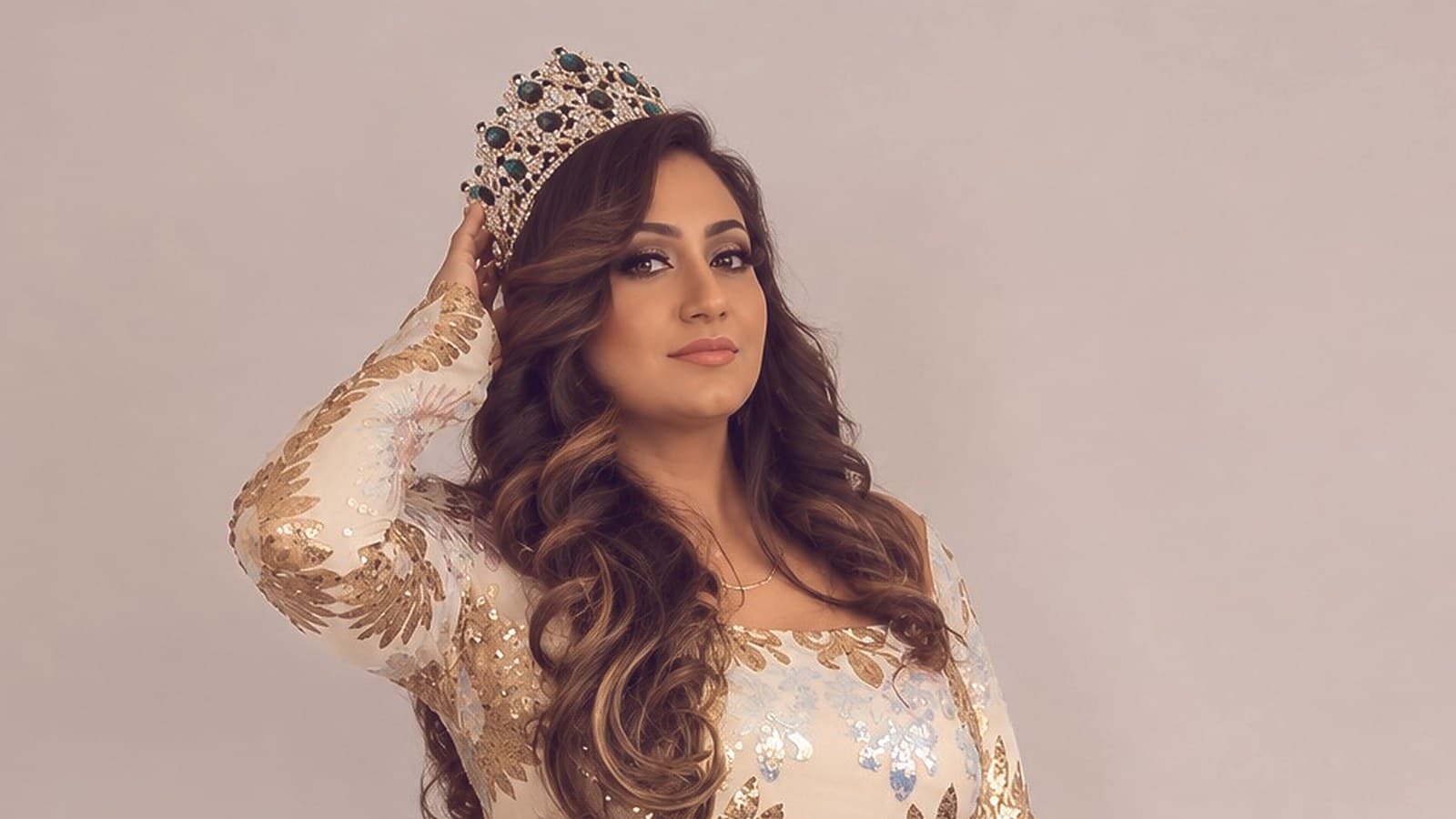
Ashina Singh: three countries, one crown