


Hollywood's Indians: from Irrfan and Dev Patel to Priyanka Chopra and Mindy Kaling
For decades, Indian faces in Hollywood played cab drivers and terrorists. A crossover generation — Irrfan Khan, Dev Patel, Priyanka Chopra, Mindy Kaling, Aziz Ansari — turned that into leads, Oscars and authorship.
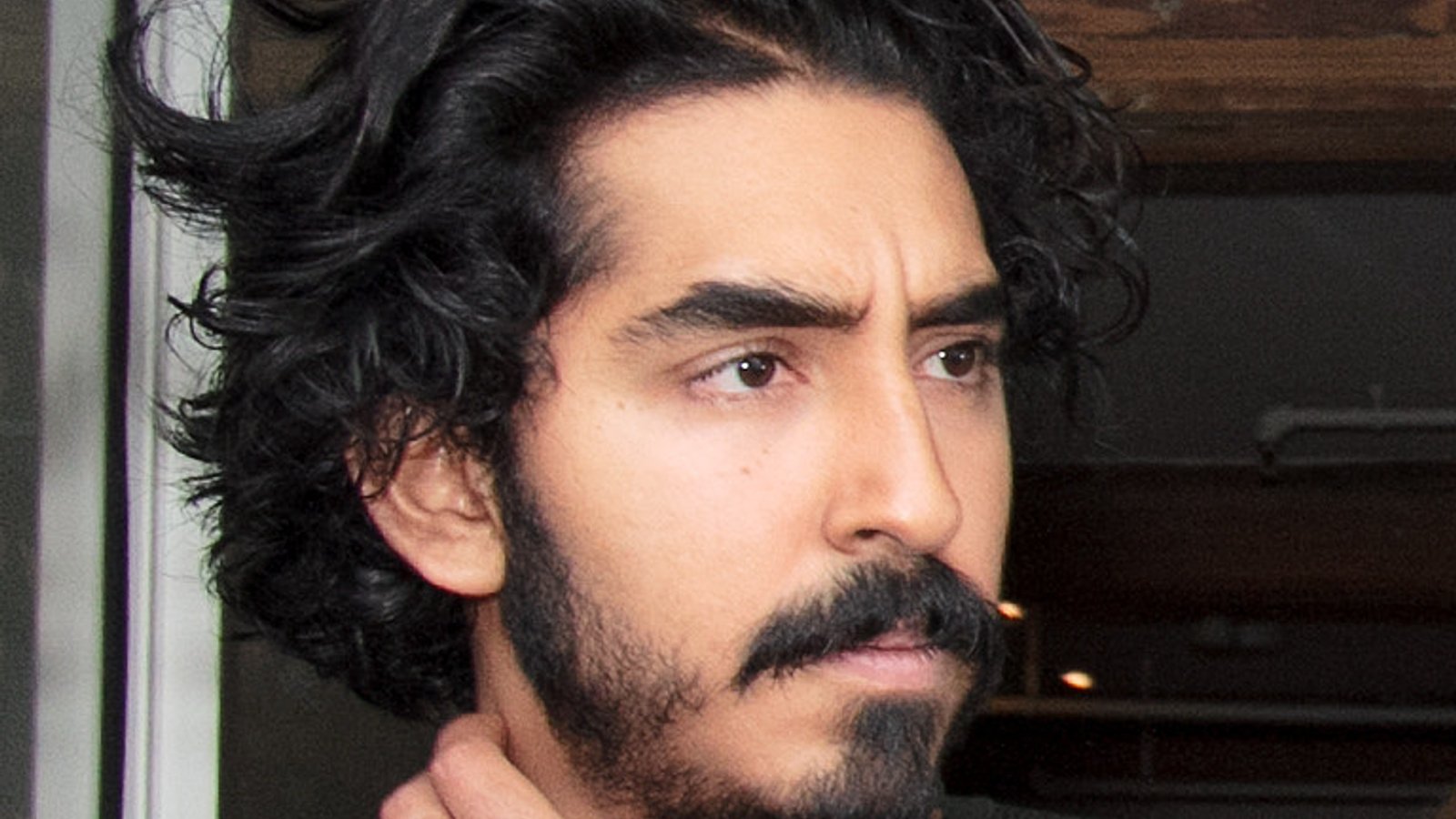
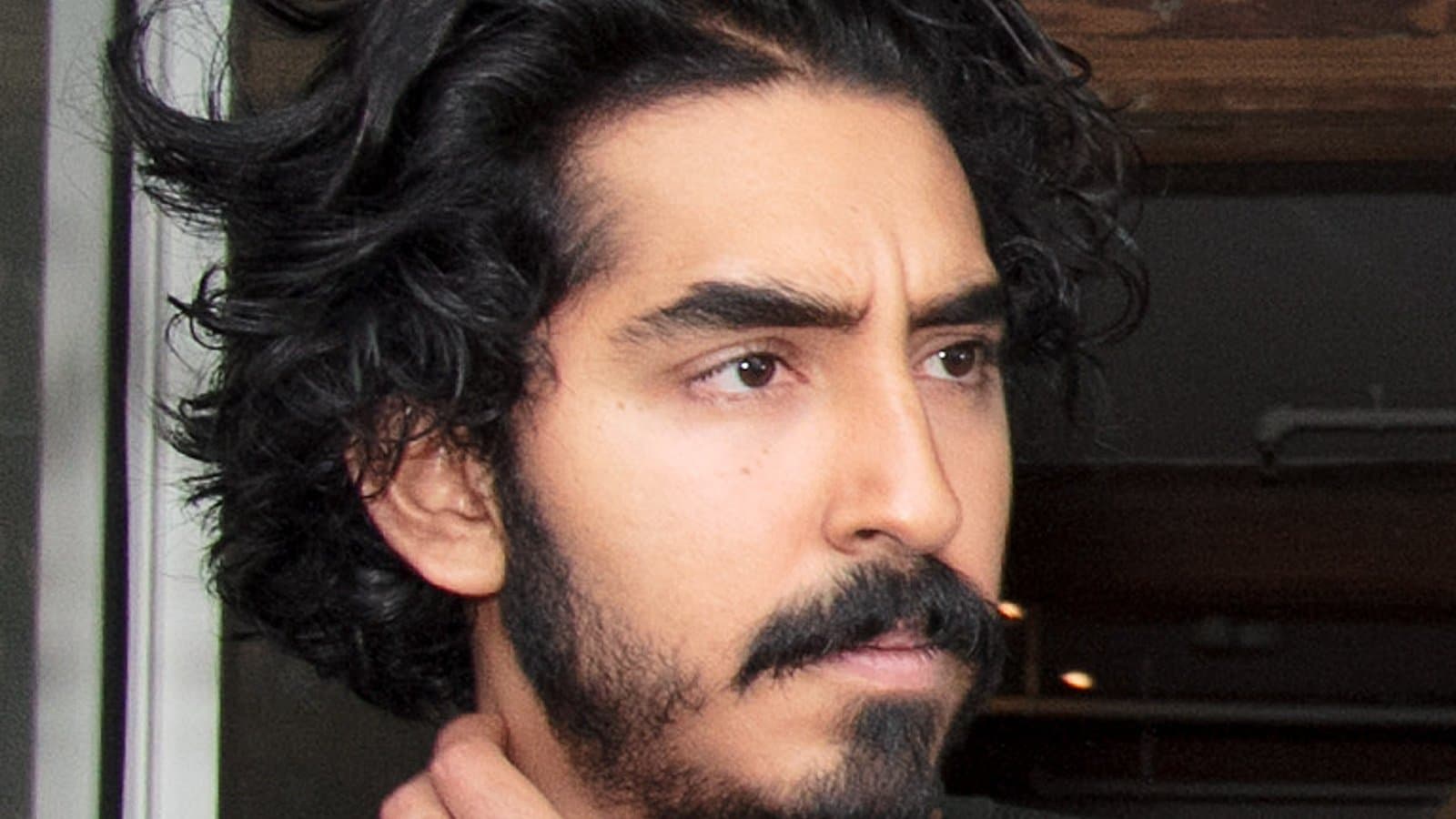
For most of Hollywood's history, an Indian face on screen meant a bit part: the cab driver, the corner-shop owner, the software engineer, the terrorist. The Indian was scenery in someone else's story. The generation that changed that did not just get better parts — some of them stopped waiting to be cast at all, and wrote their own.
The years of the cab driver
To see the change, remember what came before. For most of the twentieth century the Indian in Western film was a costume: Peter Sellers browning his face to play a bumbling Indian actor in The Party (1968), the accent that existed only to be laughed at, the endless bit parts as cab drivers, shopkeepers and, after 2001, terrorists. When Kal Penn played a weed-smoking American college kid in Harold & Kumar Go to White Castle (2004), the novelty was simply that an Indian character got to be an ordinary, funny, flawed young man rather than a punchline or a threat. That was the low bar the next generation had to clear.
The Oscar that hid its Indian name
There was one towering exception, and it came early. In 1982 — a full generation before Slumdog — an actor of Indian descent won the Academy Award for Best Actor, for playing Mohandas Gandhi in Richard Attenborough's Gandhi. The name on the credits was Ben Kingsley. He had been born Krishna Pandit Bhanji, in Yorkshire in 1943, the son of a Gujarati-origin doctor whose family had crossed from India to East Africa to England — and he had taken an English stage name because, by his own account, he feared "Bhanji" would cost him work in a prejudiced industry. It was a triumph and a compromise at once: Indian heritage reached the very top of Hollywood decades ahead of the crossover generation, but only, in 1982, by leaving the Indian name at the door. It is the quiet irony beneath everything that followed — the ones who came after would win with their own names on the poster. (Read his story in our Hall of Fame.)
The character actor who crossed over
Irrfan Khan was the bridge. A star in India, he became the great crossover character actor of his era, moving between worlds without leaving either: Mira Nair's The Namesake (2006), Slumdog Millionaire (2008), Life of Pi (2012), The Amazing Spider-Man, Jurassic World and Dan Brown's Inferno. He never relocated to Hollywood; he commuted to it, and lent it a gravity it had rarely given Indian actors. When he died in 2020, the mourning was global — a measure of how far he had carried the door open.
The boy from the game show
Dev Patel's arrival was almost accidental. A British-Indian teenager from a London game show, he was cast as the lead in Danny Boyle's Slumdog Millionaire (2008), which won eight Academy Awards. For a while he risked being typecast, until Lion (2016) — the true story of a lost Indian boy who finds his birth family through Google Earth — earned him a nomination for the Academy Award for Best Supporting Actor. In 2024 he directed his own film, Monkey Man. He had gone from being discovered to doing the discovering.
The global brand
Priyanka Chopra took the opposite route — a Bollywood superstar who set out, deliberately, to conquer American television. Crowned Miss World in 2000, she was already one of India's biggest stars when she headlined Quantico (2015), becoming one of the first South Asian actors to lead a major American network drama. Baywatch, The White Tiger, the Amazon series Citadel and a relentless presence on the global red carpet followed. She built something no Indian actor had held before: a genuinely worldwide celebrity brand.
The authors
The deepest shift, though, was not on screen but behind the camera. Mindy Kaling began as a writer and performer on The Office, then created and starred in The Mindy Project — becoming the first South Asian woman to create and headline an American network sitcom — before making Never Have I Ever, a comedy about a Tamil-American teenager, one of Netflix's hits. Aziz Ansari, after Parks and Recreation, created and starred in Master of None, winning a Golden Globe and two Emmys for a series drawn straight from the second-generation experience. Kal Penn moved from Harold & Kumar to the Obama White House and back; M. Night Shyamalan built a directing career on his own name.
The pattern is the point. Kaling and Ansari did not petition Hollywood for better Indian roles. They wrote the roles, cast themselves, and told the diaspora's story on their own terms. Representation had become authorship. The leap was generational: from hoping to be seen, to deciding how you would be seen — and, in Kaling's and Ansari's case, owning the camera that did the seeing.
The depth now
What was once a handful of names is now a field. Simone Ashley, a British actor of Tamil descent, became a romantic lead in Bridgerton (2022) — a role that a decade earlier would never have gone to a brown woman — with Charithra Chandran alongside her. Indian-origin performers and writers now appear across prestige television, animation and blockbusters, no longer the token but the star, the love interest, the showrunner. The significance is less any single casting than the ordinariness they have won: the Indian face on the American or British screen is no longer an event that has to be explained.
Two homes at once
What most distinguishes this generation from the crossovers of the past is that they no longer have to choose. Priyanka Chopra works in Mumbai and Los Angeles in the same year; Irrfan Khan never gave up his Indian career; a young British-Indian actor can move between a Hollywood franchise, a British drama and an Indian streaming series without the moves cancelling one another out. The diaspora performer's double identity — once a limitation that got you cast as nobody's idea of a lead — has become an asset, a passport to two of the world's largest entertainment industries at once.
Standing on the auteurs' shoulders
None of it came from nowhere. The door these stars walked through as leads was pushed open, a generation earlier, by the diaspora directors — Mira Nair, Deepa Mehta, Gurinder Chadha — who had insisted the Indian immigrant was a subject worth a serious film (Part 2). What the auteurs made possible in the art house, this generation made mainstream: the Indian face not at the edge of the American story, but at the centre of it, and increasingly writing it. The measure of the distance travelled is simple. The child who once saw only a cab driver or a terrorist who looked like her now sees a lead, a creator, an Oscar nominee — and, more and more, does not find that remarkable at all. Ordinariness, in the end, was the victory.
Part 4 of The Diaspora Screen*. Another diaspora art form that reached the world's biggest stages: Indian-origin singers.*
Continue the series · The Diaspora Screen
Related from Culture

Robin Leo Hoffmann: the German who went looking for an Aghori — and found a way to live

Captain Smit Machchhar: the Mumbai pilot who saved 174 on a Tel Aviv flight

Ashina Singh: three countries, one crown