

António Costa: from a Goan family to the top of Europe
Part 5 of Power Abroad. The son of a Goan writer, António Costa governed Portugal for nearly a decade and now presides over the European Council - the first person of colour to hold one of the EU's top jobs, and an overseas citizen of India who has never hidden where his name comes from.
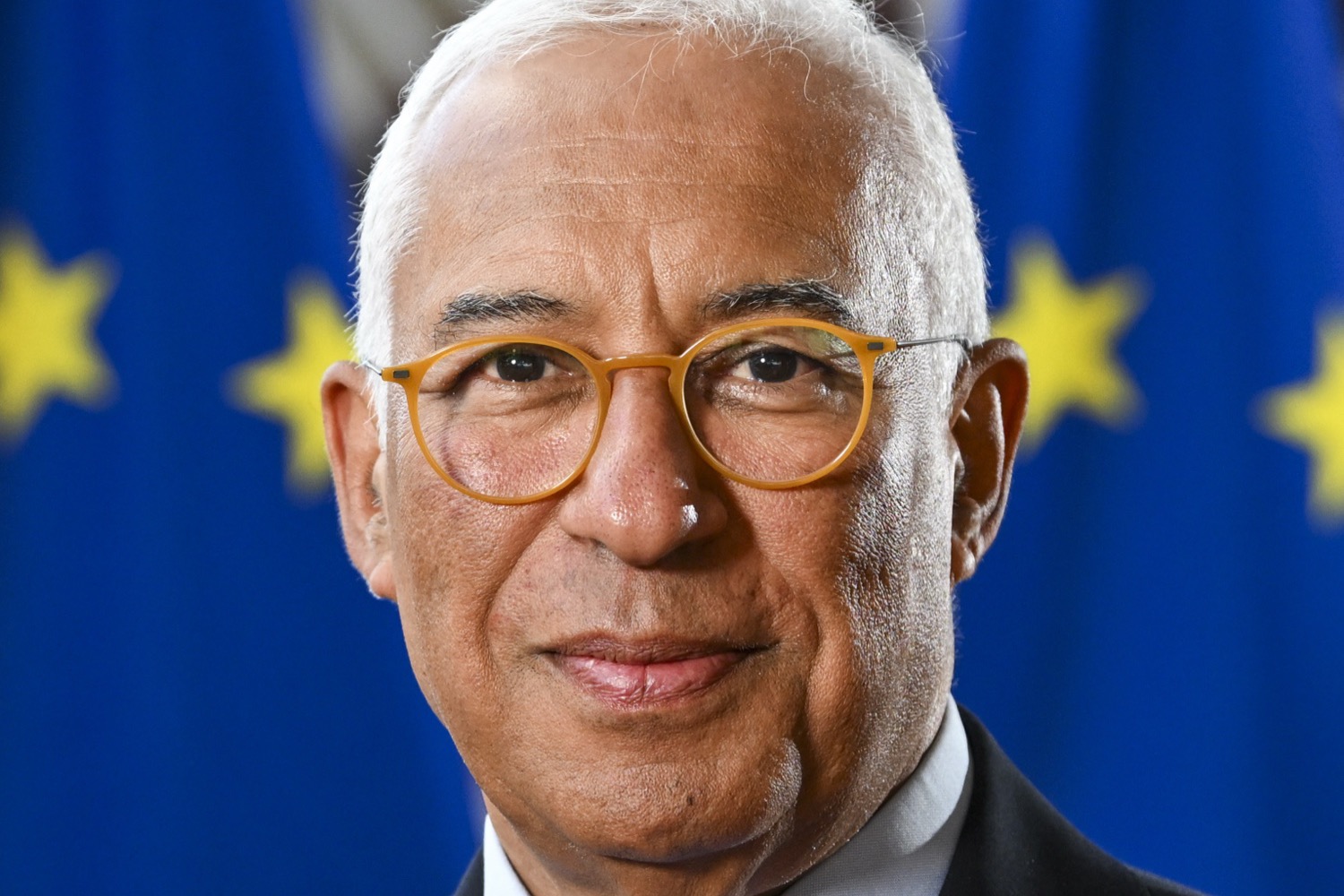
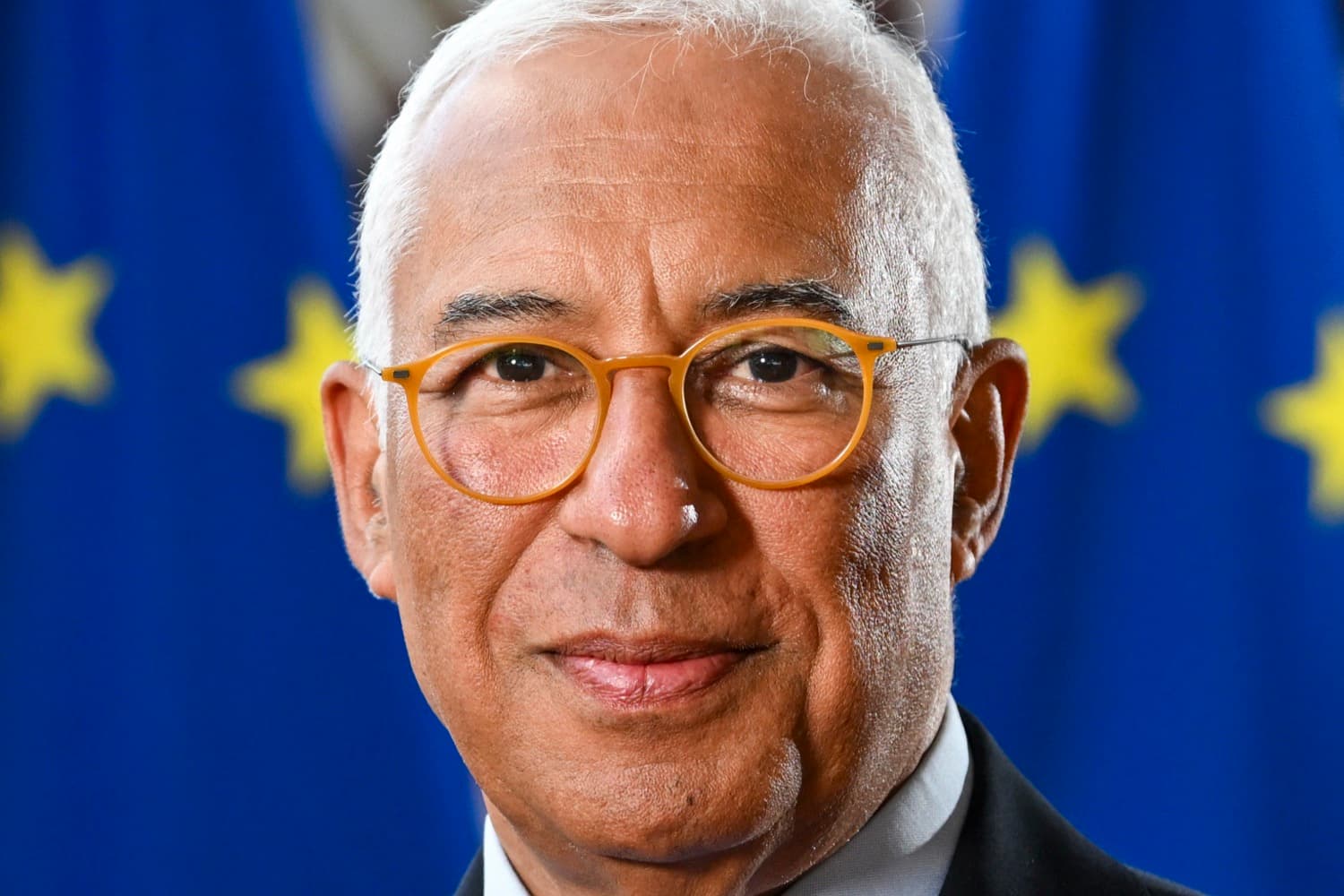
When António Costa took the presidency of the European Council in December 2024, the Indian diaspora noticed something the European press mostly did not: one of the three or four most powerful offices in the European Union was now held by a man who carries an Overseas Citizen of India card. "I am an overseas Indian citizen," Costa has said, plainly, of a heritage he has never treated as incidental.
Costa was born in Lisbon on 17 July 1961, but his surname travelled a long way to get there. His father, Orlando da Costa, was a celebrated Portuguese writer whose family came from Margão, in Goa - the Indian territory Portugal ruled for four and a half centuries. That makes António Costa a Goan Catholic on his father's side, part of the particular diaspora that Portuguese colonialism created: Indians by ancestry, Portuguese by language and faith, scattered across Lisbon, Mozambique and beyond.
The long climb
Costa's rise was not meteoric; it was patient, the career of a man who spent decades inside a party rather than bursting in from outside. He served as Mayor of Lisbon from 2007 to 2015, remaking the capital around tourism and infrastructure, before becoming Prime Minister of Portugal in 2015. There he pulled off something the rest of austerity-era Europe watched closely: leading a Socialist government that governed with the support of the radical left and the Communists - the arrangement Portuguese politics nicknamed the geringonça, the "contraption" - while steering the country out of its post-bailout misery. He won re-election, and for the better part of a decade he was one of the European centre-left's most durable survivors.
The end was messier than the ascent. In November 2023 Costa resigned after prosecutors opened an investigation touching members of his government over lithium and green-hydrogen projects; he stayed on in a caretaker role until April 2024, when Luís Montenegro succeeded him. Costa himself was not charged, and within months Europe's leaders handed him the European Council presidency regardless - a vote of confidence that doubled as a second act.
The writer's son
To understand how deep the Goan thread runs, look at Costa's father. Orlando da Costa was not a footnote but a figure in his own right - a Portuguese novelist and poet whose work drew on the Goa his family came from, written in the years of the Salazar dictatorship that he opposed. Costa grew up, in other words, in a Lisbon household where Goa was not a forgotten origin but a living literary subject, and where opposition to authoritarian Portugal was a family value. It is not hard to trace a line from that upbringing to the son's long career on the Portuguese left.
That inheritance also complicates the easy diaspora label. Costa is not the child of economic migrants who left India for opportunity; he is the descendant of a Catholic Goan family formed by five centuries of Portuguese rule, for whom Lisbon was always, in a sense, the metropole. His Indianness is real - the OCI card is not a stunt - but it is Indianness refracted through empire, Catholicism and the Portuguese language. The diaspora contains that too.
What the office means
The European Council president chairs the summits where the EU's heads of state and government set the bloc's direction. It is a job of chairing, brokering and cajoling twenty-seven national leaders toward common positions - less command than choreography. For the first time, that chair is held by a person of colour, and by someone whose family story runs back to a small town in Goa.
For the Indian diaspora, Costa belongs in the same frame as Rishi Sunak and Kamala Harris: proof that the children and grandchildren of the Indian world are now reaching the actual summits of Western power, not its antechambers. But Costa's case has a distinct flavour. His Indian connection is not the recent migration of the twentieth century; it is the older, stranger inheritance of Portuguese Goa - Catholic, Lusophone, five centuries deep. He is a reminder that the Indian diaspora is not one story but many, and that some of its branches were carried abroad by empires that no longer exist.
The India tie, kept warm
Costa has not let the connection lapse into biography. He accepted Overseas Citizen of India status in 2017, and India has courted him in turn - he was named a chief guest for India's Republic Day in 2026, the ceremonial honour New Delhi reserves for partners it wishes to flatter and bind closer. With the EU and India inching toward a long-delayed free-trade agreement, having a European Council president who calls himself an overseas Indian is, for Delhi, a diplomatic asset it could hardly have designed better.
There is a neat historical symmetry in it. Portugal was the first European power to reach India by sea, in 1498, and the last to leave, holding Goa until 1961 - the year Costa was born. Six decades on, a son of that entanglement sits at the head of the European Council, holding an Indian card in his wallet and a Portuguese passport in his pocket. The empire that carried his family out of Goa is long gone. The family, and the connection, endured it - and rose.
Why it matters to Delhi
Costa's presidency arrives at a moment when India and the European Union are, after years of hesitation, trying to close a free-trade agreement and build out a strategic partnership - on trade, technology, connectivity and a shared wariness of over-dependence on China. In that project, a European Council president who publicly identifies as an overseas Indian is worth more than any number of goodwill delegations. He cannot, and would not, tilt Europe's institutions toward India on sentiment; the office is a broker's chair, not a partisan one. But sentiment shapes access, and access shapes outcomes. When the man chairing Europe's summits has a Goan surname and an Indian card, Delhi starts every conversation a little warmer than it otherwise would. For a diaspora accustomed to being celebrated for cricketers and CEOs, having one of its own quietly steering European statecraft is a subtler, and perhaps more durable, kind of arrival.
Continue the series · Power Abroad