

‘Yah, Vah Desh To Nahin’: Devendra Choubey's social journey through Mauritius
A new Hindi travelogue by the noted writer Devendra Choubey — ‘Yah, Vah Desh To Nahin: Mauritius, a social journey’ (Aadhar Prakashan, 2026) — reads the island not through its temples and festivals but through the freedom struggle of its African slaves and Indian indentured labourers. A book note, in English and Hindi.
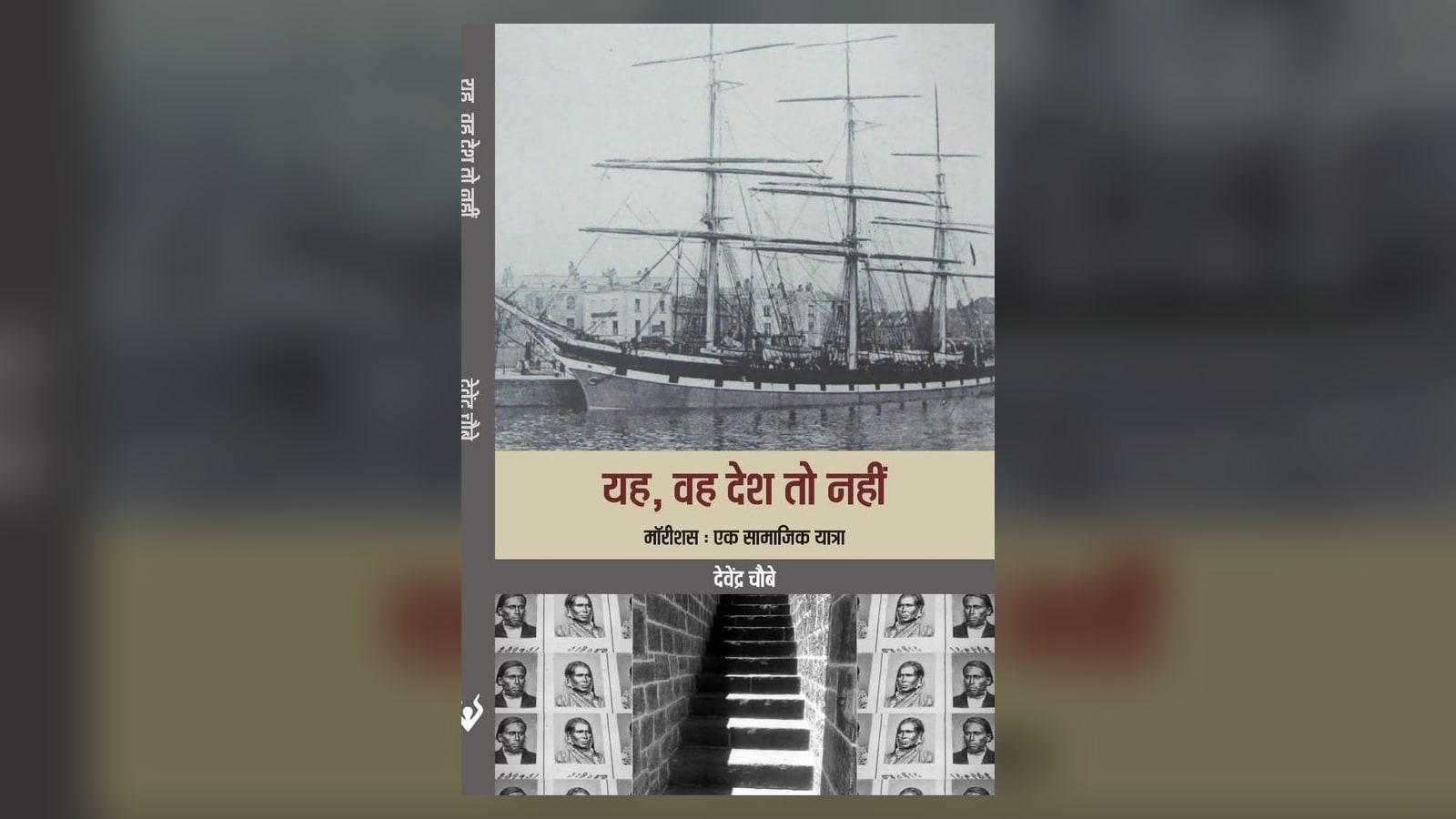
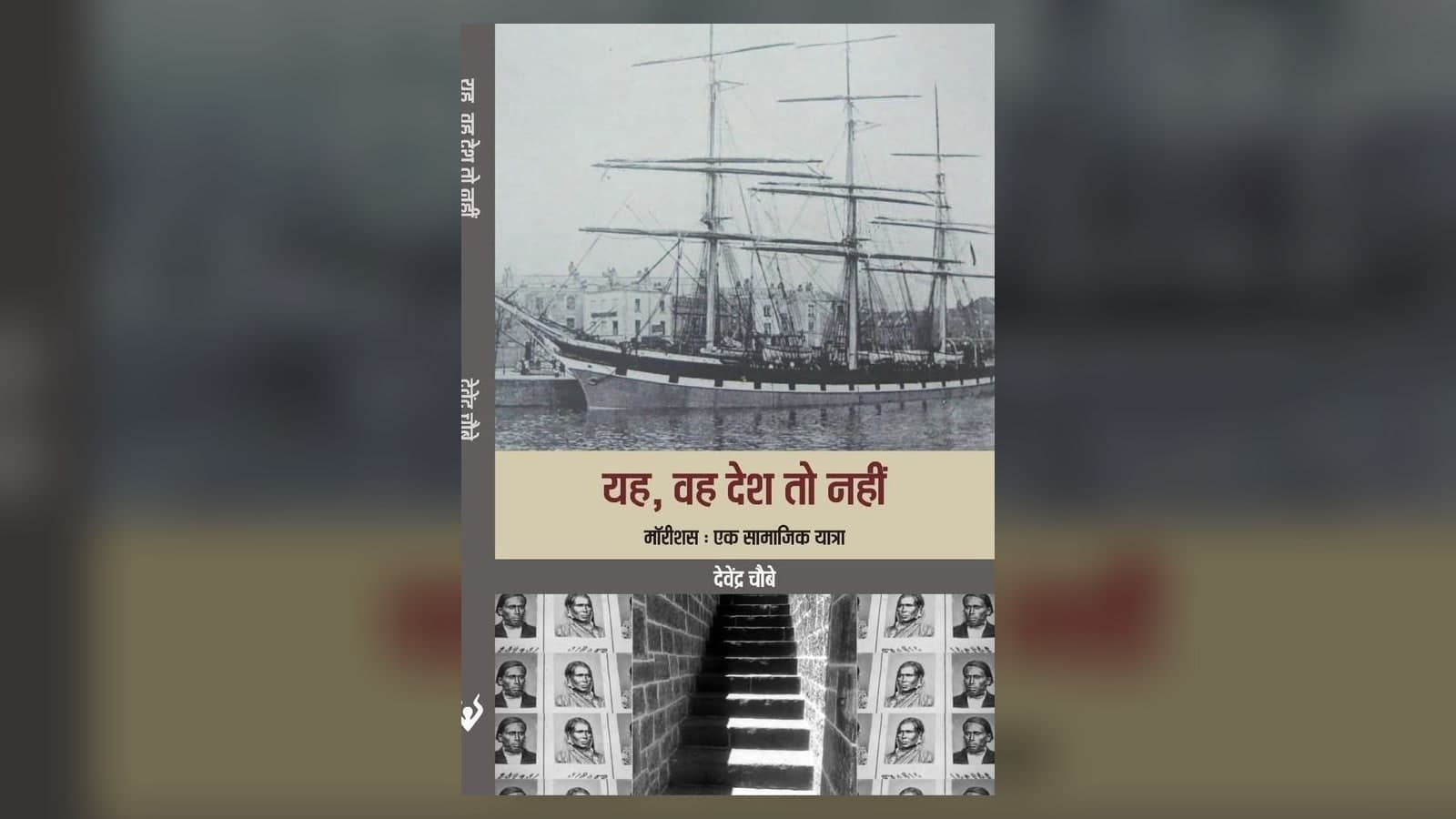
Yah, vah desh to nahīn — "This is not that country." The title of Devendra Choubey's new book carries a traveller's disappointment, and, for a diaspora that trades in the idea of a homeland, a familiar sting. But the journey it describes is less about disillusion than about looking harder — at a country the Indian diaspora believes it knows, and mostly does not.
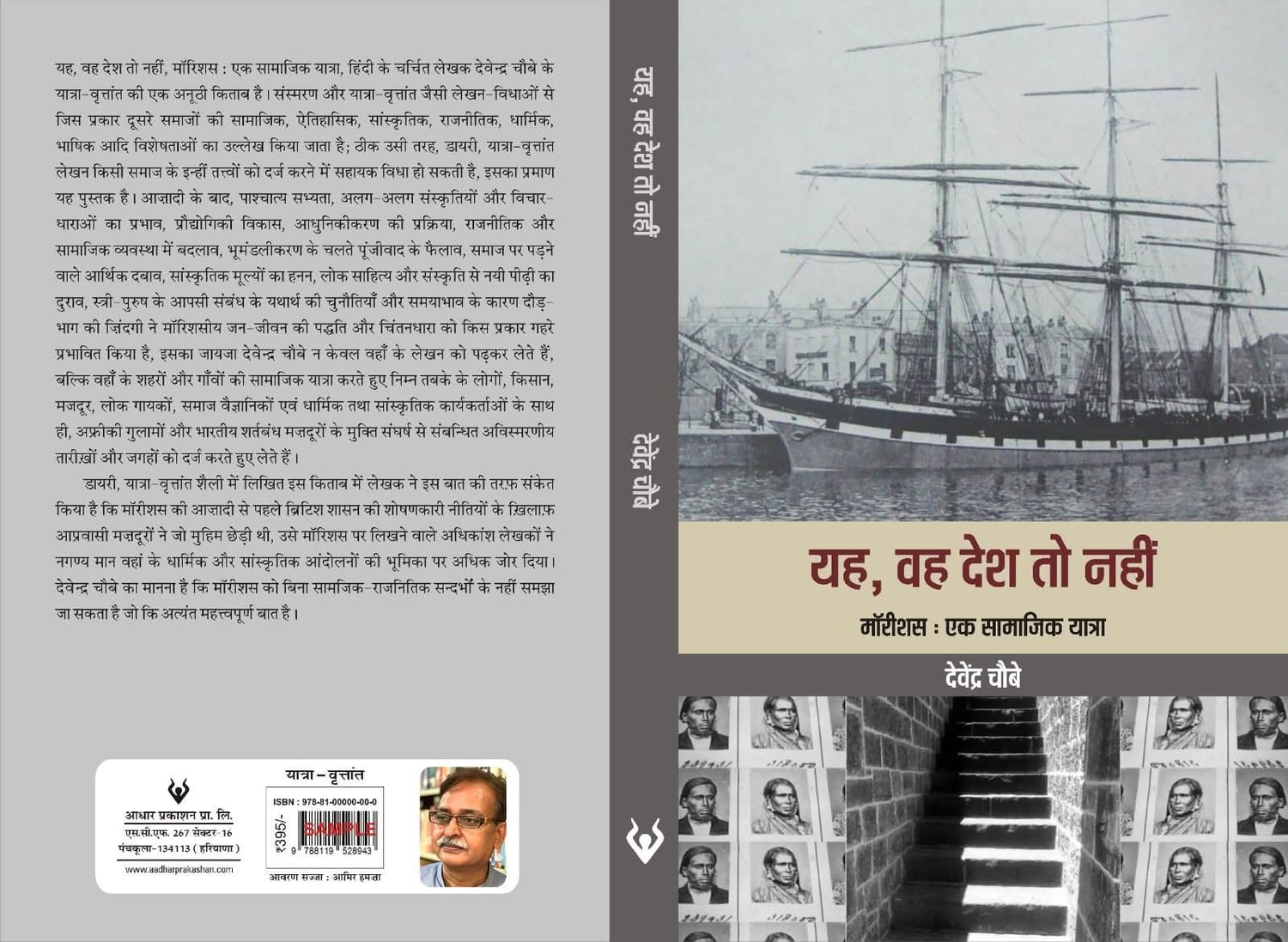
‘Yah, Vah Desh To Nahin: Mauritius — A Social Journey’ (यह, वह देश तो नहीं : मॉरीशस — एक सामाजिक यात्रा), published by Aadhar Prakashan in 2026, is a Hindi travelogue-cum-memoir by Choubey, a well-known Hindi writer and critic. Its wager is that the diary and the travel-narrative — unshowy forms — can record a society's social, historical, cultural, political, religious and linguistic life as faithfully as any work of scholarship.
What Choubey sets out to record is a Mauritius in flux. In the decades since independence, the publisher's note explains, the island's social fabric and its habits of thought have been reshaped by the pull of Western modernity, the collision of cultures and ideologies, rapid technological change, the spread of capitalism under globalisation and the economic pressures that follow, an erosion of cultural values, a younger generation drifting away from folk literature and song, the strains in relationships between women and men, and the plain hurriedness of modern life. He takes their measure not only by reading Mauritian writing but by travelling — a "social journey" through the island's towns and villages, sitting with farmers, labourers, folk singers, social scientists, and religious and cultural workers.
The sharpest thread runs through the island's history. Choubey records the dates and places of the freedom struggle waged by Mauritius's African slaves and its Indian indentured (shartbandh) labourers — and argues that most who wrote about pre-independence Mauritius treated that labourers' campaign against the exploitative policies of British rule as negligible, dwelling instead on the role of religious and cultural movements. Mauritius, he insists, cannot be understood without its social and political context — and that, the publisher's note says, is the book's most important claim.
For the diaspora, it is the point worth sitting with. Mauritius is where the indenture story begins. From 1834, in the wake of slavery's abolition across the British Empire, the island became the first great laboratory of the girmitiya system, and roughly half a million Indians passed through the immigration depot now remembered, and protected as a UNESCO World Heritage site, as the Aapravasi Ghat. Their descendants are the majority of Mauritius today. A book that reads the island through those labourers' struggle — rather than only its temples and its festivals — is exactly the corrective that diaspora memory, so often written as a story of faith and quiet success, tends to need. (For more on this history, see our Girmitiya pages.)
There is a neat irony in the title landing on a publication called Diaspora Dreams. This is not that country, Choubey says — the homeland of the imagination rarely survives contact with the real one. It is a useful thing for any diaspora to hear, and an unusually honest place for a travel writer to begin.
Published by Aadhar Prakashan (Panchkula, Haryana), 2026; ₹395; cover design by Aamir Hamza. For anyone tracing the crossing of the kala pani, it is a book worth knowing about.
हिंदी में
‘यह, वह देश तो नहीं : मॉरीशस — एक सामाजिक यात्रा’ — हिंदी के चर्चित लेखक देवेंद्र चौबे की नई किताब, आधार प्रकाशन से 2026 में प्रकाशित, एक ऐसी यात्रा-वृत्तांत है जो मॉरीशस को उसके मंदिरों और त्योहारों से नहीं, बल्कि वहाँ के अफ़्रीकी ग़ुलामों और भारतीय शर्तबंध मज़दूरों के मुक्ति-संघर्ष से पढ़ती है।
चौबे का मानना है कि डायरी और यात्रा-वृत्तांत जैसी विधाएँ किसी समाज की सामाजिक, ऐतिहासिक, सांस्कृतिक, राजनीतिक, धार्मिक और भाषिक विशेषताओं को उतनी ही गहराई से दर्ज कर सकती हैं जितना कोई शोध — और यह किताब इसका प्रमाण है।
आज़ादी के बाद, प्रकाशक की टिप्पणी के अनुसार, पाश्चात्य सभ्यता का प्रभाव, अलग-अलग संस्कृतियों और विचारधाराओं का टकराव, प्रौद्योगिकी का विकास, आधुनिकीकरण, भूमंडलीकरण के चलते पूँजीवाद का फैलाव और उससे उपजा आर्थिक दबाव, सांस्कृतिक मूल्यों का ह्रास, नयी पीढ़ी का लोक-साहित्य और लोक-संस्कृति से दूर होना, स्त्री-पुरुष संबंधों की चुनौतियाँ और समयाभाव की भागती-दौड़ती ज़िंदगी — इन सबने मॉरीशसीय जन-जीवन और चिंतनधारा को किस तरह गहरे प्रभावित किया है, इसका जायज़ा चौबे केवल वहाँ का लेखन पढ़कर नहीं, बल्कि शहरों और गाँवों की "सामाजिक यात्रा" करते हुए — किसानों, मज़दूरों, लोक-गायकों, समाज-वैज्ञानिकों और धार्मिक तथा सांस्कृतिक कार्यकर्ताओं से मिलकर — लेते हैं।
किताब का सबसे तीखा सूत्र इतिहास से होकर गुज़रता है। चौबे संकेत करते हैं कि मॉरीशस की आज़ादी से पहले ब्रिटिश शासन की शोषणकारी नीतियों के ख़िलाफ़ आप्रवासी मज़दूरों ने जो मुहिम छेड़ी थी, उसे वहाँ पर लिखने वाले अधिकांश लेखकों ने नगण्य मानकर धार्मिक और सांस्कृतिक आंदोलनों की भूमिका पर अधिक ज़ोर दिया। उनका मानना है कि मॉरीशस को उसके सामाजिक-राजनीतिक संदर्भों के बिना समझा ही नहीं जा सकता — और यही इस किताब की सबसे महत्त्वपूर्ण बात है।
प्रवासी पाठक के लिए यही बिंदु ठहरकर सोचने लायक है। गिरमिटिया कथा की शुरुआत मॉरीशस से ही होती है: 1834 में, ब्रिटिश साम्राज्य में ग़ुलामी की समाप्ति के बाद, यह द्वीप "गिरमिट" व्यवस्था की पहली बड़ी प्रयोगशाला बना, और लगभग पाँच लाख भारतीय उस आप्रवासी घाट से होकर गुज़रे जिसे आज विश्व-धरोहर के रूप में सहेजा गया है। आज मॉरीशस की अधिकांश आबादी उन्हीं की संतान है। उन्हीं मज़दूरों के संघर्ष से इस द्वीप को पढ़ने वाली किताब प्रवासी स्मृति के लिए एक ज़रूरी संतुलन है — जो अक्सर आस्था और सफलता की कहानी बनकर रह जाती है।
शीर्षक की एक मार्मिक विडंबना भी है: यह, वह देश तो नहीं। कल्पना का देश असल देश से टकराकर बहुत कम बचता है — और किसी भी प्रवासी के लिए यह सुनना ज़रूरी है।
प्रकाशक: आधार प्रकाशन (पंचकूला, हरियाणा), 2026; मूल्य ₹395; आवरण-सज्जा: आमिर हमज़ा। काला पानी के उस पार की यात्रा में रुचि रखने वाले हर पाठक के लिए यह किताब जानने योग्य है।
Get the book / किताब ख़रीदें — Yah, Vah Desh To Nahin: Mauritius — A Social Journey by Devendra Choubey (Aadhar Prakashan, 2026 · ₹395). Buy on Amazon → / अमेज़न पर ख़रीदें →
Related from Heritage
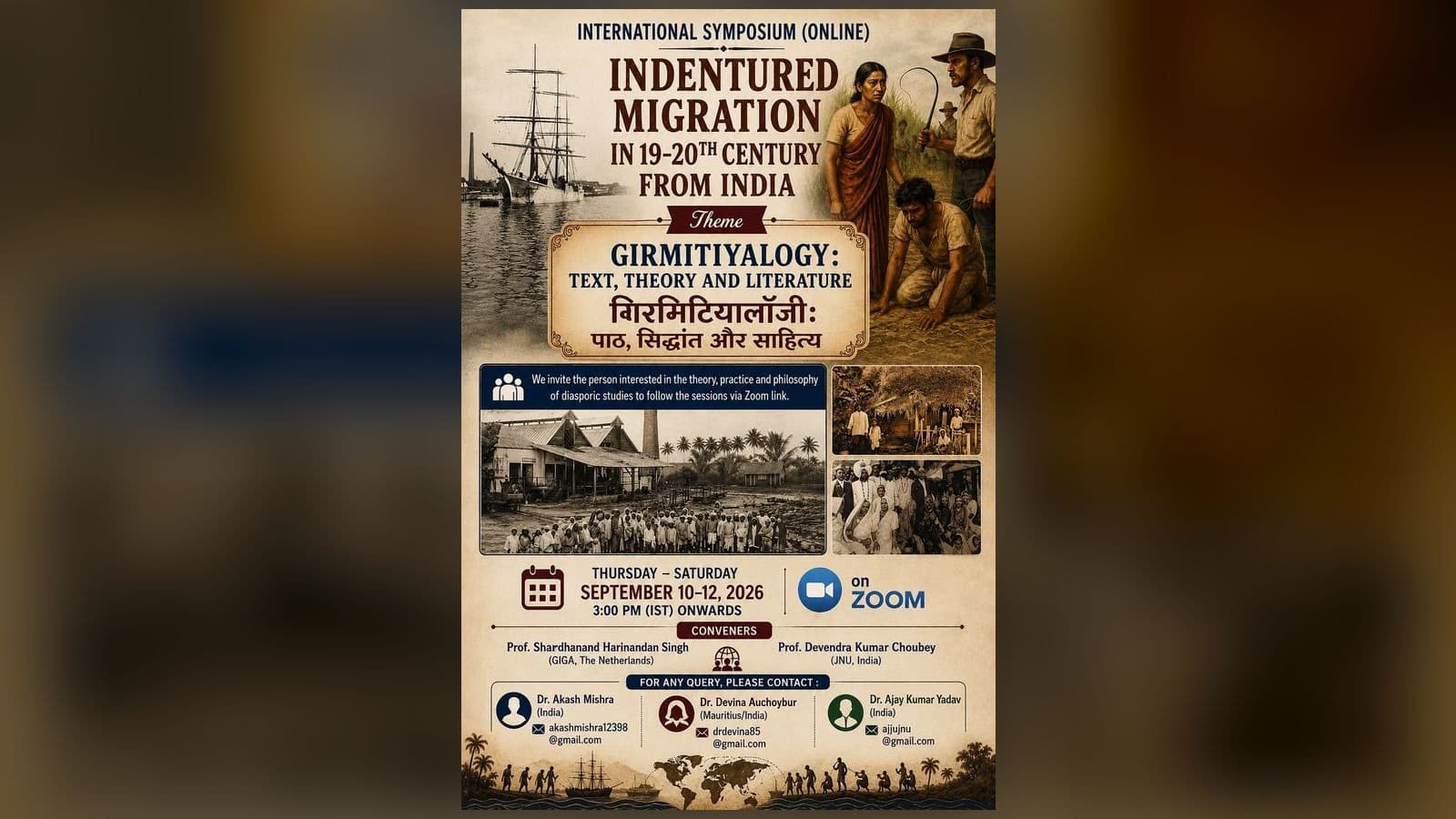
‘Girmitiyalogy’: an online symposium on India's indentured migration (10–12 September 2026)
The ship that was turned away: how Indians came to Canada

From the mills to Downing Street: how South Asians made Britain home