


The light got there first: how the indentured diaspora made Diwali official long before the West
California marked its first Diwali as a state holiday this year, and New York's schools closed for it. But the countries that wrote the festival into national law did so half a century ago — and they were the old sugar colonies.
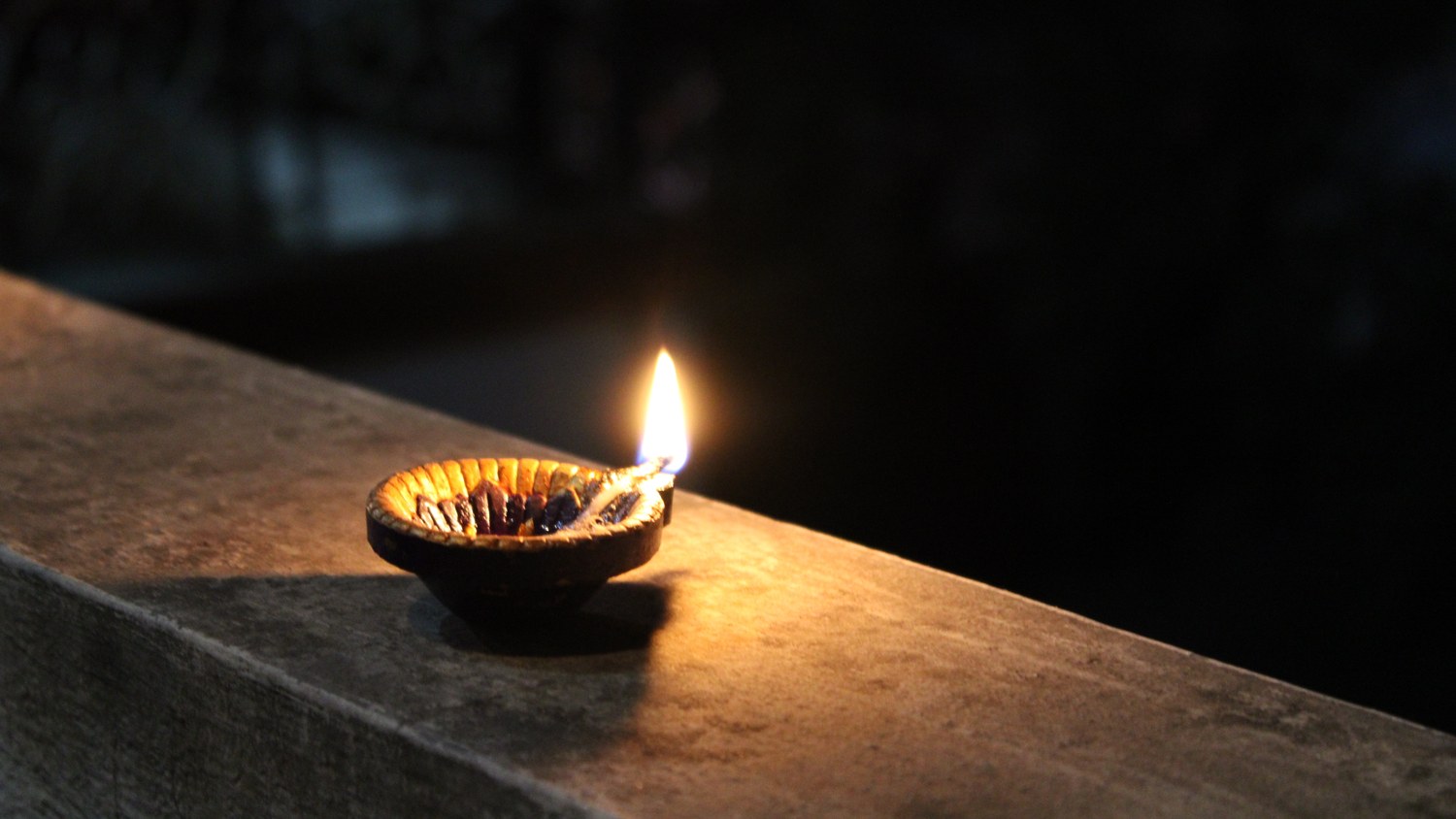
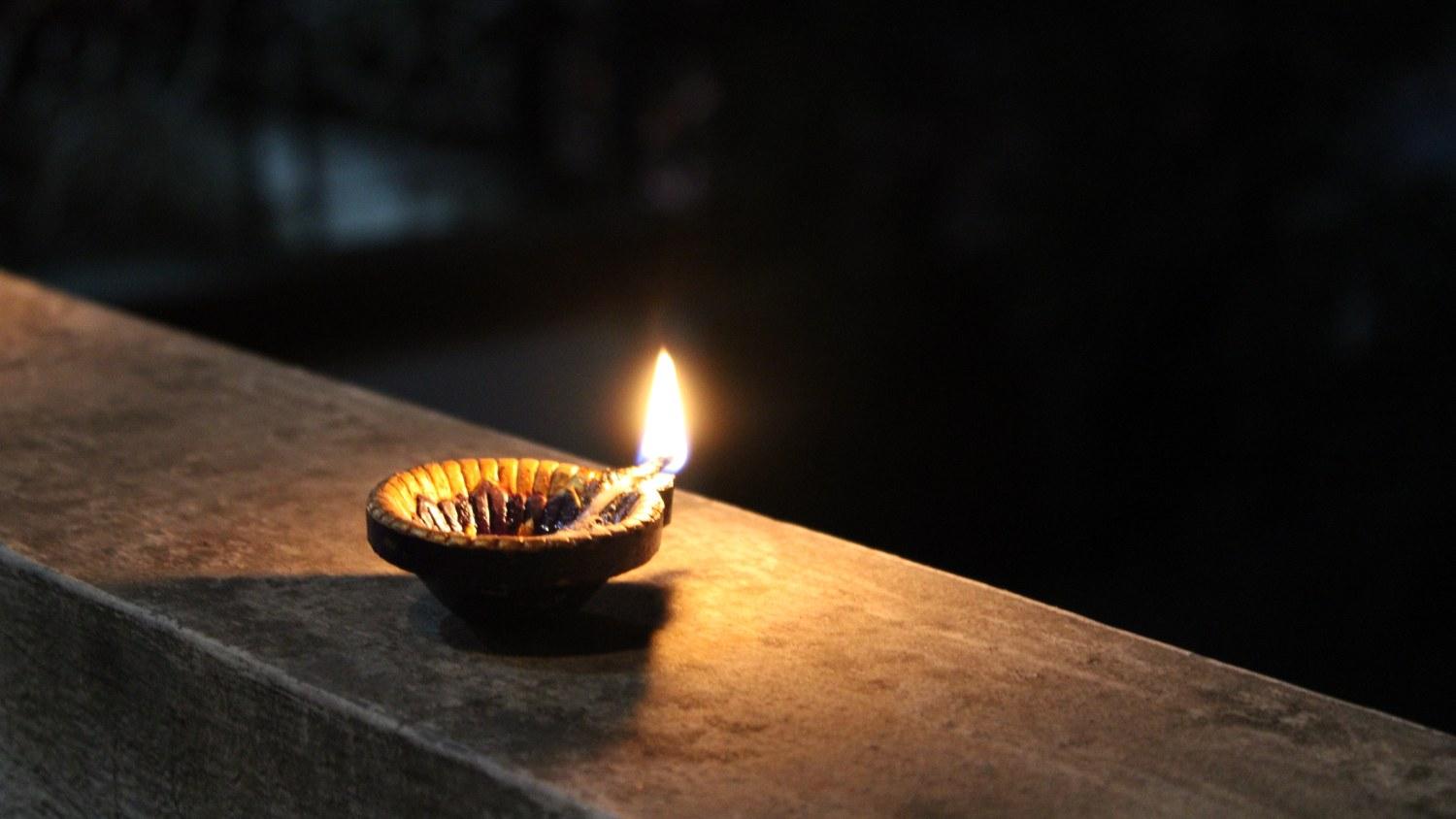
This year, for the first time, Diwali fell on a day the state of California formally recognised as its own. Under a law that took effect on 1 January 2026, the most populous state in America now counts Diwali among its official holidays: public schools and community colleges may close for it, and state employees may take the day off with pay. When the festival arrived on Sunday 8 November, it did so with California's seal behind it.
It was not alone. New York City's public schools have shut for Diwali since 2024, under legislation signed by Governor Kathy Hochul, whose office marked the day again this year. The US Postal Service has carried a Diwali stamp since 2016. In Britain, the city of Leicester stages one of the largest Diwali celebrations anywhere outside India, its Golden Mile strung with lights each autumn. And Indian diplomatic missions lit lamps with the diaspora in London, Washington, Paris, Moscow and Abu Dhabi. A festival that lived for decades in the privacy of immigrant front rooms is being written, slowly, into the public calendar of the West.
The easy way to tell this story is as an arrival: the Indian diaspora grown numerous and confident enough that its adopted countries are finally making room for its festival of lights. That reading is not wrong. It is just badly incomplete — because it leaves out the places that got there first.
The sugar colonies did it fifty years ago
The countries that made Diwali a national public holiday did not do so last year, and they were not wealthy Western democracies discovering multiculturalism. They were the lands of the girmit.
In 1974, newly independent Fiji declared Diwali a national holiday, under its first post-independence prime minister. Trinidad and Tobago, Mauritius, Guyana and Suriname all close for the festival today as a matter of national law. Every one of those countries was peopled, in the nineteenth and early twentieth centuries, by indentured Indians — shipped from the depots of Calcutta and Madras to cut cane on colonial sugar estates, bound by contracts most of them could not read. Their descendants did not wait to be granted a holiday. They turned a home festival into a public one, and then into the statute book, generations before a New York City council or a California legislature got round to the idea.
So the honest version of the story runs the other way. Diwali did not travel from India to the West and wait politely at the door. It travelled first in the holds of the indenture ships — to Port of Spain, to Suva, to Port Louis — where an uprooted, impoverished labouring community carried its lamps ashore and, over the generations, lit up the national life of countries thousands of miles from the Ganges. In Trinidad, Divali Nagar, the sprawling weeks-long celebration in central Trinidad, draws crowds that would be at home in Varanasi. The light reached the Caribbean and the Pacific long before it reached Sacramento.
Two diasporas, one festival
What we are watching, then, is really two diasporas and one festival. The older one — the descendants of indenture in the Caribbean, the Indian Ocean and the Pacific — made Diwali national law decades ago and wove it so deeply into creole culture that it belongs as much to Trinidad or Fiji now as to India. The newer one — the professionals and students who went to the United States, Britain, Canada and Australia from the 1960s on — is winning its recognitions now, school holiday by school holiday, state by state.
They are the same festival at different chapters. And the newer diaspora's victories, modest as a day off school might sound, are not trivial. For a child growing up Indian in California or Queens, the difference between a festival you observe quietly at home and one your whole class has the day off for is the difference between a private inheritance and a public identity. Recognition is how the next generation learns that the thing their grandparents carried is not something to be shy about. It is on the calendar now. It has a name their classmates know.
Beyond the places where Diwali is already national law, it is also an official holiday in Malaysia, Singapore, Sri Lanka and Nepal — a reminder that the festival's public life was never confined to India, and that the West is, if anything, a late arrival to a party the diaspora has been throwing in the open for a long time.
What recognition does, and doesn't
It is worth being clear-eyed about what a proclamation is. A governor lighting a lamp, or a state adding a day to its holiday list, does not by itself deepen anyone's faith or teach anyone the story of Rama's return. These are civic gestures, and civic gestures can be hollow. But they are also how a pluralist society formally admits that a community is part of it — not a guest to be tolerated, but a citizen whose festivals are the country's festivals too.
That admission came early and naturally in the sugar colonies, where Indians were a founding people rather than a recent arrival. It is coming later, and more self-consciously, in the West, where the diaspora has had to campaign for it. Either way, the direction is the same, and this year the proof was in the calendar: on 8 November, across more of the world than ever before, the holiday was not something Indians took off work for. It was something the state gave them.
The girmitiyas who carried the first lamps off the indenture ships could not have known their festival would one day be written into the law of a dozen countries. They were too busy keeping it alight. That the rich West is now, belatedly, doing the same is not the beginning of Diwali's global life. It is the latest chapter of a story the diaspora started telling in the dark.
Related from Culture

Robin Leo Hoffmann: the German who went looking for an Aghori — and found a way to live

Captain Smit Machchhar: the Mumbai pilot who saved 174 on a Tel Aviv flight

Ashina Singh: three countries, one crown