

OCI new rules 2026: the e-OCI digital card, explained
India overhauled the OCI card in 2026 — a fully digital e-OCI record, online-only applications, revised fees, a new $25 fine and wider eligibility. Every change in one place: the e-OCI system, the removed six-month-stay and RC/RP rules, and what families must check before travelling.
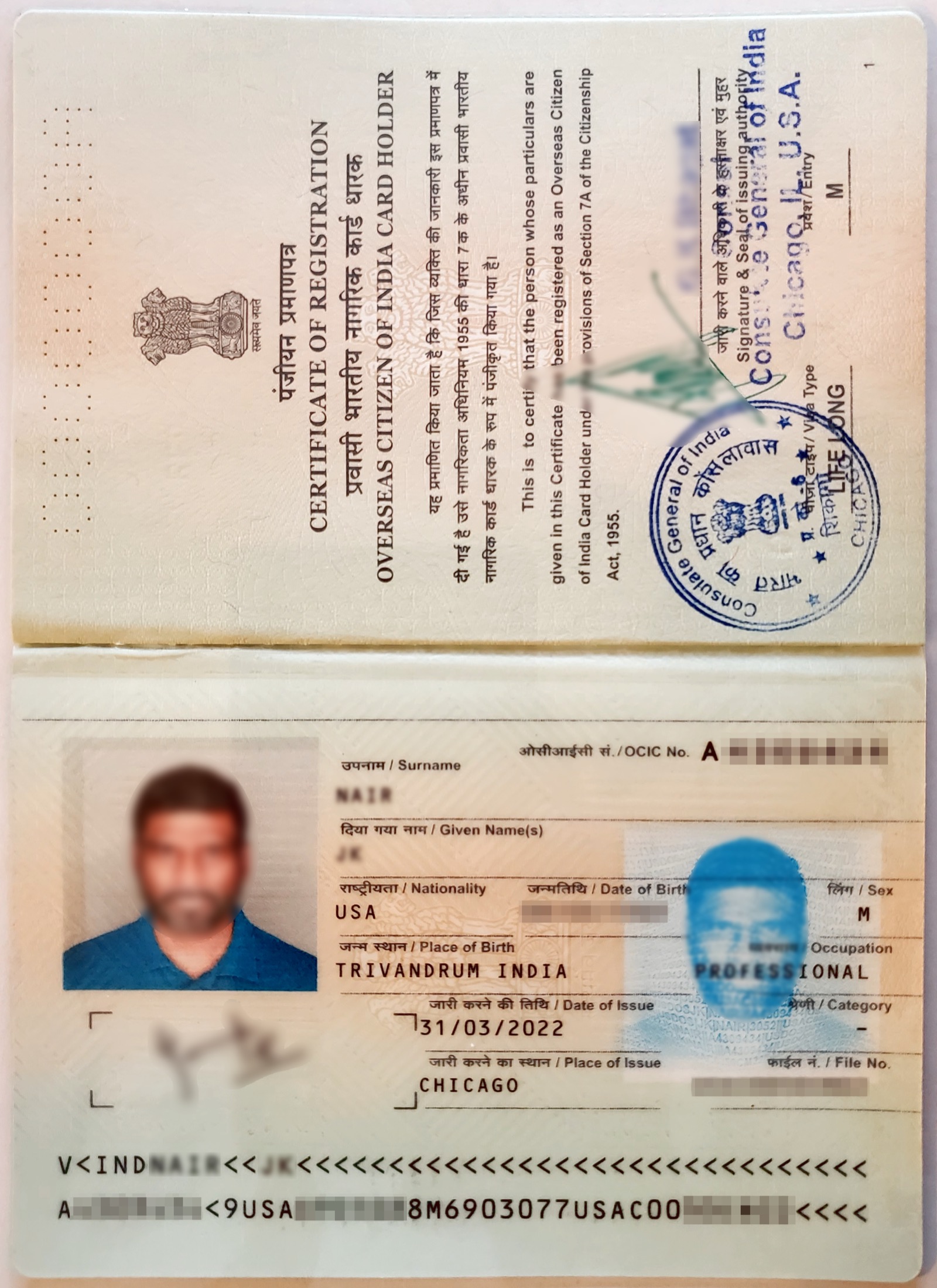
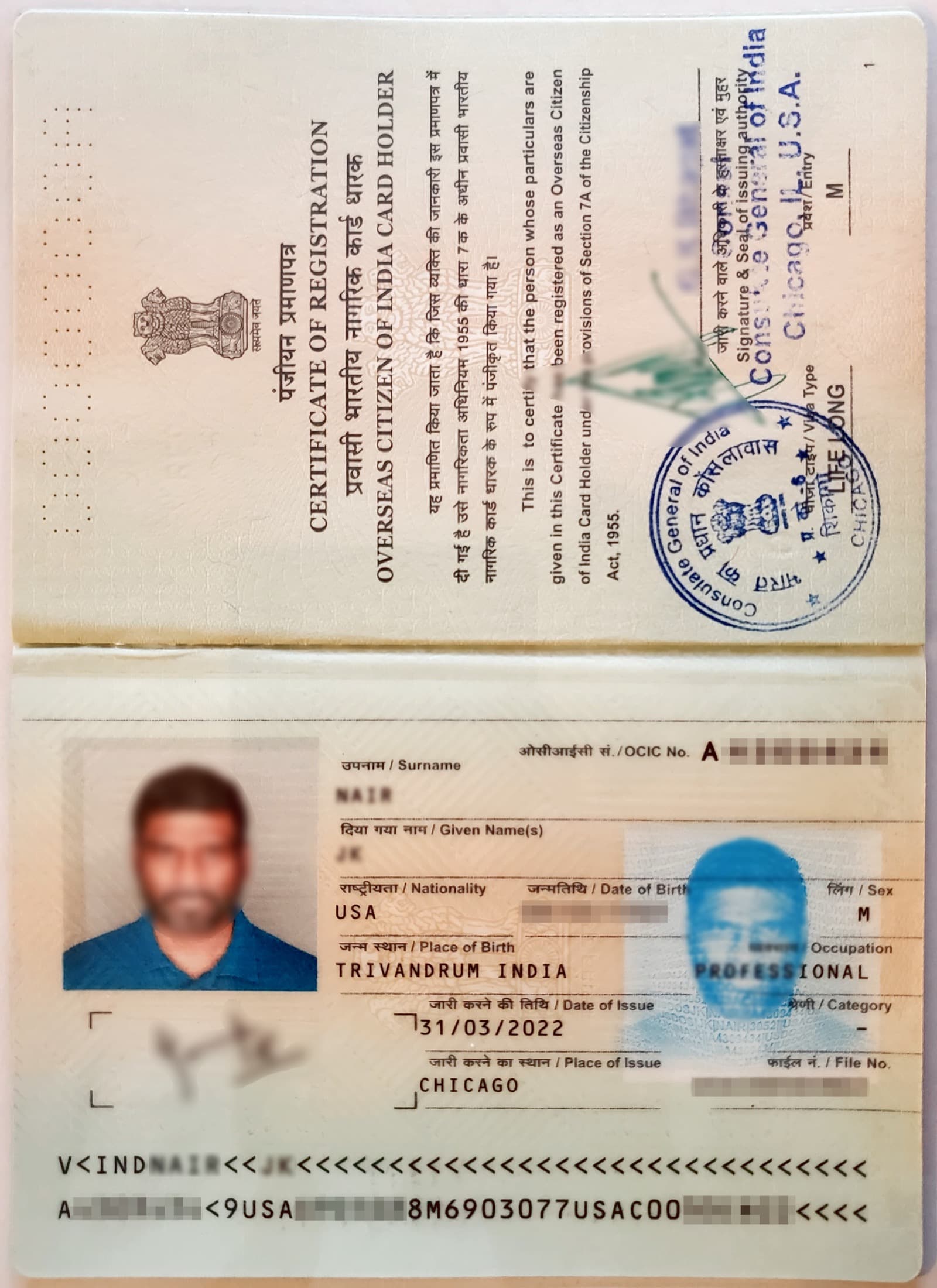
India spent 2026 rewriting the rulebook for its Overseas Citizen of India (OCI) card — the document that roughly five million people of Indian origin use to live, work and travel in India without a visa. It was the most substantial overhaul of the scheme in more than a decade, and it did not arrive all at once. It came in pieces: a new set of rules in May, a digital card, revised fees, relaxed eligibility, and a fresh penalty for anyone who forgets to keep their paperwork current.
Because the changes landed one announcement at a time, they have been easy to lose track of. Here they all are, in one place.
The blue booklet is gone: meet the e-OCI
The centrepiece is the e-OCI — a digital record that replaces the familiar blue OCI booklet. India's Ministry of Home Affairs notified the Citizenship (Amendment) Rules, 2026 on 1 May 2026, and the fully electronic system went live on 30 June 2026, as Business Today reported. A physical card stays available on request, but it is no longer mandatory for travel or immigration clearance.
In practice that means the entire process — registration, re-issue, renunciation and cancellation — now happens online, through the official portal at ociservices.gov.in. Applicants upload their documents, pay, track the file and download the approved card without setting foot in an office. The Bureau of Immigration says a straightforward digital application should now clear in about 15 working days, down from the six-to-eight weeks the old paper process could take.
Two long-standing irritations disappear along with the booklet. Each holder now gets a unique registration number, and the old rule requiring the card to be re-stamped into every new passport issued after the age of 20 is gone — most existing holders can move to the digital card without a fresh application or physical verification.
The rule that will catch people out: the $25 fine
The digital card ties your status more tightly than ever to keeping your records current, and there is now a penalty for letting them slip. An OCI holder who fails to update new passport details on the portal within three months of receiving that passport faces a US$25 fine, or the local-currency equivalent, immigration firm Fragomen notes. It is a small sum, but the principle is new. As Fragomen put it, "the days of benign neglect are over."
For a document millions of people have long treated as set-and-forget, that is the single change most likely to trip holders up: a new passport now starts a 90-day clock.
What it costs now
The fee structure was reset from 1 April 2026: US$275 to apply from outside India, and ₹15,000 from within India, per VisaVerge. The fees are paid through the same portal, as part of the end-to-end digital process.
Getting an OCI just got easier
Alongside the digital shift, India widened the door in three ways:
- No more six-month wait. Effective 8 April 2026, eligible foreign nationals no longer have to complete six months of stay in India before applying, InvestMates reports. Spouses of OCI cardholders and children of OCI parents can apply directly through the portal without the in-country waiting period — a change aimed squarely at people who married into Indian families abroad and found continuous residency hard to coordinate with work and family.
- No more RC or RP for in-India applicants. From 17 July 2026, those filing from within India no longer need a Registration Certificate or Residential Permit — documents many found slow and cumbersome to obtain. A valid long-duration visa with at least three months' validity remaining at the time of submission now suffices.
- Wider ancestry. Fifth- and sixth-generation Indian-origin Tamils in Sri Lanka became eligible, up from the previous fourth-generation limit, as Fragomen detailed.
The stricter side of the ledger
Easier entry came matched with tighter compliance — and a few provisions families should read carefully before they travel:
- Dual-national children. Under the amended rules, a minor may no longer hold the passport of another country while also holding an Indian passport, as Envoy Global flagged. It is a point worth resolving for dual-national children well before any trip to India.
- Biometrics for fast-track. Biometric consent is now mandatory for anyone using India's Fast Track Immigration Programme.
- The PIO card is finished. The older Person of Indian Origin card is fully retired: the conversion window closed on 31 December 2025, and from early 2026 India stopped accepting PIO cards for travel outright. Former PIO holders who did not convert now need either an OCI card or a regular entry visa.
- A new arrival form. The physical disembarkation card has been discontinued; arrivals must instead complete the Digital e-Arrival Card before boarding a flight to India.
The 2026 OCI overhaul, by date
- 1 April 2026 — new fees take effect: US$275 from abroad, ₹15,000 within India.
- 8 April 2026 — the six-month-stay-in-India requirement is removed.
- 1 May 2026 — the Citizenship (Amendment) Rules, 2026 are notified; applications move online.
- 30 June 2026 — the fully electronic e-OCI system goes live.
- 17 July 2026 — the RC and RP are dropped for applicants filing within India.
What it means for the diaspora
Taken together, the reforms pull in one direction: less paper, more portal, and less patience for holders who let their records lapse. For most of the diaspora it is straightforwardly good news — a faster, cheaper, entirely online process, and a card you can no longer lose in a house move. The trade-off is vigilance: the 90-day passport-update clock, the biometric consent, and the dual-passport rule for children are all small print that now carries consequences.
If you are weighing what OCI status actually gets you once the card is in hand, our companion guides go deeper on the systems that matter most — starting with what an OCI is, and is not, then the practicalities of property, tax, inheritance, sending children to Indian universities, and returning to India for good.
Sources: Fragomen; VisaHQ; Envoy Global; Business Today; VisaVerge; InvestMates; and the Ministry of Home Affairs notification via Akashvani / News on Air. This is a news summary, not legal advice — confirm current requirements with the FRRO or a qualified adviser before filing.
Continue the series · The OCI's Guide to India