

The $103,265 H-1B fee: what DHS's new rule means for Indians
DHS has proposed a $103,265 fee on every cap-subject H-1B petition — charged at filing, on top of every other fee, and aimed squarely at new hires. Indians take 71% of H-1B approvals. What the rule says, who is exempt, and why it follows the struck-down $100,000 proclamation.
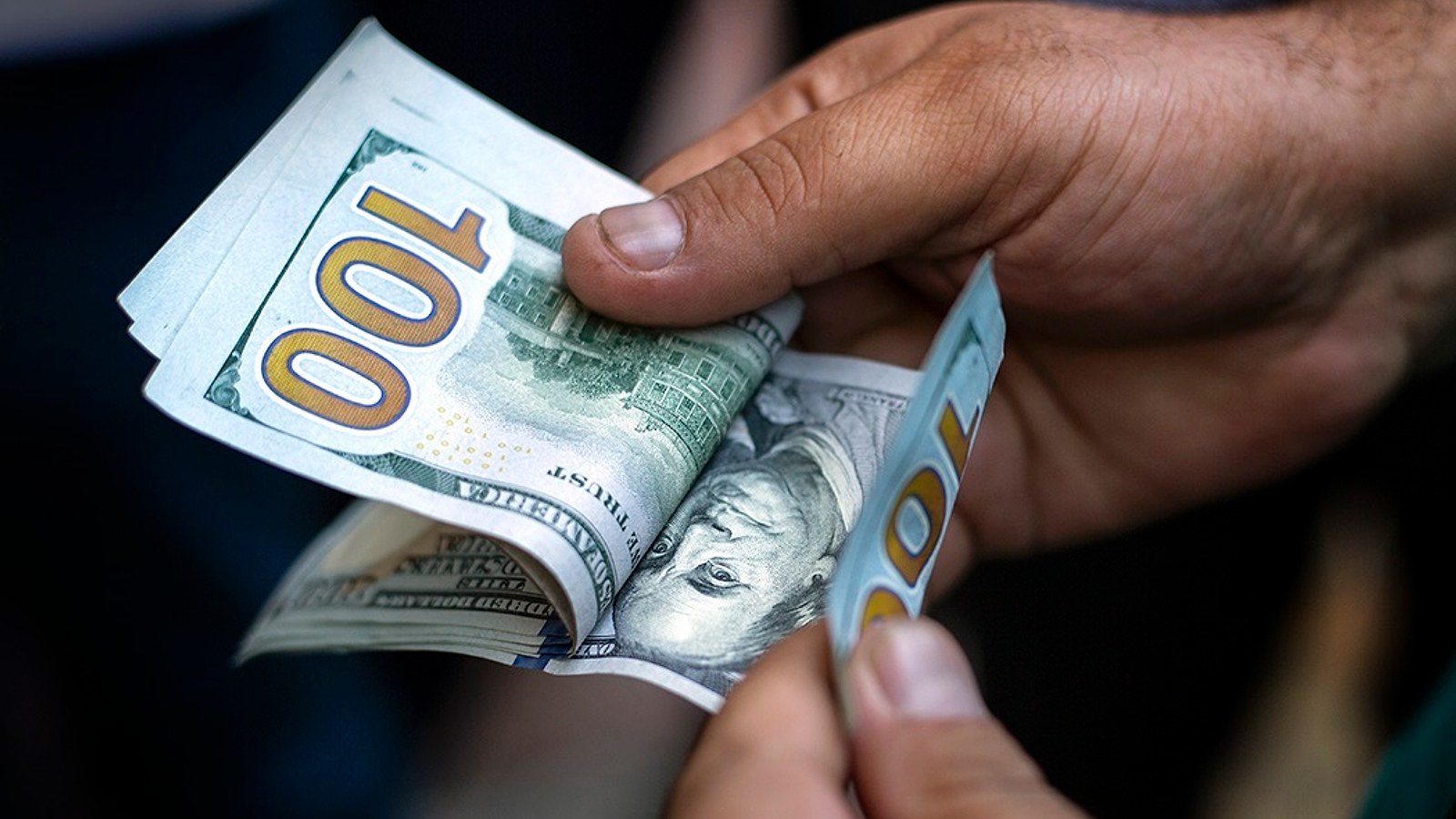
Put a number on it, and the argument gets very simple. On 25 August 2026 the Department of Homeland Security published a proposed rule that would attach a fee of $103,265 to every cap-subject H-1B petition — a single charge, payable when the petition is filed, on top of every other fee an employer already pays. For a programme through which Indians take the largest share of visas by far, it is the bluntest instrument yet in a year of them: a six-figure price tag on the front door.
What the rule actually says
The fee is precise and, on its face, narrow. It would apply to H-1B petitions that are subject to the annual cap — the roughly 85,000 places filled each year through the lottery, including the extra allocation for holders of US master's degrees. It would be charged once, at filing, and DHS is explicit that it comes "in addition to all other applicable fees or payments." Comments on the proposal are open until 24 September 2026.
Read the exemptions and the target comes into focus. The fee would not apply to petitions that fall outside the cap: extensions, amendments and transfers for workers already counted in a previous year, nor to the cap-exempt petitions filed by universities and certain research institutions. In other words, it is aimed squarely at the new hire — the fresh graduate, the first-time applicant, the worker a company wants to bring into the United States for the first time. The people already inside the system keep their status; it is the next generation trying to get in who would meet the wall.
One more line in the proposal matters. If a petitioner is subject both to a payment required under a presidential proclamation and to this new rule, DHS says, the petitioner would have to pay both. The fees are designed to stack.
Why $103,265, and why now
The figure did not fall from the sky, and neither did the timing. In September 2025 President Trump signed a proclamation imposing a $100,000 charge on H-1B petitions; in June 2026 a federal judge in Boston struck down the guidance implementing it, holding that the administration could not levy what amounted to a tax on immigration by proclamation alone. This proposed rule is the answer to that defeat. What could not be done by fiat is now being attempted through formal rulemaking — a slower path, but a far sturdier one, much harder for a court to vacate.
DHS frames the fee as revenue: a "dedicated mechanism," in its words, to help recover a portion of what the federal government spends administering the immigration system across several departments. Critics read it more simply, as a charge set high enough to price a large share of employers out of hiring foreign workers at all — a ban dressed as a fee.
The number that makes this a diaspora story
Whatever the intent, the incidence is not in doubt. Indians are the overwhelming majority of H-1B beneficiaries: USCIS data for the 2024 fiscal year show 283,755 approved petitions for beneficiaries born in India, about 71 per cent of the total. A rule that makes a cap-subject H-1B dramatically more expensive is, in practice, a rule that makes hiring an Indian professional dramatically more expensive. That is the reason this proposal is being read at kitchen tables in Hyderabad and Edison, not just in immigration-law offices.
For the Indian IT-services firms that file cap petitions in bulk, and for the American technology companies that recruit Indian graduates out of US universities, $103,265 changes the maths of every hire. A first job that once turned a student's American degree into a career now carries a cost few employers will absorb for an entry-level worker. The likeliest result is fewer sponsorships, concentrated on the most senior and highest-paid — which is exactly the direction the rest of this year's changes also point.
The scale is easy to miss until it is multiplied. The government fees on a typical H-1B petition today run to a few thousand dollars; $103,265 is an order of magnitude larger, and it is charged per worker. An employer that wins even a few hundred cap places in a season — routine for the largest sponsors — would face tens of millions of dollars in new charges for a single year's hiring, before a rupee or a dollar of salary is paid. Costs on that scale are not quietly absorbed into a budget. They are avoided, by hiring fewer foreign workers, or none.
A pincer, not a single blow
The fee does not arrive alone. Read together, the H-1B changes of 2026 form a pincer.
At the front door, alongside this proposed fee, sits the new wage-weighted lottery, in force since February, which tilts selection toward the highest-paid applicants and away from the entry-level wages at which most Indian first-timers are hired. At the door of renewal, the biometric surcharge we reported last week adds about $4,000 to extensions from 9 September for the largest H-1B-reliant employers. And hanging over the students behind them is a separate proposal to put a six-figure fee on Optional Practical Training, the bridge from an American degree to that first job.
Each measure is defensible on its own terms. Stacked, they describe a single policy: make the H-1B smaller, older and richer, and make the pipeline that feeds it — the Indian student who comes for a degree and stays for a career — far harder to travel.
What happens next
Nothing here is final. This is a proposed rule, not a law; the comment period runs to 24 September, and given the Boston precedent, litigation is close to certain the moment a final version takes effect. The largest employers and the industry groups that represent them have both the resources and the motive to fight, and the same courts that struck down the proclamation will be asked to weigh the rule.
But the direction is unmistakable, and for the Indian diaspora it is worth naming plainly. For a generation, the H-1B was the road: a degree, a first job, a visa, and in time a green card and an American life. That road is being narrowed, tolled, and in places closed — and the toll now has a number on it.
Our running coverage: the $100,000 fee, one year on, the paperwork wall of 2026's rule changes, and what the September visa bulletin means for Indian green-card waits.