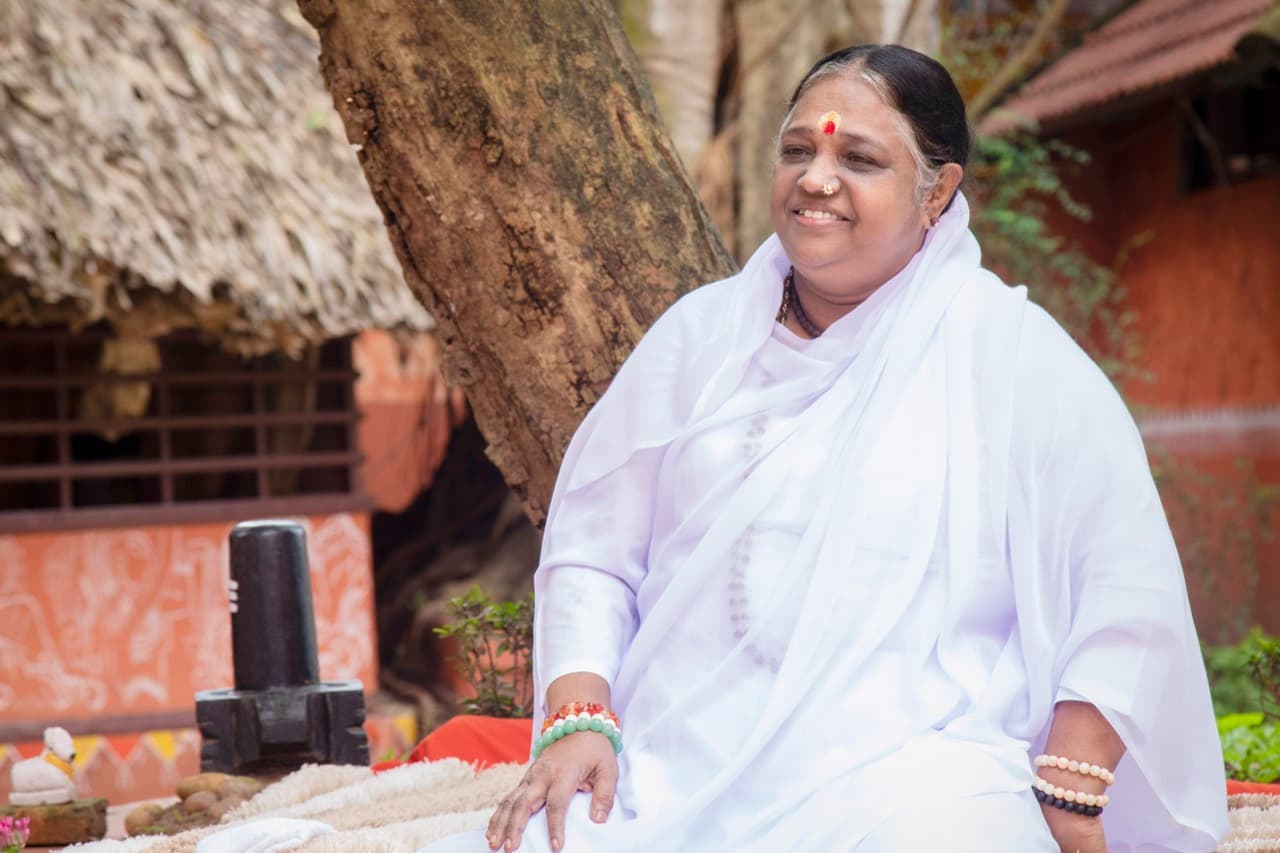


Sister Shivani: the engineer who became the diaspora's calm voice
Part 5 of The Living Gurus. A gold-medal electronics engineer who traded circuits for the soul, BK Shivani turned the Brahma Kumaris' quiet philosophy into a global television and YouTube phenomenon - and became, for millions of stressed Indians at home and abroad, the steadying voice at the end of a hard day.
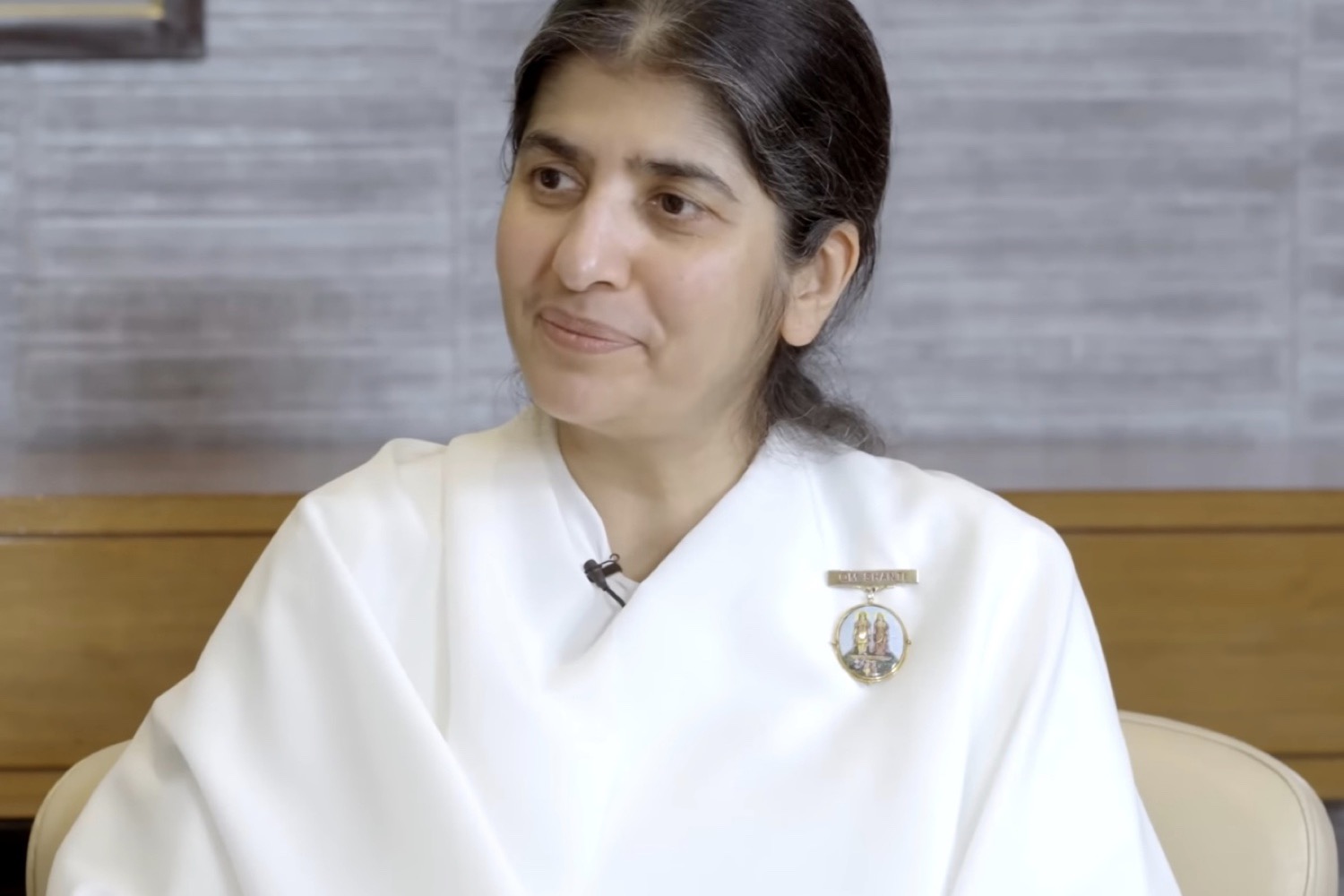
The most-watched spiritual teacher in the Indian world today did not come up through an ashram lineage or a mountain cave. She came up through an electronics engineering degree. BK Shivani - Sister Shivani to her millions of viewers - was born in Pune on 31 May 1972, completed an electronics engineering degree at Pune University as a gold medallist in 1994, and spent two years lecturing at an engineering college before her life turned toward a different kind of transmission.
Her parents had followed the Brahma Kumaris, the Rajasthan-based spiritual movement, since she was a child, and in her early twenties she began attending seriously. The Brahma Kumaris are unusual among Indian spiritual organisations: founded in the 1930s, led substantially by women, teaching a form of "Raja Yoga" meditation centred on the self as a soul distinct from the body, and organised into thousands of centres across the world. Shivani started not in front of the camera but behind it, working on the production of the movement's television teachings in Delhi.
The show that changed everything
In July 2007 she stepped in front of the lens, in a television series called Awakening with Brahma Kumaris. The format was disarmingly simple: Shivani, in her white sari, in conversation with the actor Suresh Oberoi, answering ordinary questions about anger, fear, relationships, ego and stress in plain, unmystical language. There were no miracles, no theatrics, no promises of magical transformation - just a calm, articulate woman reframing everyday suffering as a problem of the mind that the listener had the power to solve.
It struck a nerve that few had suspected was so raw. The series was adapted into a 2015 book, Happiness Unlimited, and Shivani's talks migrated onto YouTube, where they have been watched hundreds of millions of times. Her appeal is precisely that she does not sound like a guru. She sounds like an unusually wise professional - which, having been an engineer and a lecturer, she partly is.
Why the diaspora took to her
Sister Shivani's rise maps almost exactly onto the anxieties of the modern Indian diaspora. Her core message - that you are not your circumstances, that your emotional state is "created" by you and therefore changeable, that peace is a skill rather than a destination - is spirituality translated into the language of self-management. For an Indian software engineer in New Jersey or a nurse in the Gulf, exhausted and far from family, it lands as something between meditation and cognitive behavioural therapy, delivered in a familiar cultural key.
She has taken it directly to them. Shivani has travelled to more than 35 countries across North America, Europe, Australia, Africa, South-East Asia and the Middle East, delivering thousands of talks to diaspora audiences, and in Silicon Valley she has addressed the staff of Google, Microsoft, Cisco, Amazon and Intel - companies whose Indian-origin engineers form a natural congregation. The Brahma Kumaris' network of overseas centres gives her a physical footprint in the very cities the diaspora clusters in, so that her YouTube voice has a bricks-and-mortar home a short drive away.
A woman's lineage
Part of what Sister Shivani represents is easy to miss until you set her against the field. Indian spiritual authority has overwhelmingly been male - the guru, the swami, the baba. The Brahma Kumaris are a striking exception: founded in the 1930s in Sindh by Lekhraj Kripalani, the movement was, unusually for its time, placed under the administrative leadership of women, and it has been run substantially by women ever since, from its headquarters at Mount Abu in Rajasthan. Shivani is the most globally visible product of that tradition - a woman in a white sari dispensing philosophy to millions, including boardrooms of largely male engineers, without deference or apology.
For a diaspora raising daughters in the West, that matters more than it might first appear. The spiritual voice they are most likely to encounter online is not a remote patriarch but an articulate woman who was a working professional before she was a teacher. She models a version of Indian spirituality that a second-generation girl in London or Toronto can see herself inside - which is part of why her audience skews younger, more female and more diasporic than almost any guru before her.
The controversies she mostly avoids
What is striking about Sister Shivani, in an era when several high-profile Indian gurus have been mired in scandal, litigation and politics, is how little controversy attaches to her. She stays resolutely on the terrain of the inner life - anger, forgiveness, self-worth - and away from politics, money and miracle-claims. She was named a goodwill ambassador of the World Psychiatric Association in 2017, a rare instance of an Indian spiritual figure being embraced by the mainstream mental-health establishment rather than viewed with suspicion by it, and in 2019 she received the Nari Shakti Puraskar, India's highest civilian honour for women.
That restraint is the source of her reach. A diaspora that has grown wary of charismatic god-men, but still hungers for a spiritual vocabulary that is theirs, has found in Shivani something safe to recommend to a stressed friend: no cult, no donations pressure, no politics, just a steady voice saying that the mind can be trained the way a body can.
The soul as software
There is a neat symmetry in her biography that she herself sometimes plays with. The engineer who once studied how signals move through circuits now teaches millions how thoughts move through a mind - and how to debug them. It is spirituality for a diaspora that thinks in systems: input, processing, output; stimulus, thought, response. Change the thought, she says, and you change the life.
Whether that is profound philosophy or elegant self-help is a question her critics and admirers will keep arguing. What is not in doubt is the reach. In an age when the diaspora's spiritual life is lived as much on a phone screen at midnight as in a temple on Sunday, Sister Shivani is the calm face that appears when an overworked Indian, ten thousand miles from home, types "how to stop overthinking" into a search bar. That she got there from an engineering lab in Pune is the most modern guru story India has yet produced.
Continue the series · The Living Gurus
Related from Yoga & Spiritualism
Siddheshwar Brahmrishi Gurudev: the 'Siddhguru' who built a following online

Baba Ramdev: the yoga guru who built an empire, and the controversies that trail it

Swami Chidanand Saraswati: the guru who made the Ganga a global cause