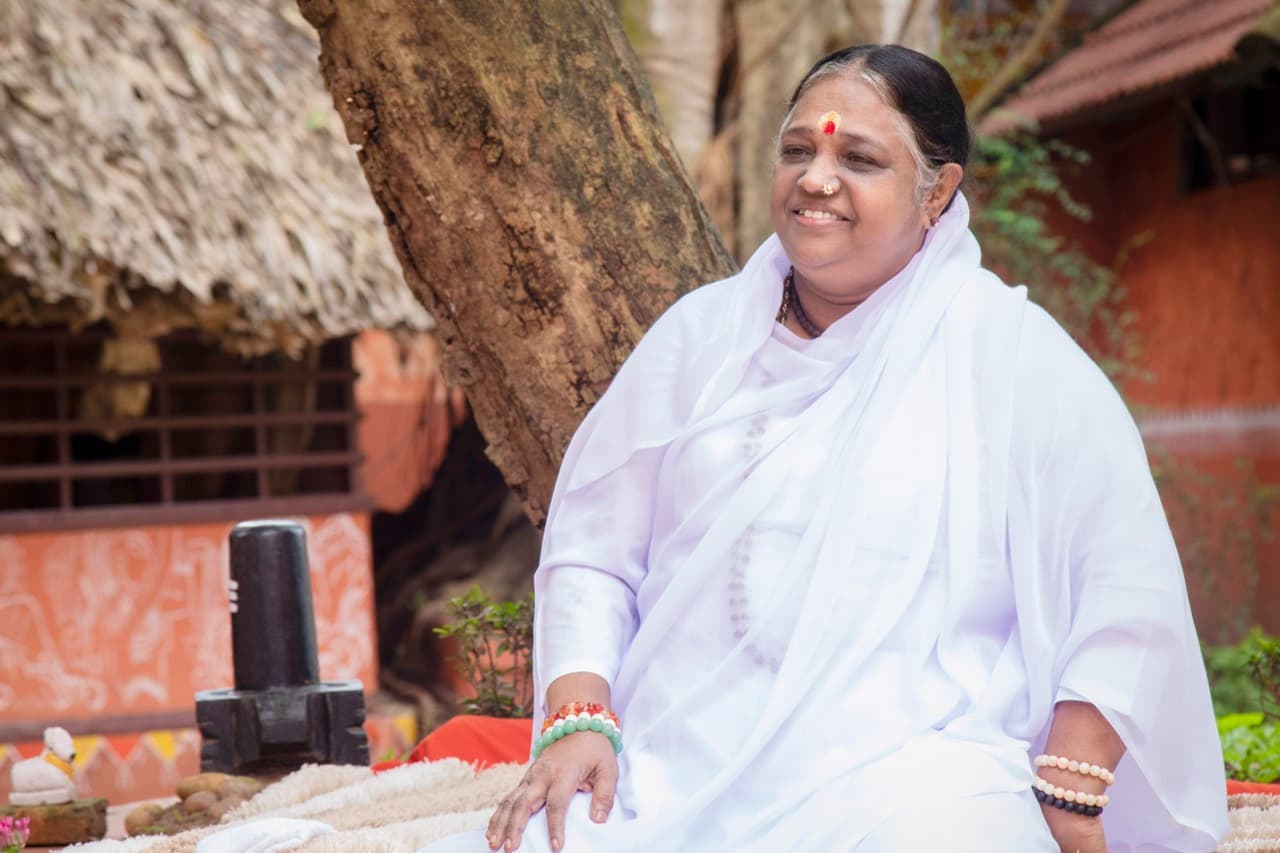


Swami Chidanand Saraswati: the guru who made the Ganga a global cause
From the banks of the Ganga at Rishikesh, Swami Chidanand Saraswati has built something unusual among modern gurus — a movement fusing Hindu spirituality with river conservation, sanitation and interfaith diplomacy that reaches from a nightly riverside ceremony to the halls of the United Nations.
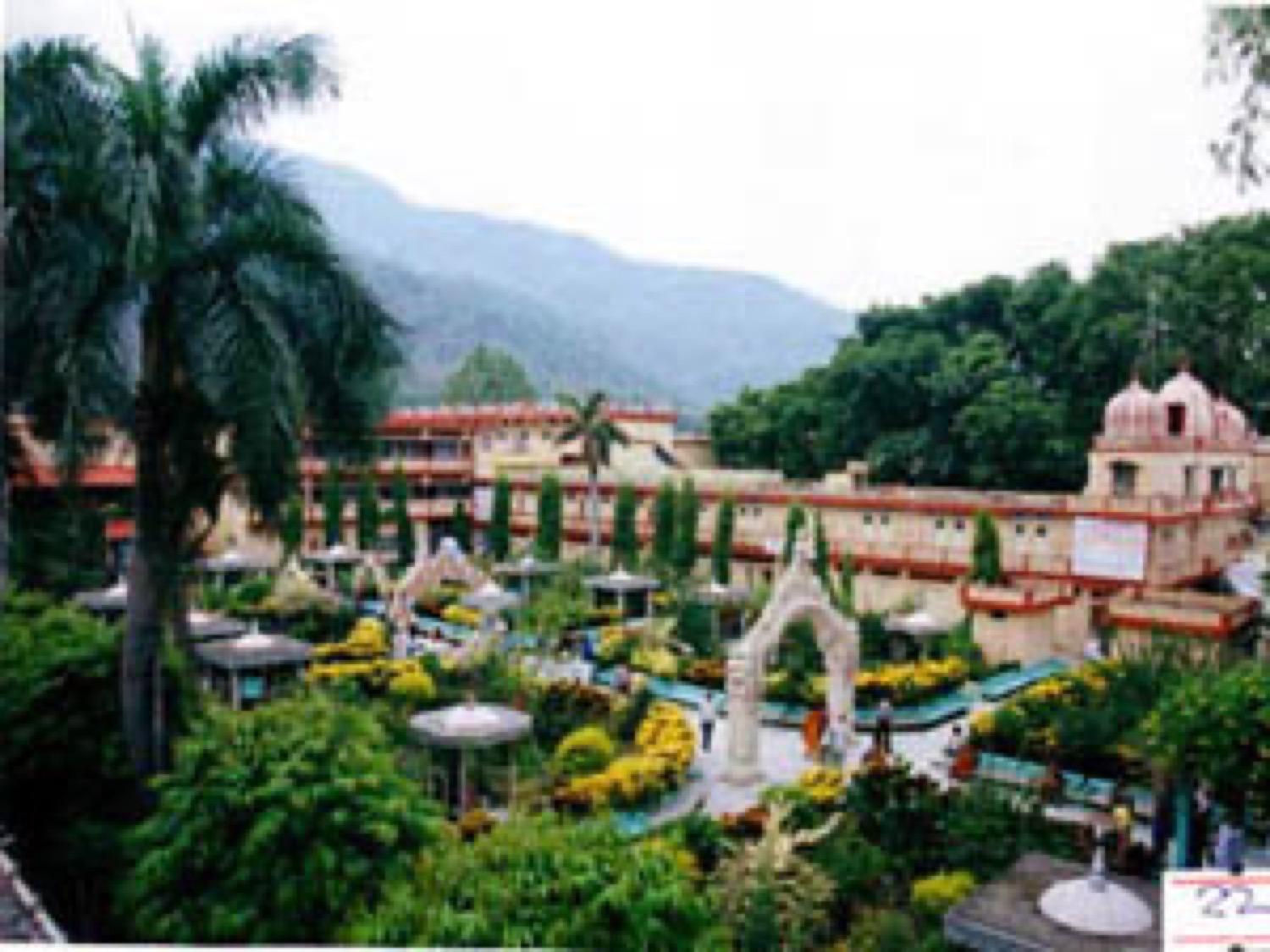
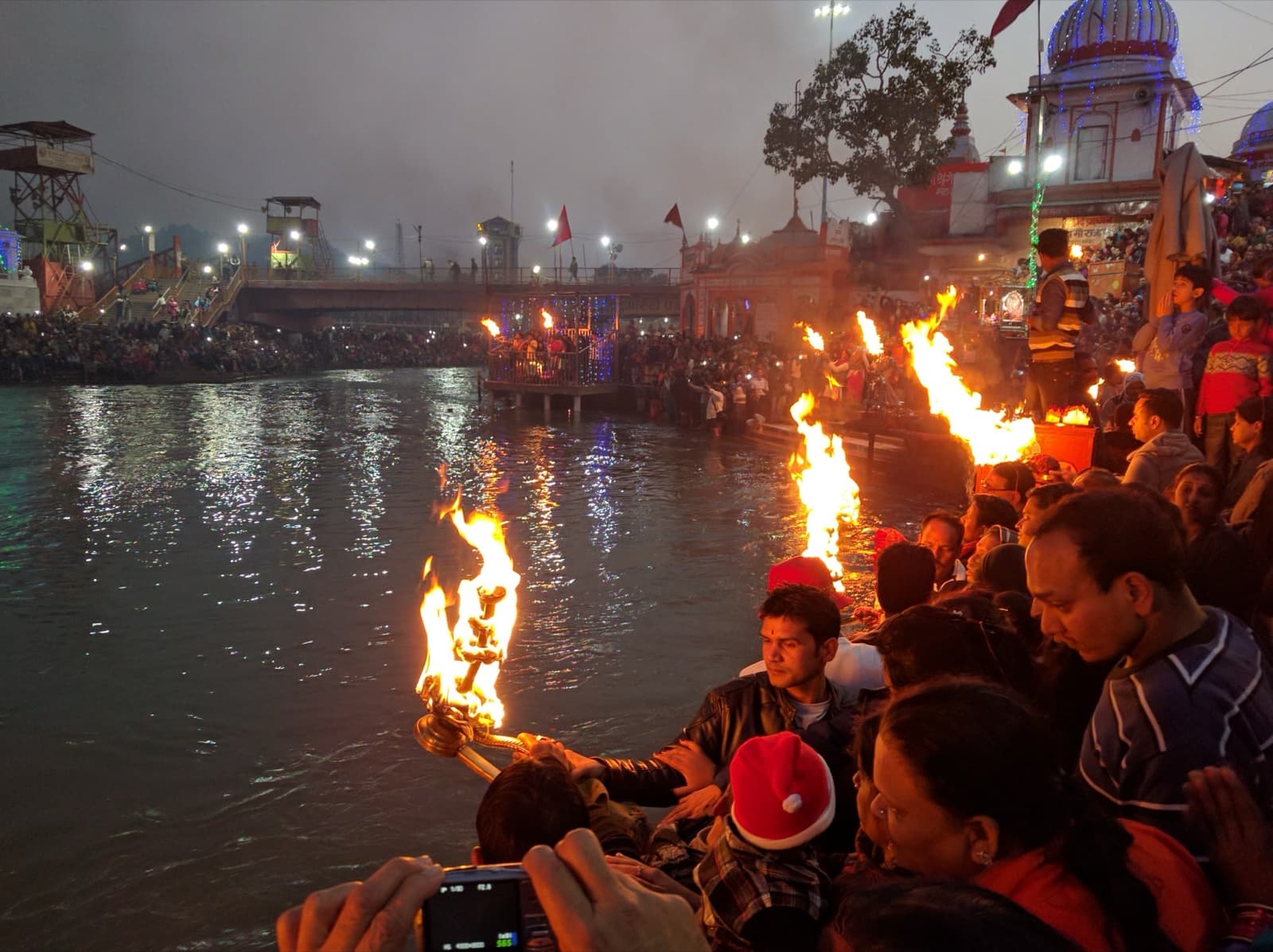
Every evening at dusk, on the banks of the Ganga at Rishikesh, a few hundred people gather on the steps of the Parmarth Niketan ashram, lamps in their hands, and sing the river to sleep. The Ganga Aarti — a ceremony of fire, song and flowing water — has become one of the most photographed spiritual sights in India, and the man who made it a nightly institution is Swami Chidanand Saraswati, a guru who has turned devotion to a river into a genuinely global cause.
The boy who went to the forest
He was born on 3 June 1952 in Rishikesh, and by his own account left home while still a child to live in the Himalayan forests, devoted to God and, as his lifelong motto has it, "in the service of God and humanity." He returned with master's degrees in Sanskrit and philosophy and a fluency in several languages that would later serve him on the world's interfaith stages. To his devotees he is simply "Pujya Swamiji" or "Muniji."
Parmarth Niketan
Since 1986 he has been the president and spiritual head of Parmarth Niketan, one of the largest ashrams in Rishikesh — a sprawling complex of hundreds of rooms on the Ganga's bank that hosts yoga, meditation and Vedic study for a constant stream of Indian pilgrims and Western seekers. Rishikesh has marketed itself for decades as the "yoga capital of the world," and Parmarth Niketan sits at its devotional heart.
The ceremony that became a movement
Chidanand Saraswati's signature achievement is the revival and spread of the Ganga Aarti. He set out to initiate the lamp-lighting ceremony up and down the river and to persuade as many ashrams as possible to turn their riverfronts into places of worship rather than neglect. The nightly Aarti at Parmarth Niketan now draws people of every faith from across the world to a serene sunset ritual of song and light — and, crucially, it reframed the Ganga not merely as a backdrop but as the sacred subject of worship, a shift with consequences.
Saving the river
Because if the Ganga is divine, its pollution is a desecration — and that logic drove Swamiji into environmentalism. He founded Ganga Action Parivar, a movement to clean and protect the Ganges, one of the world's most threatened rivers and a lifeline for more than 500 million people. It was an unusual move for a Hindu guru: to make river conservation, sewage treatment and industrial pollution the substance of a spiritual mission, mobilising the faith of millions in the service of an environmental cause.
A humanitarian empire
Around the ashram he has built a cluster of organisations that stretch far beyond meditation. The India Heritage Research Foundation runs education, health care and vocational training. The Divine Shakti Foundation supports widowed and impoverished women and children, and the protection of street animals. And most ambitiously, he co-founded the Global Interfaith WASH Alliance — a coalition that enlists the moral authority of the world's religious leaders behind the unglamorous goals of safe drinking water, sanitation and hygiene. It is a striking idea: that faith communities, which command the loyalty of most of humanity, could be marshalled to end open defecation and waterborne disease.
The interfaith diplomat
That instinct — that religion should be a force for unity and practical good — has made Chidanand Saraswati one of India's most prominent interfaith figures. "His religion is unity," his ashram says, and he has carried it to the United Nations, the World Bank, the World Economic Forum at Davos and the Parliament of the World's Religions, as well as to a Hindu-Jewish summit in Jerusalem and a Hindu-Christian dialogue convened by the Vatican. Few Hindu spiritual leaders move so easily between the ghats of Rishikesh and the conference halls of Geneva and New York.
The Rishikesh magnet
For the diaspora and the wider world, Swamiji and his ashram are a fixed point on the map of Indian spirituality. The Western yoga tourist who comes to Rishikesh, the diaspora family returning to bathe in the Ganga, the interfaith activist and the environmentalist all find something at Parmarth Niketan — a version of Hinduism presented as open, service-oriented and globally engaged. His annual International Yoga Festival draws teachers and students from dozens of countries to the riverbank each spring.
Why the series remembers him
Where the historical masters of this series carried yoga and Vedanta abroad, and other living gurus built meditation brands, Chidanand Saraswati represents a different model of the modern Indian spiritual leader: the guru as environmentalist and diplomat, who took the oldest form of Hindu devotion — the worship of a sacred river — and turned it into a platform for conservation, sanitation and interfaith peace. The lamps still float down the Ganga at Rishikesh every night. What Swamiji added was the argument that to love the river is to have to save it — and that a faith with a billion adherents might be the most powerful environmental movement the world has.
The American sannyasini and the Encyclopedia
Chidanand Saraswati's global reach is embodied in his closest associate, Sadhvi Bhagawati Saraswati, an American with a doctorate from Stanford who came to Parmarth Niketan as a traveller in the 1990s, stayed, and took monastic vows — becoming one of the most prominent Western-born figures in modern Hindu monasticism and a bridge between the ashram and its large Western following. Under Swamiji's direction the India Heritage Research Foundation also produced the monumental multi-volume Encyclopedia of Hinduism, an academic reference work years in the making — an attempt to set down the tradition's vast sweep in a single authoritative collection.
Riding the national tide
His river mission has aligned him, at times, with the Indian state's own campaigns — the Namami Gange programme to clean the Ganga and the Swachh Bharat drive for sanitation — giving a spiritual voice to goals the government was pursuing in policy, and lending those campaigns the moral weight of faith. Each spring his International Yoga Festival draws teachers and students from dozens of countries to the riverbank, cementing Rishikesh's claim as the world's yoga capital and Parmarth Niketan as its most visible ashram.
Continue the series · The Living Gurus
Related from Yoga & Spiritualism
Siddheshwar Brahmrishi Gurudev: the 'Siddhguru' who built a following online
Baba Ramdev: the yoga guru who built an empire, and the controversies that trail it
Sister Shivani: the engineer who became the diaspora's calm voice