

The Living Gurus: Sri Sri Ravi Shankar and the breath that built an empire
From a ten-day silence on a Karnataka riverbank, Sri Sri Ravi Shankar built the Art of Living into one of the largest spiritual movements on earth — and one of the most scrutinised.
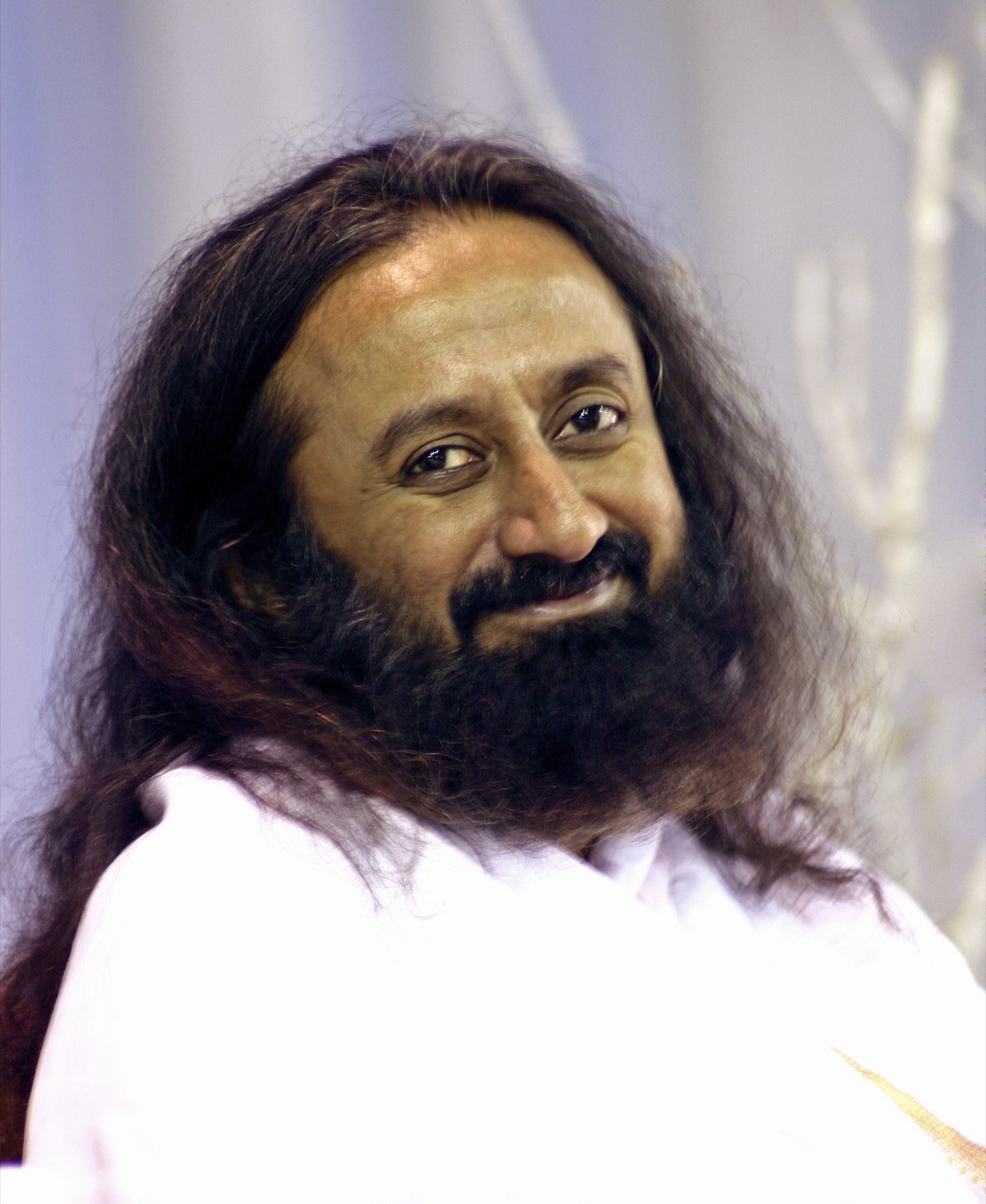
In a white robe and an unbroken smile, Sri Sri Ravi Shankar has spent four decades teaching the world to breathe. The organisation he built, the Art of Living Foundation, is one of the largest volunteer-run NGOs on earth, and "Gurudev," as his followers call him, is among the most globally networked of India's living spiritual teachers — a fixture at peace talks, disaster zones and stadium-sized gatherings alike.
From the TM movement to his own path
Born in Tamil Nadu in 1956, Ravi Shankar was, in his youth, associated with the Transcendental Meditation movement of Maharishi Mahesh Yogi, working within that organisation before striking out on his own. The break gave India a second great export-oriented meditation brand — one built not around a single mantra, but around the breath.
The Art of Living
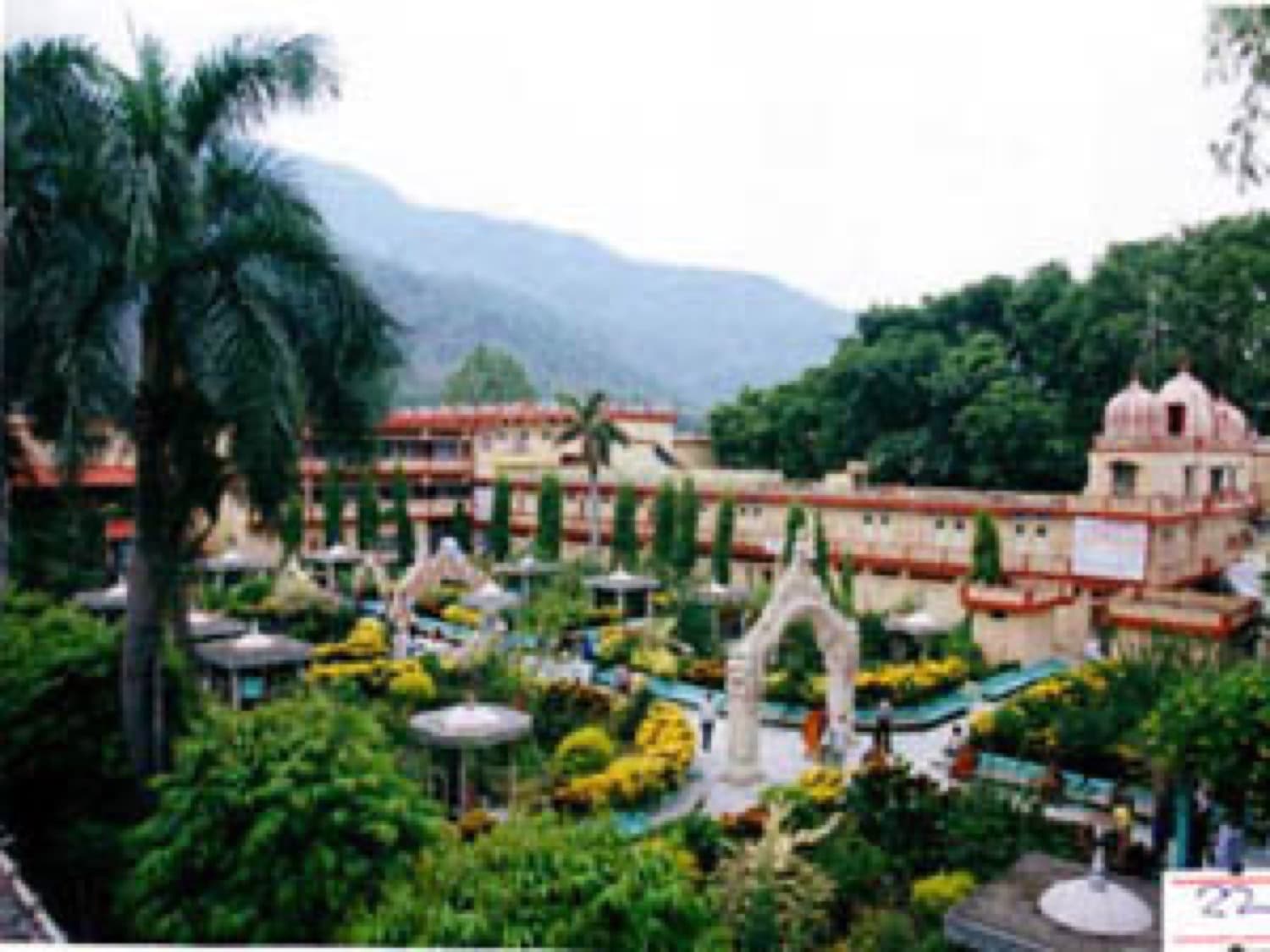
In 1981 he founded the Art of Living Foundation in Bengaluru, a volunteer-based, non-profit educational and humanitarian NGO dedicated, in its own words, to building a stress-free and violence-free society. From a single ashram on the city's outskirts it grew into a worldwide network of courses, centres and social projects, its sprawling Bangalore headquarters becoming a destination for seekers from around the world.
Sudarshan Kriya
At the centre of it all is a single technique. Sudarshan Kriya, a rhythmic, cyclical breathing practice, came to Ravi Shankar, by his account, in 1982 during a ten-day period of silence in Shimoga. He describes sudarshan as "right vision of who I am" and kriya as a purifying action; the practice is taught as the cornerstone of Art of Living courses and is credited by practitioners with producing deep calm and mental clarity. It is the breath, more than any doctrine, that the movement sells.
A network across continents
The scale of the operation is vast. The Art of Living says it has a presence in more than 180 countries and that its programmes have, over four decades, touched hundreds of millions of people — figures that, even discounted, describe one of the broadest reaches of any modern spiritual movement. Its courses run in corporate offices, universities, prisons and military units across the West, repackaging yogic breathing as practical stress management.
The humanitarian arm
Alongside the foundation, Ravi Shankar runs the International Association for Human Values, and the two bodies collaborate on a striking range of humanitarian work: trauma and disaster relief, rural development, prisoner rehabilitation, women's empowerment and conflict resolution. He has personally played a mediating role in conflict zones, lending his profile to peace efforts in places such as Colombia, Iraq and India's own troubled regions — a guru who positions himself as a diplomat of calm.
The World Culture Festival
His taste for scale is captured by the World Culture Festival, enormous multi-day celebrations of music, dance and interfaith gathering that draw tens of thousands of performers and millions of attendees. They are spectacles of soft power, designed to project an image of India as the world's spiritual and cultural host.
The Yamuna controversy
That ambition has not been without cost. The 2016 World Culture Festival, staged on the floodplain of the Yamuna River in Delhi, drew a major environmental backlash: India's National Green Tribunal found that the event had damaged the fragile floodplain and levied a substantial fine on the foundation, even as the organisation disputed the findings. It was a reminder that grand gestures of harmony can carry an ecological price, and critics have pointed to it, along with the movement's commercial scale, as evidence that the brand can outrun its principles.
Breath as a global export
Yet the core offering has proved remarkably durable. In an anxious, overworked age, a simple, learnable breathing technique — stripped of heavy theology and adaptable to a boardroom or a refugee camp alike — has found a global market. Sri Sri Ravi Shankar took one of yoga's oldest tools, the regulation of the breath, and turned it into a worldwide movement, carrying a distinctly Indian idea of inner peace into 180 countries on the strength of an inhale and an exhale.
Continue the series · The Living Gurus
Related from Yoga & Spiritualism
Siddheshwar Brahmrishi Gurudev: the 'Siddhguru' who built a following online
Baba Ramdev: the yoga guru who built an empire, and the controversies that trail it
Sister Shivani: the engineer who became the diaspora's calm voice