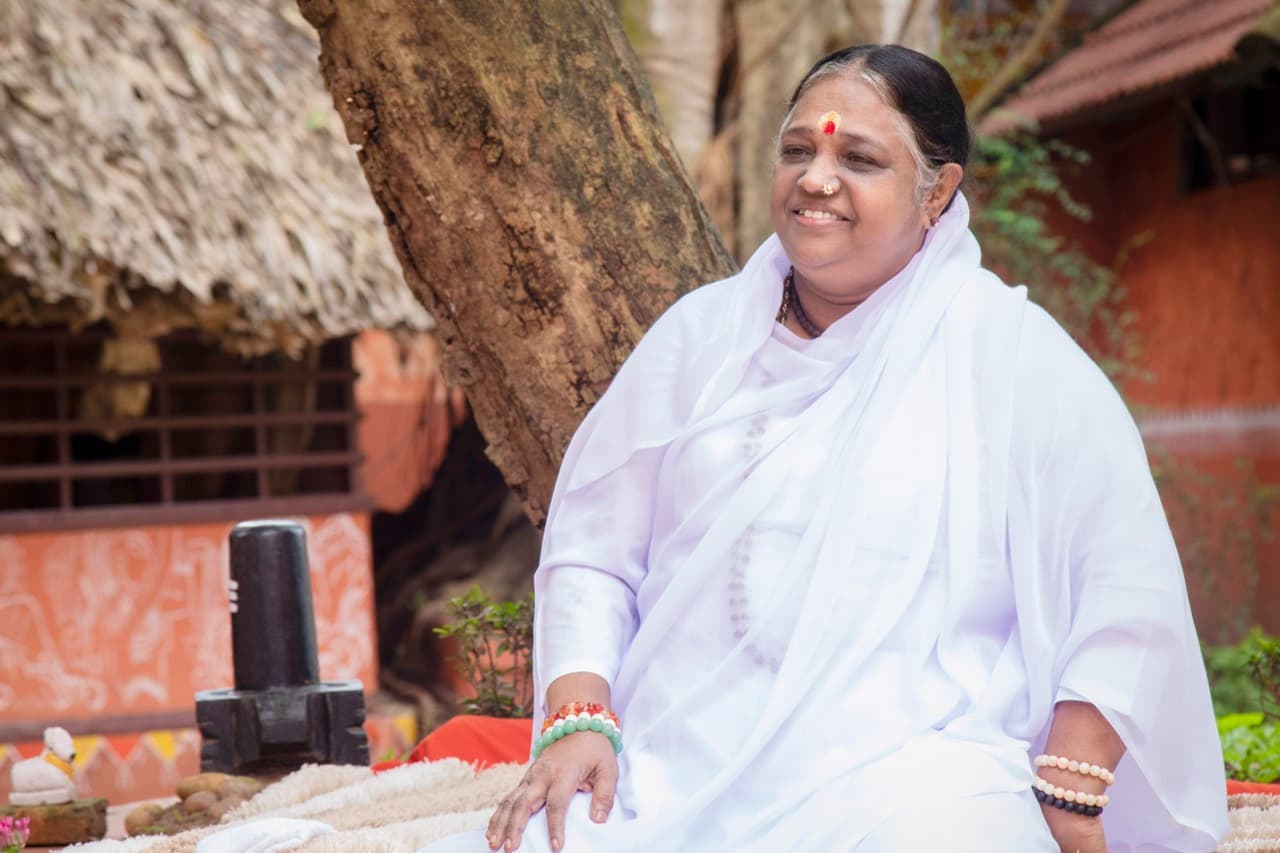


Siddheshwar Brahmrishi Gurudev: the 'Siddhguru' who built a following online
A teacher near Tirupati, known to his followers as 'Siddhguru', has built a global, multilingual audience through YouTube and podcasts. Part 7 of The Living Gurus looks at what his ashram presents — and at what can, and cannot, be independently verified.
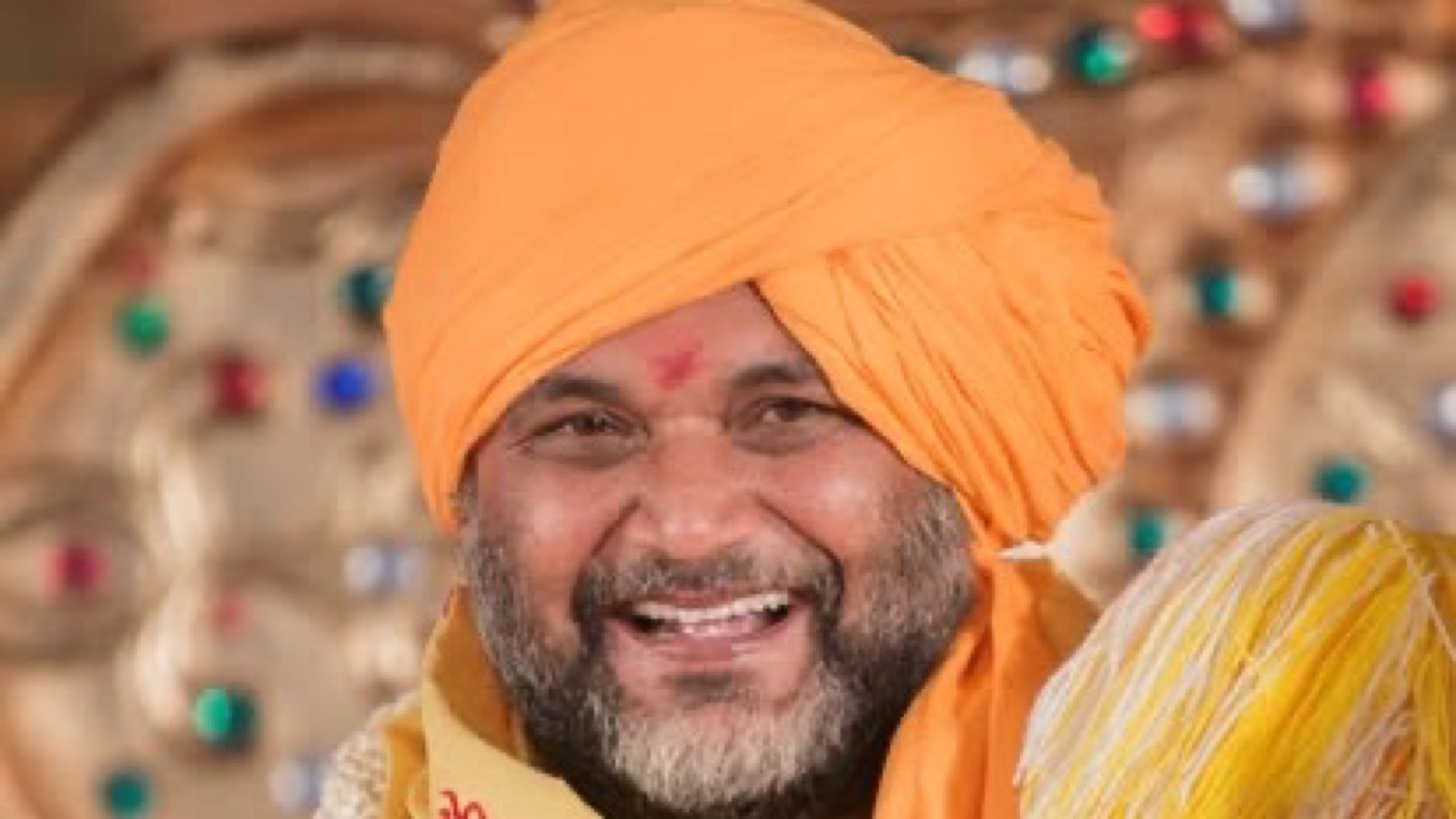
On YouTube he sits cross-legged in ochre robes; on Spotify his discourses run as a podcast titled Life Teachings by Siddhguru; on his organisation's websites, in Hindi and English, he is Sri Sidheshwar Brahmrishi Gurudev — "Siddhguru" to his devotees. He belongs to a new and fast-growing category of Indian spiritual teacher: the guru whose congregation is largely online. He is also, for a reporter, an unusually difficult subject — because almost everything on the public record about him has been published by his own institution.
We say that plainly at the outset, because it shapes everything that follows. This is an account of how Siddhguru and his ashram present him. Where a claim is the ashram's, we attribute it to the ashram; where verification is missing, we say so.
The ashram and the digital estate
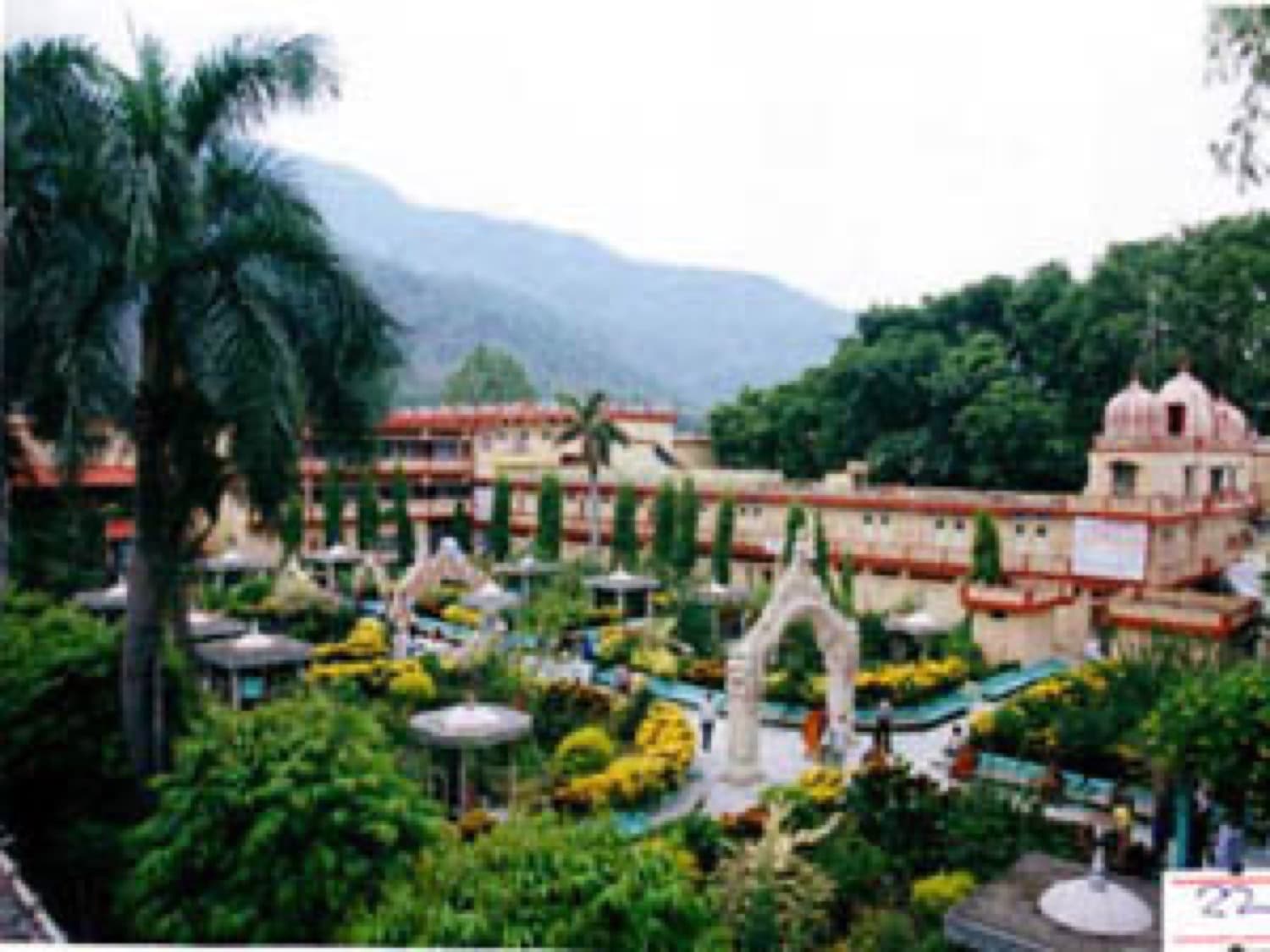
The centre of the movement is the Sri Brahmrishi Ashram, described on its own pages as a place of pilgrimage near the holy city of Tirupati, in Andhra Pradesh, "surrounded by hills." What distinguishes Siddhguru from an earlier generation of hillside ascetics is the reach he has assembled around that spot. There is a YouTube channel of discourses, a podcast carried on Spotify, an audiobook of his teachings on Audible, an events portal, and parallel websites in Hindi and English. The packaging is that of a traditional renunciate; the distribution is that of a modern media brand.
What the ashram says
The biographical claims are striking, and they should be read as claims. His followers say he was found as an abandoned child near the Kailasagiri temple in Andhra Pradesh, and that at the age of eleven he recovered his voice and what the ashram calls his “divine memory” through the grace of Devraha Baba; the ashram also credits him with a doctorate in the Vedas, Sanskrit and astrology. According to his organisation, Siddhguru has attained all eight siddhis — the classical yogic powers described in Indian scripture — and mastered 17,868 vidhis, or spiritual disciplines, under the guidance of Devraha Baba. Devraha Baba was a genuinely storied ascetic, said to have lived to a great age on a raised wooden platform beside the Yamuna and revered by pilgrims and politicians alike until his death in 1990; a lineage traced to him is a claim to a revered spiritual pedigree.
These are, by their nature, not the sort of assertions that can be checked by an outside party, and this publication makes no judgement on them. We note only that they are made by the ashram itself, and that they belong to a register — the enumeration of miraculous attainments — that has long served as a currency in India's crowded market of gurus.
The teaching
Set the metaphysical claims aside, and the everyday message is familiar and largely unobjectionable. The ashram promotes what it calls "Sidheshwar Consciousness": a life built on yoga, meditation, pranayama, dhyana, penance and vows, framed by the language of kundalini and the chakras, and anchored by a social ethic the movement repeats often — "Service to humanity is the best work of life." Whatever one makes of the supernatural biography, the practical content is the contemporary blend that most modern gurus offer: self-discipline, meditation and seva.
The guru in your pocket
Siddhguru is, in that sense, one of countless teachers who have discovered that the internet collapses the distance between a hillside ashram and a diaspora seeker in New Jersey or London. Where the pioneers of Indian spirituality in the West — Swami Vivekananda and Paramahansa Yogananda — crossed oceans by steamship, and where the largest contemporary movements, Sadhguru's Isha and Sri Sri Ravi Shankar's Art of Living, have built global institutions of ashrams and staff, a figure like Siddhguru reaches the same scattered audience through a phone screen, in English and Hindi, at almost no cost. The barrier to gathering a spiritual following has never been lower. That is both the promise and the peril of the moment.
What the tradition says about siddhis
There is an irony worth naming here. The siddhis are not an invention of modern gurus; they are catalogued in the foundational text of yoga itself, the Yoga Sutras of Patanjali, whose third chapter — the Vibhuti Pada — describes the extraordinary powers that deep meditation is said to unlock. But Patanjali does not present them as trophies. He warns, famously, that these attainments are obstacles to the highest state of absorption, seductions that can strand a practitioner short of liberation, which is the only real goal. For much of the tradition since, the quiet possession of powers has been one thing and their advertisement quite another: the adept who needs you to know what he can do is, by this older logic, revealing how far he still has to travel. A movement that foregrounds a numbered tally of siddhis is therefore making an unusual choice by the lights of the very scripture it invokes — offering as a credential what the classical text treated as a hazard.
The verification problem
Because the flip side of that low barrier is a thin public record. Independent, third-party reporting on Siddhguru is essentially absent: there is no mainstream-press profile, no encyclopaedia entry, no academic study we could find. What exists is what he and his ashram have chosen to publish about themselves. This does not, by itself, make a teacher illegitimate — many sincere and worthwhile ones operate exactly this way, outside the notice of the press. But it does mean that a prospective follower is reading only one side of the ledger, and ought to know it. In an online spiritual marketplace where declarations of miraculous power double as marketing, the absence of any outside scrutiny is itself a fact worth weighing.
The oldest rule
For his devotees, Siddhguru offers what gurus have always offered — a path, a discipline, and the promise of transformation, now delivered to the palm of the hand. For the outside observer, he is a small but instructive example of how spiritual authority is assembled in the 2020s: not on a riverbank before a physical crowd, but on a channel, a feed and a subscribe button. What has not changed is the oldest rule of the tradition itself — that the seeker, in the end, must test the teacher, and judge for themselves.
Related: an appreciation of Sri Siddheshwar Brahmrishi Gurudev's teachings and following.
Continue the series · The Living Gurus
Related from Yoga & Spiritualism

Baba Ramdev: the yoga guru who built an empire, and the controversies that trail it
Sister Shivani: the engineer who became the diaspora's calm voice
Swami Chidanand Saraswati: the guru who made the Ganga a global cause