


India extends OCI eligibility to 5th- and 6th-generation Tamils in Sri Lanka
Part of a long-sought reform: India has widened Overseas Citizen of India eligibility past the old fourth-generation limit, opening lifelong, visa-free ties to India for the descendants of Sri Lanka's plantation labourers.

India has expanded Overseas Citizen of India (OCI) eligibility to the fifth and sixth generations of Indian-origin Tamils in Sri Lanka, announced on 20 April 2026, lifting a cap that had stood at the fourth generation.
The beneficiaries are Sri Lanka's "Hill Country" or estate Tamils — descendants of labourers carried from southern India in the nineteenth and early twentieth centuries to work the island's tea and coffee plantations, a community long shadowed by statelessness and thin paperwork. OCI status grants lifelong, visa-free entry to India and the right to live and work there.
Recognising that many lack documents to prove descent, India has also simplified the evidence required: applicants may now rely on Sri Lankan government lineage certificates, old India–Sri Lanka passports issued to ancestors, or records held by the Indian High Commission in Colombo and the Assistant High Commission in Kandy.
It is a quiet but significant act of diaspora policy — extending India's modern citizenship-adjacent status to one of the oldest and most overlooked branches of its emigrant family.
Sources: Envoy Global · VisaHQ.
For the history behind that community, read The Hill Country Tamils — two centuries on Sri Lanka's tea, and a citizenship that came half a century late.
And once you hold the card, what can you own? See Can OCI cardholders buy property in India? The 2026 rules.
Related from Heritage
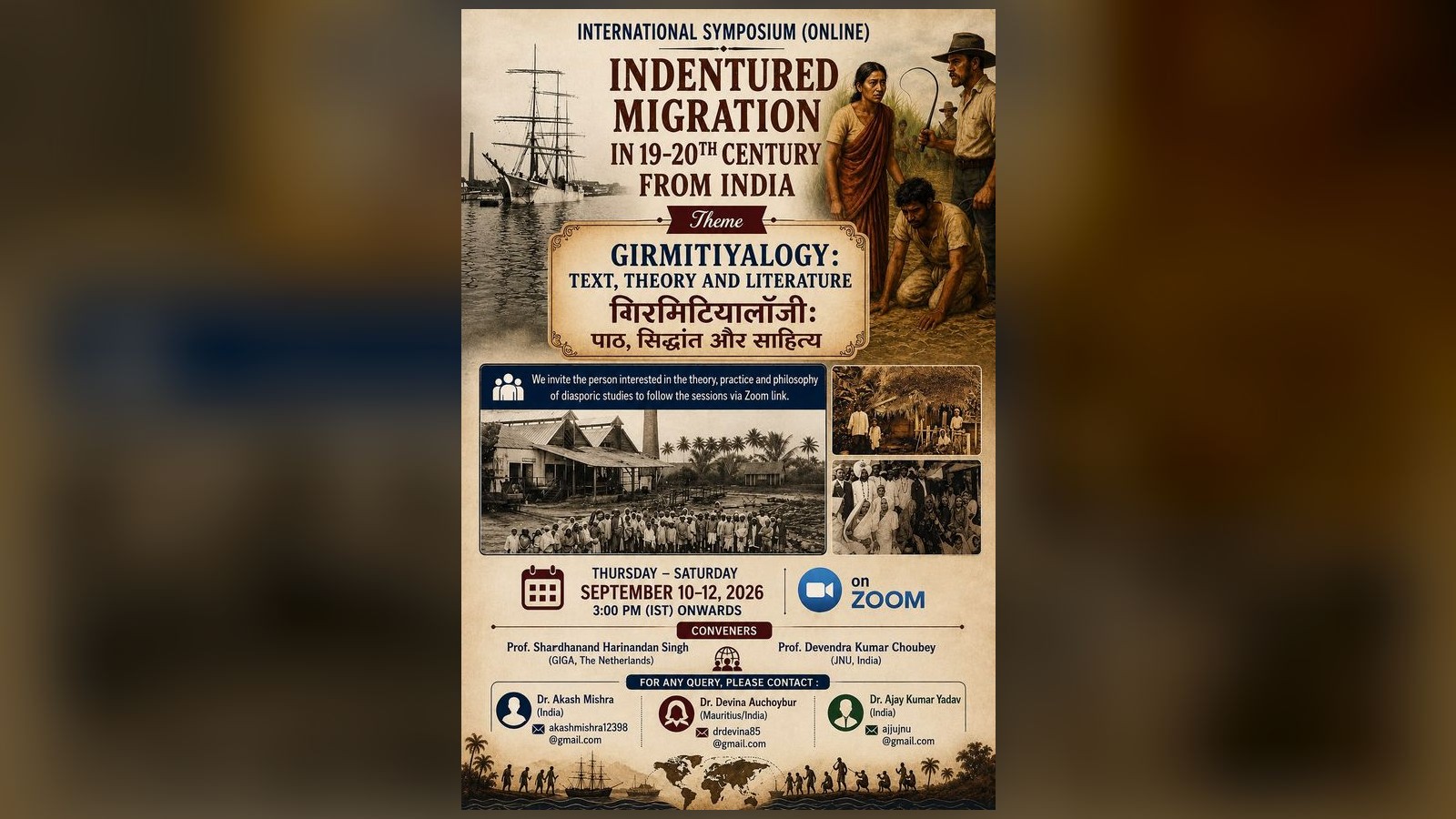
‘Girmitiyalogy’: an online symposium on India's indentured migration (10–12 September 2026)

The ship that was turned away: how Indians came to Canada

From the mills to Downing Street: how South Asians made Britain home