

The Indians of South Africa: from Natal's cane fields to Gandhi and the fight against apartheid
They came in 1860 to cut sugar in Natal and stayed to become 1.7 million — the community that shaped Gandhi, filled Durban, and helped bring apartheid down. The 165-year story of South Africa's Indians.
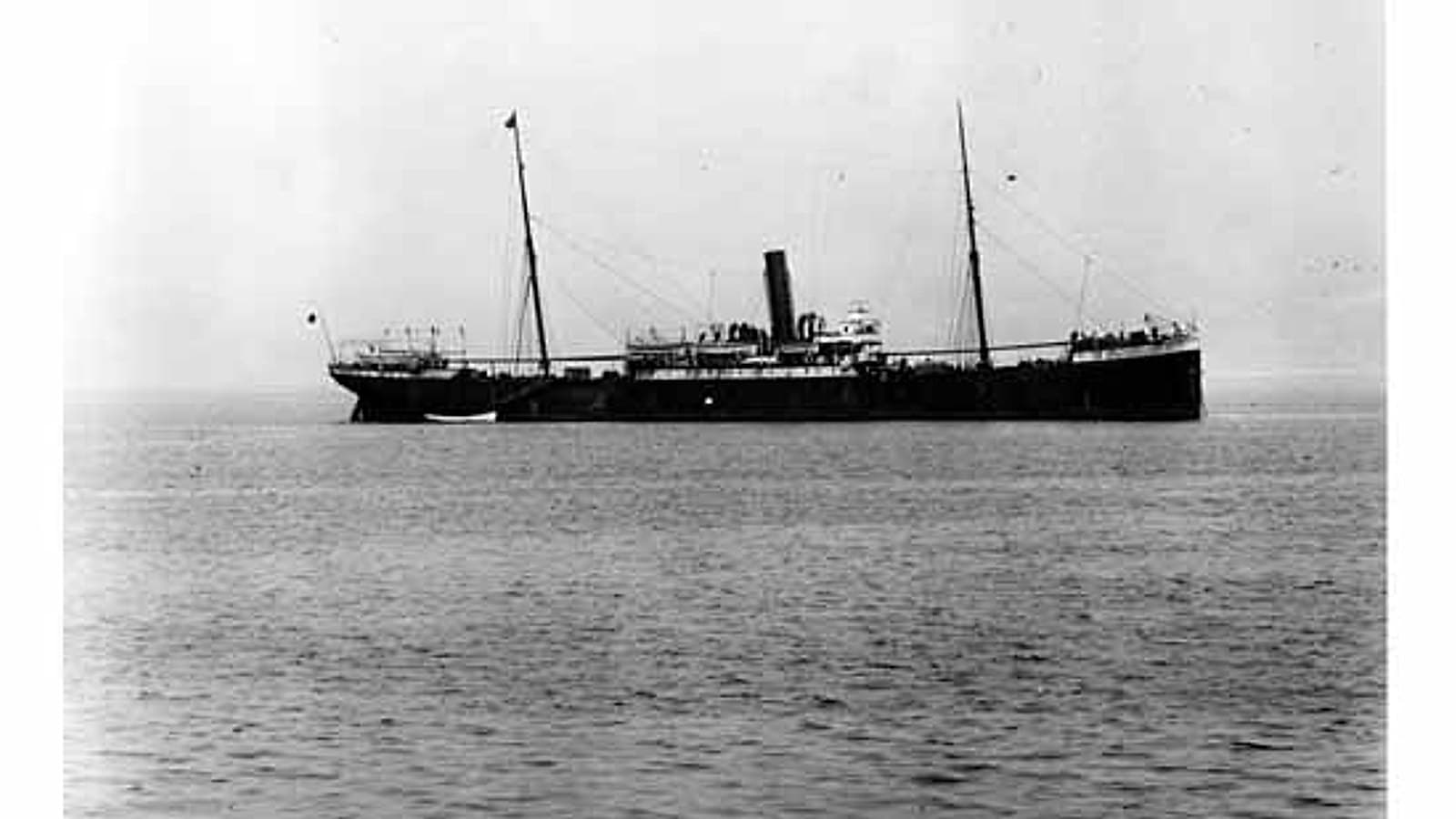
On 16 November 1860, a ship called the Truro docked at Durban carrying 342 indentured labourers from Madras. They had signed away five years of their lives to cut sugar cane in the British colony of Natal. They were the first of many: over the next five decades, around 200,000 Indians followed them into indenture, and their descendants would become the largest community of Indian origin on the African continent.
The cane and the contract
The system that brought them was indenture — the "new system of slavery" that filled the labour gap left when the actual slave trade ended. A worker signed for five years on a plantation, was paid a pittance, and could re-indenture or, in theory, sail home at the end. Most did not go home. They moved from the cane fields into coal mines, onto the railways, into market gardening and fishing, and slowly built lives along the Natal coast.
Behind the indentured came a second, different wave: the "passenger" Indians, free migrants who paid their own way. Many were Gujarati Muslim traders — Memons and Surtis — who arrived as British subjects and set up shop. It was Durban's Grey Street quarter, dense with their businesses and mosques, that became the commercial heart of Indian South Africa.
The lawyer who missed his train
In 1893 one of those passenger Indians hired a young lawyer from Gujarat to handle a lawsuit. His name was Mohandas Karamchand Gandhi, he was 23, and the year he meant to spend in South Africa turned into twenty-one.
The turning point is famous: thrown off a first-class train at Pietermaritzburg for being an Indian who would not move to third class, Gandhi spent the night on a cold platform and resolved to fight. He founded the Natal Indian Congress in 1894, edited a newspaper, built the Phoenix Settlement outside Durban, and — crucially — developed there the method he would later carry to India: satyagraha, mass non-violent resistance. The technique that helped free India was forged in the struggles of South Africa's Indians. Gandhi left in 1914. The community he had organised stayed.
Durban, and a world of its own
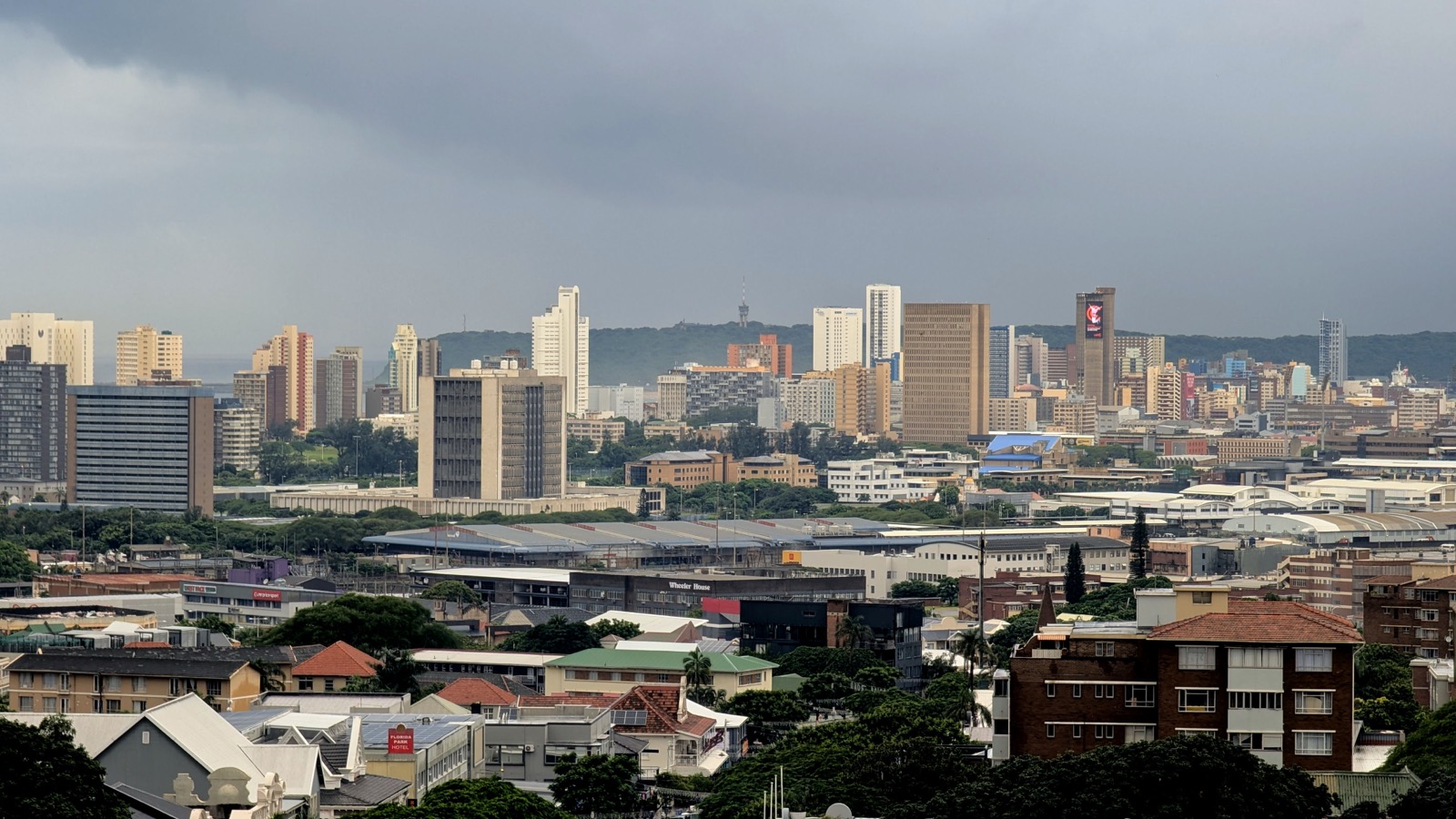
Today there are 1.7 million people of Indian descent in South Africa — 1,697,506 at the 2022 census, about 2.74 per cent of the country. Most are concentrated in and around Durban, which by some measures holds one of the largest Indian-descended populations of any city outside India itself. Tamil and Telugu and Hindi and Gujarati names, Hindu temples and mosques and kovils, a cuisine all its own — the bunny chow, a hollowed loaf packed with curry, was invented here — a whole world grew on the Natal coast that was neither quite India nor quite anywhere else.
Two communities in one
Indian South Africa was never a single bloc. The descendants of the indentured — largely Tamil, Telugu and Hindi-speaking Hindus and Christians whose grandparents had cut cane — and the "passenger" traders — largely Gujarati Muslims who had arrived with capital — built parallel worlds that only partly overlapped. Language, religion, class and the memory of how each family had first come divided them for generations, even as apartheid lumped them together under a single racial label.
The division softened over time, pressed together by a common enemy and a shared address. But it never wholly vanished. The community's grand Durban temples and its Grey Street mosques, its Tamil kovils and its Gujarati trading dynasties, still trace two very different journeys to the same stretch of coast — the ship's hold and the paid passage, the plantation and the shop.
Classified, and removed
Apartheid, from 1948, had no comfortable slot for them. The system's obsession with racial categories filed them as "Indian" — not white, not African, not Coloured — and legislated accordingly. The Group Areas Act of 1950 tore apart mixed neighbourhoods and forced Indian families into segregated townships; communities like Cato Manor were bulldozed and their residents moved out. For years, Indians were barred from living in the Orange Free State province at all.
There was violence from below as well as above. The 1949 Durban riots, an outbreak of African–Indian conflict the authorities did little to stop, left 142 people dead and more than a thousand injured — a wound the apartheid state was content to let fester.
In the struggle
And yet South Africa's Indians were not bystanders to the fight against apartheid; they were near its centre. Ahmed Kathrada stood trial alongside Nelson Mandela at Rivonia in 1964 and spent 26 years in prison, much of it on Robben Island. Yusuf Dadoo, Kader Asmal, Mac Maharaj, Fatima Meer — Indian names run all through the liberation movement, and the 1947 "Doctors' Pact" between Indian and African leaders helped knit the alliance that eventually won. When Mandela walked free, Indians were among those who had walked the long road with him.
After freedom
Democratic South Africa has been, for its Indians, a complicated homecoming of a different kind. The community is, on average, more prosperous than the Black majority and less so than the white minority — an in-between position that carries its own frictions, occasionally flaring, as in the July 2021 unrest in KwaZulu-Natal that strained African–Indian relations in places like Phoenix. Belonging, for a minority that has been in the country 165 years, is still being negotiated.
The apartheid government even built the community its own segregated campus, the University of Durban-Westville — which its students promptly turned into a cradle of anti-apartheid protest. But the length of that presence is the point. The people who came off the Truro to cut cane did not stay migrants; they became South Africans, gave the country a prime shaper of its conscience, and helped end the system that tried to define them by race. It is one of the oldest and most consequential chapters the Indian diaspora has written anywhere.
More of the diaspora's East African story: the Ugandan Asians and Idi Amin's 1972 expulsion. For the indenture system that carried Indians across the world, see our Girmitiya coverage.
Related from Heritage
Kundanlal Gupta: the Indian who saved Jewish families from the Nazis
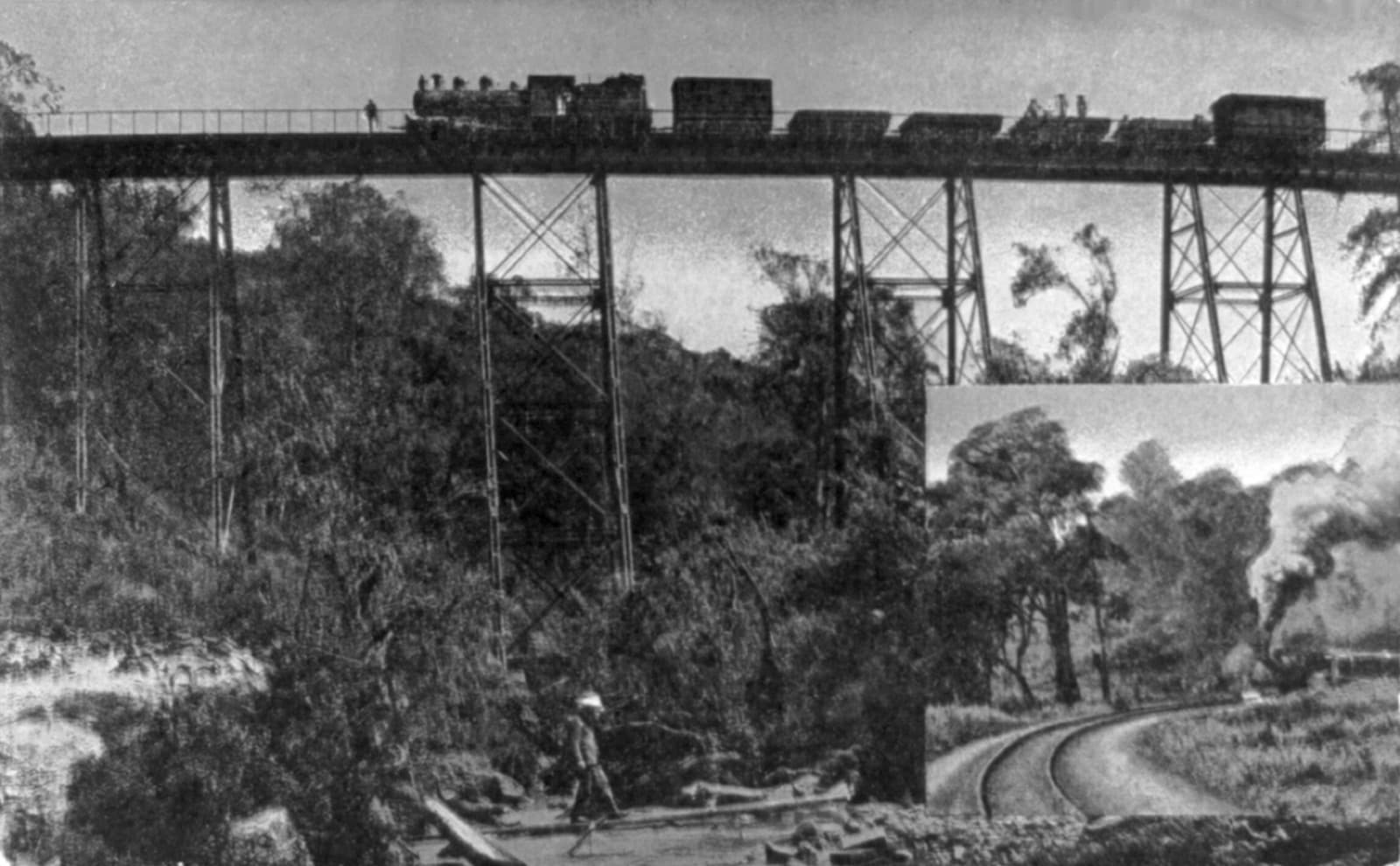
The Lunatic Line: the Indians who built East Africa's railway
‘Girmitiyalogy’: an online symposium on India's indentured migration (10–12 September 2026)