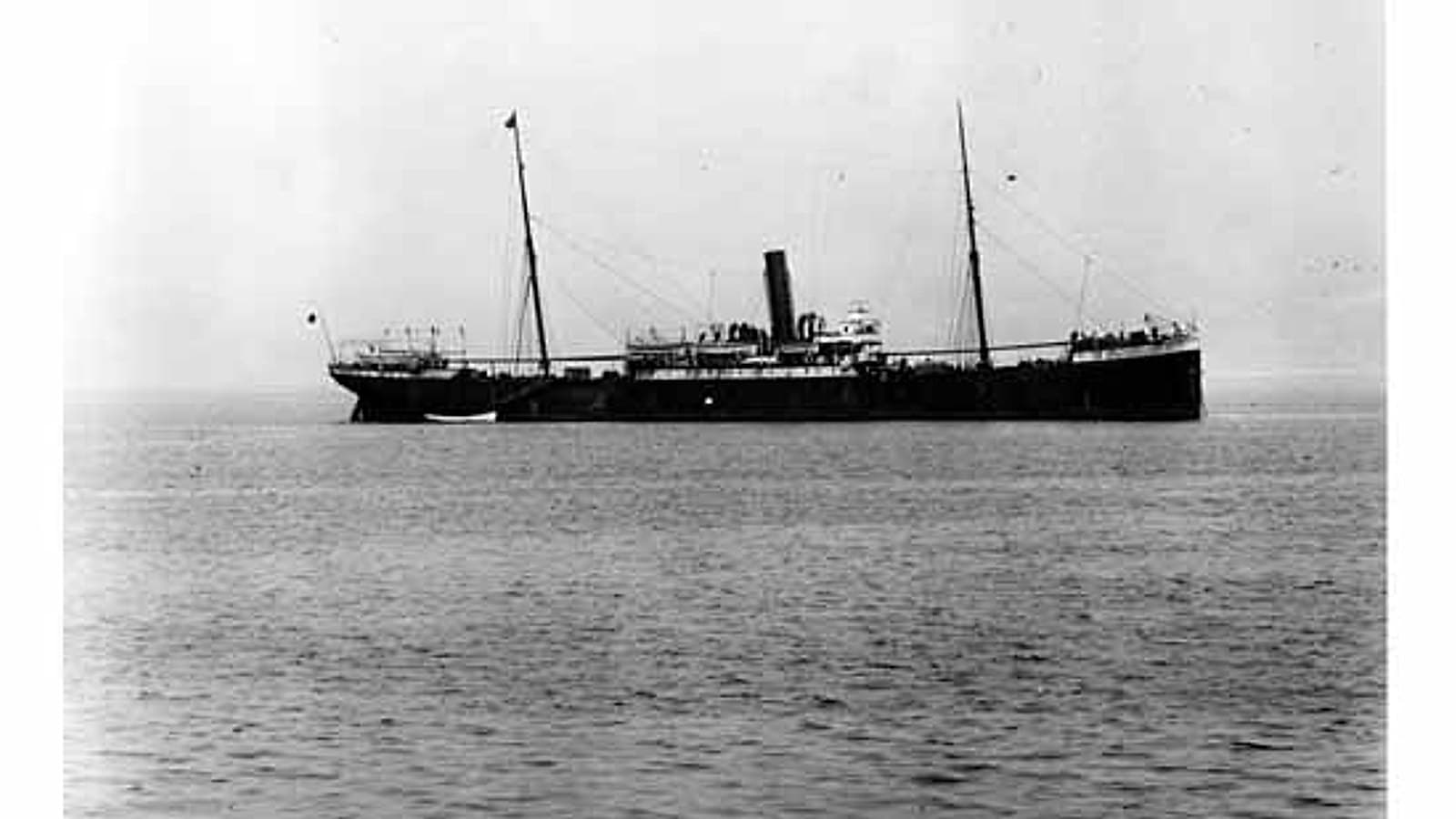


The Ugandan Asians: how Idi Amin expelled 80,000 in 90 days — and where they rebuilt
In August 1972 Idi Amin gave Uganda's South Asians 90 days to leave. Some 80,000 people, many holding British passports, scattered to Leicester, Toronto and beyond — and rebuilt. The expulsion and its long afterlife.
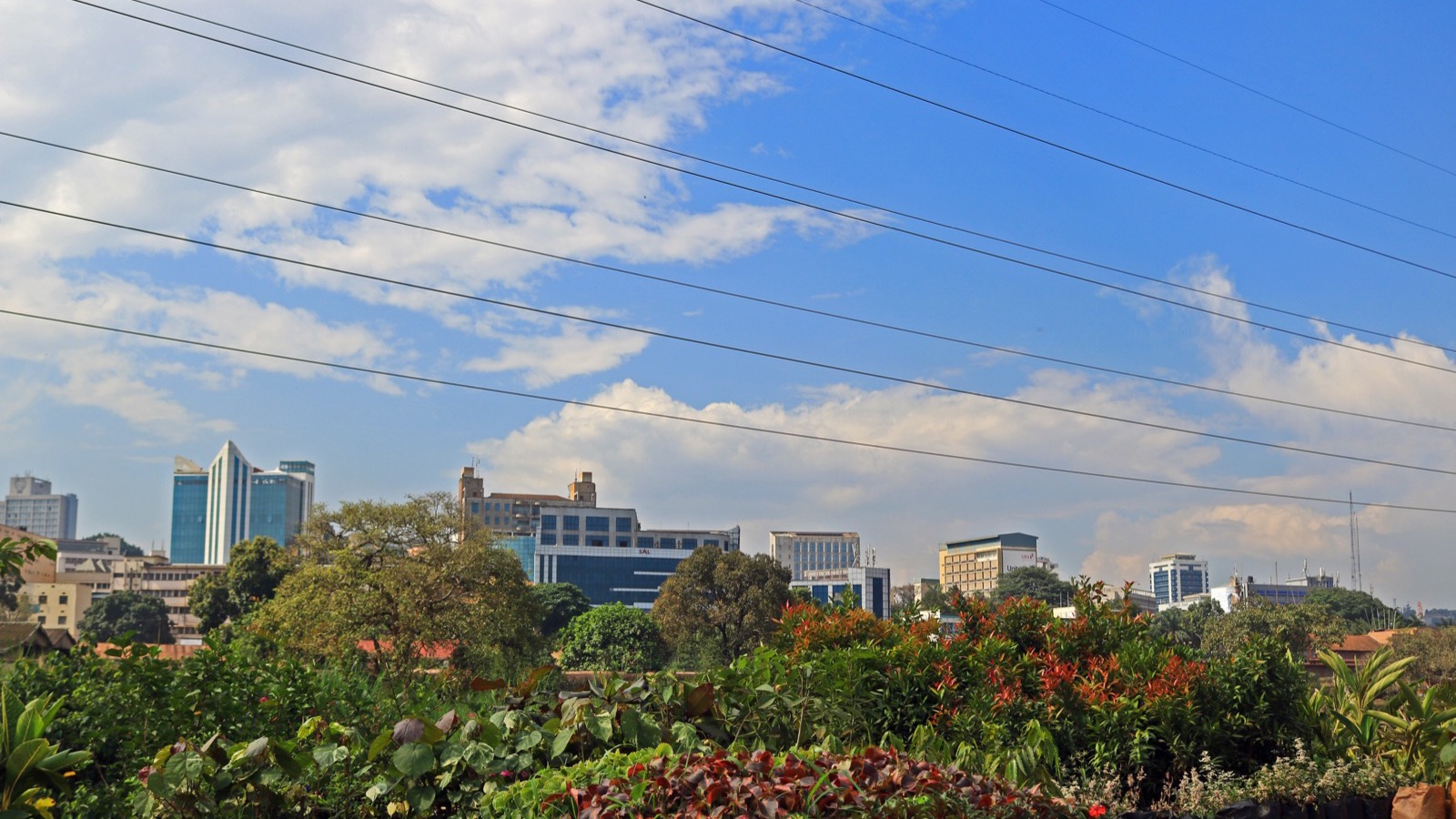
On 4 August 1972, Idi Amin told Uganda's South Asians that God had come to him in a dream and instructed him to expel them. They had ninety days to leave.
The order fell on a community that had been in East Africa for the better part of a century, and it emptied it almost completely. Within three months, some 80,000 people of South Asian descent had gone — scattered to Britain, Canada, India and a dozen other countries, each carrying $120 and 485 pounds of luggage, which was all Amin's decree allowed them to take.
Who they were
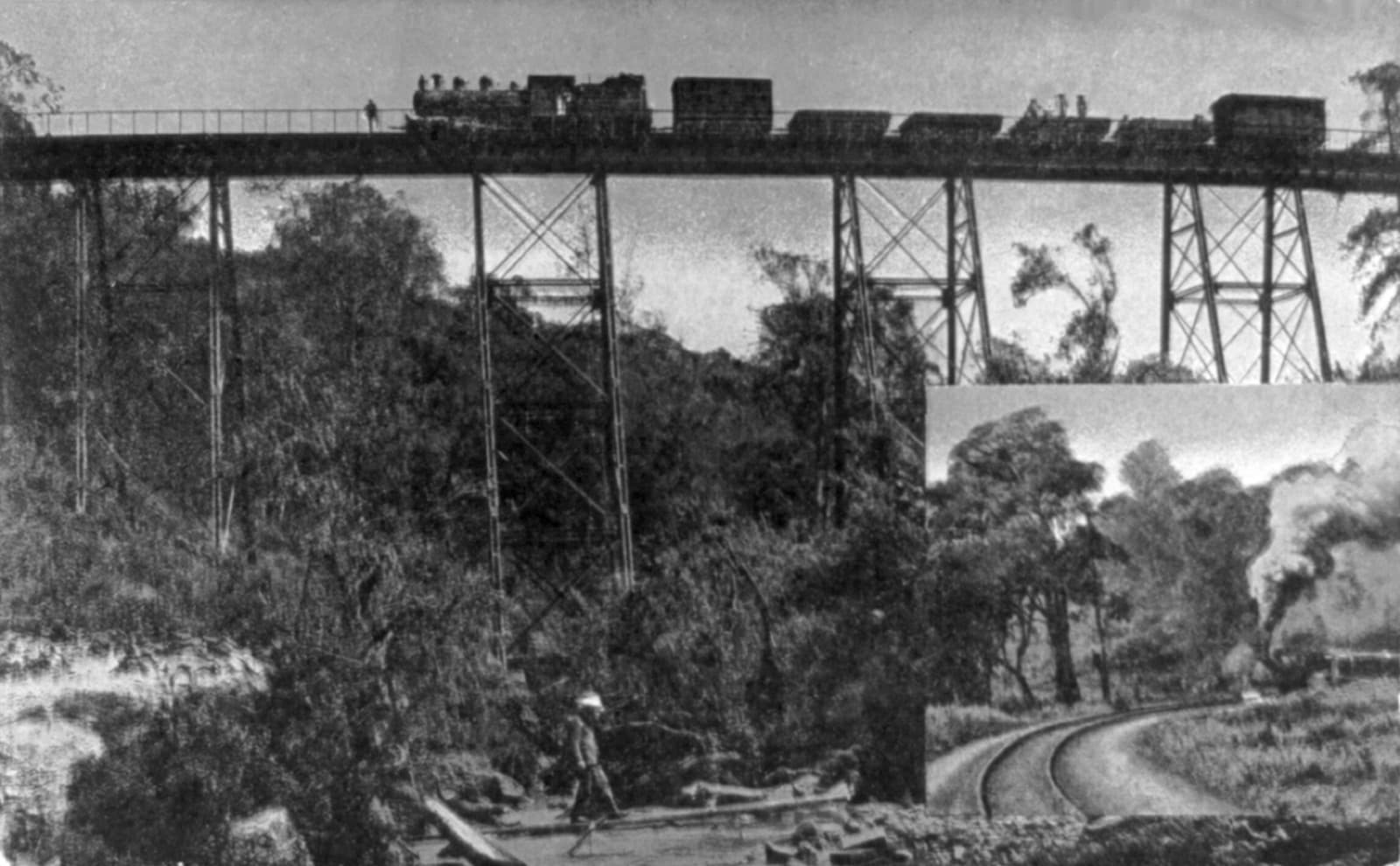
They were not, for the most part, recent arrivals. South Asians had first come to Uganda in numbers in the 1890s, many as indentured labourers building the Uganda Railway, others following as traders. Over the decades that followed they became the commercial connective tissue of the colony — the dukawallas who ran the shops, the accountants and lawyers and doctors, the owners of sugar estates and cotton gins. By independence in 1962 they were a small minority holding an outsized share of the economy, and that visibility made them a target.
Citizenship sharpened it. At independence, many Ugandan Asians declined Ugandan nationality and kept their British passports — a hedge that felt prudent and proved fateful. When Amin acted, up to 50,000 of the roughly 80,000 were British passport holders; about 23,000 had taken Ugandan citizenship. The paperwork decided where they could go.
Ninety days
The expulsion was also an act of economic self-destruction, though Amin did not see it that way. The state seized 5,655 firms, farms, ranches and estates, along with homes, cars and household goods, and handed the overwhelming majority — 5,443 of them — to individuals, mostly Amin's soldiers and allies. Businesses that had taken generations to build were gone in a signature. Uganda's economy, stripped of the people who ran much of it, did not recover under Amin.
For the families, ninety days meant selling what could be sold for whatever it fetched, abandoning the rest, and queuing for exit papers while soldiers made the wait unpleasant. The lucky ones held a passport that opened a door somewhere.
Where they went
Britain took the largest share. Around 27,200 came to the United Kingdom, processed through a hastily assembled Uganda Resettlement Board and dispersed to camps in disused military bases before they found their feet. Their reception was not warm. Leicester's city council, fearing a strain on housing, took out an advertisement in Uganda's press urging the arrivals not to come to the city — a message that backfired, drawing many of them there precisely because they had now heard of it. Belgrave Road, in time, became one of Britain's best-known South Asian high streets.
Canada took about 6,000, in a chapter that turned on one appeal: the Aga Khan IV, spiritual leader of the Ismaili Muslims, went directly to Prime Minister Pierre Trudeau, and Canada opened its doors to thousands of Nizari Ismailis who became the seed of a community now woven through Toronto and Vancouver. India took around 4,500 — a complicated homecoming for people whose families had left generations earlier. Kenya and Pakistan took about 2,500 each; roughly a thousand each went to Malawi, West Germany and the United States. Around 20,000 are simply unaccounted for in the records.
The rebuild
The part that made the expulsion famous is what came after it. The community that reached Britain with two suitcases and a currency limit rebuilt — first through the corner shop and the cash-and-carry, then upward, into the professions, business and, eventually, public life. Leicester, the city that had told them to stay away, was remade by them; the dukawalla instinct Amin had tried to erase turned out to be portable.
Uganda came, belatedly, to regret the loss. Under President Yoweri Museveni in the 1990s, the government invited expelled families to return and set up a process to restore confiscated property. Some came back — the Madhvani industrial family among them — and helped rebuild the economy the expulsion had gutted. Most did not; by then a second generation had put down roots in Leicester and Toronto and had no wish to leave.
It was not only Uganda
Amin's decree was the most brutal act in a wider East African squeeze. Across the region, the newly independent states were "Africanising" their economies, and the Asian trading minority was the most exposed. Kenya had moved first: its Africanisation drive in the late 1960s pushed tens of thousands of Kenyan Asians to leave, most for Britain, in numbers large enough that the British government rushed through the Commonwealth Immigrants Act of 1968 to slow the arrival of its own passport holders. Tanzania nationalised property and businesses under its socialist programme, squeezing the Asian commercial class there too. Uganda's expulsion was the sharpest edge of a pattern that, over a decade, unwound a century of South Asian settlement across East Africa and pushed it toward Britain, Canada and North America.
What it means
The expulsion of Uganda's Asians is remembered, when it is remembered, as a story about Idi Amin. It is more usefully read as a story about the diaspora itself — how quickly a community that has been somewhere for eighty years can be unmade, and how much of what it is survives the unmaking. The families Amin scattered did not vanish; they reappeared, a few years later, running the shops and clinics of other countries, and their grandchildren now sit in the parliaments and boardrooms of the places that took them in.
It is also a lesson the diaspora keeps relearning: that the passport in the drawer matters, that a settled minority can become a scapegoat overnight, and that the door open today is not guaranteed tomorrow. The Ugandan Asians learned it in ninety days. They spent the next fifty years proving that a community can lose everything but the thing that made it — and begin again.
Another community written out of a country almost overnight: the Indians of Burma and the vanishing of old Rangoon. For the wider story of Indian indenture, see our Girmitiya coverage.
Related from Heritage
Kundanlal Gupta: the Indian who saved Jewish families from the Nazis
The Lunatic Line: the Indians who built East Africa's railway
‘Girmitiyalogy’: an online symposium on India's indentured migration (10–12 September 2026)