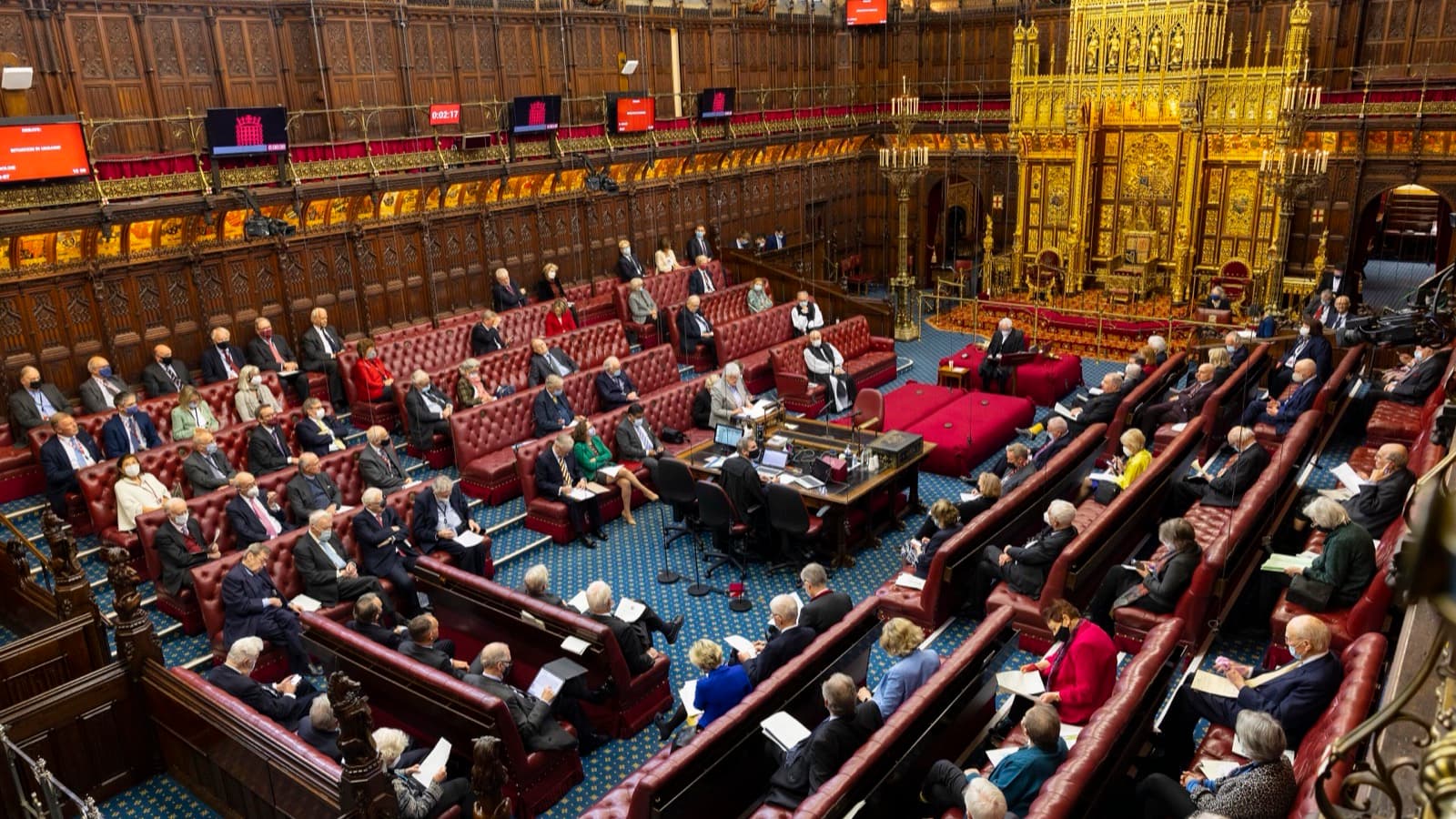


From the cane fields to the cabinet: the Indo-Caribbean leaders who run their nations
Long before Rishi Sunak or Kamala Harris, the descendants of indenture were already winning the top jobs — presidents and prime ministers of Indian descent across Trinidad, Guyana and Suriname, governing the very lands their ancestors were shipped to in bondage.
The story of Indian political power abroad is usually told as a recent, Western one — a British prime minister, an American vice-president, the children of late-twentieth-century migrants. But the oldest and deepest version of that story is in the Caribbean, where the descendants of indentured labourers have been winning the highest offices for decades, governing the very colonies their great-grandparents were shipped to in chains-by-contract.
The longer arc
Between the 1830s and 1917, more than half a million Indians were carried under indenture to the British and Dutch Caribbean — to British Guiana, Trinidad and Dutch Suriname — to cut cane after the abolition of slavery. They arrived with nothing and at the bottom of rigidly racial colonial societies. Within a century, their descendants would lead those societies as elected heads of government.
Trinidad: Panday and Persad-Bissessar
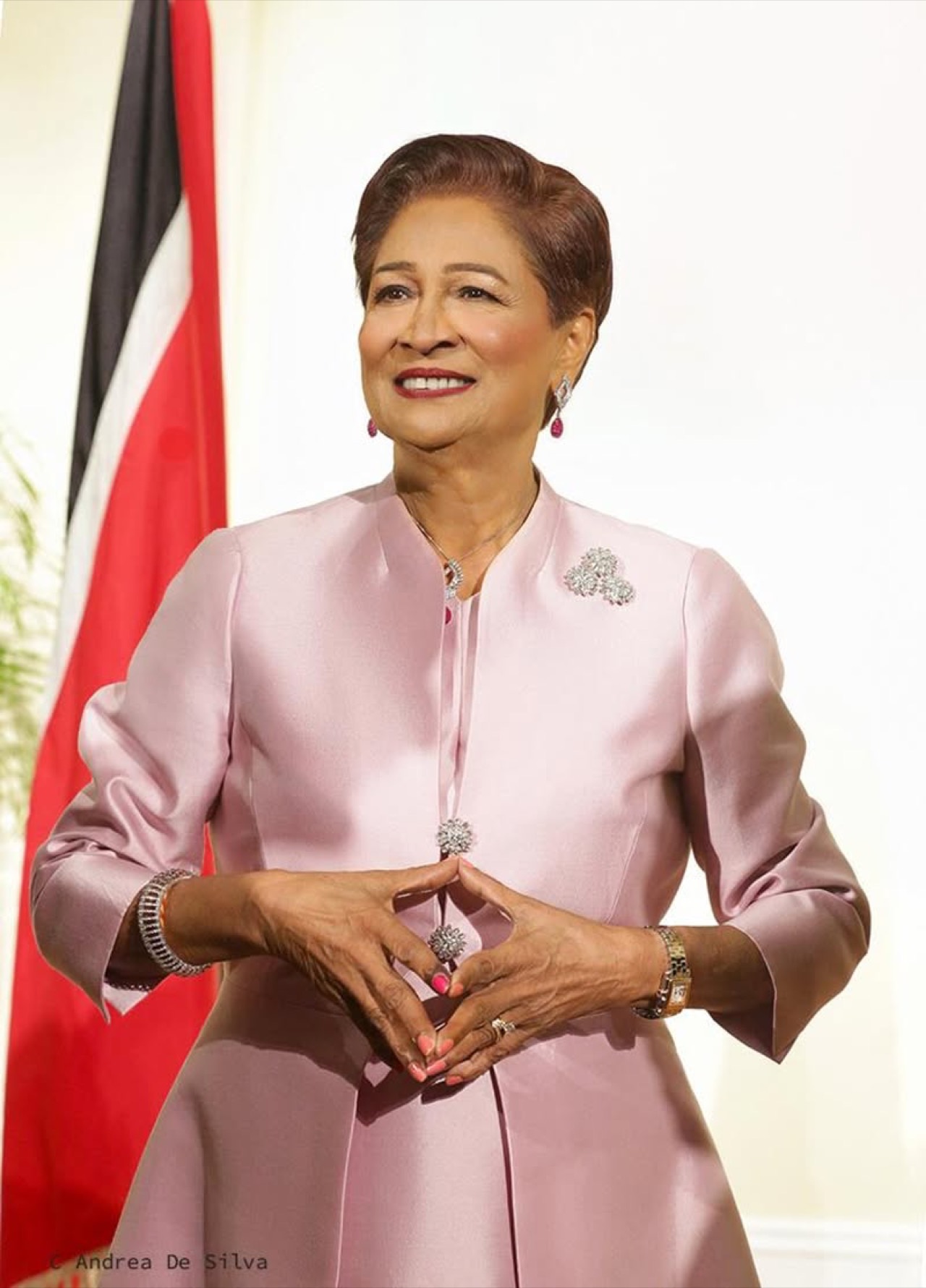
In Trinidad and Tobago, the breakthrough came in 1995, when Basdeo Panday — a trade unionist and barrister descended from indentured labourers — became the country's first Indo-Trinidadian, and first Hindu, prime minister. He led until 2001 and died, much honoured, in 2024. His political heir went further still: Kamla Persad-Bissessar, the great-granddaughter of indentured migrants from Bihar, became Trinidad's first woman prime minister in 2010 — and, after a decade out of power, returned to the office again in May 2025.
Guyana: from Jagan to the oil boom
Guyana's Indo-Guyanese majority has produced a still longer line. Cheddi Jagan, the dentist who led the sugar workers after the 1948 Enmore shootings, was the colony's first premier — only to be pushed out with covert British and American backing before independence. He finally became president in 1992 and died in office in 1997. Since then the presidency has passed largely through Indo-Guyanese hands: Bharrat Jagdeo (1999–2011), now an immensely powerful vice-president; Donald Ramotar; and, since 2020, Mohamed Irfaan Ali, an Indo-Guyanese Muslim now governing one of the fastest-growing economies on earth as offshore oil transforms the country.
Suriname: the Hindustani president
In Dutch-speaking Suriname, the Hindustani community — descendants of the Lalla Rookh and the ships that followed — built its own political machine in the VHP party. In 2020 Chandrikapersad "Chan" Santokhi, a former national police chief of Indian descent, was elected president, serving until 2025 — the heir of indentured cane-cutters installed in the presidential palace at Paramaribo.
The machinery of arrival
None of this happened by accident. In each country, the indenture-era communities organised first through the sugar unions and then through ethnic political parties — the UNC in Trinidad, the PPP in Guyana, the VHP in Suriname — that turned demographic weight into power as the franchise widened and the colonisers left. It was a slower, harder road than the professional migration that produced a Sunak or a Harris, built over five generations rather than one or two.
The fault line
It came at a cost the Caribbean still lives with. Because these parties grew along ethnic lines, politics in Guyana and Trinidad often runs as a contest between the descendants of the enslaved and the descendants of the indentured — Afro and Indo — with elections that can harden into a racial census. The rise of the Indo-Caribbean leader is a genuine triumph of arrival; it is also entangled with one of the region's most persistent divisions.
An older diaspora's power
Set beside the headlines about Sunak and Harris, the Indo-Caribbean premiers are a useful corrective. The Indian diaspora did not just begin reaching the top of foreign governments in the twenty-first century. In the cane-growing colonies of the Caribbean, the children of the girmit were already running the country — proof that the longest journey from the plantation barracks led, in the end, all the way to the cabinet room.
Continue the series · Power Abroad
Related from Politics
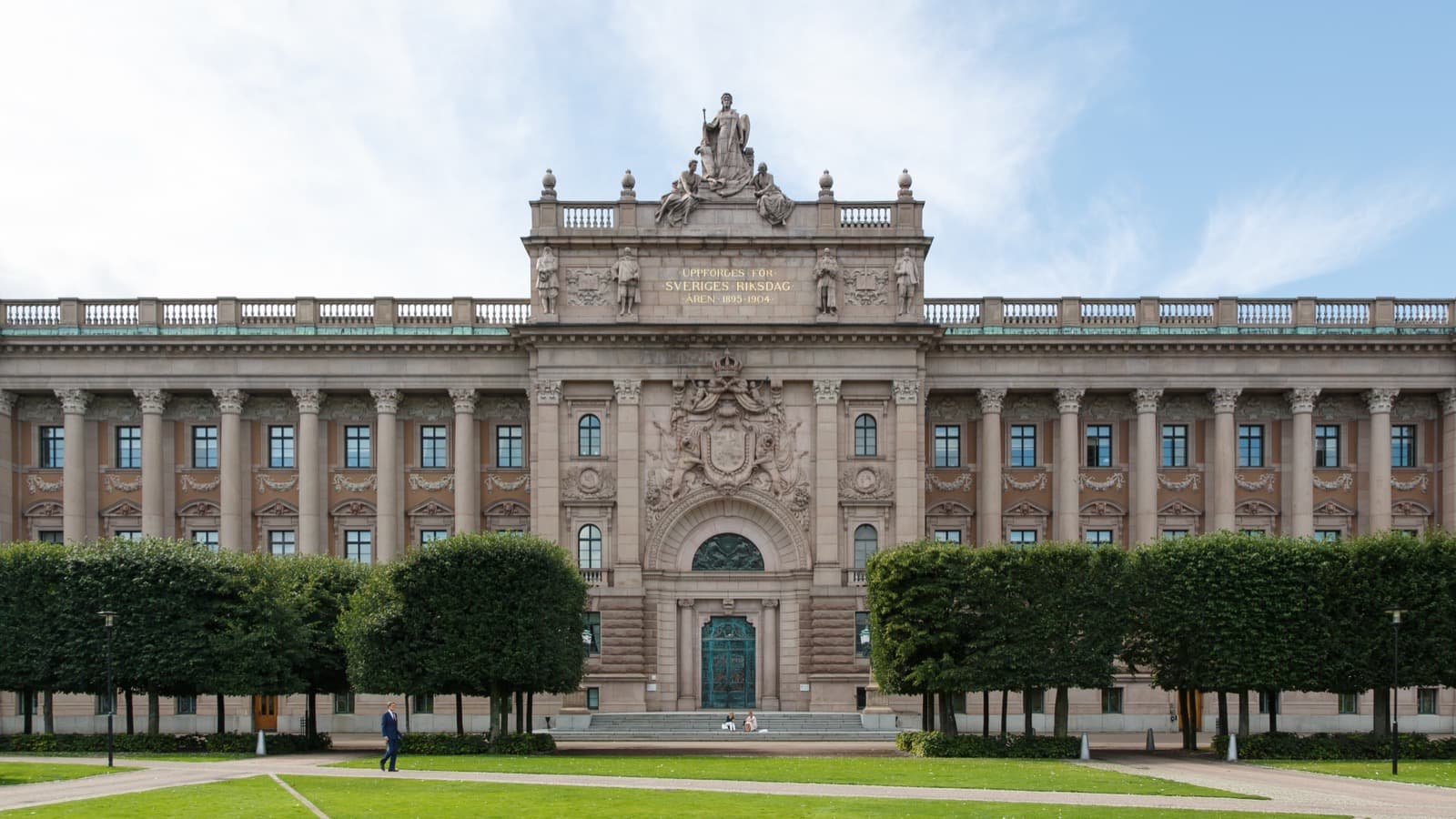
Nila Vikhe Patil: the Indian-origin MP elected to Sweden's parliament
Kanishka Narayan: from Muzaffarpur to Britain's first Minister for AI
India targets migration fraud with a new safe-migration drive in Rajasthan