

Power Abroad: Kamala Harris and the long road from Thulasendrapuram
The first person of Indian descent to reach the US vice-presidency owed her path, by her own account, to a 19-year-old from Madras who crossed the world alone to become a scientist.
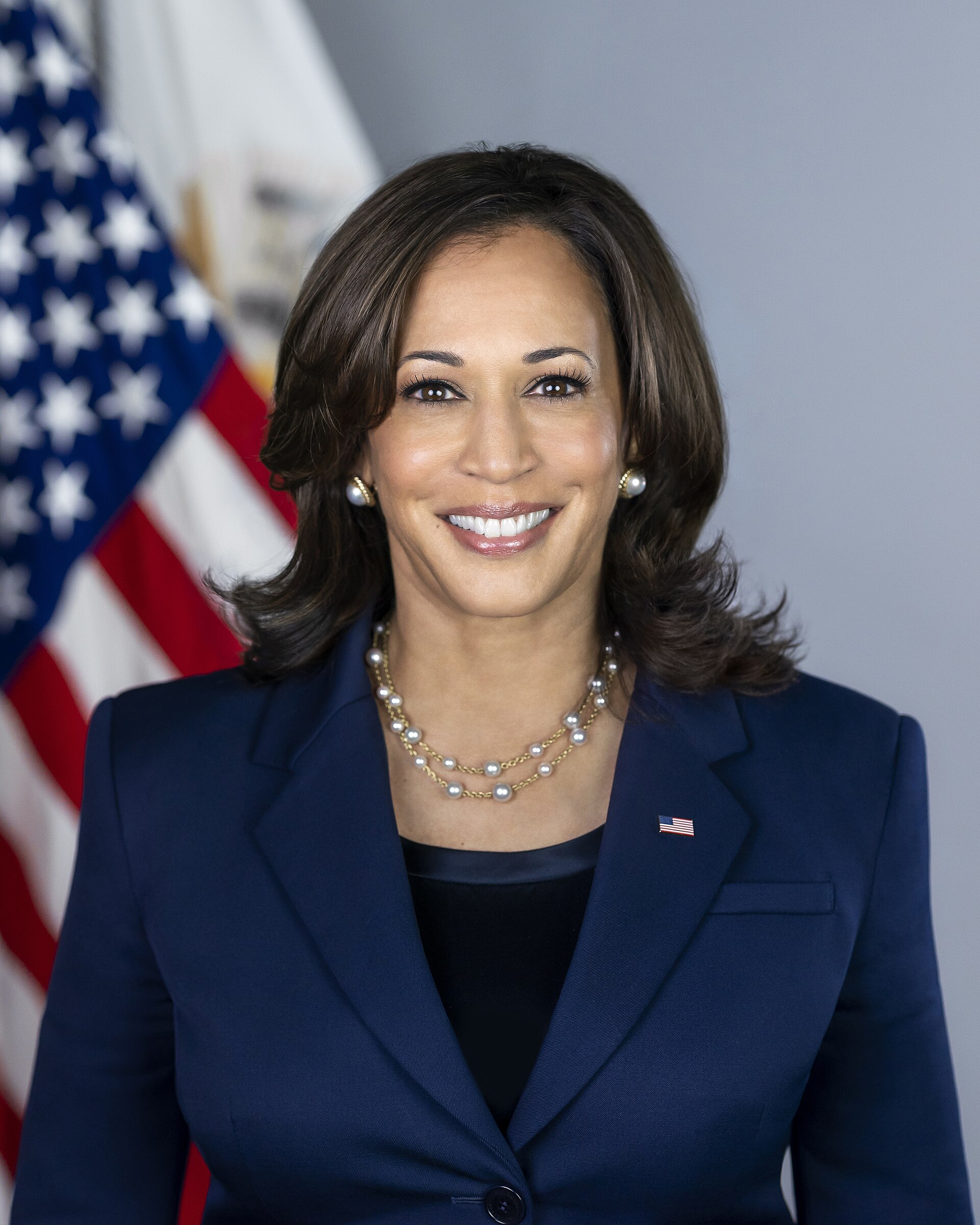
When Kamala Harris was sworn in as Vice President of the United States in January 2021, she became the first woman, the first Black American and the first person of South Asian descent to hold the second-highest office in the country. Much of the attention, understandably, fell on the first two. But Harris's path to that podium ran directly through Chennai — through a Tamil mother who had crossed an ocean alone at nineteen.
A scientist from Madras
Shyamala Gopalan was born and raised in the South Indian city then called Madras, the daughter of a civil servant, P. V. Gopalan. In 1958, aged nineteen, she was accepted into a graduate programme at the University of California, Berkeley, and travelled from India to California with, as the family tells it, an unshakeable determination. She earned a PhD in nutrition and endocrinology in 1964 and became a pioneering breast-cancer researcher, her work on the progesterone receptor reshaping the study of hormone-responsive tissue.
A marriage of movements
At Berkeley, in the ferment of the early civil-rights era, Shyamala met Donald Harris, a Jamaican economics student. Their daughter Kamala Devi Harris was born in Oakland in 1964, into a household that straddled two freedom struggles and two continents. The marriage did not last, and Kamala and her sister Maya were raised largely by their mother — a single Indian immigrant woman determined, Shyamala once said, to raise two confident Black daughters who also knew exactly where their other half came from.
The Indian thread
That Indian half was no afterthought. Harris grew up eating South Indian food and hearing her mother speak Tamil, and was taken on childhood visits to Chennai to see her grandfather, whose long morning walks and talk of public duty she would later credit as a formative influence. In her 2020 convention speech she invoked her chithis — the Tamil word for the aunts who are a mother's younger sisters — sending a small electric jolt of recognition through Tamil households worldwide. In the village of Thulasendrapuram, her maternal ancestral home, her name still appears on a temple donor board.
The American ascent
Harris built her career, though, as an African-American woman in American public life. She attended Howard University, one of the country's historically Black colleges, and rose through California law as a prosecutor, then District Attorney of San Francisco and Attorney General of the nation's largest state. Elected to the US Senate in 2016, she became a national figure, and in 2020 Joe Biden chose her as his running mate.
The diaspora's pride
Her victory set off celebrations in India. Her ancestral village burst firecrackers and offered prayers for the "daughter of this land"; Indian-Americans, long among the most successful and least politically visible of US immigrant groups, saw one of their own a heartbeat from the presidency. For a community whose story in America had been largely one of doctors, engineers and entrepreneurs rather than politicians, it was a watershed.
The identity question
Harris's heritage also drew a more complicated conversation. She has most often identified, politically and personally, as Black and African-American, the identity in which she was raised and built her career — and some Indian-Americans wished she leaned more visibly into the Indian half of her story. Others saw in her exactly the modern reality of the diaspora: a woman who was wholly Indian and wholly Black and wholly American at once, refusing to be filed under a single label.
The run for the top
In July 2024, after President Biden withdrew from the race late in the campaign, Harris became the Democratic Party's nominee for President — the first woman of Indian descent ever to lead a major American party's ticket. Her candidacy electrified her supporters and compressed a national campaign into a few extraordinary months.
November 2024
It was not enough. In the November 2024 election Harris lost to Donald Trump, who returned to the White House. Her bid for the presidency ended in defeat, and her term as Vice President concluded in January 2025.
The legacy
The milestone, though, is permanent. The daughter of a Tamil cancer researcher who had sailed from Madras to Berkeley in 1958 rose to become Vice President of the United States and a major party's nominee for its highest office. Shyamala Gopalan, who died in 2009, did not live to see it. But the arc she began — one young woman, one ocean, one suitcase of ambition — reached almost to the very top of American power, and redrew what an Indian-American life could aspire to be.
Continue the series · Power Abroad
Related from Politics
Nila Vikhe Patil: the Indian-origin MP elected to Sweden's parliament

Kanishka Narayan: from Muzaffarpur to Britain's first Minister for AI
India targets migration fraud with a new safe-migration drive in Rajasthan