

Kanishka Narayan: from Muzaffarpur to Britain's first Minister for AI
Born in Muzaffarpur and raised in Cardiff from the age of 12, Kanishka Narayan was sworn into the British Cabinet on 20 July 2026 as the country's first Minister for Artificial Intelligence — a role created for him by new Prime Minister Andy Burnham.
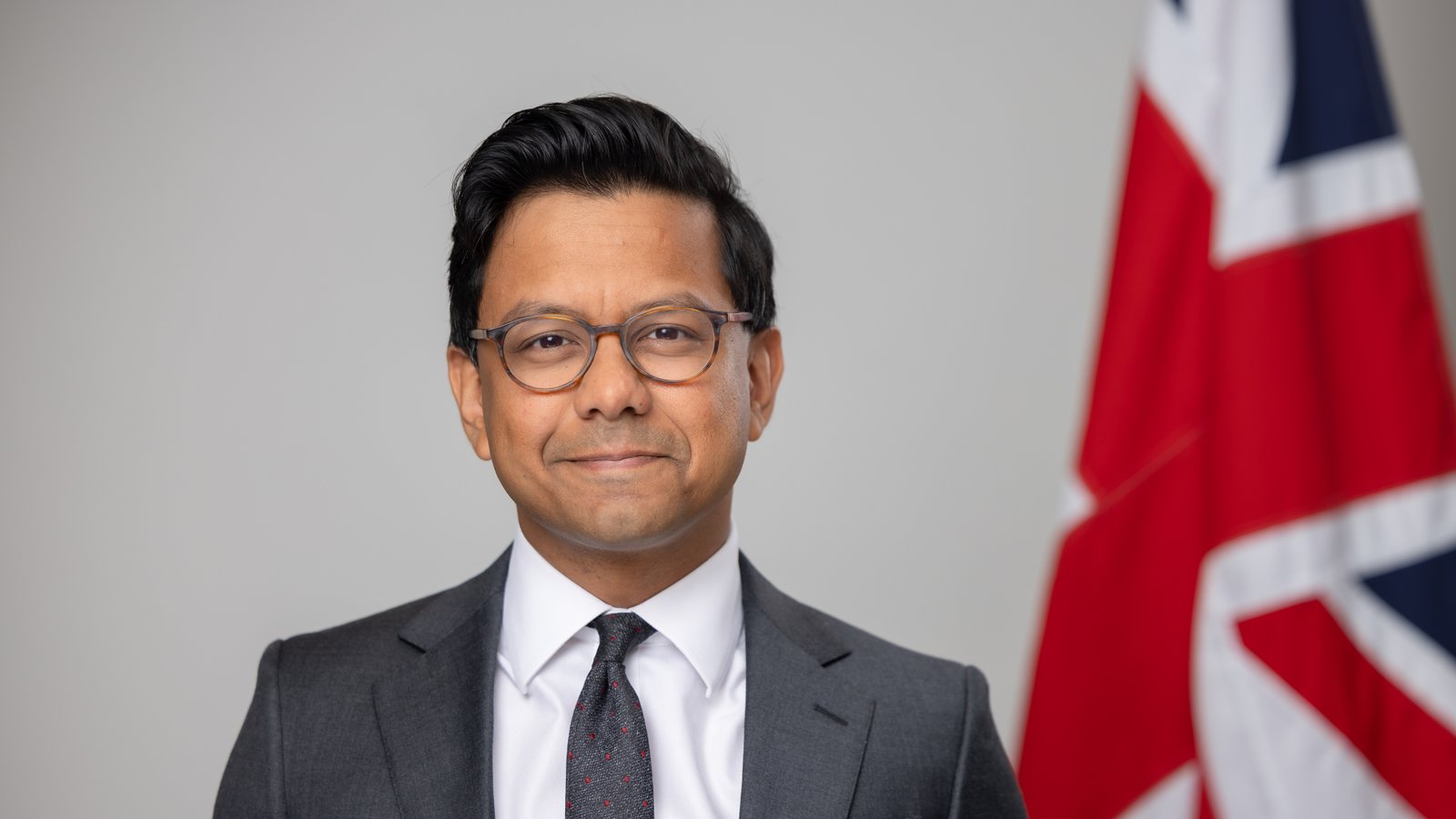
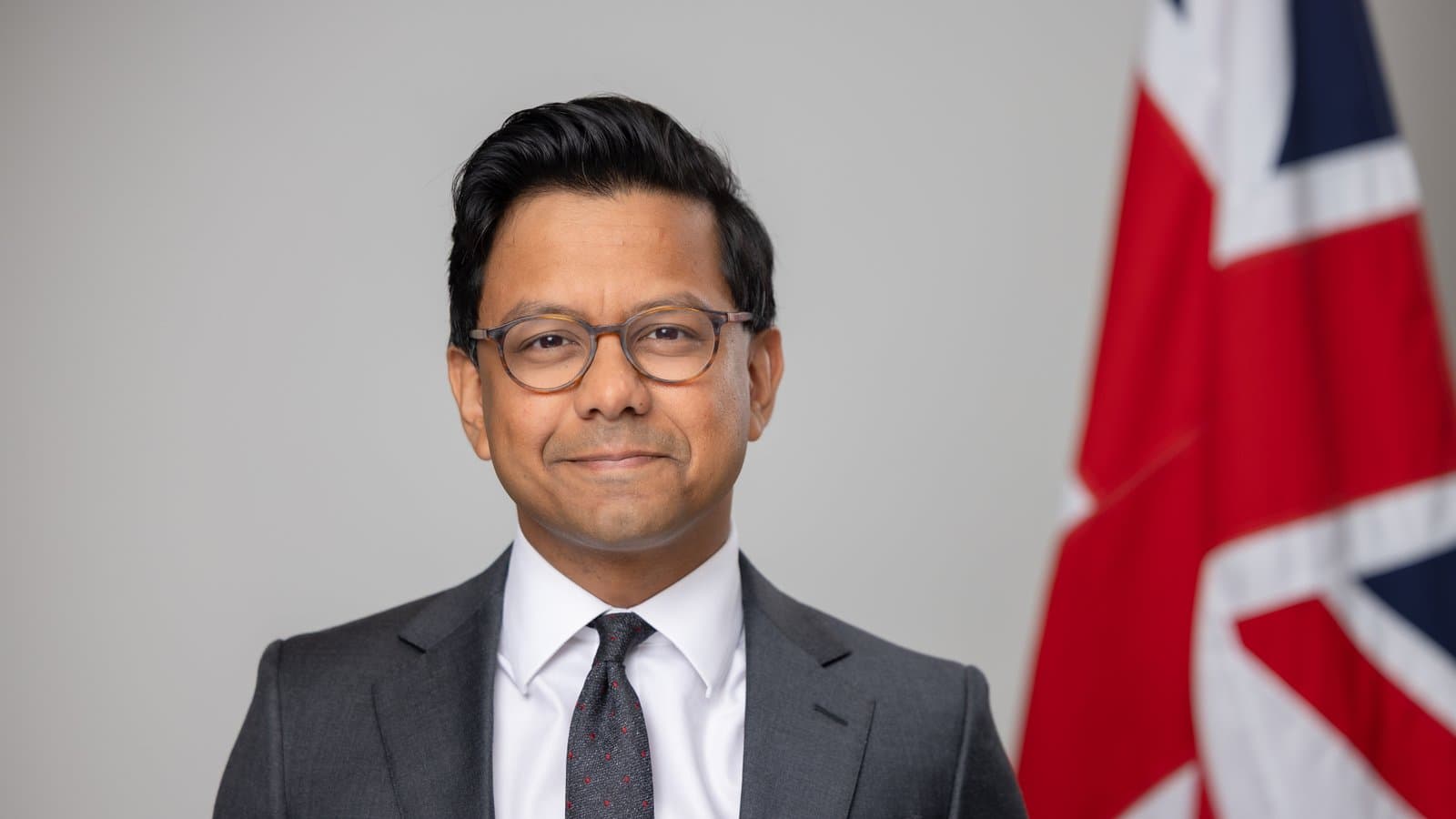
Kanishka Narayan was 12 when his family left Muzaffarpur for Cardiff. On 20 July 2026, at 36, he walked into the British Cabinet as the United Kingdom's first Minister for Artificial Intelligence — a job that did not exist until the new prime minister, Andy Burnham, created it and handed it to him.
The appointment, confirmed by the government and reported by Bloomberg on the day Burnham took office, made Narayan the most senior figure in Britain with sole responsibility for artificial intelligence, and one of the youngest people at the Cabinet table. He was sworn into the Privy Council the following day.
It caps a rise that reads almost too neatly. Narayan was born in Muzaffarpur, Bihar, in November 1989. His family relocated to Cardiff when he was 12, and he attended Cathays High School — a comprehensive — before a scholarship took him to Eton College. He read Philosophy, Politics and Economics at Balliol College, Oxford, then took an MBA at Stanford. He worked in finance and in the Cabinet Office before winning the Vale of Glamorgan seat for Labour at the July 2024 general election, becoming Wales' first ethnic-minority Member of Parliament.
From a junior brief to the Cabinet in ten months
Narayan's climb inside government was fast even by the standards of a new intake. In September 2025 he was made a parliamentary under-secretary of state with responsibility for AI and online safety — a junior ministerial role. Ten months later, when Burnham reshaped the government on taking over from Keir Starmer, Narayan was promoted to Minister for Artificial Intelligence and brought into the Cabinet, the first time the brief had been held at that level.
The elevation of the post says as much about the moment as about the man. Britain has spent three years trying to position itself as a third pole in AI between the United States and China, hosting the first global AI Safety Summit at Bletchley Park and courting the large labs. Putting a dedicated minister in the Cabinet is a statement that the government intends to treat AI as an economic and security portfolio in its own right, not a sub-file of the technology department.
Narayan has framed his own mandate around capability that reaches beyond London and the south-east. He has argued for regional innovation hubs and for investment in places like his own Welsh constituency, and for what he calls a sovereign British AI model — the idea that the country should own critical parts of the stack rather than rent all of it from American firms. His job spans national AI policy, research and investment, and the harder questions of safety, security and the ethical limits of the technology.
His first official meeting captured the balance he will have to strike. Narayan met Demis Hassabis, the Nobel laureate who runs Google DeepMind, and said afterwards that their conversation turned on translating Britain's research strength into jobs and growth. Hassabis, for his part, called the appointment "great news for the UK AI ecosystem." The warmth is not guaranteed to last: a minister whose brief includes AI safety and a company racing to build ever more powerful systems will not always want the same things.
A change of government, and a familiar milestone
Narayan arrived at the Cabinet on the same day the government itself changed hands. Burnham became Britain's seventh prime minister in a decade after Starmer resigned as Labour leader in June and Burnham — until weeks earlier the mayor of Greater Manchester — returned to Parliament and won the leadership unopposed. A new prime minister reshuffling his top team is when careers are made, and Narayan's was.
For the Indian diaspora in Britain, the symbolism is layered. It was only in 2022 that Rishi Sunak became the first British Indian prime minister; his tenure ended in 2024. Narayan's rise is a reminder that the diaspora's presence in British public life is no longer a single headline figure but a widening bench — in the Commons, in the Lords, and now again at the Cabinet table. He is also, unusually, a first-generation immigrant rather than a child of the diaspora born in Britain: he remembers the flight from Bihar, the adjustment to a Cardiff comprehensive, the scholarship that changed the trajectory.
That biography is not incidental to how he is being received. The story of a boy from Muzaffarpur who ends up shaping how Britain governs a technology that will reshape work everywhere is the kind of arc the diaspora tells about itself, and it is, for once, literally true.
What the job will actually test
The romance of the appointment will meet the ordinary difficulty of the work quickly. Britain's AI ambitions run into hard constraints — compute capacity, energy, a skills shortage, and a public wary of automation's effect on jobs. Narayan has to reconcile a growth agenda that wants the labs to expand with a safety agenda that wants them constrained, and to do it with a Treasury that has little money to spend. His argument for a sovereign model will be expensive; his argument for spreading the gains beyond London will be politically necessary and practically slow.
There is also the matter of expectations. First-of-a-kind ministers carry a symbolic weight that can outrun their actual power, and the AI brief is one where the important decisions are often made in California boardrooms rather than Whitehall offices. Narayan's real test is whether a Cabinet-level AI minister can bend any of that toward British workers and British researchers, or whether the title is mostly a signal.
For now, the signal is the story. A 36-year-old who arrived in Britain as a child from a town most of his new colleagues could not place on a map is the person the country has chosen to think about its most consequential technology. The diaspora has produced prime ministers and peers, chief executives and Nobel laureates. It has not, until this week, produced a minister for the machines. It has now.
Related from Politics
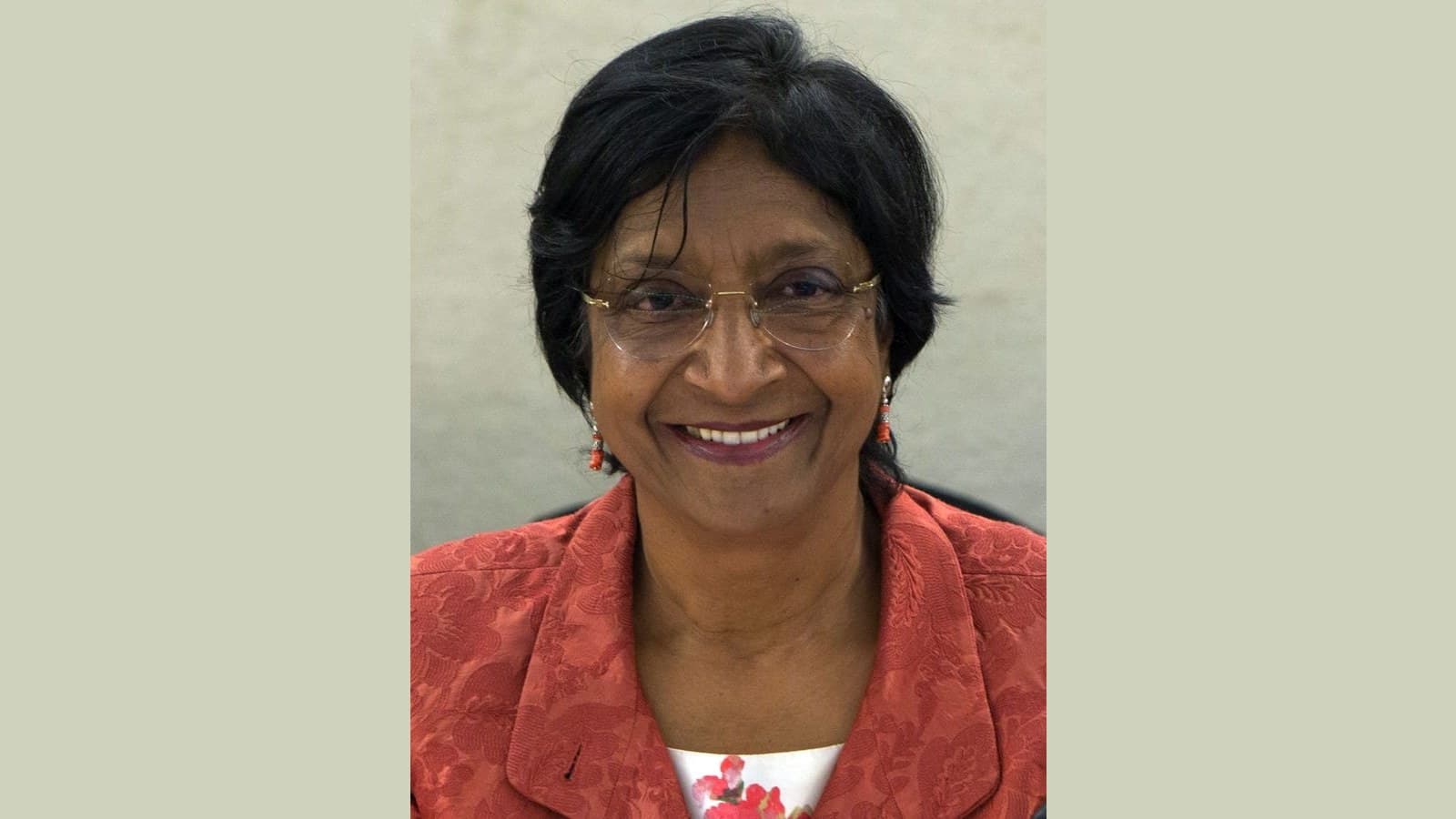
Navi Pillay: the granddaughter of indentured labourers who won the 2026 Nobel Peace Prize
'We're watching your back': India's new diaspora embrace
The diaspora's wish list: GOPIO takes its asks to Jaishankar