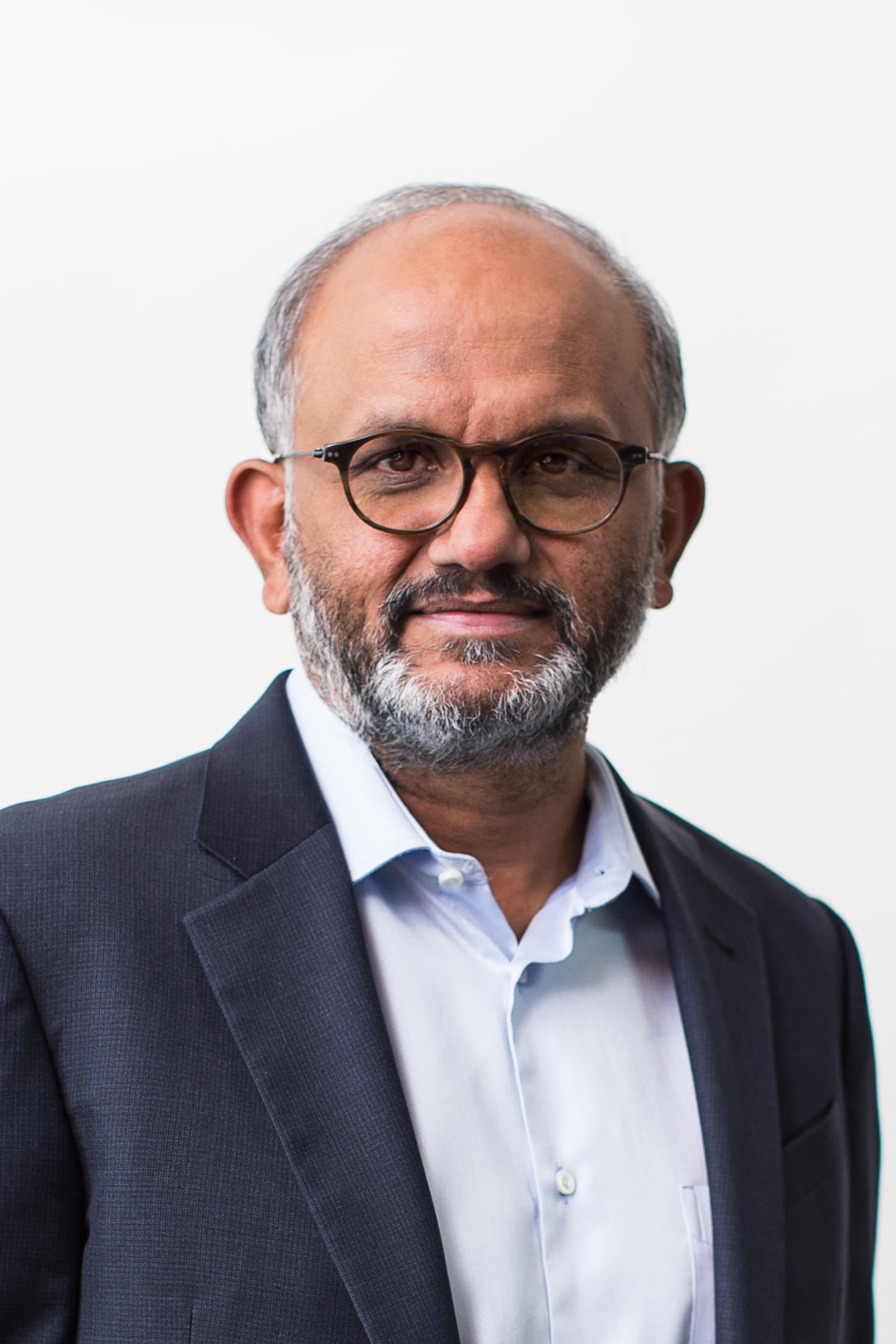


Uday Ruddarraju: OpenAI hands its data centres to a Hyderabad engineer
OpenAI has handed its compute and data-centre infrastructure — the power-hungry backbone of the AI boom — to Uday Ruddarraju, the Hyderabad-trained engineer who ran xAI's 100,000-GPU cluster. The invisible job that may decide the AI race.
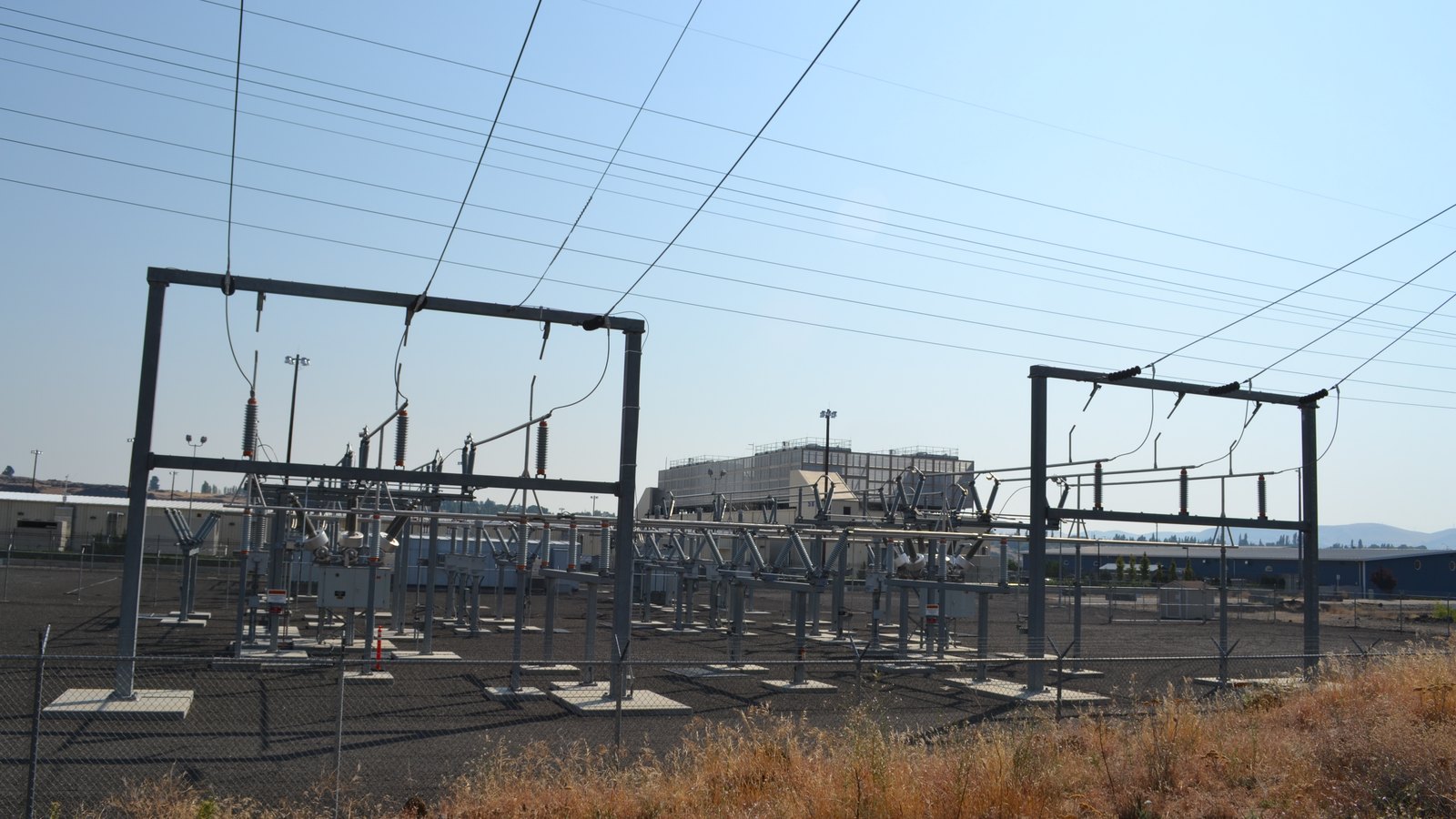
OpenAI, the company whose chatbot taught the world to talk to machines, has handed the keys to its engine room to an engineer from Hyderabad. On 14 October, Bloomberg reported that Uday Ruddarraju would lead OpenAI's compute and data-centre infrastructure — the vast, power-hungry backbone of silicon and steel on which ChatGPT and everything after it runs. The data-centre trade press put a title on it: CTO of Compute. It is one of the most consequential jobs in technology that most people will never hear about.
The headlines of the AI era go to the models and the founders. The reality is that the models are only as good as the machines beneath them, and those machines have become one of the scarcest and most expensive things on earth. OpenAI has said its computing capacity is on track to triple toward roughly 1.9 gigawatts — the output of a large nuclear plant, spent on math. Running that build-out, keeping the chips fed and cooled and talking to each other, is now the bottleneck on which the whole industry turns. That is the problem Ruddarraju has been handed.
The man who kept the GPUs running
He is not new to the scale of it. Ruddarraju took a bachelor's in computer science from the Chaitanya Bharathi Institute of Technology in Hyderabad, then did what a generation of Indian engineers before him did — moved to the American Midwest for a master's, in his case at the University of Minnesota. The résumé that followed reads like a tour of the platforms that run modern life: an internship at Amazon, then eBay, where he built cloud infrastructure for the marketplace; then nearly six years at Robinhood, the trading app, where he rose from staff software engineer to senior director of engineering and head of infrastructure.
His last job before OpenAI was the one that made his name inside the industry. At Elon Musk's xAI, Ruddarraju was head of infrastructure, and he worked on the training run for Grok 3 — a job that meant wiring together and keeping alive a cluster of some 100,000 graphics chips, one of the largest ever assembled. He left ahead of a wave of departures from Musk's AI venture, joined OpenAI last year, and was named its chief technology officer for compute in July. The October move consolidates the compute and data-centre operations under him in a single role.
Why this job is the whole game
For most of computing history, infrastructure was plumbing — important, invisible, nobody's idea of the glamorous work. The AI boom inverted that. Training and running the largest models consumes electricity, water and advanced chips on a scale that has turned data centres into geopolitical objects, the subject of national energy plans and multi-billion-dollar supply deals. The companies competing to build artificial general intelligence are, in practice, competing to secure power and silicon, and the engineers who can actually make that hardware work at scale are among the most fought-over people in the business.
That is the context for a run of recent appointments that have quietly placed Indian-origin engineers at the centre of the AI build-out. It is also why the job matters more than its obscurity suggests: whatever OpenAI promises its users and investors about the next model, the promise is only deliverable if someone can lay the physical foundation underneath it fast enough. Ruddarraju is now that someone.
The infrastructure generation
There is a familiar version of the Indian-in-American-tech story — the one that ends in a chief executive's chair, the Nadellas and Pichais, and this month the engineer from Ranchi who took over Boston Dynamics. Ruddarraju's is a quieter variant of the same migration, and in some ways a more revealing one. He did not invent a famous product or front a keynote. He is an infrastructure engineer — the kind of person who makes the famous products possible and is rarely named when they succeed.
The diaspora's presence in that layer is substantial and under-told. Indian engineers populate the infrastructure and platform teams of nearly every major American technology company, doing the unglamorous load-bearing work of cloud, networking, databases and now AI compute. Diaspora Dreams has tracked the more visible end of this — the Indian-origin names on a global tech-diplomacy list, the chief executives — but the deeper story is the one that rarely makes a headline: that a large share of the people keeping the internet's machines running were born in Indian cities and trained in Indian colleges before an American graduate programme carried them to Silicon Valley.
What he has to deliver
The job is brutally concrete. OpenAI has committed to an infrastructure expansion of historic size, signed power and chip deals that read like the budgets of small countries, and staked its lead on being able to compute more than anyone else. Delivering that means data centres built and energised on schedule, chips sourced in a market where they are rationed, and clusters that do not fall over under loads no one has run before. The role has seen churn precisely because it is so hard; Ruddarraju is the latest to be handed it, now with a wider remit than his predecessors.
Whether he succeeds will be measured not in demos but in gigawatts and uptime — in whether OpenAI's machines keep pace with its ambitions. It is the least visible job at one of the most visible companies in the world, and it has gone to an engineer from Hyderabad who has spent his career making other people's breakthroughs run. In the AI age, that is not a footnote. It is close to the main event.
Sources: Bloomberg and DatacenterDynamics on the 14 October 2026 appointment and the CTO-of-Compute role; The Next Web and India Entrepreneur on Ruddarraju's move from xAI and his earlier tenure; biographical detail (CBIT Hyderabad, University of Minnesota, eBay, Robinhood, xAI and the Grok 3 training cluster) per the same reporting; OpenAI's ~1.9-gigawatt capacity target per published industry figures. Photo credit below.
Related from Business
Rohit Prasad: the man who built Alexa now runs the world's most famous robots
The $127 billion homecoming: how NRIs became India's financial backstop

In the AI age, an Indian Africa specialist bets on human expertise