

Anil Chakravarthy to succeed Shantanu Narayen as Adobe CEO
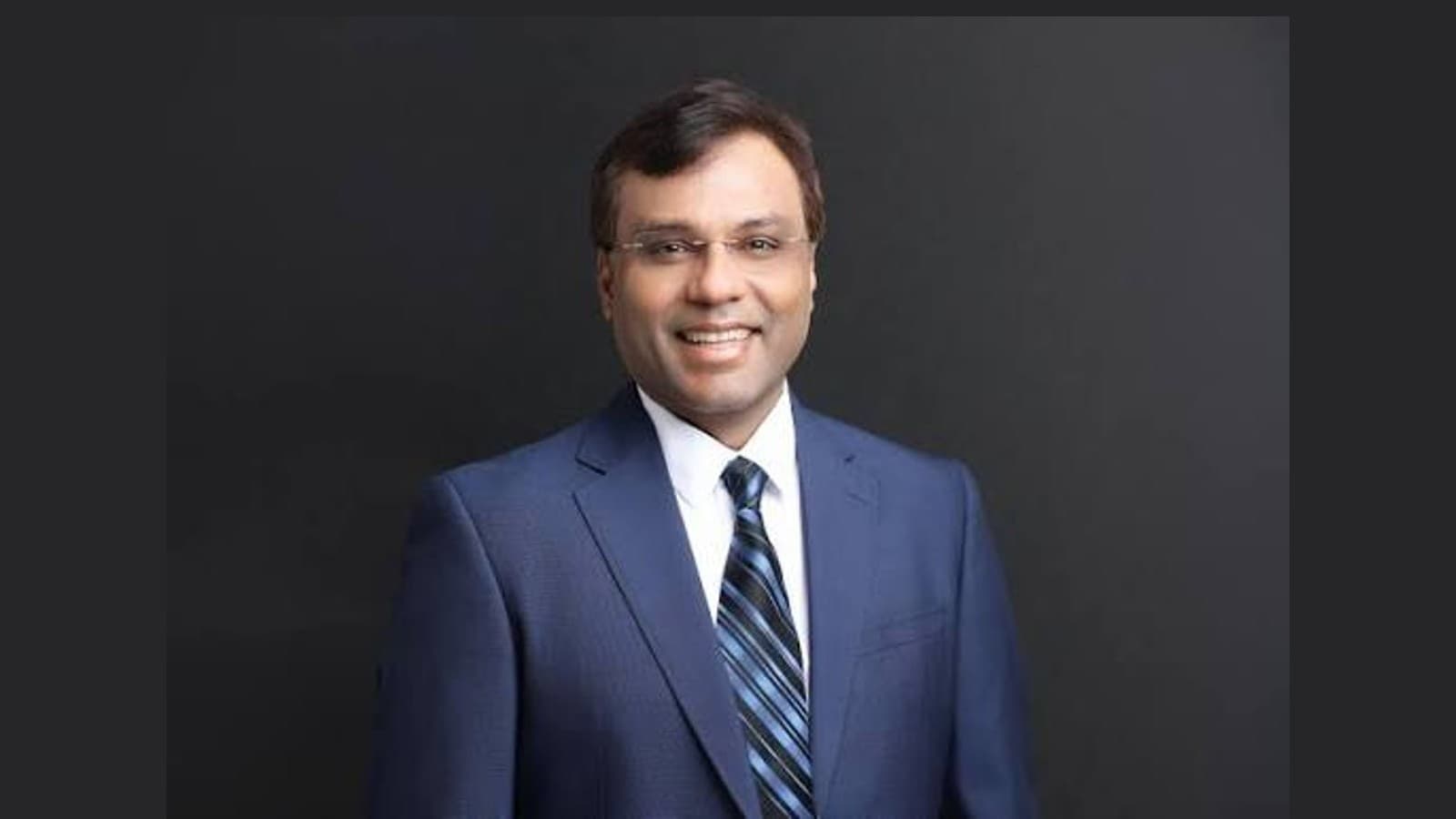
Adobe has named Anil Chakravarthy — an IT-BHU and MIT-trained engineer and former Informatica CEO — to succeed Shantanu Narayen as chief executive from 1 December 2026. One Indian-origin leader hands the company to another, extending the diaspora's long run atop global tech.
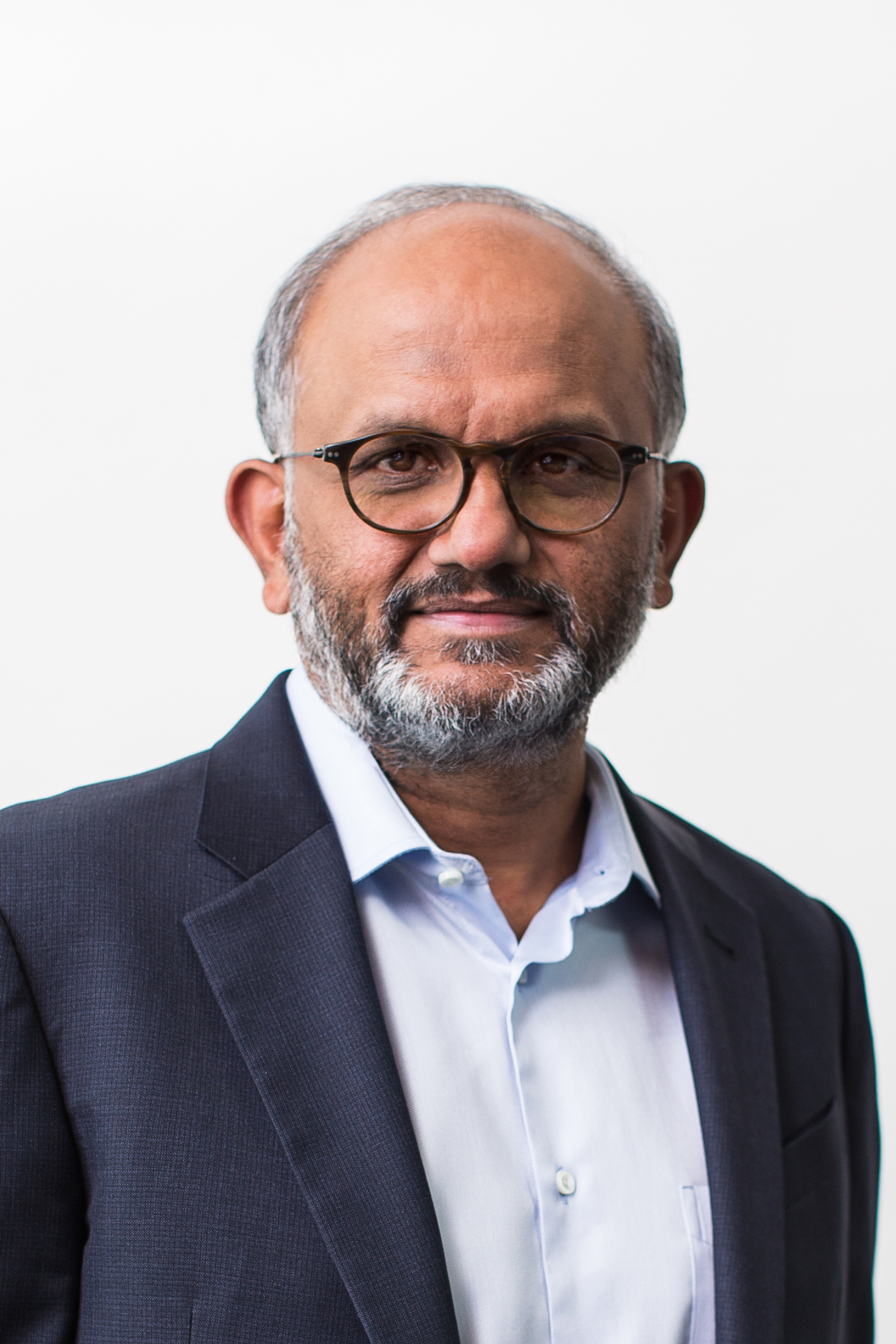
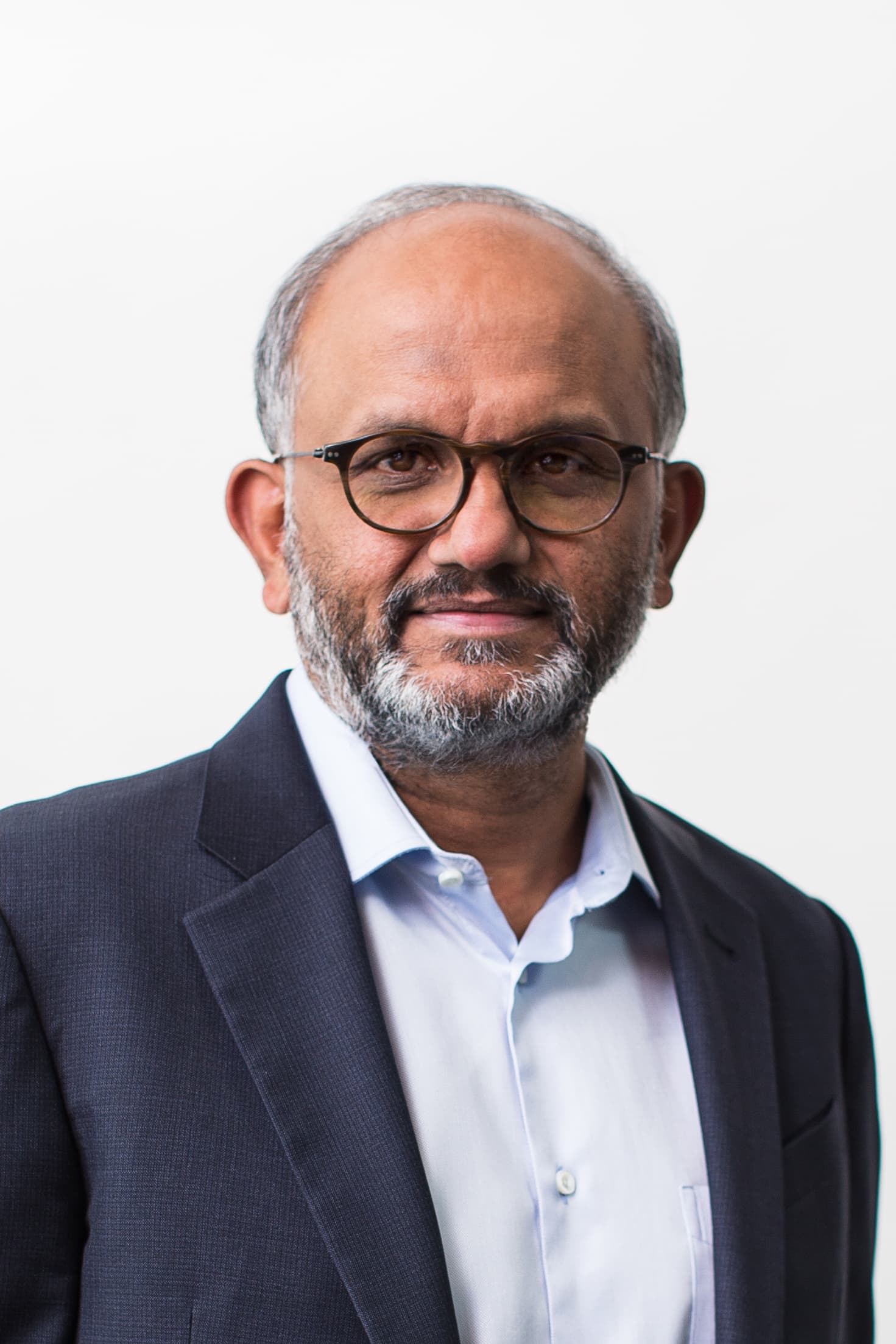
Adobe has a chief executive-in-waiting, and in a quiet piece of diaspora symmetry he looks a great deal like the man he is replacing: India-educated, engineering-trained, and a veteran of the unglamorous enterprise-software trenches rather than the creative-tools side the company is famous for.
On September 3, 2026, Adobe's board announced that Anil Chakravarthy will become the company's president and chief executive officer on December 1, 2026, succeeding Shantanu Narayen, who moves up to executive chair after leading Adobe for nearly two decades. The company framed it, in the careful language of these transitions, as continuity rather than rupture — Narayen staying on as chair to "ensure a smooth transition."
The end of an 18-year run
Narayen has run Adobe since 2007, one of the longest tenures of any Indian-American chief executive in the Fortune 500. He inherited a desktop-software publisher known for boxed copies of Photoshop and Acrobat and turned it into a subscription-driven cloud company — a wrenching, much-studied pivot to recurring revenue that doubled and redoubled the business, and latterly pushed it into marketing automation and generative AI. The Adobe he hands over is a fundamentally different company from the one he took on, and a far larger one.
He announced his intention to step back earlier in 2026, after which the succession question hung over the company for months. September 3 was the answer.
Who Anil Chakravarthy is
The successor is, like Narayen, a product of Indian higher education and American graduate school. Chakravarthy earned a Bachelor of Technology in computer science and engineering from the Institute of Technology at Banaras Hindu University in Varanasi — IT-BHU, now IIT (BHU) — before completing a master's degree and a PhD at the Massachusetts Institute of Technology.
His career was made largely in enterprise software rather than creative tools. He spent four years as chief executive of Informatica, the enterprise data-management company, before joining Adobe in January 2020 as an executive vice-president leading its Digital Experience business — the analytics-and-marketing arm that is Adobe's second engine alongside Creative Cloud. He is currently president of Adobe's Customer Experience Orchestration business and worldwide field operations, which is to say he already runs a very large part of the company. The board is promoting an insider who knows where the revenue comes from, not importing an outsider.
One diaspora CEO hands off to another
The symbolism is hard to miss and worth stating plainly: at one of the most valuable software companies in the world, one Indian-origin chief executive is handing the job directly to another. That is new. The much-told story of Indian-American technology leadership — Sundar Pichai at Google's parent Alphabet, Satya Nadella at Microsoft, Arvind Krishna at IBM, Sanjay Mehrotra at Micron, and the run of others — has mostly been about first-of-their-kind arrivals. A within-company, diaspora-to-diaspora succession is a different kind of milestone. It suggests the pattern is no longer a novelty to be remarked on but simply how the sector's leadership bench now looks.
It also extends a run this publication has tracked from several angles, including the recent elevation of Bob Patel to lead Sempra Infrastructure. The pipeline is deep, and it is deepening.
What changes, and what doesn't
For Adobe, the practical answer is: less than the headline implies. An orderly, pre-signalled handover to an insider, with the outgoing chief staying on as executive chair, is designed precisely to avoid disruption. Chakravarthy inherits the strategic questions Narayen leaves on the table — chiefly how Adobe defends its creative franchise in an age of generative-AI image and video tools that threaten to commoditise exactly what Photoshop once made scarce.
For the diaspora, the meaning is quieter and larger. The first generation of Indian-American technology chiefs is beginning to think about succession, and in Adobe's case the answer to "who comes next" turned out to be someone who followed almost the same path — an Indian engineering degree, an American doctorate, a climb through enterprise software, and now the corner office. The era isn't ending. It's compounding.
Sources: Adobe newsroom (3 September 2026); CNBC; Business Standard.
Related from Business
Five of Indian origin are elected to the US National Academy of Medicine
Rohit Prasad: the man who built Alexa now runs the world's most famous robots
Uday Ruddarraju: OpenAI hands its data centres to a Hyderabad engineer