

Chicken Manchurian was born in Bombay: the story of Indian-Chinese food
Gobi Manchurian, chilli chicken, Hakka noodles, Schezwan everything — the beloved 'desi Chinese' found in every Indian town exists nowhere in China. It was invented by a tiny Chinese-Hakka community in Kolkata, and it has since become one of India's great gifts to its own diaspora.
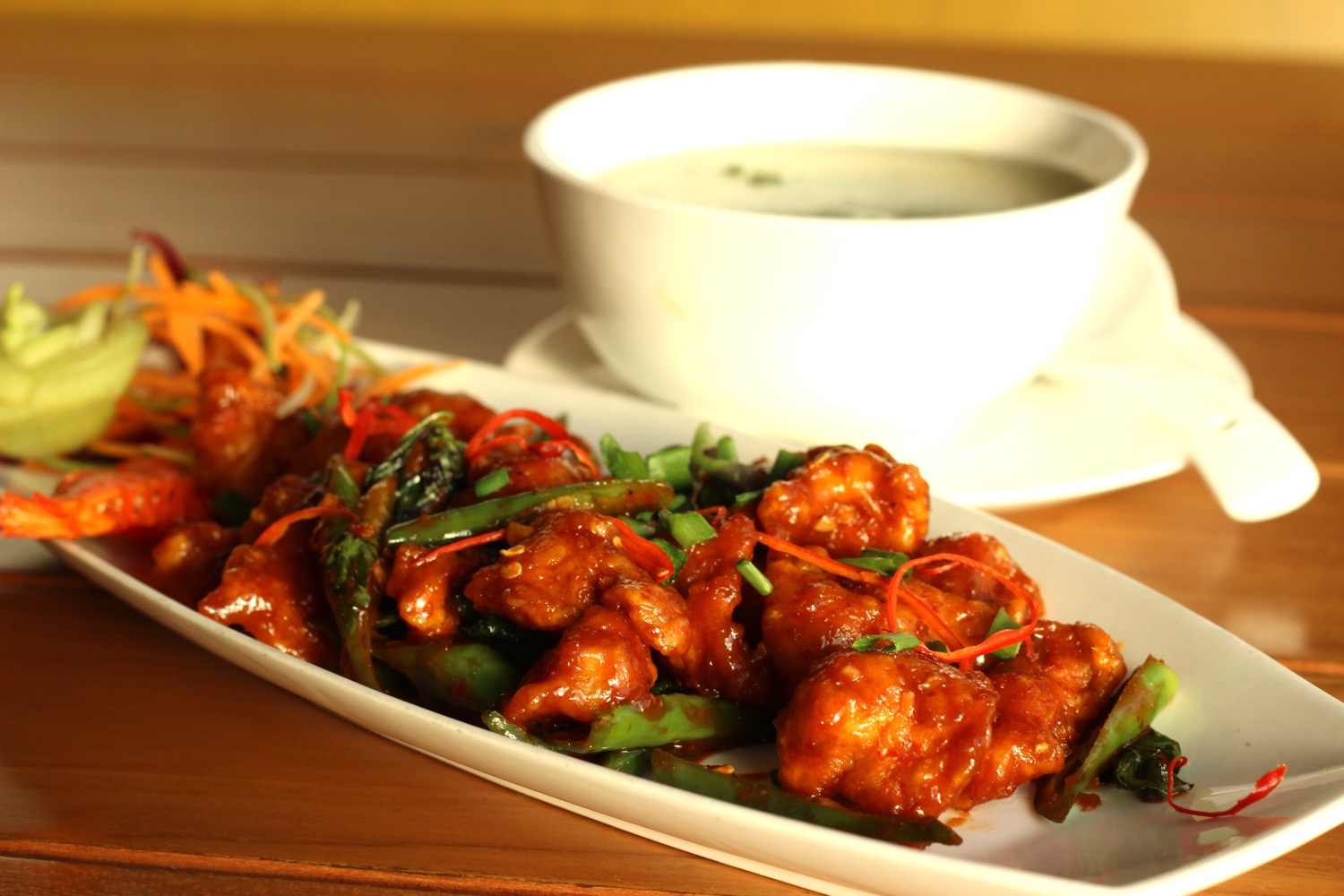
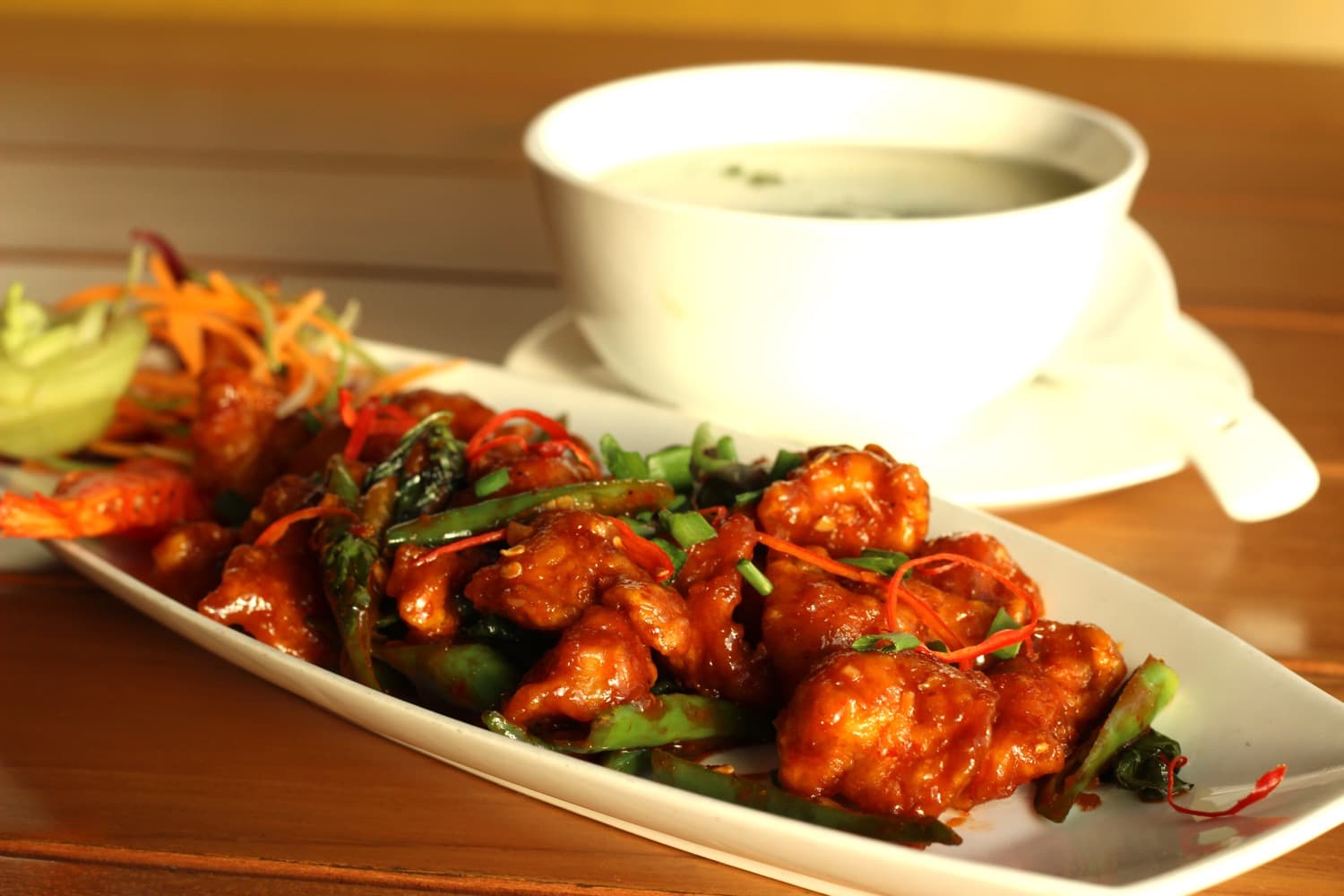
Order "Chinese" food anywhere in India — from a five-star hotel to a roadside handcart — and you will be served a cuisine that does not exist in China. Gobi Manchurian, chilli chicken, Hakka noodles, "Schezwan" sauce on everything, Manchow soup, American chop suey: this is Indian-Chinese food, one of the most beloved cuisines in the country, and it is entirely a diaspora invention — the creation of a tiny Chinese community that has lived in India for two centuries.
The Hakka of Kolkata
The story begins with the Hakka, a Chinese people who began migrating to Kolkata from around 1780 to 1820, drawn to the growing colonial port. Many went into the leather-tanning trade and settled in an eastern district of the city that became known as Tangra — the Bengali word for "tannery." Tangra grew into India's only real Chinatown, a warren of tanneries, temples and family kitchens where a Chinese community lived, worked and, above all, cooked.
A cuisine born of two palates
What happened in those kitchens over generations was a slow, delicious fusion. Hakka cooks kept their stir-fry techniques and their woks, their soy sauce and vinegar, but they began cooking for Indian customers and adapting to Indian tastes. In went green chillies, garlic, ginger, coriander and cumin; in went potatoes, paneer and far more heat than any Cantonese cook would tolerate. The result — soy-and-vinegar Chinese technique married to Punjabi fire and Bengali sweetness — was something genuinely new, neither Chinese nor Indian but a third thing, which the world now calls Indian-Chinese.
The invention of Manchurian
The cuisine's single most famous dish has a precise origin story. In 1975, at a Mumbai restaurant called China Garden, a Kolkata-born Chinese-Indian chef named Nelson Wang improvised a dish for a customer who wanted something new: cubes of chicken dredged in flour and cornflour, deep-fried, and tossed in a spicy, garlicky, soy-and-chilli sauce. He called it "Manchurian" — a name with no real connection to the Manchuria of China, chosen simply because it sounded Chinese. Chicken Manchurian was born, and its vegetarian cousin, Gobi Manchurian — cauliflower given the same treatment — went on to become perhaps the most popular street food in India.
The tannery closes, the restaurants rise
History pushed the community from the tanneries toward the table. After the 1962 war between India and China, the Chinese-Indians of Kolkata faced suspicion and hardship — many were interned or emigrated — and stricter environmental rules later shut the polluting Tangra tanneries down. As the leather trade collapsed, families turned increasingly to what they did best: cooking. Tangra reinvented itself as a restaurant district, and Kolkata Chinese spread outward across the country.
The menu of a nation
Today the Indian-Chinese menu is a fixed national institution, as recognisable in Amritsar as in Chennai. Chilli chicken and chilli paneer; Hakka noodles and Schezwan noodles; Manchurian in its dry and gravy forms; Manchow and hot-and-sour soup; fried rice heaped with vegetables; the sweet-sour-fiery "Schezwan" sauce that is a purely Indian invention named after a Chinese province most diners could not place. It is served at weddings, in food courts, from carts under tarpaulins, and it has become, for a whole country, the taste of a casual night out.
Foreign twice over
And then it travelled again. As Indians emigrated to the Gulf, Britain, Canada and the United States, they carried their beloved "Chinese" food with them, and "Indian Chinese" is now a distinct restaurant category in the diaspora, sold to homesick Indians who crave the specific taste of home — a taste that is itself an immigrant invention. It is a dish foreign twice over: Chinese food remade by an Indian palate, then carried abroad by the Indian diaspora as a piece of Indian identity.
Why the series remembers it
Indian-Chinese belongs on the Diaspora Plate alongside Britain's chicken tikka masala, Trinidad's doubles and South Africa's bunny chow — a cuisine born where two cultures met under migration's pressure. But it carries a twist the others do not. This was not the Indian diaspora adapting its food to a foreign land; it was a Chinese diaspora inside India adapting its food to Indian tastes — a minority's gift to the majority, which the majority then claimed as its own and carried to the world. The next time a plate of gobi Manchurian arrives at a table in New Jersey or Dubai, it is worth remembering the tanneries of Tangra, and the Hakka cooks who fused two of the world's great cuisines into a third.
Schezwan, and the vegetarian empire
Two later inventions completed the cuisine. "Schezwan" — a fiery red garlic-and-chilli sauce named, loosely, after China's Sichuan province — is a wholly Indian creation, slathered today on noodles, rice, dosas and even sandwiches at street carts nationwide. And because so much of India is vegetarian, the cooks built a parallel meat-free menu — gobi (cauliflower) and paneer Manchurian, chilli paneer, veg Hakka noodles — that let a Hindu-majority country embrace "Chinese" food without compromise. From these grew a whole street-food genre: the Manchurian-stuffed dosa, "Chinese bhel," the tarpaulin-covered wok cart glowing on a city corner after dark.
The vanishing cooks, the enduring dish
There is a poignancy at the heart of the story. Kolkata's Chinese community, once tens of thousands strong, has dwindled to a few thousand, thinned by decades of emigration to Toronto, the United States and Australia after the hardships that followed the 1962 war. The people who invented Indian-Chinese food are slowly leaving India. Yet the cuisine they created is now eaten by more than a billion people who will never meet them — a small, fading immigrant community's culinary gift to an entire nation, outliving, in restaurants and street carts everywhere, the community itself. No Indian celebration is now complete without it: the "Chinese counter" is a fixture at weddings from Delhi to Chennai, and "Manchurian" has spawned a whole family of improvisations — paneer 65, chilli garlic noodles, the Manchurian frankie — that keep multiplying. A cuisine invented by a few hundred Hakka cooks in a Kolkata tannery district has become, without anyone deciding it should, the default festive food of a nation of 1.4 billion, and a fixed taste of home for the tens of millions who have carried it abroad.
Continue the series · The Diaspora Plate
Related from Culture

The diaspora on your feed: the Indian-origin names to follow right now

From Merle Oberon to the red carpet: a century of Indian-origin women in the spotlight

Asmi Aderay, the Hyderabad-to-LA singer who refuses to pick one genre