

South Africa: the Truro, the cane, and the making of Indian Natal
The first indentured Indians reached Natal in 1860. The community they built gave the world, among others, a young lawyer named Gandhi — and made Durban the largest Indian city outside India.
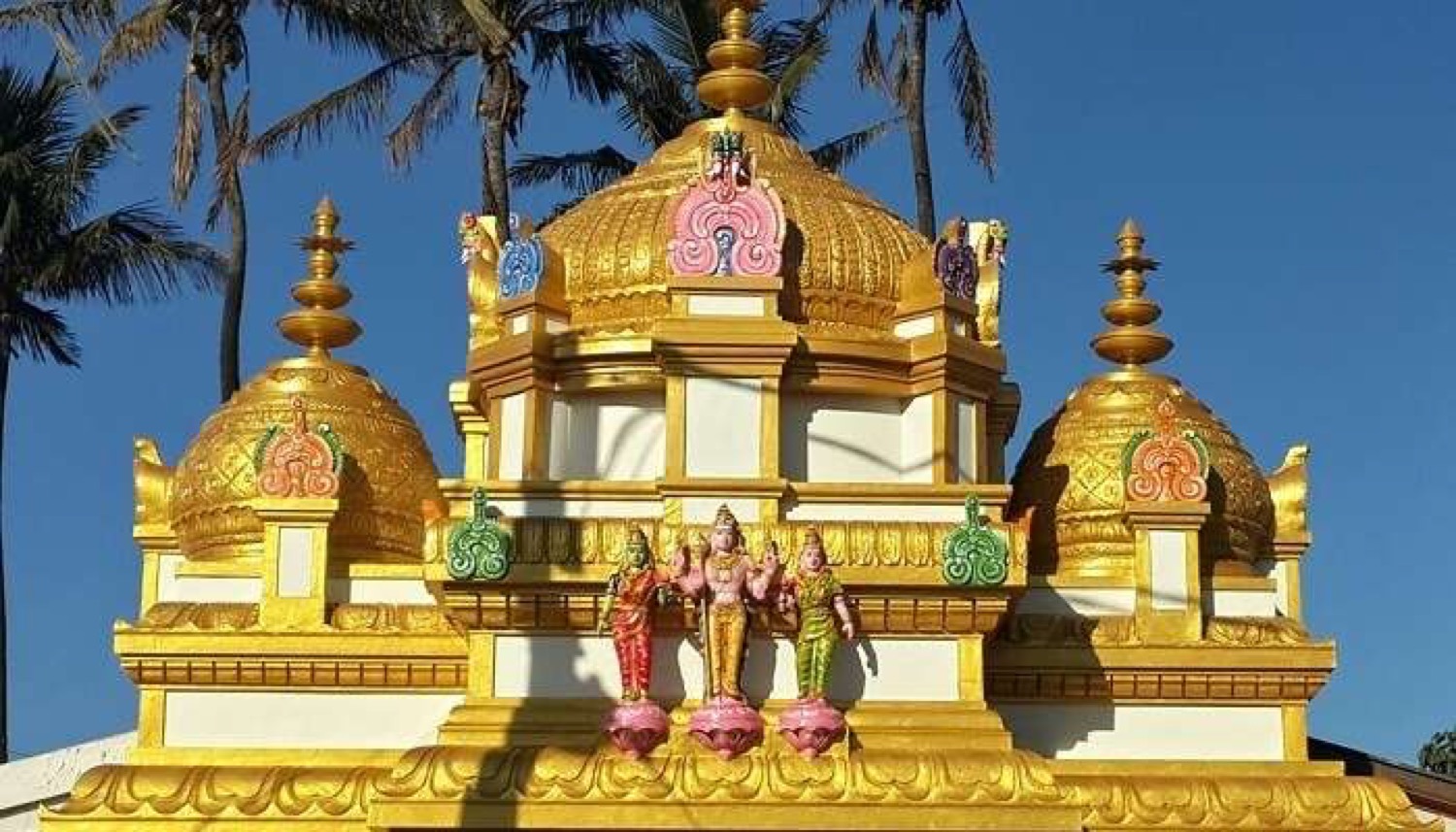
On 16 November 1860 the Truro, a paddle steamer out of Madras, docked at Port Natal — today's Durban — with 342 Indian indentured labourers aboard. It was the beginning of Indian South Africa.
The cane colony
Natal's British planters wanted labour for their sugar estates, and over the next half-century roughly 152,000 indentured Indians made the voyage, the last of them in 1911. They came from the Tamil and Telugu south and the Hindi-speaking north alike, shipped out of Madras and Calcutta to the familiar five-year bond on the cane. Alongside the indentured came "passenger" Indians — traders, mostly Gujarati, who paid their own way and came to serve the growing community.
Where Gandhi became Gandhi
It was to serve those passenger Indians that, in 1893, an unknown 24-year-old barrister arrived in Durban. Mohandas Gandhi expected to stay a year; he stayed two decades, and it was in South Africa — not India — that he forged the method he would later turn on the Raj itself. He founded the Natal Indian Congress in 1894 to defend Indian civil rights, and in 1904 established the Phoenix Settlement outside Durban, a commune of manual labour and self-reliance that became the engine room of his campaigns.
The 1913 satyagraha
The defining struggle came in 1913. When a court ruled that only Christian marriages were legally valid — at a stroke making every Hindu and Muslim wife a concubine and every child illegitimate — Indian women joined Gandhi's resistance for the first time. The campaign fused with the grievance of the indentured: the hated £3 annual tax levied on labourers who refused to re-indenture. Gandhi called the Natal coalminers out on strike — as many as 5,000 downed tools — and led a 36-mile protest march across the Transvaal border. The outcry forced the government's hand: the Indian Relief Act of 1914 scrapped the £3 tax and recognised Indian marriages. It was satyagraha's first great victory.
The 1949 Durban riots
Freedom from indenture did not mean safety. In January 1949 the Durban riots erupted — three days of anti-Indian violence, sparked by a market-place altercation and inflamed by years of resentment that white power had carefully cultivated between the colony's African and Indian poor. The official toll was 142 dead and more than a thousand injured, with stores and homes destroyed. The Natal Indian Congress blamed the whole edifice of white domination; it was a grim warning of how a system could turn the dispossessed against one another.
Apartheid, and the Group Areas Act
Worse followed. The apartheid state that took shape after 1948 classified Indians as a separate race and set about uprooting them. The Group Areas Act of 1950 forcibly relocated Indian families into designated townships, bulldozing established communities and moving people miles from their homes, schools and businesses. To be Indian in South Africa was to be, by law, a second-class citizen in the land your great-grandparents had been shipped to.
Against the system
The descendants of the cane-cutters did not only suffer apartheid; they fought it. Indian South Africans were central to the liberation struggle — figures like Ahmed Kathrada, who joined the resistance at twelve, was convicted at the Rivonia Trial, and spent decades on Robben Island alongside Nelson Mandela. The sociologist and activist Fatima Meer, the politician Pravin Gordhan and many others carried the community's long tradition of resistance into the heart of the anti-apartheid movement.
Durban, the Indian city
Today the descendants of the Truro and the ships that followed remain one of South Africa's defining communities, concentrated in KwaZulu-Natal, where Durban is often called the largest "Indian city" outside India. Their Tamil and Bhojpuri have largely given way to English, but the temples, the mosques, the bunny chow and the Diwali fireworks remain — the cultural afterlife of 342 people who stepped off a Madras steamer in 1860, into a colony that did not want them and a country they would help to remake.
Related: the Girmitiya diaspora — the descendants of indenture who built new nations across the old plantation world.
Continue the series · Children of the Girmit
Related from Heritage
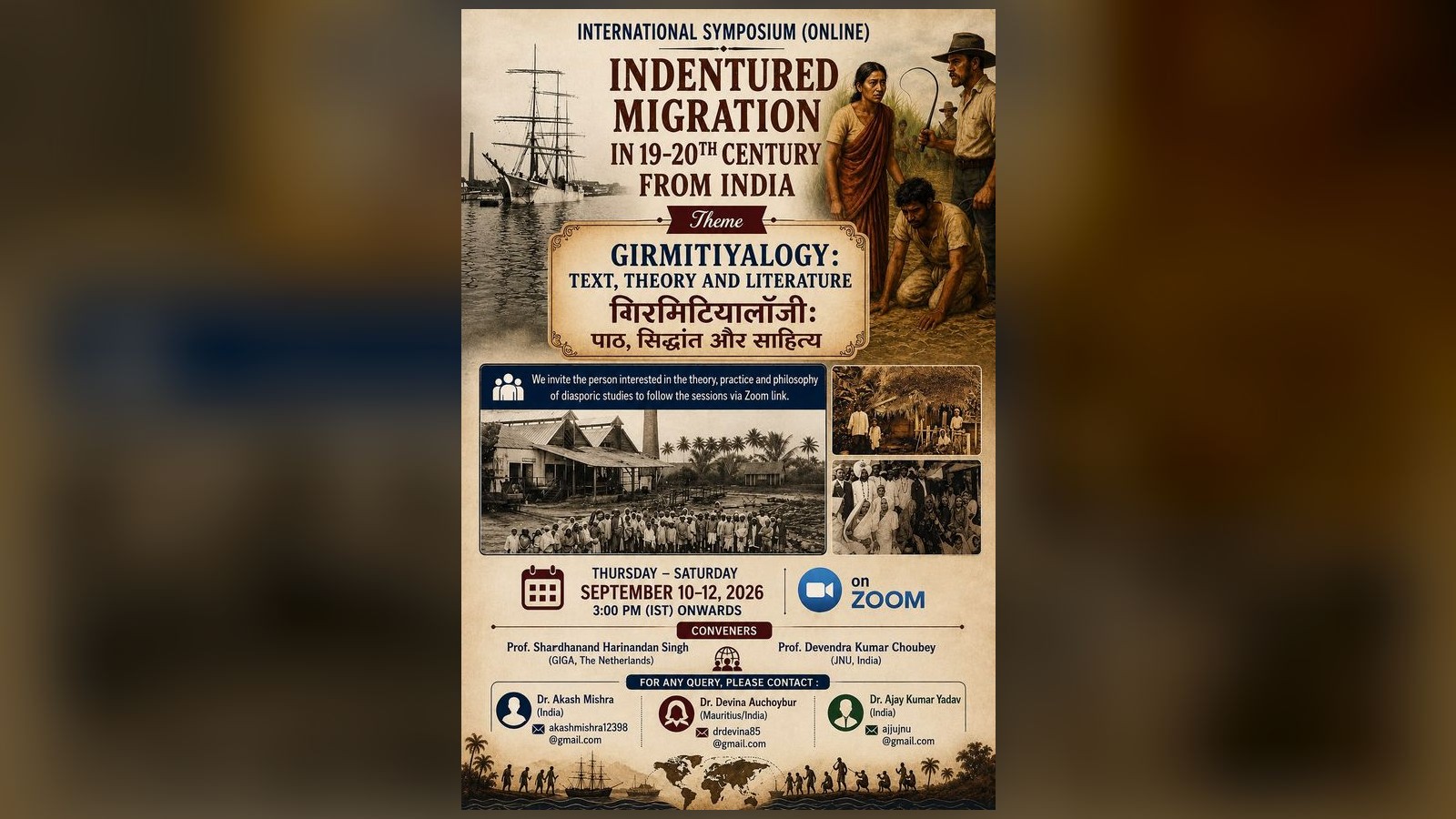
‘Girmitiyalogy’: an online symposium on India's indentured migration (10–12 September 2026)
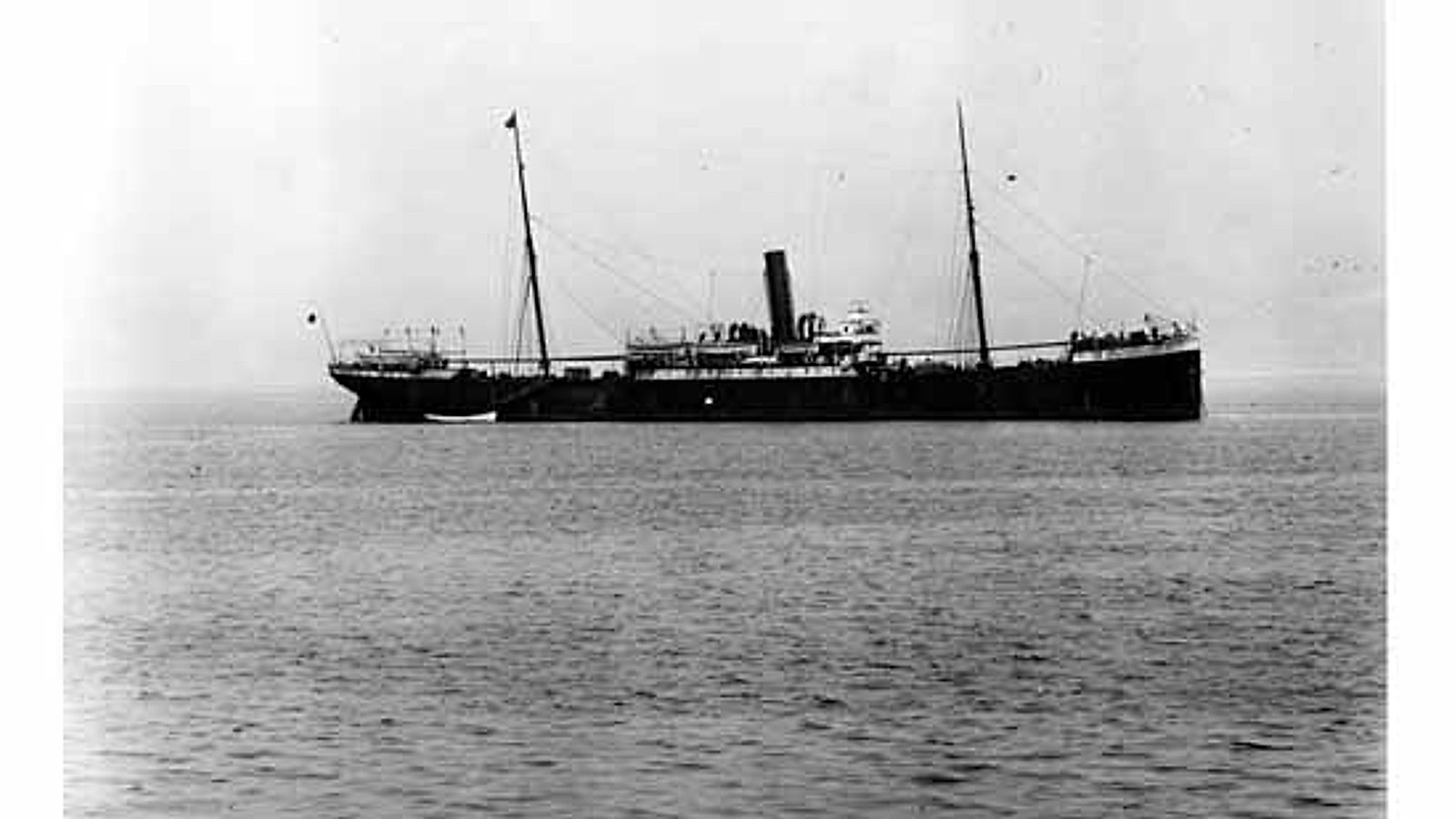
The ship that was turned away: how Indians came to Canada
From the mills to Downing Street: how South Asians made Britain home