

The Indian-origin names on the 2026 US midterm ballot
As America votes in the 2026 midterms, a striking number of names on the ballot are Indian — four House incumbents, first-time candidates in Texas and Florida, a governor's race in Ohio, and one district where two candidates of Indian origin face off.
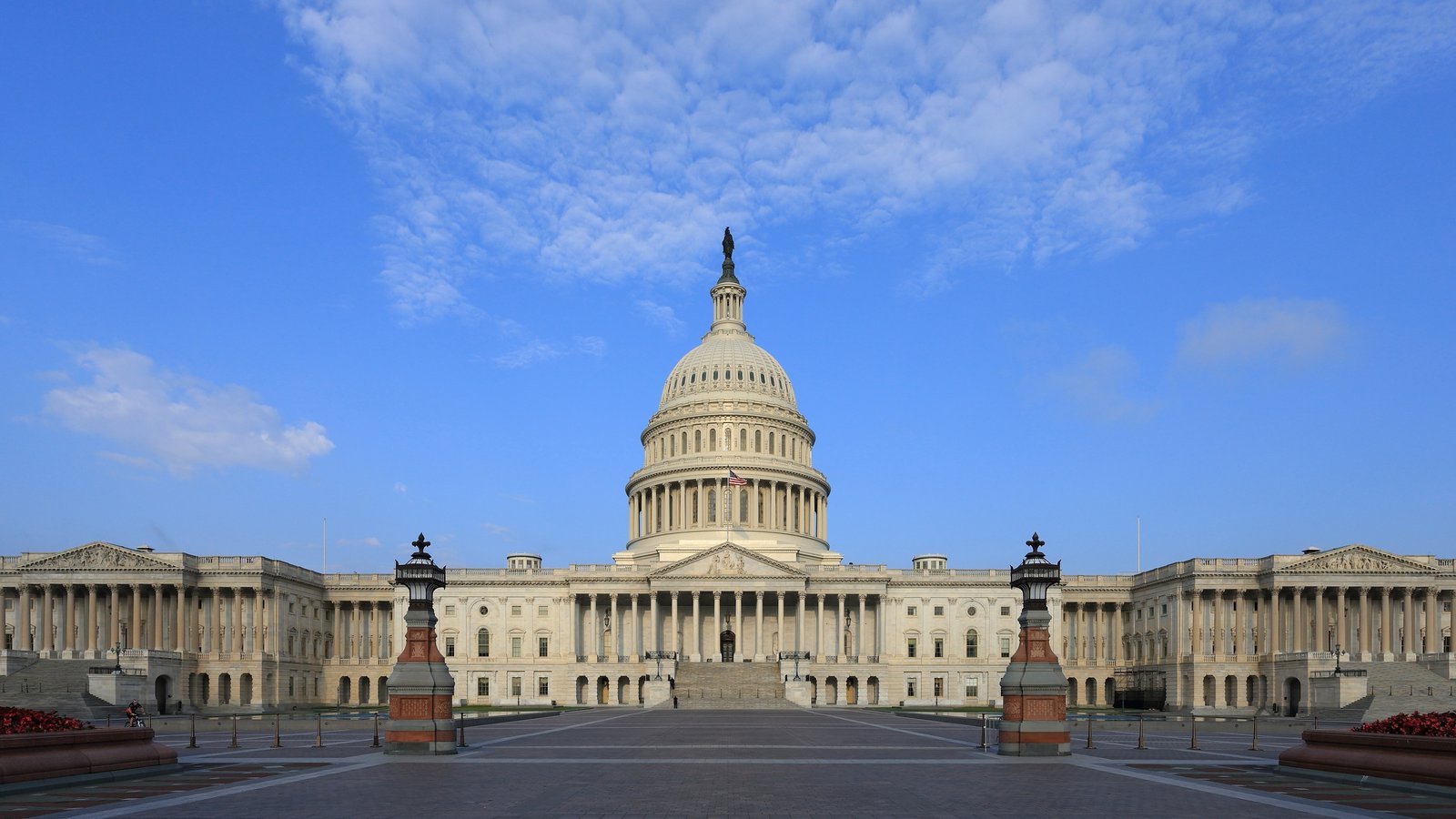
Americans vote today in the 2026 midterm elections, and a striking number of the names on ballots across the country are Indian. A community that sent its first members to Congress barely a decade ago now fields candidates in both parties, from city halls to a governor's mansion — and in at least one race, an Indian-origin Democrat is running against an Indian-origin Republican.
It is the clearest sign yet that the diaspora's arrival in American public life has stopped being a novelty and become a fixture.
The incumbents defending their seats
Four Indian-American Democrats go into today's vote seeking another term in the US House of Representatives: Ro Khanna of California, Pramila Jayapal of Washington, Ami Bera of California — the longest-serving Indian-American in Congress — and Suhas Subramanyam of Virginia, among the most recent to arrive. Together they anchor what has become, in shorthand, the "Samosa Caucus," the small but durable bloc of lawmakers of Indian descent on Capitol Hill.
Khanna's own race carries a twist that would have been unimaginable a generation ago: his Republican challenger, Ritesh Tandon, is himself of Indian origin — two children of the same diaspora facing each other across the aisle in a single Californian district.
The new names on the ballot
Below the incumbents is a longer list of first-time and down-ballot candidates contesting seats across Texas, Florida, Arizona, Ohio, New York and California.
In Texas, Democrat Pooja Sethi is running in state House District 47; a win would make her the first Hindu and the first Indian-American to sit in the Texas Legislature. In Florida, Pia Dandiya — a former teacher and high-school principal, born and raised in Palm Beach County to Indian immigrant parents — is running for Congress. In Los Angeles, city councilmember Nithya Raman is, according to US reporting, challenging the incumbent mayor Karen Bass.
The most prominent name of all sits outside Congress entirely. Vivek Ramaswamy, the biotech entrepreneur and former presidential contender, is on the ballot in the race for governor of Ohio — a reminder that the diaspora's political reach now extends to statewide executive office, and that it is not confined to one party.
The primaries were not all kind
The road to today thinned some of the field. Raja Krishnamoorthi, the Illinois congressman, lost his bid for the Democratic Senate nomination in the state; Shri Thanedar was defeated in the Democratic primary in Michigan's 13th congressional district. The diaspora's political rise, in other words, is no longer a straight line of firsts — it now includes the ordinary attrition of established politics, the losses as well as the wins.
From one man to a caucus
The reach is recent. The first person of Indian origin elected to the US Congress was Dalip Singh Saund, a Punjab-born mathematician who won a California House seat in 1956 — and then, for almost sixty years, there was essentially no one. The modern wave began only in 2012, when Ami Bera reached the House, and swelled in 2016, when Khanna, Jayapal and Raja Krishnamoorthi joined him, and Kamala Harris — later the first vice-president of Indian descent — entered the Senate. The bloc now on the ballot is, in historical terms, barely a decade old. That it already contains incumbents to re-elect, insurgents to launch, candidates in both parties and a contest fought between two of its own is the measure of how fast the ground has moved.
The bloc behind the candidates
The candidates are the visible edge of a community that campaigns have spent this cycle courting with unusual energy. Indian Americans number fewer than six million, a small fraction of the electorate, but they are concentrated in competitive states, affluent, and reliably high-turnout — the kind of voters a close race cannot ignore. This autumn that has meant candidates working Diwali gatherings and community halls for support.
Where the community leans has been the subject of fresh study. Research from the Carnegie Endowment for International Peace ahead of today's vote found Indian Americans breaking heavily for Democrats — a gap it put well above the margin the party enjoyed in 2024 — with much of that preference driven by opposition to the Republican side rather than enthusiasm for the Democratic one. Yet the presence of Ramaswamy, Tandon and other Republican names on the ballot shows the bloc is not monolithic, and both parties now see it as worth the courtship.
What today measures
By tomorrow some of these names will have won and some will have lost, and the headlines will sort them accordingly. But the more durable story is the ballot itself. A diaspora that, within living memory, had almost no presence in American elected office now has incumbents to defend, newcomers to launch, candidates in both parties, and contests — like Khanna against Tandon — fought entirely among its own.
For the Indian diaspora watching from across the world, today is less about any single result than about how far the community has travelled: from immigrants counted at the margins to the people whose names are on the ballot.
Further down the ballot, the same rise plays out in local races — an Odia techie running for mayor of a Silicon Valley city.
Sources: reporting on the Indian-origin candidates in the 2026 US midterm elections, including the four incumbent Indian-American House Democrats (Ro Khanna, Pramila Jayapal, Ami Bera, Suhas Subramanyam), the Khanna–Ritesh Tandon contest, and down-ballot candidates Pooja Sethi (Texas), Pia Dandiya (Florida) and Nithya Raman (Los Angeles), per WION and other mainstream coverage; Vivek Ramaswamy's candidacy for governor of Ohio; the primary defeats of Raja Krishnamoorthi (Illinois Senate) and Shri Thanedar (Michigan 13th) per the same reporting. Voting-bloc analysis per the Carnegie Endowment for International Peace's 2026 survey of Indian American voters. Candidate details are as reported at the time of writing on election day; results were not yet known.
Related from Politics
From Odisha to Silicon Valley: the techie running for mayor of Milpitas
Navi Pillay: the granddaughter of indentured labourers who won the 2026 Nobel Peace Prize
'We're watching your back': India's new diaspora embrace