

From Odisha to Silicon Valley: the techie running for mayor of Milpitas
On today's ballot in Milpitas, a Silicon Valley city, is Santosh Sahu — an Odia-origin techie running for mayor on data-centre power, surveillance and privacy. The quieter frontier of the diaspora's rise in American politics.
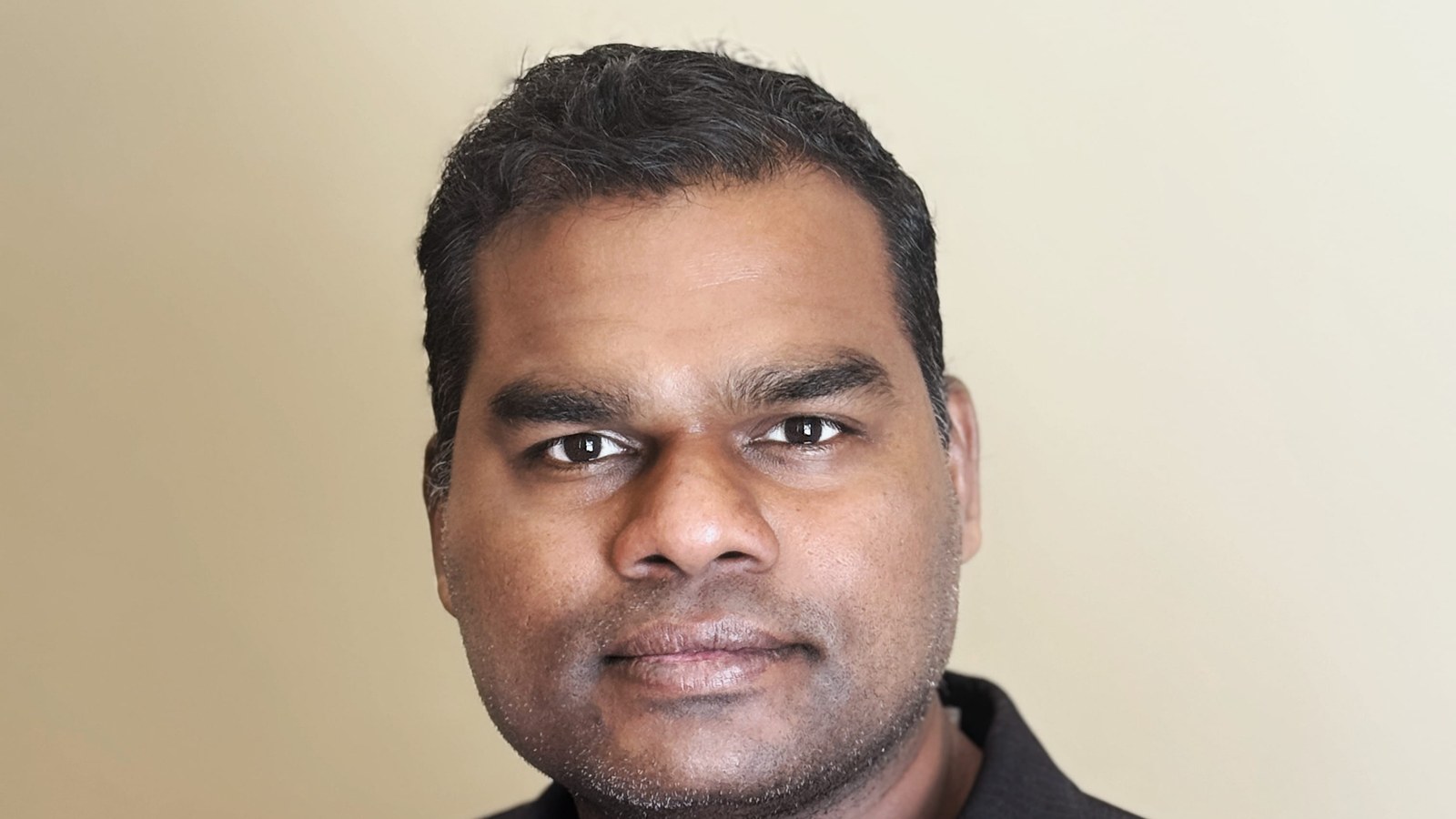
On the ballot in Milpitas today, among the names competing to run a city of some eighty thousand people on the edge of Silicon Valley, is one that began a long way from California: Santosh Sahu, an Odia-origin technology professional, is standing for mayor.
It is the kind of race that rarely makes international news — a mid-sized city, a local executive office, a handful of candidates. But it is exactly where most of a country's democracy actually happens, and it is increasingly where the Indian diaspora is turning up.
From Odisha to the valley
Sahu's story follows a now-familiar arc with a less-familiar starting point. Born and educated in Odisha — a state that sends far fewer of its people into the American immigrant story than Gujarat, Punjab or the south — he built a career in technology in the United States, where he has lived for close to two decades. Having spent that time in and around the industry that defines his adopted city, he has decided to try to run the place itself. His campaign, which goes under the banner "Sahoo for Milpitas," frames the move as a civic one: using a professional's experience of systems and budgets to improve the city he lives in.
The pitch is deliberately unglamorous. Sahu has campaigned on better governance, financial discipline, transparency and improved public services — the meat-and-potatoes of municipal politics, not the culture-war set pieces of national campaigns.
Milpitas is, in a sense, a natural place for such a candidacy. A city of around eighty thousand in Santa Clara County, wedged between San Jose and the bay, it is one of the most Asian-American cities in the United States — a majority-Asian municipality where South Asian families are a visible and growing part of the mix, drawn by the same technology economy that drew Sahu. An Indian-origin name on its mayoral ballot is less an anomaly than a reflection of who now lives there. What makes it notable is not that it happened in Milpitas, but that it is happening at all.
A Silicon Valley candidate's Silicon Valley issues
Where his candidacy gets more specific is on the questions that only a tech-shaped city really has to answer. Sahu has made an issue of the AI data centres pressing in on the region — the vast, power-hungry, water-thirsty facilities that the artificial-intelligence boom is spawning, and the strain they put on a city's electricity and water. He has also raised the quieter civic cost of a surveillance-heavy age, calling for regulation of the surveillance cameras and automatic licence-plate-recognition systems that increasingly blanket American cities, in the name of residents' privacy.
They are the preoccupations of someone who understands the machinery from the inside, and they translate the diaspora's over-representation in the technology industry into a stake in how that industry's spillovers are governed at street level.
The unglamorous frontier of diaspora politics
Sahu is one of several candidates in the Milpitas race, running against opponents who include the sitting mayor — the hard, uncertain ground of a challenger taking on an incumbent in local politics. He may win and he may not. The point of his candidacy, for a diaspora audience, is not the odds.
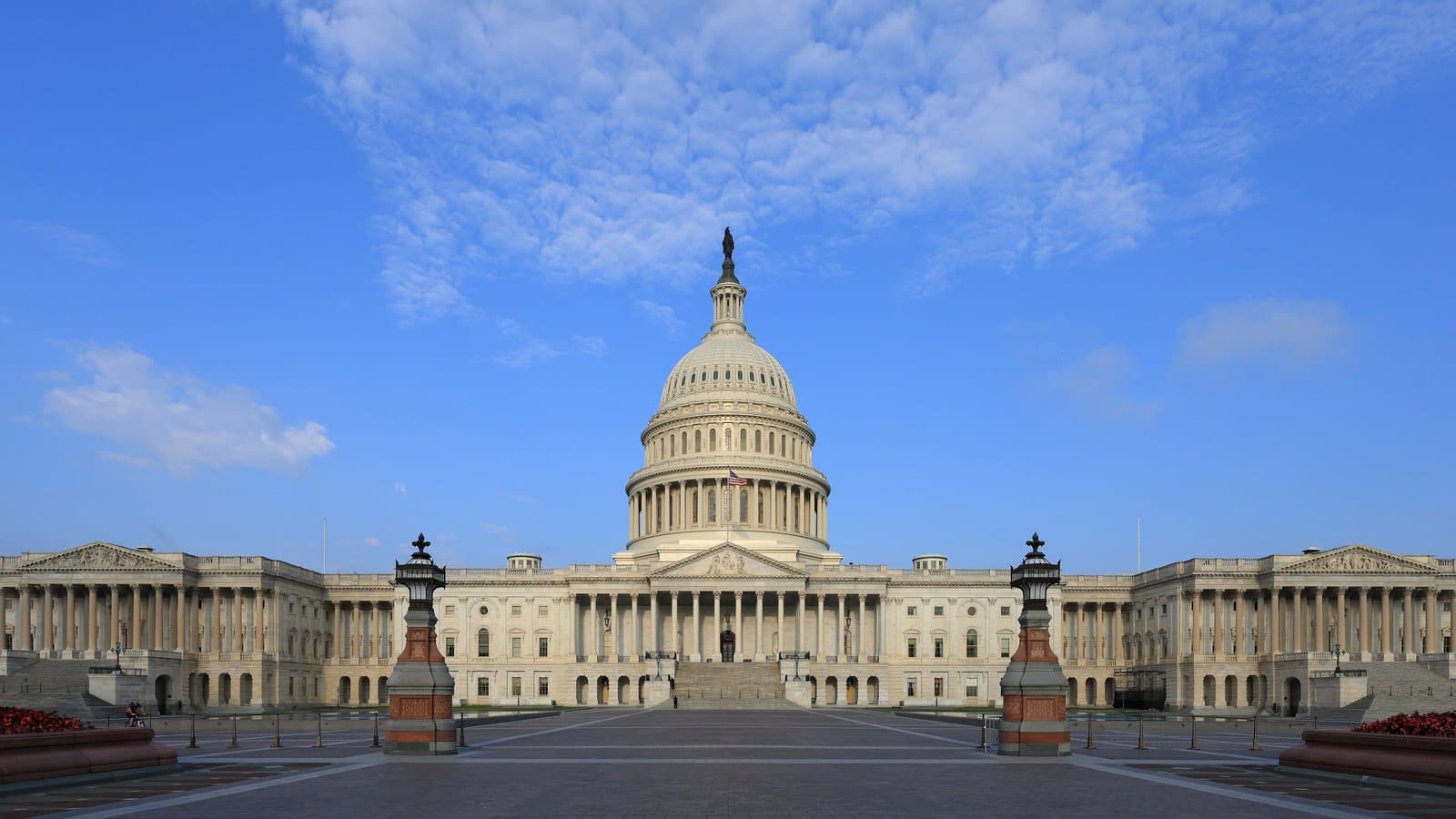
For years the story of Indians in American politics has been told through its summits — the members of Congress, the presidential contenders, the names that trend. But the deeper measure of a community's political arrival is how far down the ballot it reaches: into school boards, city councils and mayor's offices, the offices that pave the roads, approve the data centres and set the police cameras' rules. A diaspora that only produces national figures is a diaspora of exceptions. One that produces mayoral candidates in ordinary mid-sized cities is a diaspora that has become part of the ordinary machinery of where it lives.
That Milpitas — a city already home to a large Asian and Indian-American population — should have an Odia techie on its mayoral ballot is, in that sense, the more telling kind of milestone. It is not a first that makes headlines. It is the slow, unflashy spread of a community into the civic life of its adopted home.
Rooted, and running
Through it all, by his own account, Sahu has stayed proud of where he comes from — his Indian identity and his Odisha roots carried intact into a Californian campaign. That doubleness is the diaspora's native condition: fully invested in the city you are asking to lead, and still, unmistakably, from somewhere else.
By tomorrow Milpitas will have chosen, and Sahu will be either its mayor-elect or a candidate who fell short. Either way, his name on the ballot is a small entry in a large ledger — the steady, city-by-city record of the Indian diaspora deciding that belonging somewhere also means helping to run it.
Sources: reporting on Santosh Sahu's candidacy for mayor of Milpitas, California, in the 3 November 2026 election — his Odisha origins and education, roughly two decades in the United States, a career in technology, and a platform of better governance, financial discipline, transparency and public services, with specific positions on AI data-centre power and water demands and on regulating surveillance cameras and licence-plate recognition — per Deccan Chronicle, OdishaTV and Orissa Post, and his own campaign ("Sahoo for Milpitas," votemilpitas.com). He is reported to be running against several opponents, including the incumbent mayor. The result was not known at the time of writing.