

'We're watching your back': India's new diaspora embrace
In 2026 India is courting its diaspora as never before — financially and politically. The week a minister told US Indians 'we're watching your back,' the diaspora had just handed home a record $127 billion. Inside New Delhi's strategic embrace of its 35 million global Indians — and what the diaspora should ask in return.
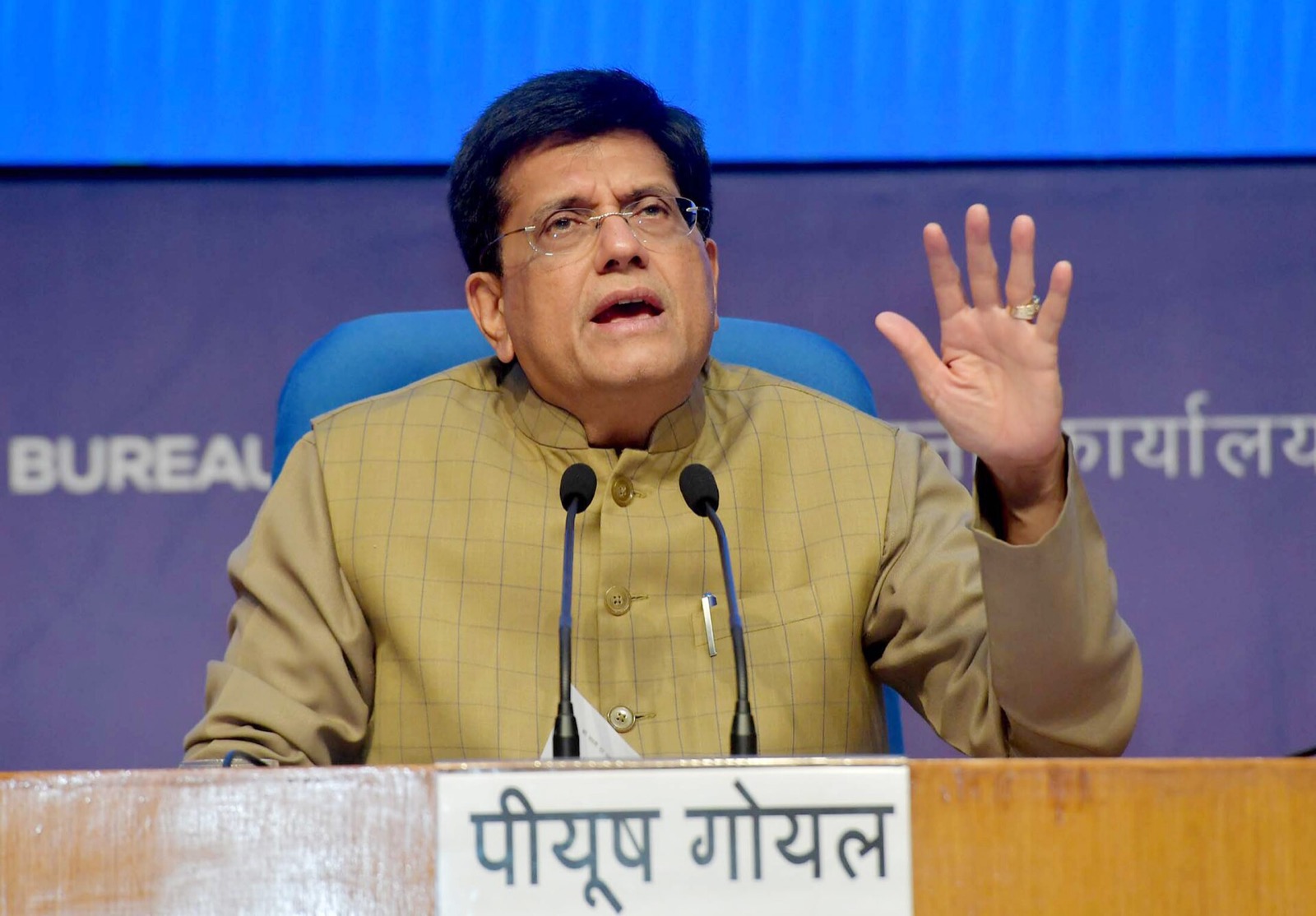
On Gandhi Jayanti this month, India's commerce minister stood in Fullerton Hall at the Art Institute of Chicago — the room where, in 1893, Swami Vivekananda introduced Hinduism to the West to thunderous applause — and told a hall full of Indian-Americans something a government rarely says out loud. "We back home," Piyush Goyal said, "are watching your back."
It was a striking thing to promise, and a telling one. Three days earlier, the same diaspora Goyal was addressing had quietly handed the old country a record $127 billion in deposits, shoring up a wobbling rupee. In the space of a single week, the two halves of India's 2026 diaspora strategy were on full display: the money flowing home, and the state reaching out. India is courting its global Indians as never before — and it is worth asking why, and what it wants in return.
The embrace, in one week
Goyal's Chicago speech was not an isolated flourish. He called the diaspora "the living bridge between the United States and India," and pointed to the evacuations of Indians from war-torn Yemen and Ukraine as proof that New Delhi now treats its citizens abroad as a responsibility, not an afterthought. In the same breath — and this is the part worth noticing — he urged Indian-Americans to be good citizens of their adopted country: "Be loyal to it, be honest to it, work hard for your nation." Engage with India, in other words, but belong where you live.
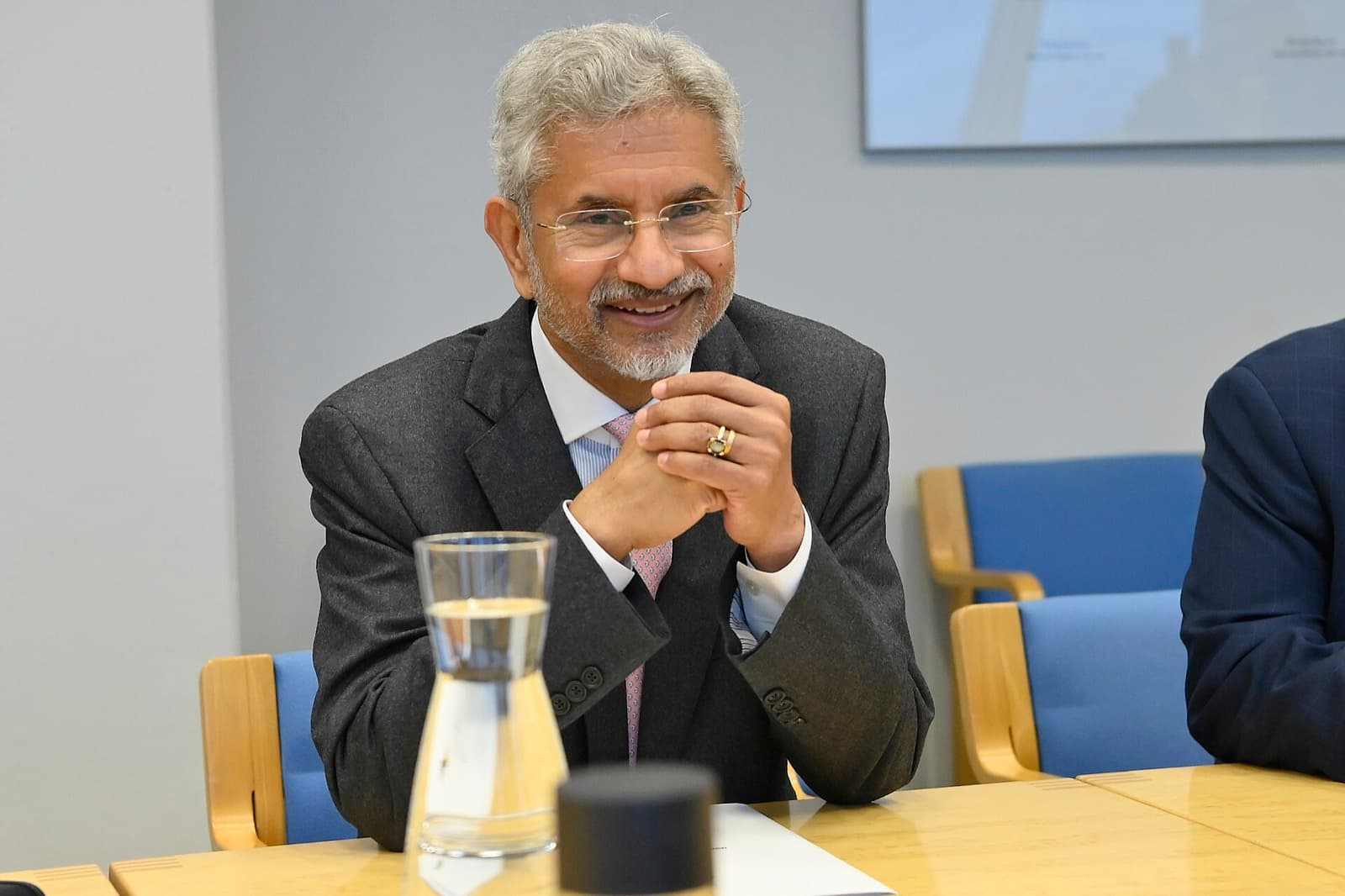
Days before, in New York, the Global Organization of People of Indian Origin had handed external affairs minister S. Jaishankar a memorandum of the diaspora's own asks — smoother consular and passport services, fewer obstacles for Indian charities and schools trying to receive overseas donations, and relief from the banking headaches that naturalised citizens of Indian origin face when they deal with India. The courtship, in other words, runs both ways: the state reaches for the diaspora, and the diaspora reaches back with a list.
And underneath all of it sat the number that makes the rest make sense. Between June and August, non-resident Indians poured a record sum into Indian bank deposits under a special Reserve Bank window, a diaspora-built buffer for a currency under strain. We told that story in our cover on the $127 billion homecoming. The sentiment Goyal was appealing to in Chicago had, a week earlier, shown up as cold, hard, dollar-denominated fact.
From brain drain to living bridge
To see how far this has travelled, remember where it started. For decades, the Indian conversation about its emigrants was a lament — the "brain drain," the doctors and engineers lost to richer countries, the talent India had trained and then waved goodbye to. The diaspora was something that happened to India.
That framing is gone. The 35 million people of Indian origin abroad are now, in New Delhi's telling, an asset: the world's largest source of remittances — well over $100 billion a year — a lobby that helped carry the US-India relationship, a reservoir of capital that can be summoned in a crunch, and a soft-power argument that India makes simply by pointing at Sundar Pichai, Rishi Sunak's cabinet, or a street of Indian-run businesses in any Western city. In June, Prime Minister Narendra Modi told overseas Indians in Paris that India was "counting on" them. In 2026 that counting has become specific, and quantified.
Why now
The timing is not an accident. India wants the diaspora's money at a moment when the rupee is under pressure and imported oil is dear; the FCNR window was designed to pull exactly that. It wants the diaspora's political weight at a moment when Indian students and H-1B workers in the United States face a harder, costlier, more uncertain path than they have in years — and when a friendly, organised Indian-American community is a useful thing to have in Washington. And it wants the diaspora's loyalty-at-a-distance: engaged enough to invest, lobby and visit, settled enough abroad to keep building the bridge.
There is a real tension inside that ask, and Goyal named it without quite resolving it. A government cannot tell people to "be loyal" to the United States and simultaneously treat them as an arm of Indian strategy; the diaspora's value to India depends precisely on its being trusted, integrated and successful where it lives. The most useful overseas Indian, to New Delhi, is one who is fully American, or British, or Emirati — and still picks up the phone when India calls. Managing that line, honestly, is the quiet work of the whole project.
What the diaspora should want back
For the diaspora itself, the lesson of this week is that it has leverage it has not always used. A community that can move a nine-figure sum in a quarter, and that India's ministers now fly across the world to flatter, is in a position to ask for things — and GOPIO's memorandum is a model of the right instinct. The unglamorous stuff is where it counts: consular services that work, OCI rules that stop changing every few months, banking and inheritance and property systems that treat a naturalised citizen of Indian origin as a welcome participant rather than a suspicious edge case. We have reported at length on those frictions, from the OCI's shifting rules to the money a family must navigate to stay connected to India.
The embrace is real, and on balance it is welcome; a country that values its diaspora is better than one that forgets it. But an embrace is not the same as a partnership, and the difference is accountability. India has learned, in 2026, to ask its diaspora for money, for influence, and for love. The diaspora's task is to make sure it is also, in return, asking India for competence — and getting it.
The living bridge, after all, carries traffic in both directions. This week, most of it was heading home.
Sources: Piyush Goyal's remarks in Chicago on 2 October 2026 as reported by IANS and The Hans India, and the minister's own account of the Fullerton Hall address; GOPIO's memorandum to the Ministry of External Affairs; and Reserve Bank of India FCNR data as reported in September 2026. This is analysis, not financial or legal advice.
Related from Politics
The diaspora's wish list: GOPIO takes its asks to Jaishankar

Nila Vikhe Patil: the Indian-origin MP elected to Sweden's parliament
Kanishka Narayan: from Muzaffarpur to Britain's first Minister for AI