

Mother Tongues: Mauritian Bhojpuri, the language the cane fields kept
Bhojpuri crossed the ocean with Mauritius's indentured labourers and became the island's Indian lingua franca. Two centuries later, it is fading — and being fought for.
Walk through a Mauritian village wedding and you may still hear it: a circle of women, a dholak drum and a brass thali, voices rising in a call-and-response song that travelled from the Gangetic plain to the Indian Ocean in the holds of the indenture ships. The language of those songs is Bhojpuri — once the everyday tongue of a third of the island, now an inheritance its own grandchildren are quietly letting go.
The language the ships carried
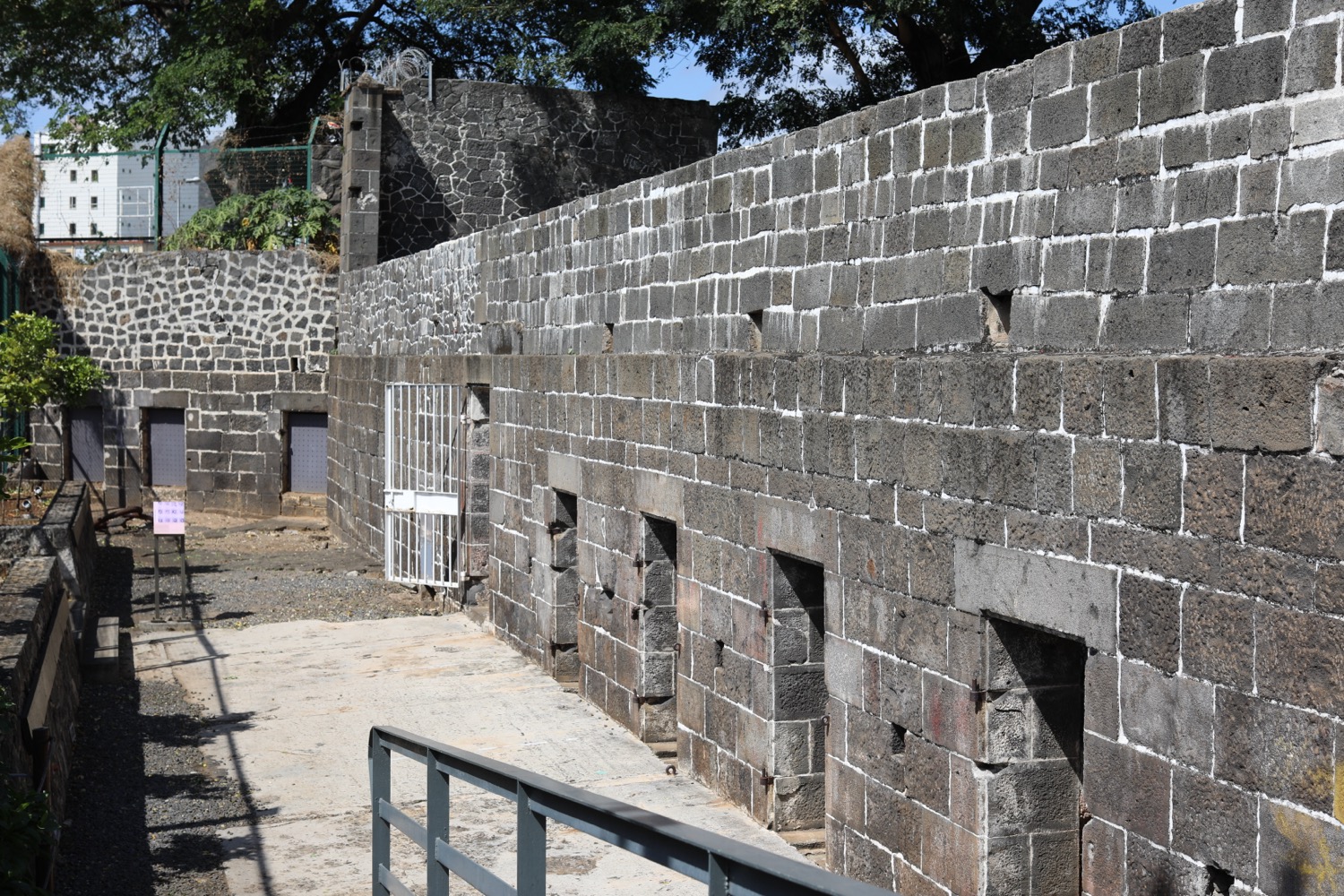
Mauritius was the first and largest laboratory of Indian indenture. From 1834, close to half a million labourers were shipped to its sugar estates, most of them from the Bhojpuri-speaking belt of Bihar, eastern Uttar Pradesh and what is now Jharkhand. They arrived speaking a scatter of village dialects, and on the estates these levelled into a shared Mauritian Bhojpuri — the common tongue of the camp, the cane field and, in time, the Indo-Mauritian village.
A rural lingua franca
For more than a century Bhojpuri was simply the language of rural Indian Mauritius — spoken at home, in the fields and the bazaar, and understood across the sugar belt. So thoroughly was it woven into country life that it left its mark on Mauritian Creole itself, and even some non-Indian rural Mauritians picked up its words. It was never the language of government or the grammar school, but it was the language of the people who fed the island.
The long retreat
That world is fading fast. By the 2011 census only 5.8% of Mauritians named Bhojpuri as their main home language, down from far higher rates a generation earlier, and later counts put it lower still. The sharpest signal is generational: among children aged five to fourteen, proficiency had collapsed to around 1.3%. A language spoken by hundreds of thousands within living memory is, statistically, being switched off household by household.
Why it fell
The causes are the ordinary machinery of language death. English and French were the languages of school, examination and advancement; a child's future ran through them, not through Bhojpuri. Reform movements such as the Arya Samaj promoted "pure" Standard Hindi as the proper language of religion and culture, casting village Bhojpuri as something lesser. Urbanisation pulled families off the land, and Bhojpuri carried a faint stigma of rural poverty. Parents, wanting the best for their children, increasingly raised them in Mauritian Kreol, English or French instead.
Squeezed by Kreol
Above all there was Kreol. Mauritian Creole, the French-lexified language born on the same plantations but rooted in the island's African and Creole population, became the true cross-community lingua franca of modern Mauritius, spoken by the overwhelming majority. Bhojpuri found itself pressed from below by Kreol as the everyday street language and from above by Hindi, English and French as the languages of prestige — with less and less space left in between.
Sega and geet-gawai
Mauritius keeps two great folk-music traditions, and the difference between them maps the island's two histories. Sega, with its ravanne drum, is the music of the Creole coast, born of the enslaved. Geet-gawai is the music of the Bhojpuri interior — the North Indian wedding-song tradition carried by the female indentured labourers of Bihar's Bhojpuri belt, a women's ceremony of song, drumming and ritual performed before a marriage.
A heritage worth saving
It is geet-gawai that has become the front line of the language's survival. In 2016, UNESCO inscribed Bhojpuri folk songs in Mauritius — Geet-Gawai on its Representative List of the Intangible Cultural Heritage of Humanity, recognising it as an expression of community identity and collective memory — and, notably, as a practice that breaks down class and caste barriers among those who sing it together.
The fightback
Mauritius has fought the decline harder than almost any other indenture society. Bhojpuri was given official recognition in 2012, and a state-backed Bhojpuri Speaking Union, under the Ministry of Arts and Culture, now runs some twenty-five Geet Gawai schools to pass the songs — and the language inside them — to a generation that no longer learns it at the dinner table.
A language becoming a performance
And yet the trend line is unforgiving. A language that survives mainly in wedding ceremonies and heritage classrooms, rather than in the ordinary talk of the kitchen and the street, is a language in retreat — preserved, honoured, inscribed by UNESCO, and slipping all the while from a living mother tongue into a treasured performance. Mauritian Bhojpuri is the clearest case study in the whole indentured world of what is won, and what is lost, when a transplanted language finally meets the modern state and the modern economy.
Continue the series · Mother Tongues
Related from Heritage
‘Girmitiyalogy’: an online symposium on India's indentured migration (10–12 September 2026)
The ship that was turned away: how Indians came to Canada
From the mills to Downing Street: how South Asians made Britain home