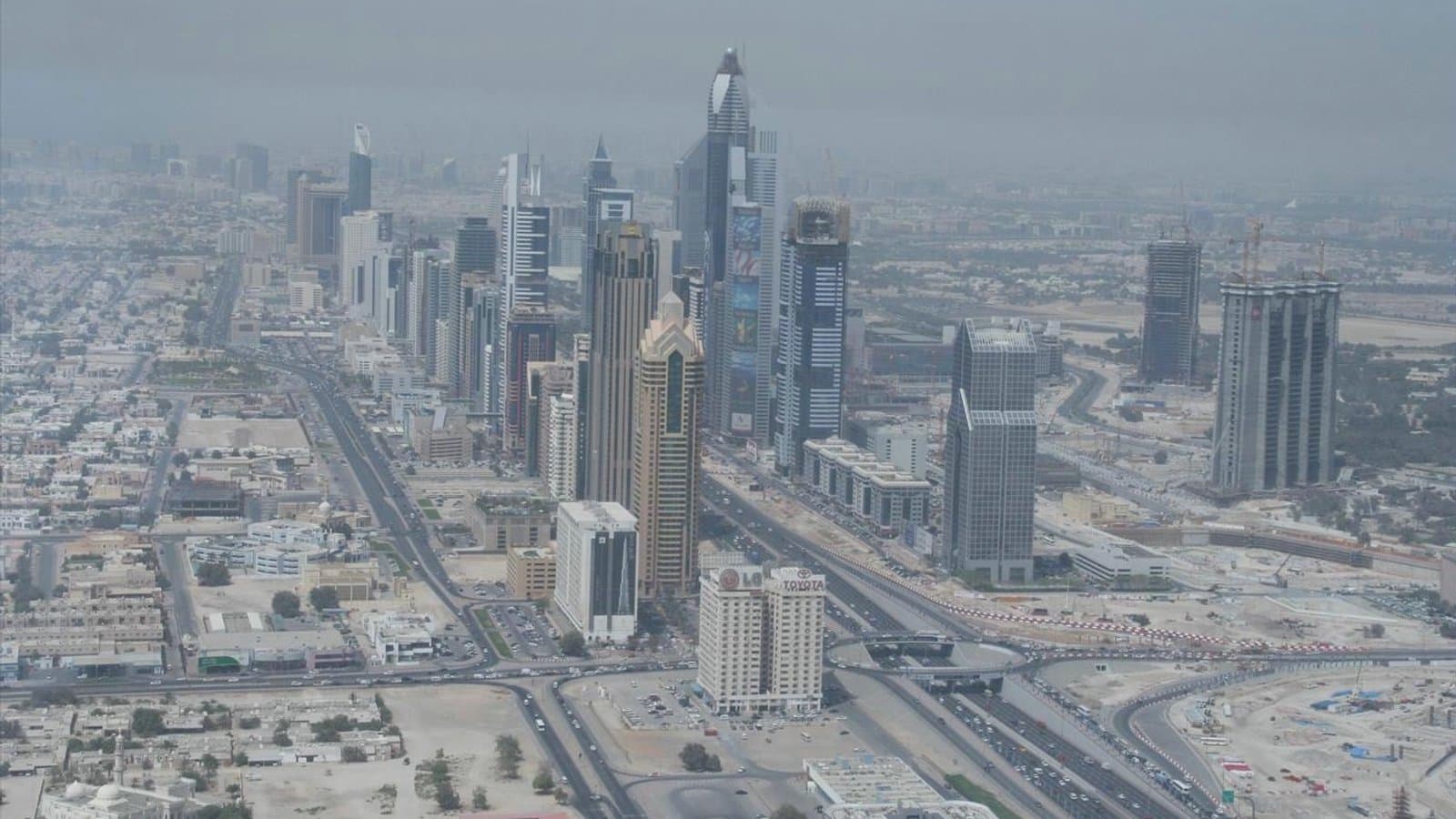


Tamil in Malaysia and Singapore: an official language losing its home
Tamil is printed on Singapore's banknotes and taught in its schools, yet barely a third of Singaporean Indians now speak it at home. Across the causeway in Malaysia it has no official status at all. The same language, two different ways to fade.
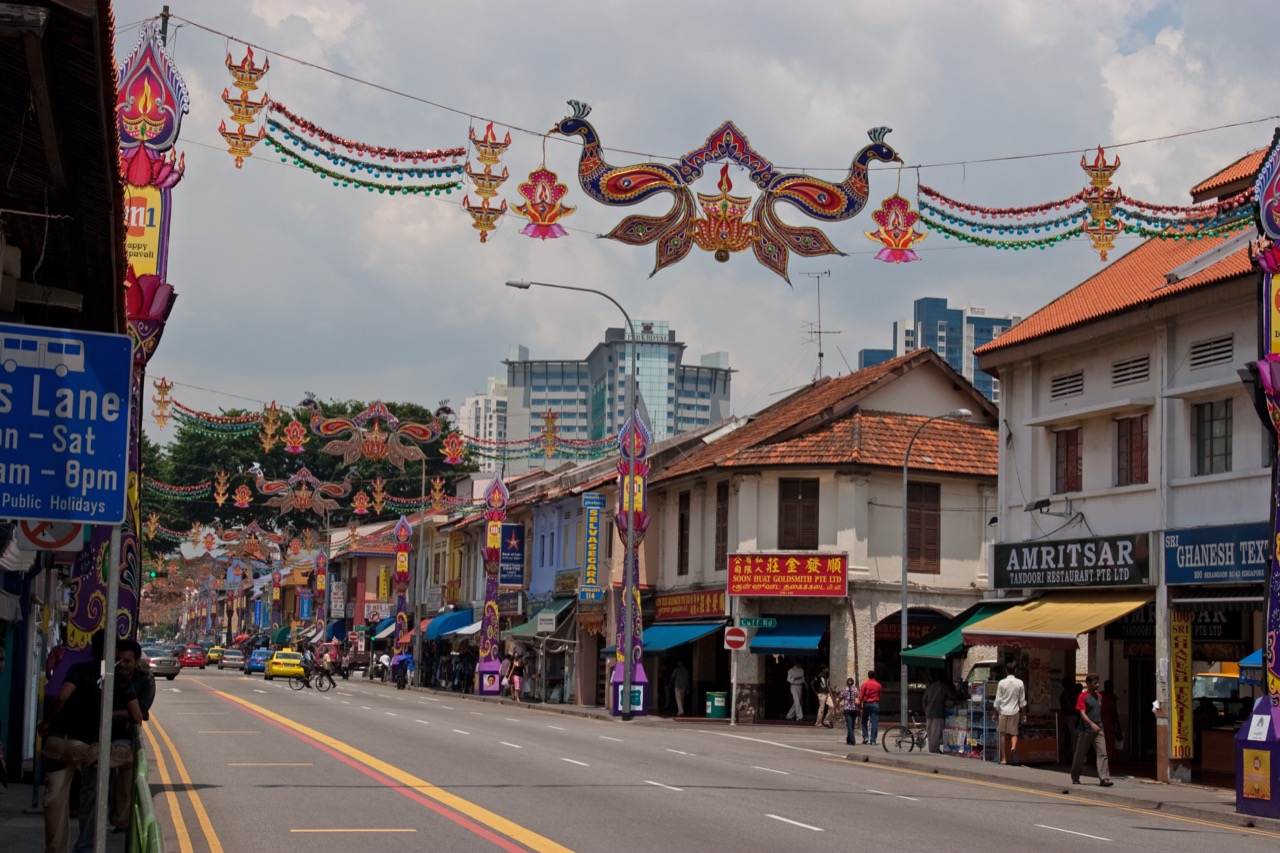
Tamil is one of the four official languages of Singapore. It appears on the currency, on government signs and on the railway announcements, and it is taught in every school as a "mother tongue." And yet, by the government's own surveys, only about 37% of Singaporean Indians now speak Tamil at home. A language can hold the highest legal status a state can give and still be slipping out of the kitchen and the living room. Tamil in Southeast Asia is the proof.
How Tamil got there
The Tamil presence in Malaya and Singapore is, like so much of the diaspora, a story of colonial labour. The British brought South Indian Tamils in large numbers from the late nineteenth century to work the rubber and sugar estates, recruited as indentured and later kangani-system workers from the poorest districts of the Madras Presidency. A smaller, more literate stream of Tamils came from Jaffna in Ceylon to staff the clerical and supervisory jobs. Tamils became, and remain, the overwhelming majority of the ethnic-Indian population in both countries.
Singapore: protected by law
Singapore did something unusual: it wrote Tamil into the constitution as an official language, alongside English, Malay and Mandarin, despite Tamils being a small minority. The state funds Tamil-medium teaching from pre-school to junior college, supports a Tamil press and broadcasts, and runs a Tamil Language Council to promote its use. On paper, no diaspora Tamil community is better protected.
But the home is emptying
The protection has not stopped the shift. English is the working language of Singapore and the medium of school instruction, and within Indian families it has increasingly become the language of the home as well. Studies of Singapore Tamil describe a generation that learns Tamil as a graded school subject rather than absorbing it as a first language, and that switches to English the moment the lesson ends.
The dispersal problem
One cause is physical. Singapore's public-housing policy deliberately mixes ethnic groups in every block to prevent enclaves, which means Tamils are scattered across the island rather than concentrated in a neighbourhood. Linguists studying the community have noted the consequence: Tamil loses its "community domain." There is no street, market or estate where it is simply the language everyone speaks, so it survives, if at all, only inside the individual household.
Malaysia: no status, more speakers
Across the causeway the picture inverts. Malaysia gives Tamil no official standing, yet the language is in some ways more robustly spoken, because the community is larger and more residentially concentrated. Malaysia inherited a network of Tamil-medium vernacular primary schools, a British-era legacy built to educate estate children without integrating them, and several hundred still operate. They are often underfunded and located on or near the old plantations, and as estates are sold off and Indian families move to the cities, the schools and the language they carry come under pressure.
The newspaper and the council
The institutions fight a quiet rearguard action. Singapore's Tamil daily, Tamil Murasu, has published since 1935 and still appears; literary bodies run Tamil writing and oratory competitions; Deepavali and Pongal keep the language audible in public at least once a year. These keep Tamil present in the civic life of both countries even as its everyday use thins.
What official status can and cannot do
The Southeast Asian case carries a hard lesson for every diaspora language. Legal status protects the visible forms of a language: the signboard, the exam paper, the newspaper masthead. It does not, by itself, protect the thing that actually keeps a language alive, which is a child hearing it spoken and answering back in it at the dinner table. Tamil in Singapore has the status that Fiji Hindi or Mauritian Bhojpuri could only dream of, and is fading anyway, because status lives in the statute book and a language lives in the mouth.
A classical tongue in a modern city
Tamil is one of the world's oldest living literary languages, with two millennia of writing behind it, and its Southeast Asian speakers are heirs to that long inheritance as well as to the cane-field and rubber-estate one. Whether the great-grandchildren of the estate Tamils will still speak it, or merely sit an examination in it, is the open question hanging over one of the most institutionally privileged, and quietly endangered, Indian languages abroad.
The Tamil story runs wider still — to the tea estates of Sri Lanka in The Hill Country Tamils, and to old Rangoon in The Indians of Burma.
Continue the series · Mother Tongues
Related from Heritage
‘Girmitiyalogy’: an online symposium on India's indentured migration (10–12 September 2026)

The ship that was turned away: how Indians came to Canada
From the mills to Downing Street: how South Asians made Britain home