


Sarnami: the language the Suriname cane fields made
Part 6 of Mother Tongues. Carried across an ocean by indentured labourers, the Bhojpuri of the Ganges plain became something new in the Dutch colony of Suriname - Sarnami Hindustani, a language of its own, now spoken as much in Rotterdam as in Paramaribo, and quietly fading in both.
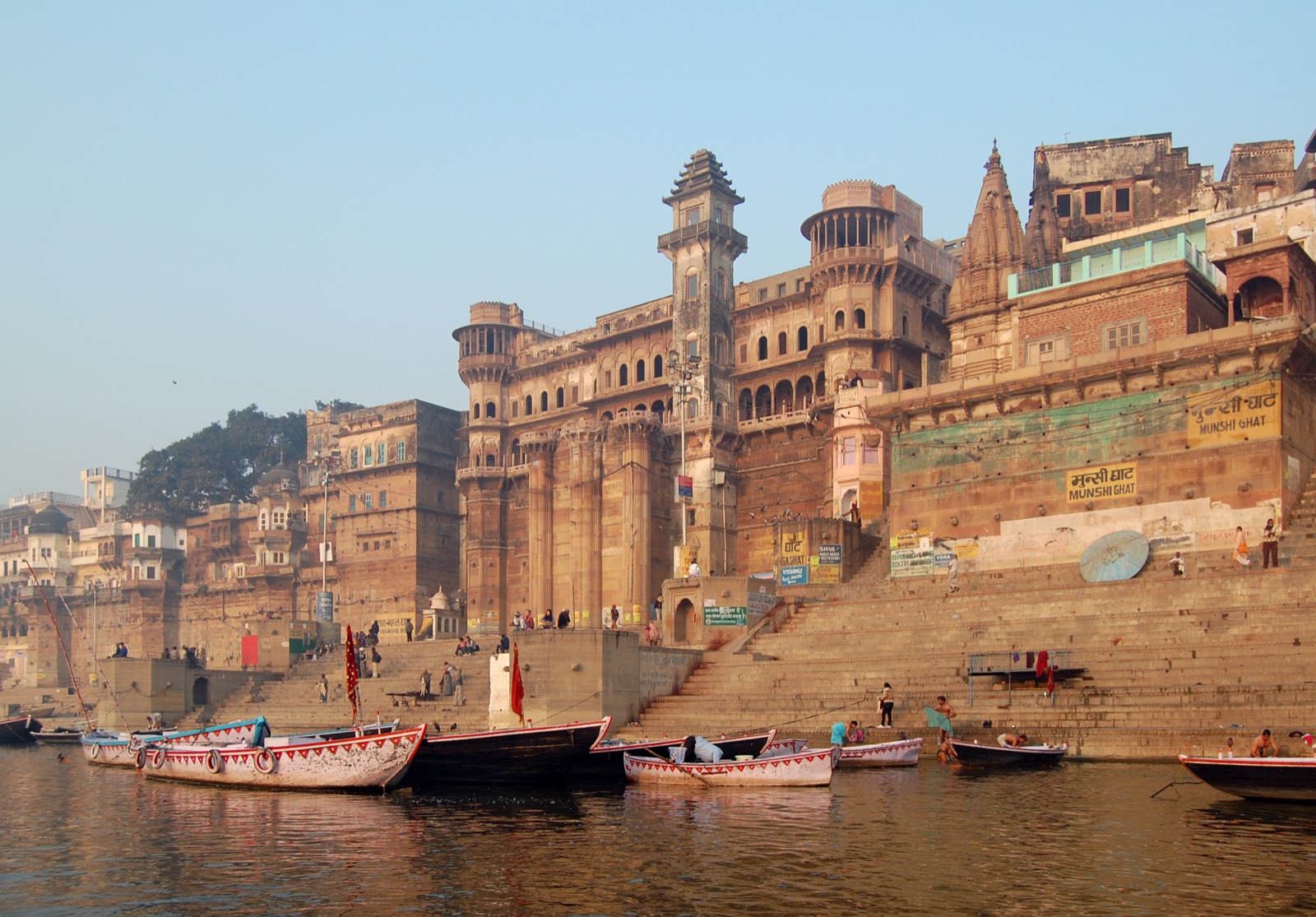
When the ships began arriving in the Dutch colony of Suriname in 1873, they carried Indians drawn mostly from the Bhojpuri- and Awadhi-speaking plains of the Ganges - Bihar, eastern Uttar Pradesh - bound to five years of indentured labour on the sugar estates. They brought little they could hold. What they could not be stripped of was their language, and in the cane fields of Suriname that language did what languages do under pressure: it changed, blended, simplified, and became something that had never existed before. They called it Sarnami - from Sarnam, their word for Suriname - and today it is recognised as a language in its own right.
A language born on the estates
Sarnami Hindustani is not "broken Hindi", though it has often been dismissed as such. It is a natural koiné: a common tongue that emerged when speakers of several closely related North Indian dialects - Bhojpuri above all, with Awadhi and others - were thrown together on the plantations and had to understand one another. Regional differences were sanded down; the grammar settled into a shared form; words were borrowed from Dutch, from Sranan Tongo (Suriname's Creole lingua franca), and from the other peoples of a famously plural colony. The result is closer to Bhojpuri than to the standard Hindi of Bollywood, and it is a cousin of the other languages indenture made - Fiji Hindi, Caribbean Hindustani, the Hindustani of Guyana and Trinidad - each shaped separately by its own island or coast.
For the descendants of the indentured, Sarnami became the intimate language of home: of the kitchen, the courtyard, the folk song, the Hindu ritual, the affectionate insult. It carried the emotional life of a community that had lost almost everything else of India except its gods and its words.
An ocean, then another
The Sarnami story has a second migration built into it, and this is what makes it unusual among diaspora languages. As Suriname moved toward independence from the Netherlands in 1975, a very large share of its Indian-descended population - the Hindustanis - left for the Dutch metropole rather than stay. Today there is a substantial Surinamese-Hindustani community in the Netherlands, concentrated in cities like The Hague and Rotterdam, and Sarnami travelled with them. The language of the Ganges plain, having become the language of the Suriname estates, became also a language of the Dutch city - spoken in apartments in Europe by people whose great-grandparents cut cane in South America, whose ancestral villages lie in Bihar.
Few languages have made that particular journey: India to South America to Europe, indenture to independence to migration, across a century and a half and three continents. Sarnami holds all of it.
What it sounds like
To an ear tuned to standard Hindi, Sarnami is at once familiar and slightly off-centre, the way a strong regional accent can be - the bones of Bhojpuri showing through, the vocabulary studded with Dutch and Creole borrowings that no speaker in India would use. Its pronouns and verb endings mark it out; its rhythm is its own. It is a spoken language above all, and it lives most vividly in sound rather than script.
That is why music has been its great preserver. Baithak Gana - literally "sitting-and-singing music" - is the folk genre of the Indo-Surinamese, performed in Sarnami with harmonium, dholak and dhantal, and it has kept the language ringing at weddings, temples and gatherings on both sides of the Atlantic long after everyday conversation began drifting into Dutch. It is a cousin of the chutney music of Trinidad and Guyana, another indenture-born sound. When the grammar books close, the songs keep the language open.
The slow fade
It is also, like most of the languages in this series, under quiet threat. In Suriname, Dutch remains the language of school and state, and Sranan Tongo the everyday connector across ethnic lines; in the Netherlands, Dutch is simply the water the second and third generations swim in. Sarnami is increasingly the language of grandparents - understood by the young, spoken by them haltingly if at all, slipping from an everyday tongue toward a heritage one. The trajectory is painfully familiar to any diaspora: the immigrant generation speaks it, their children understand it, their grandchildren apologise for not knowing it.
There has been resistance to that fade. Sarnami has a written literature, championed by poets and scholars who insisted it deserved the page and not only the mouth. It lives loudly in music - especially in Baithak Gana, the folk genre of the Indo-Surinamese, sung in Sarnami at weddings and gatherings on both sides of the Atlantic. Radio programmes, cultural organisations and a proud core of speakers have worked to keep it from disappearing into Dutch. Whether that is enough against the ordinary gravity of assimilation is the same open question this series keeps arriving at.
Why a small language matters
It would be easy to file Sarnami under linguistic curiosity - a minor tongue spoken by a few hundred thousand people in two small countries. But that misses what it represents. Sarnami is a living record of one of the great forced dispersals of the modern age, the indenture system that scattered more than a million Indians across the European empires after slavery ended. Each of those communities took the same North Indian speech and, cut off from India and from one another, grew a distinct language from it. Sarnami is Suriname's, as Fiji Hindi is Fiji's - a fingerprint of a specific history of departure and survival.
When a Surinamese-Dutch grandmother in Rotterdam scolds a grandchild in Sarnami, she is speaking a sentence with an astonishing amount of history folded into it: the Bhojpuri of a Bihar village, the Dutch of a colonial power, the Creole of a plantation society, the distance of two oceans. To lose the language would be to lose the only place where all of that history still lives in a single breath. That is why a small language matters - not for its size, but for everything it remembers.
Continue the series · Mother Tongues
Related from Heritage
Kundanlal Gupta: the Indian who saved Jewish families from the Nazis

The Lunatic Line: the Indians who built East Africa's railway
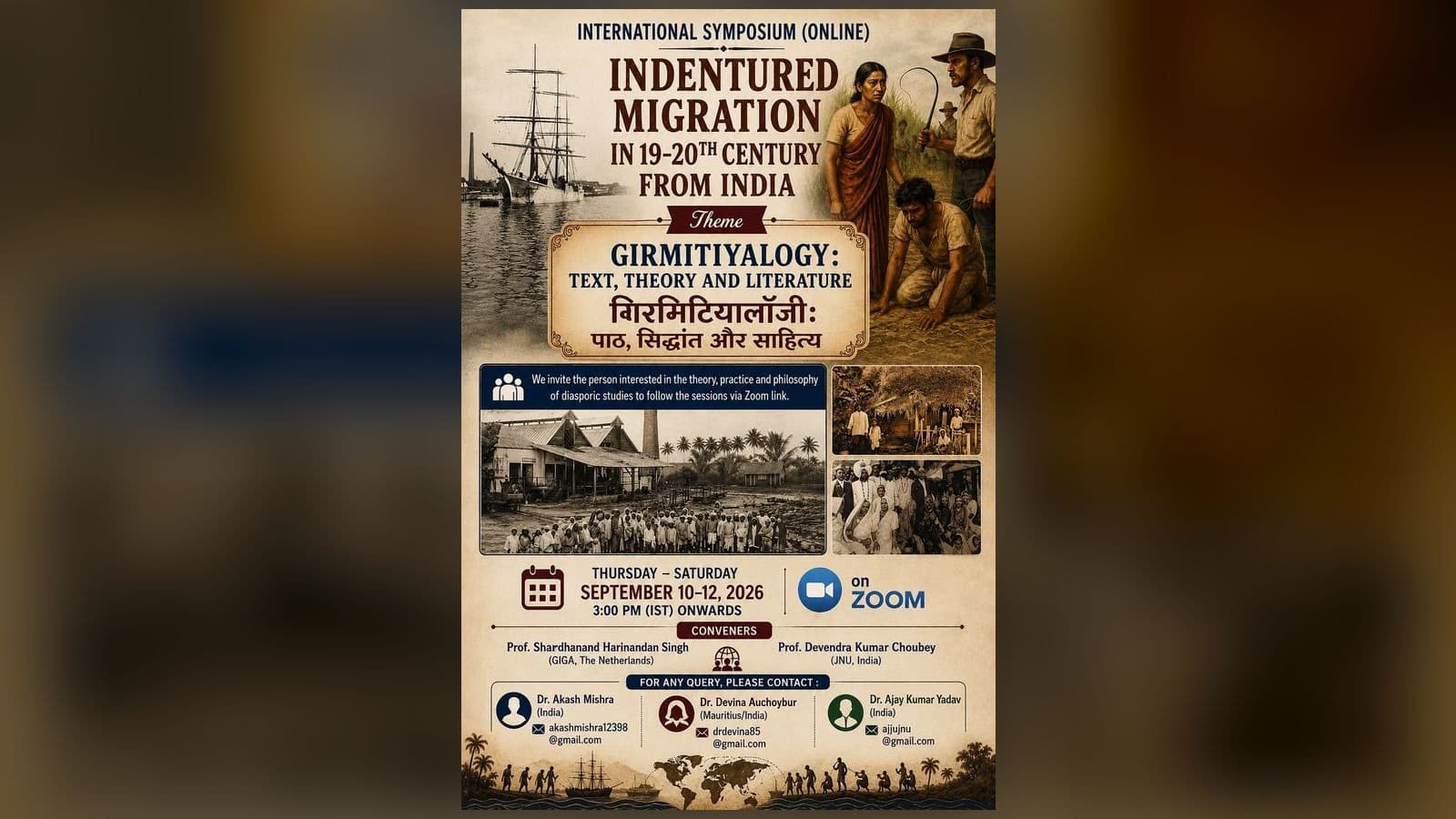
‘Girmitiyalogy’: an online symposium on India's indentured migration (10–12 September 2026)