


The Gulf plate: where Indian food is not 'ethnic' but everyday
Part 6 of The Diaspora Plate. In the Gulf, Indian food is not a cuisine you seek out - it is the background hum of daily life, from the Malayali cafeteria's morning parotta to the tiffin carrier at a labour camp. How millions of Indian workers made their food the region's own.
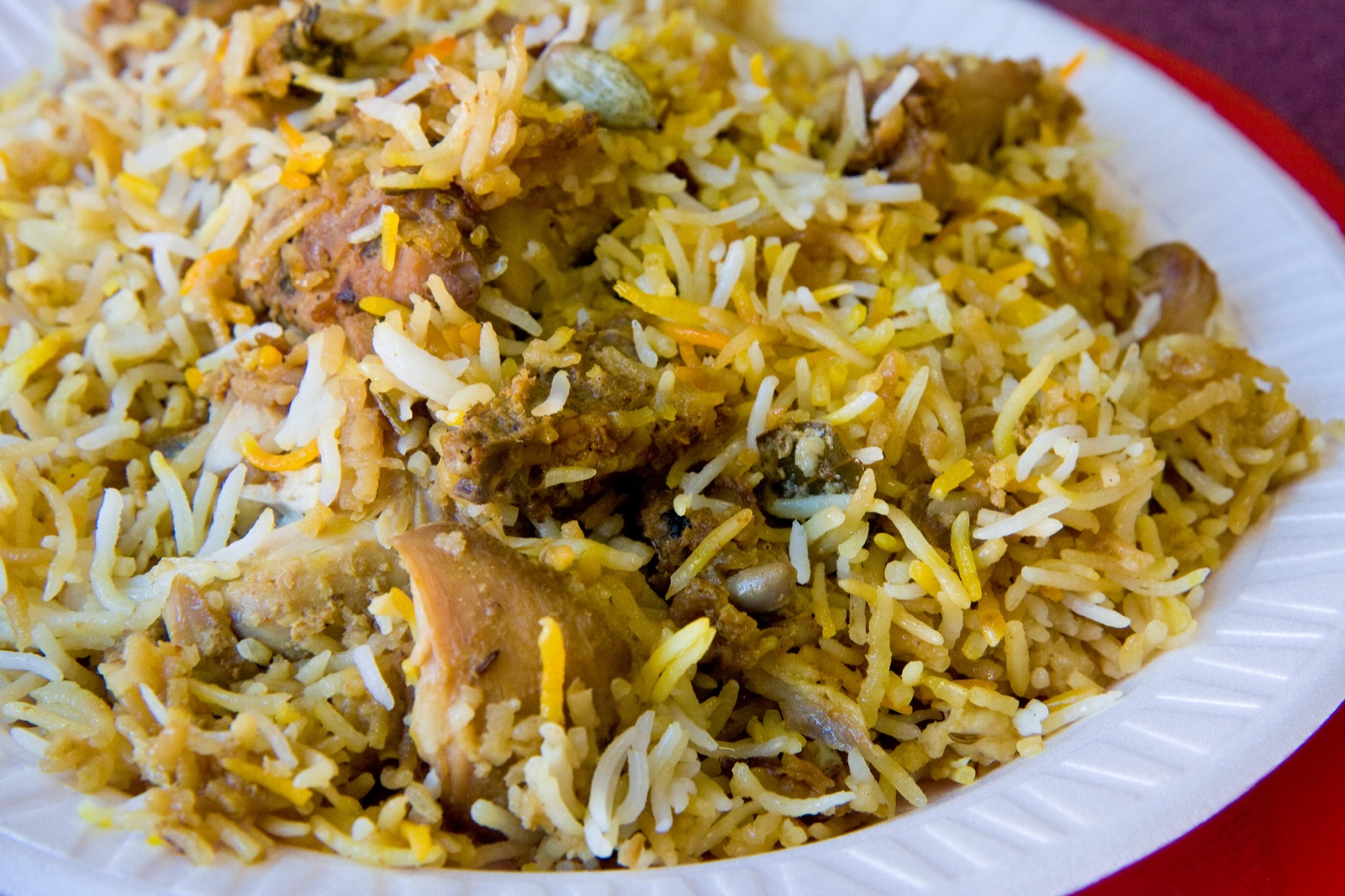
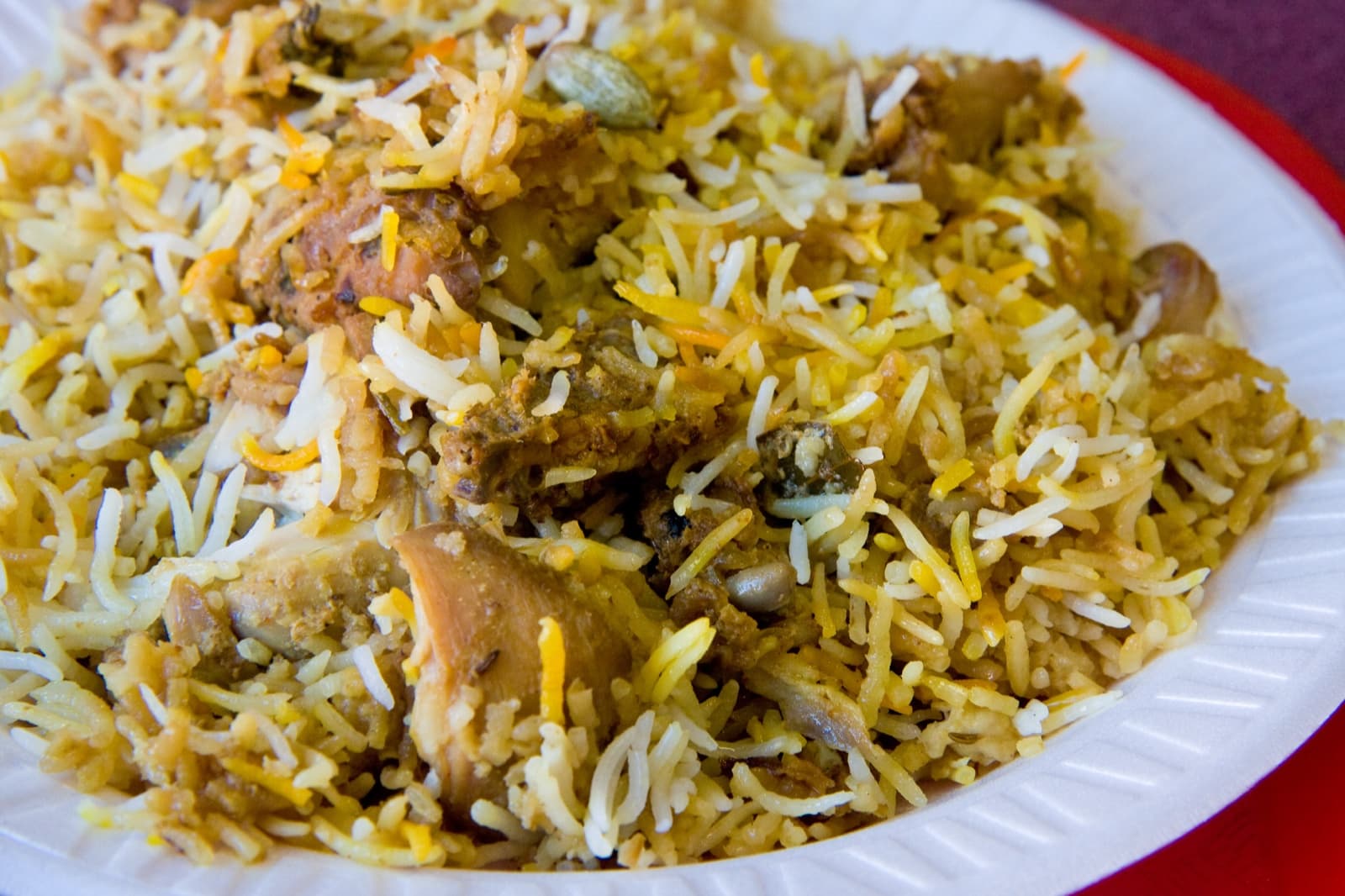
In most of the world, eating Indian food is a decision. You choose the Indian restaurant, over the Italian or the Thai. In the Gulf, it is closer to breathing. Indian food is simply there - in the cafeteria on the corner, the tiffin delivered to a building site, the biryani at a wedding, the masala chai handed through a hatch at dawn. The Gulf is the one part of the diaspora where Indian cooking is not "ethnic" cuisine at all. It is everyday food, for Indians and non-Indians alike, woven so deep into the region's daily rhythm that it has stopped looking foreign.
The reason is demographic. The Gulf states host millions of Indian workers - a large share of them from Kerala, and from across the south and west of India - and where the workers went, the food went with them, not as a cultural export but as a necessity. Men living far from their families in shared accommodation needed to be fed cheaply, quickly and in a way that tasted of home. Out of that need grew an entire parallel food economy that most Gulf tourists never see.
The cafeteria and the tiffin
The workhorse of that economy is the humble cafeteria - the small, fluorescent-lit eatery, often Malayali-run, that opens before dawn and serves parotta and beef curry, idli and dosa, egg fry and endless small glasses of sweet tea. These are not restaurants in the aspirational sense; they are canteens for the working diaspora, priced for a labourer's wage, and they exist in their thousands. For a Keralan electrician in Dubai or a Tamil driver in Doha, the cafeteria is the nearest thing to a kitchen he has.
Alongside it runs the tiffin service: home cooks, often women, preparing daily lunch boxes and dispatching them to offices, shops and labour camps - a Gulf echo of Mumbai's famous dabbawalas. A stacked steel tiffin carrier arriving at midday, packed with rice, dal, a vegetable and a curry, is one of the most quietly moving objects in the diaspora: a hot, homemade meal reaching a man who is thousands of kilometres from the woman who would normally have cooked it. It is care, couriered.
A two-way kitchen
What makes the Gulf plate distinctive is that the traffic runs both ways. Indian food shaped the Gulf, but the Gulf shaped it back. Decades of proximity have blurred the line between the two cuisines until it is often impossible to say where one ends and the other begins. The shawarma is eaten with as much devotion by Indians as by Arabs; the paratha wraps a filling that might be tandoori chicken or spiced potato; Gulf-style Indian biryani carries flavours - a particular sweetness, certain dried fruits - that mark it as neither purely Hyderabadi nor purely Arab but something born in between. Kerala's own cuisine, already shaped by centuries of Arab spice trade, folded easily into Gulf life, and Gulf ingredients folded back into the food Keralans cook at home.
This is what long, dense migration does to a plate. It is not fusion in the trendy, restaurant sense - a chef consciously marrying two traditions - but fusion in the deeper, slower sense, the kind that happens when two peoples eat side by side for two generations until their food quietly becomes one another's.
From the labour camp to the tasting menu
If the cafeteria is one end of the Gulf's Indian plate, the other end now reaches heights the early migrants could scarcely have imagined. Dubai in particular has become an unlikely capital of ambitious Indian fine dining, home to celebrated, internationally recognised rooms where chefs plate regional Indian cooking with the polish and price of any global tasting menu. In a single city you can eat a two-dirham parotta at a workers' cafeteria at dawn and a multi-course modern-Indian degustation at night, and both are, unmistakably, the food of the same diaspora.
That range is itself the story. The Gulf's Indian community is not one thing - it spans the construction worker and the restaurateur, the tiffin cook and the Michelin-chasing chef - and its food has stretched to cover the whole of it. Few diasporas anywhere can claim a cuisine that runs, without embarrassment, from the labour camp to the tasting menu. The Gulf's can, because the Gulf's Indians occupy every rung of the ladder, and they eat at all of them.
The food that goes home
The Gulf plate does not stay in the Gulf. It travels back to India in the suitcases and the habits of returning workers, and it has reshaped the food of the regions that send the most migrants - above all Kerala, where the "Gulf" is a flavour as much as a place. A Malayali household that has had a member in Dubai for twenty years cooks a little differently for it: an Arab dish adopted, a Gulf brand of dates on the shelf, a way with a particular spice picked up abroad. The remittances the Gulf sends home are counted in dollars; the culinary remittances are harder to measure but just as real.
Even the festivals travel by way of the plate. In Gulf flats each autumn, Malayali families lay out an Onam sadhya - a vegetarian feast of a dozen or more dishes served on a banana leaf flown or improvised in from home - and neighbours of every nationality are pulled in to share it. Diwali sweets and Eid biryani pass between doors in the same apartment towers. The food is how a scattered community keeps its calendar.
There is a poignancy under all of it, because the Gulf plate is, at bottom, the food of separation. It exists because millions of Indians live in the Gulf without their families, on visas that make them permanently temporary, sending money and longing home in equal measure. The cafeteria parotta and the couriered tiffin are not just meals; they are the daily management of homesickness, the way a working diaspora feeds not only its body but its memory of a kitchen it left behind. That the food ended up delicious, and ended up shared with the whole region, is the quiet triumph inside the hardship. The Gulf did not just take Indian labour. It sat down and ate with it, every single day, until the food was as much the Gulf's as India's.
Continue the series · The Diaspora Plate