

The American Indian restaurant: how a buffet taught a country to love India
Part 5 of The Diaspora Plate. Butter chicken, garlic naan, a steam-table lunch buffet and a framed photo of the Taj Mahal - for millions of Americans, this was India. The story of how a standardised menu conquered the United States, and how a new generation of chefs is now tearing it up.
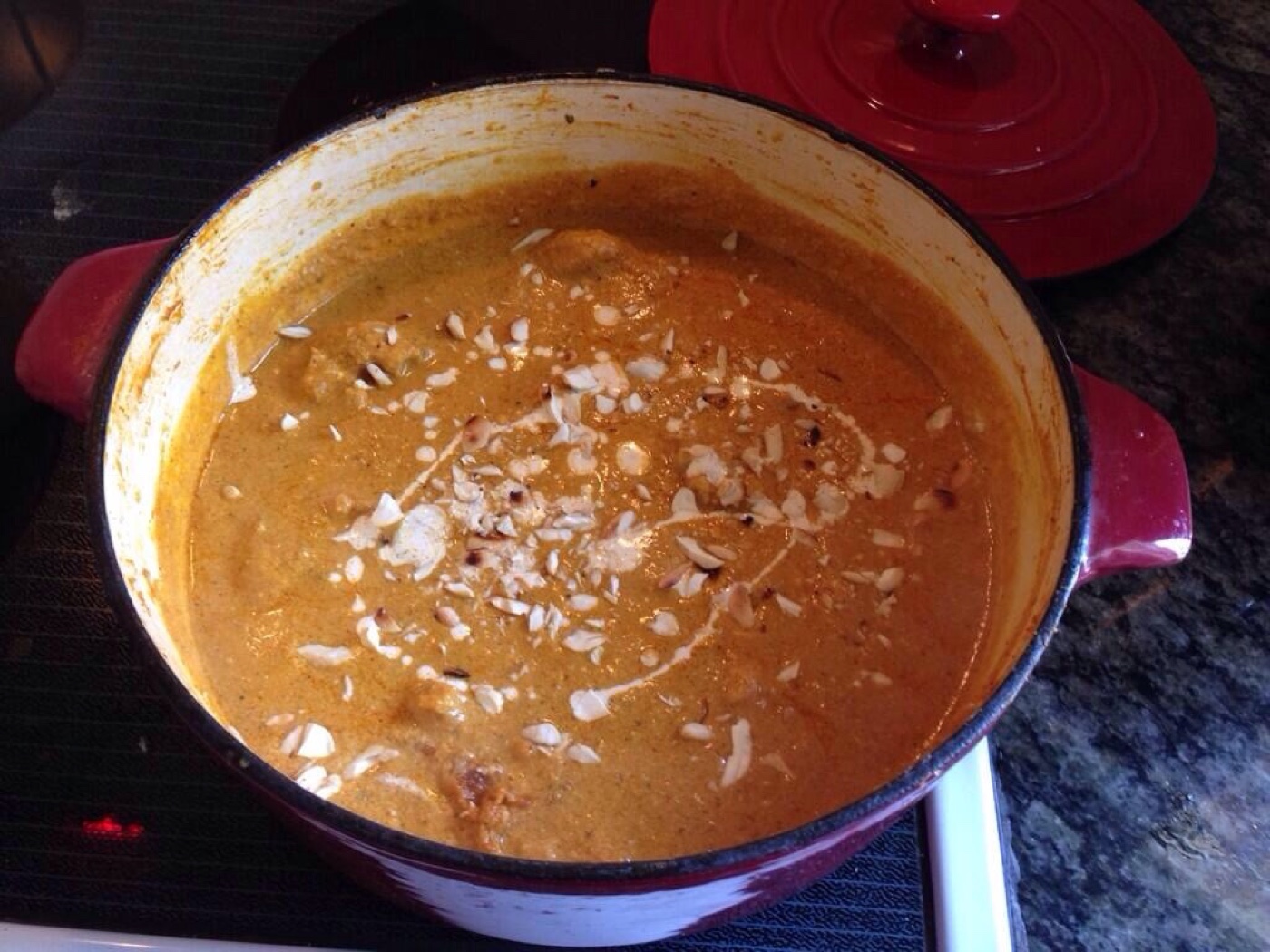
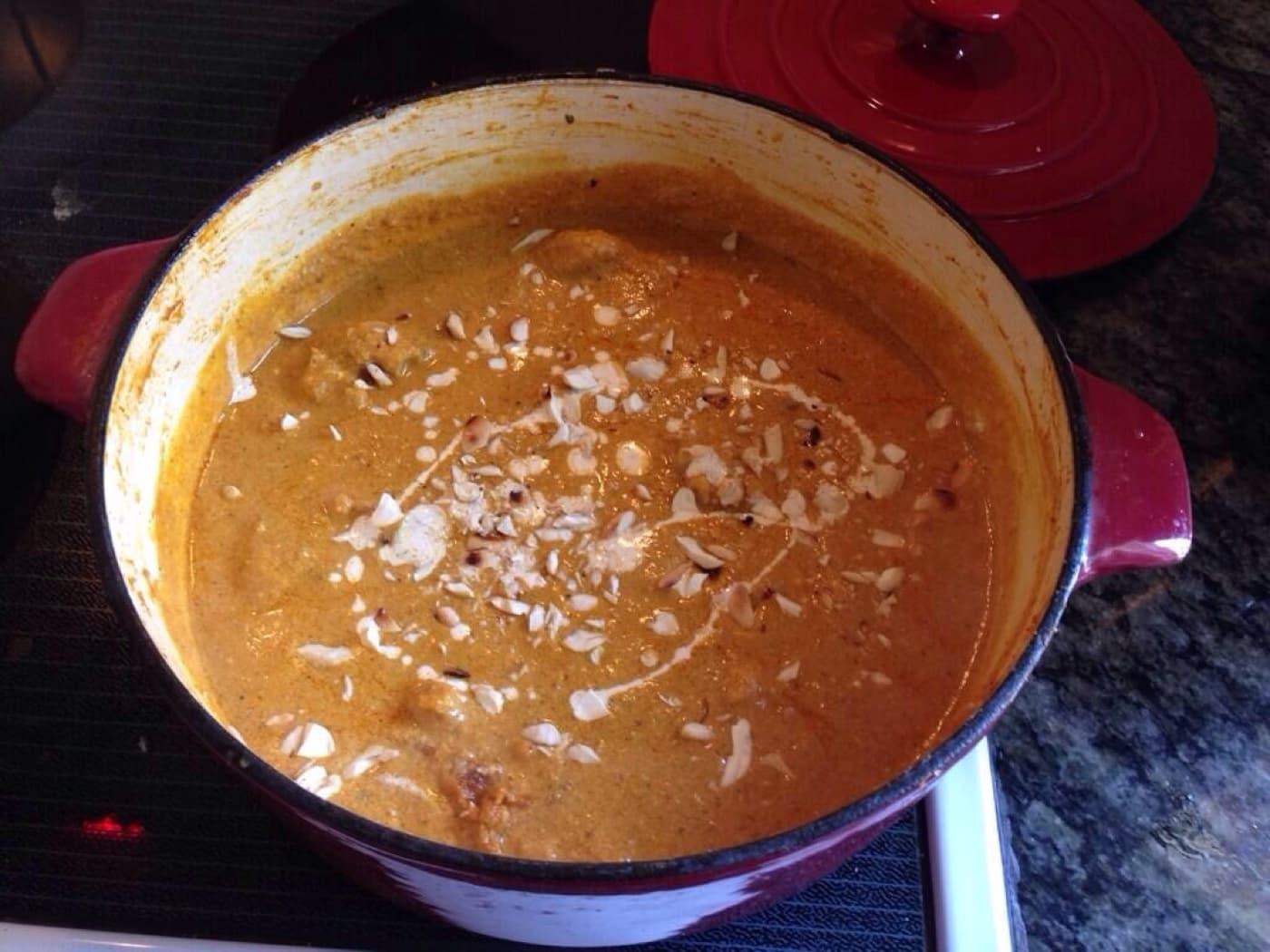
For a great many Americans, the first encounter with India did not happen in a temple or a textbook. It happened at a lunch buffet, over a steam tray of butter chicken, beside a stack of garlic naan, under a framed print of the Taj Mahal and a soundtrack of sitar. The American Indian restaurant is one of the diaspora's most successful and least examined institutions - a place that, plate by plate, taught a continent to love a cuisine it could barely locate on a map.
The genre is remarkably standardised, and that is the point. Walk into an "Indian restaurant" in Houston, Cleveland or Sacramento and you will meet the same menu: chicken tikka masala, butter chicken, saag paneer, chana masala, biryani, samosas, a tandoori mixed grill, a rack of breads, mango lassi, a lunch buffet that runs until three. This is not the food of any one Indian region. It is a diaspora dialect - a north-Indian, Punjabi-leaning, restaurant-friendly template, softened and sweetened for a foreign palate, that became the fixed American idea of what Indian food is.
Who actually ran the kitchens
The standardisation had a human logic behind it. Many of America's "Indian" restaurants were opened not by chefs but by immigrant entrepreneurs - Punjabis, Gujaratis, and in some cities a large number of Bangladeshis - for whom a restaurant was a route into a new economy, the way laundries and motels were for earlier waves. A newcomer without capital could not gamble on an obscure regional cuisine that Americans had never heard of. He could, however, sell a version of the food that already had a reputation: rich, mild, saucy, familiar from the British curry house and reliable at a buffet.
So the menu narrowed to what sold, and what sold became the menu. The buffet itself was a stroke of immigrant pragmatism: it let a small kitchen feed an office-lunch crowd fast and cheap, turned unfamiliar dishes into a low-risk sampler for the nervous first-timer, and kept the food moving so nothing was wasted. A generation of Americans learned the words "naan" and "tikka masala" standing over a steam table with a plate in hand.
An inheritance from Britain
America's Indian menu did not appear from nowhere. It was, in large part, imported second-hand from Britain, where the curry house had already spent decades sanding Indian food down into something an English customer would order. Chicken tikka masala - a dish invented in Britain, not India, and now the American buffet's biggest star - is the clearest evidence of the lineage. What America received was not the food of Delhi or Chennai but the food of Birmingham and Bradford, already adapted once for a Western palate before it ever crossed the Atlantic. The buffet, in other words, was a copy of a copy - which makes its eventual conquest of the American appetite all the more remarkable.
The restaurant as ambassador
It is easy to be snobbish about this food, and plenty of second-generation Indians are. But the buffet did diplomatic work no embassy could. For the price of a weekday lunch, an American with no connection to India could sit down and eat it, and find it not frightening but delicious. The Indian restaurant was, for decades, the single most common point of contact between mainstream America and the subcontinent - more common than any film, book or festival. It made India edible, and in making it edible made it familiar, and in making it familiar made it liked.
That mattered for the diaspora in ways beyond dinner. Every strip-mall tandoori house was a small argument that Indians belonged, that their culture had something the wider country wanted, that the immigrant down the street was also the source of the meal you loved. Food is the softest and most effective form of belonging, and Indian restaurateurs were quietly waging that campaign one buffet at a time.
The revolution against the template
Then the template began to crack, from two directions at once. At the top, a wave of ambitious chefs set out to prove that Indian food deserved the same fine-dining respect as French or Japanese. Restaurants like Rasika in Washington and Junoon in New York won national acclaim and, in Junoon's case, a Michelin star, plating Indian flavours with the polish and price of any serious tasting menu. They insisted that Indian cooking was not a cheap buffet cuisine but a haute one, and America - slowly - agreed.
At the same time, from below, the map of Indian food in America began to fragment into its real regions. As the diaspora grew and diversified - a huge influx of South Indian tech workers above all - restaurants appeared that would have been unthinkable in the buffet era: dosa houses and Andhra "meals" spots, Kerala and Chettinad kitchens, Gujarati thali halls, Indian-Chinese diners, Hyderabadi biryani specialists. Americans who once knew only "Indian food" learned that Chennai and Amritsar taste nothing alike. The monolith was becoming a mosaic.
What the second generation is doing
The newest chapter is being written by children of the buffet - second-generation cooks who grew up between their parents' restaurant and the American mainstream, and who are now reclaiming the food on their own terms. They open places that are unapologetically regional, or that fuse their two worlds without embarrassment: Indian-American, not Indian-for-Americans. They are as likely to riff on their grandmother's Gujarati kitchen as on a Punjabi standard, and they refuse the old bargain of blandness-for-acceptance. For them, Indian food does not need to shrink itself to be loved; it has already been loved, at ten thousand buffets, and can now be whatever it actually is.
The steam-table buffet is not dead - it still feeds office lunches across the country, and there is no shame in it. But it is no longer the whole story, or even the main one. It was the beachhead: the humble, saucy, standardised, brilliantly effective device by which the Indian diaspora talked its way into the American appetite. Everything richer that has come since - the Michelin stars, the dosa houses, the second-generation reinventions - was built on a foundation of butter chicken served under a picture of the Taj. The diaspora fed America a simplified India first, and having won the argument, is now free to serve it the complicated, glorious real thing.
Continue the series · The Diaspora Plate