

Fiji: the Leonidas, the girmit, and a century of upheaval
The word 'girmit' itself comes from Fiji's cane fields. The Indians the British shipped there built the colony's economy — and have spent a century since being pushed to its margins.
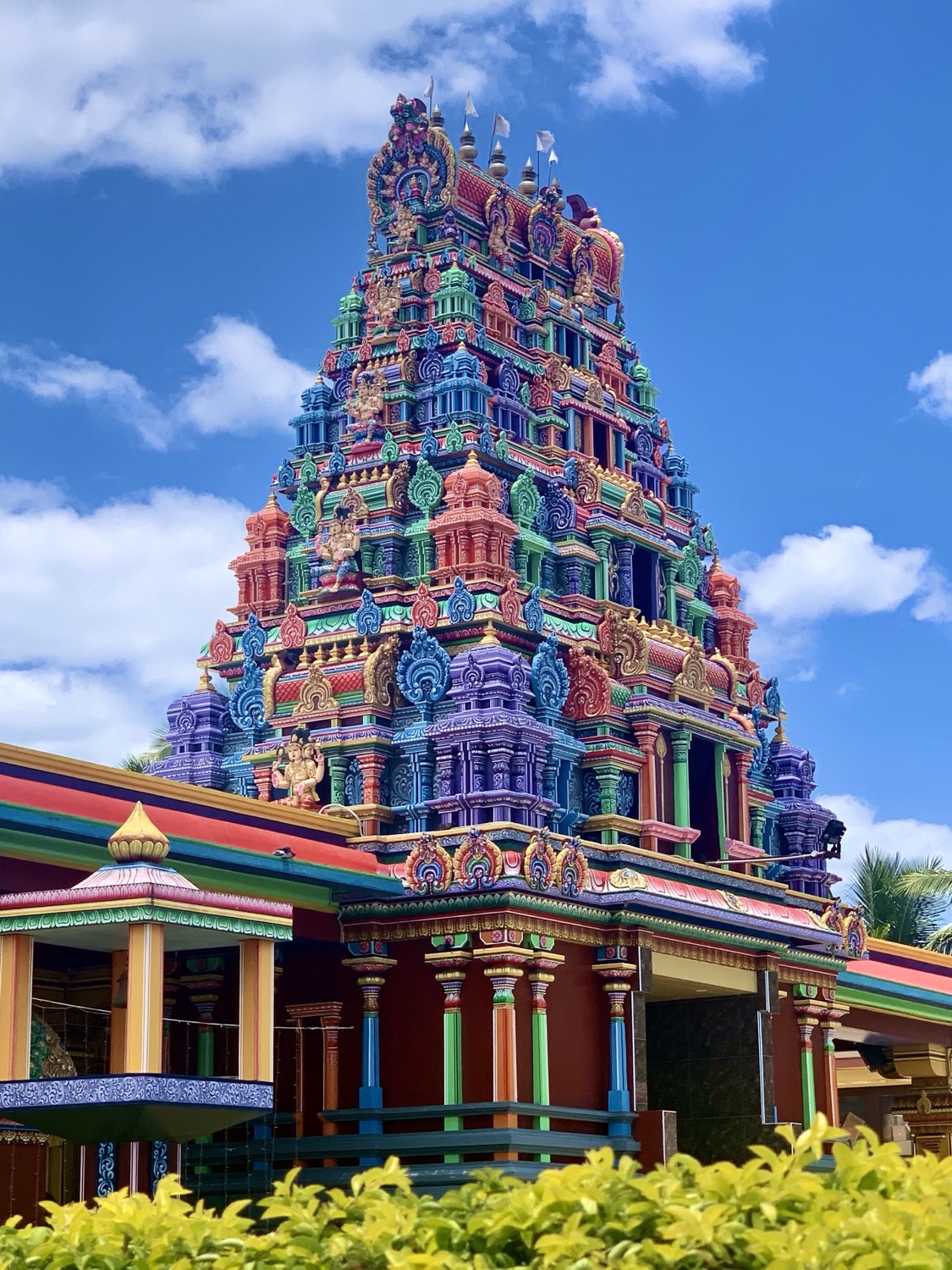
The Indian diaspora's name for itself was born in Fiji. Girmit is a Fiji-Hindi corruption of the English word "agreement" — the indenture contract — and the people who signed it became the girmitiyas. The word has since spread back across the whole indentured world, from Mauritius to Trinidad. It started here.
The Leonidas
The first of them arrived on 14 May 1879, when the Leonidas reached the colony carrying 463 men, women and children. Over the next thirty-seven years, nearly 60,500 Indians were carried to Fiji on dozens of voyages, recruited from the same Gangetic heartland as the Caribbean crossings, to cut cane for the Colonial Sugar Refining Company.
The conditions
Even by the standards of indenture, Fiji was notorious. Labourers were housed in barrack ranges known as "coolie lines" — partitioned sheds of cubicles roughly ten feet by seven — and worked from before dawn for wages that fines routinely swallowed. The records describe an inadequate diet, the absence of sanitation and privacy, casual physical violence, and widespread sexual abuse in a system with too few women and too little oversight. A labourer who left the estate could be criminally prosecuted. Decades later, the Fiji Labour Party leader Mahendra Chaudhry would call girmit an "extremely degrading and dehumanising experience."
The book that helped end it
The system was broken in part by the testimony of those inside it. In 1914 a former indentured labourer named Totaram Sanadhya published Fiji Dwip Mein Mere Ikkis Varsh — later translated as My Twenty-One Years in the Fiji Islands — the first book written by a girmitiya, an unsparing account of plantation life. Read alongside the campaigning reports of the Anglican missionary C. F. Andrews, sent from India by Gandhi to investigate, it gave the Indian anti-indenture movement its sharpest weapon.
The end of indenture
Indenture to Fiji was halted in 1916, and on 1 January 1920 all remaining contracts were cancelled, freeing the last girmitiyas. Freedom did not mean ease: in 1921 more than five thousand Indo-Fijian cane workers struck for weeks over wages and cane prices amid post-war inflation — among the first great collective stands by the freed labourers, and a sign of the political community they were becoming.
From cane to country
Those who stayed leased land and grew their own cane, and within two generations the girmitiyas' descendants were the backbone of the Fijian economy — the farmers, traders, teachers and civil servants on whom the colony, and then the nation, depended. Leaders such as A. D. Patel, who built the cane-growers' union and led the National Federation Party under the slogan "One Country, One People, One Destiny," argued that everyone born in Fiji should simply be called a Fijian. They kept Fiji Hindi, a tongue all their own; they built temples and mosques; they made themselves indispensable.
The coups
Indispensable, but never quite accepted. By the 1980s Indo-Fijians were close to half the population, and indigenous-Fijian anxiety about their political weight boiled over when a coalition backed by Indo-Fijian voters won the 1987 election. On 14 May 1987, Lieutenant Colonel Sitiveni Rabuka overthrew the elected government of Timoci Bavadra; a second coup that September abolished the monarchy and declared a republic. In 1999 Mahendra Chaudhry — grandson of a man who had arrived in 1902 as an indentured labourer — became Fiji's first Indo-Fijian prime minister, only to be held hostage in his own parliament during a further coup in 2000. Decades of this "coup culture" drove skilled Indo-Fijians abroad in such numbers that they slipped from a near-majority into a minority. Rabuka himself, returned to power as prime minister decades later, would publicly apologise to the community for the trauma of 1987.
The word that outlived it
Today the girmitiyas' descendants are as likely to be found in Sydney, Auckland or Vancouver as in Suva — a second migration, out of the country the first one built. But the word they coined in the cane fields outlasted the plantations, the coups and the exodus alike. The whole indentured diaspora now calls itself by Fiji's name for the agreement that bound their ancestors: girmit.
Continue the series · Children of the Girmit
Related from Heritage
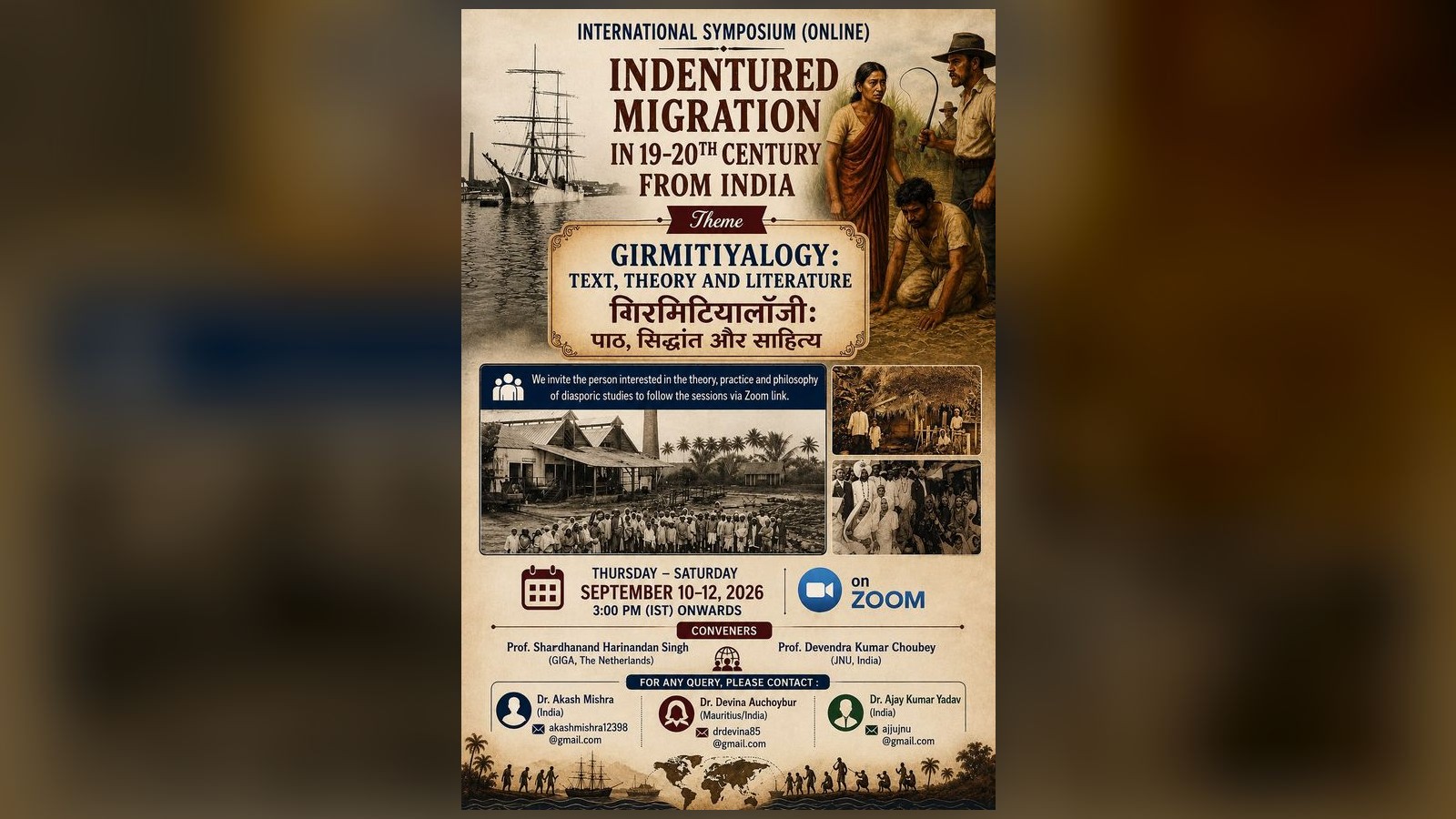
‘Girmitiyalogy’: an online symposium on India's indentured migration (10–12 September 2026)
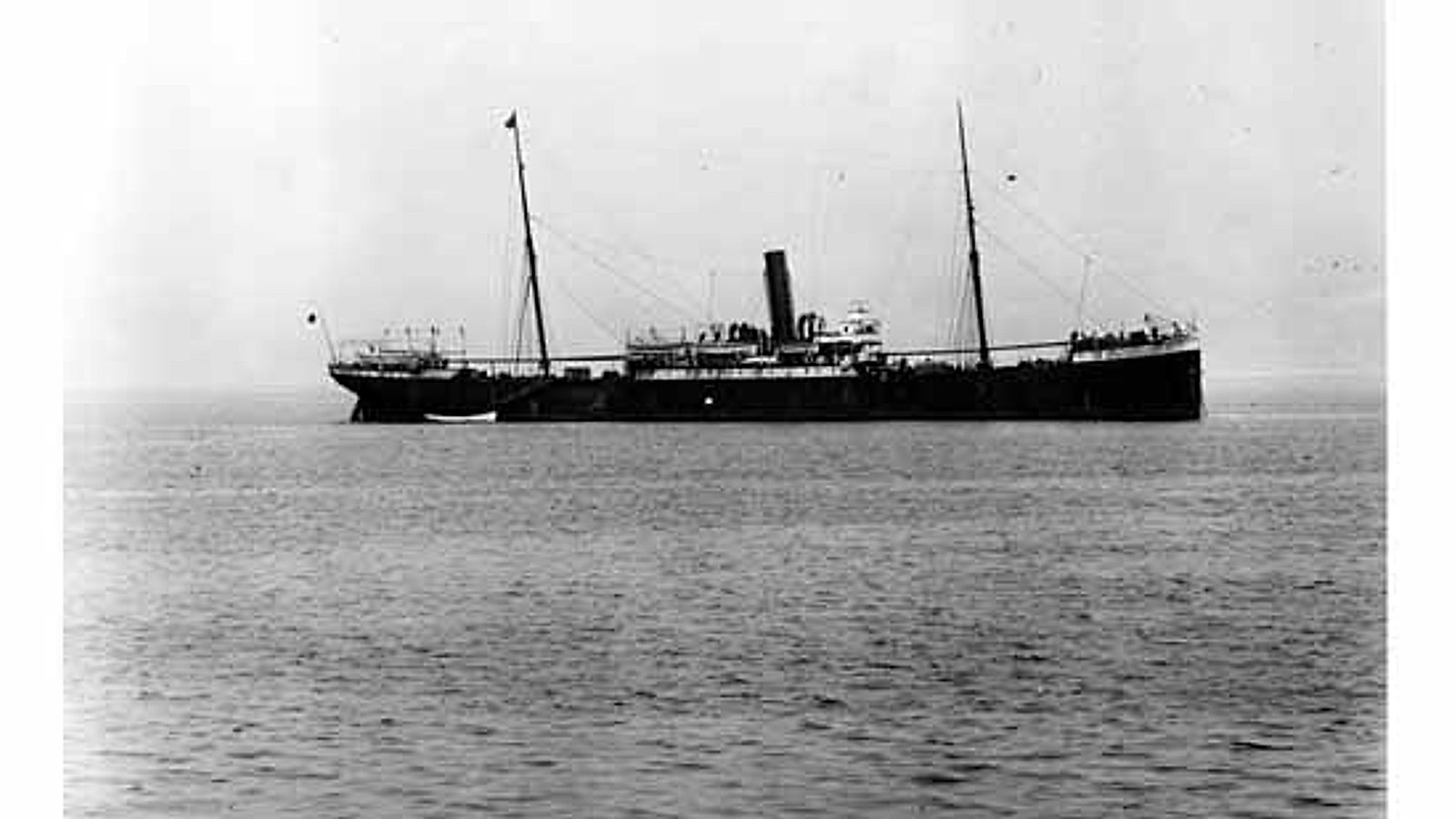
The ship that was turned away: how Indians came to Canada
From the mills to Downing Street: how South Asians made Britain home