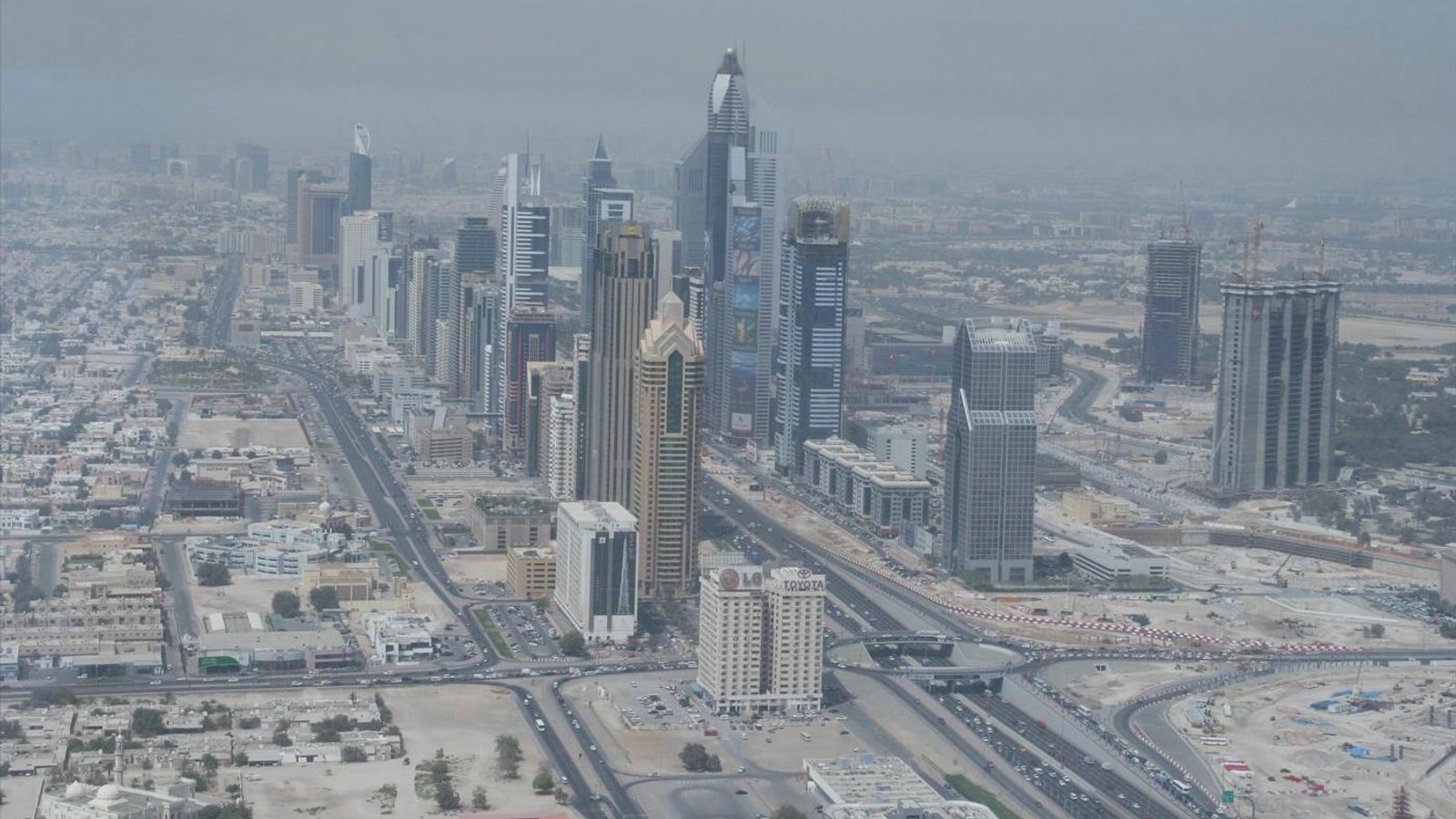


Guyana: the first crossing, and the country indenture built
In 1838 two ships landed 396 Indians in British Guiana — the very first indentured labourers of the whole system. Their descendants are now the largest community in Guyana.
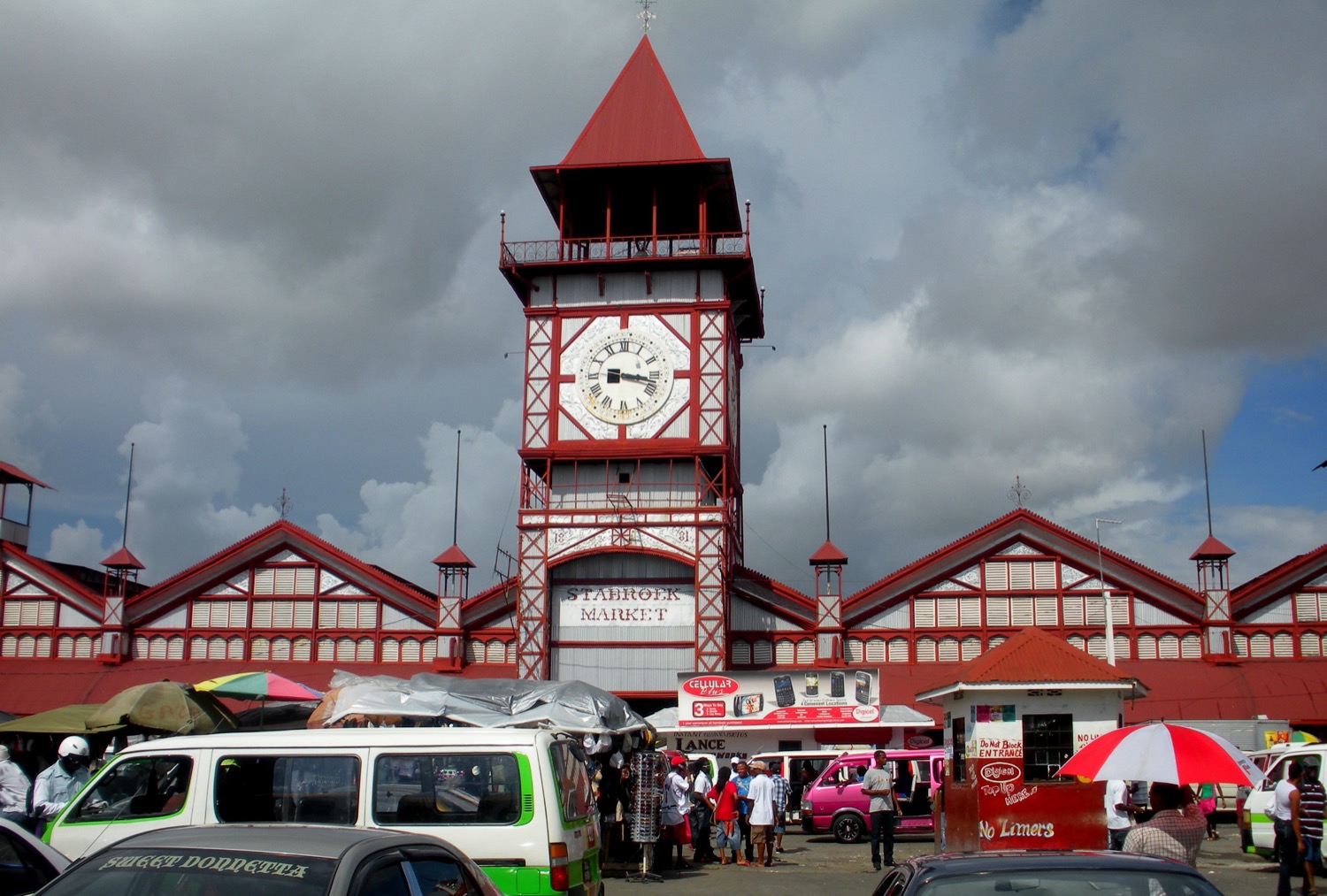
The story of Indian indenture does not begin in Trinidad or Fiji. It begins in British Guiana. On 5 May 1838, two sailing ships — the Whitby and the Hesperus — landed 396 Indians from Calcutta, only 22 of them women, on the sugar estates of the Demerara coast. It was, quite literally, the first crossing of a system that would carry more than a million Indians across the British Empire over the next eighty years.
A new bondage for an old plantation
The trigger was emancipation. With African slavery outlawed, planters who would not pay a free wage went looking for labour they could bind by contract instead — and India, vast and impoverished under colonial rule, supplied it. Over the following nine decades some 239,000 Indians arrived in British Guiana; roughly 75,000 took the return passage home. The remainder stayed and became the ancestors of today's Indo-Guyanese, drawn overwhelmingly from the Bhojpuri- and Awadhi-speaking districts of what are now Uttar Pradesh, Bihar and Jharkhand, with a Tamil and Telugu minority from the south.
The terms of the contract
Indenture was sold as opportunity and lived as something much harsher. A labourer was bound to a single plantation for five years, criminally punishable for leaving it, and paid a small fixed wage that fines and deductions routinely ate into. After ten years' service, a worker could claim either a passage back to India or a grant of land and a little money to start again — and it was that grant, more than anything, that turned a transient labour force into a permanent people. Indian nationalists at home denounced the whole system as slavery by another name; it was abolished in 1917.
Booker's Guiana
So total was the grip of one company that the colony had a nickname: "Booker's Guiana." Booker Brothers, McConnell and Co. dominated the sugar industry and much of the wider economy — owning estates, shops, ships and stores — so that to be an indentured labourer, or their child, was to live and work inside what amounted to a single corporation's colony. The fight to escape that grip would shape the country's politics for a century.
Enmore, 1948
The colony's Indians did not simply endure; they organised. The defining moment came on 16 June 1948 at Plantation Enmore, where sugar workers struck against the brutal "cut-and-load" system that forced cane-cutters to both cut and stack the cane for no extra pay. Colonial police opened fire, killing five labourers — Rambarran, Pooran, Lallabagee, Harry and Surajballi, remembered ever since as the Enmore Martyrs. A young dentist named Cheddi Jagan led the funeral procession; at the graveside, before thousands, he pledged to dedicate his life to the cause of the Guyanese people. Two years later he co-founded the People's Progressive Party. Enmore Martyrs Day is still marked every 16 June.
Race, the CIA, and a rigged independence
Jagan's rise carried the descendants of indenture to the threshold of power — and then ran into the Cold War. He became Chief Minister in 1953 and Premier from 1961, but his Marxism alarmed London and Washington. With covert American support, his government was undermined, and the run-up to the December 1964 election dissolved into ethnic violence — arson, nearly 200 killed and some 15,000 driven from their homes. Power passed to the Afro-Guyanese leader Forbes Burnham, who carried the colony to independence in 1966 and held office for decades. The episode hardened a bitter split between Indo- and Afro-Guyanese that still defines the nation's politics.
What they built
Through it all, as contracts lapsed and land grants accumulated, Indo-Guyanese became the country's rice farmers and small traders, and then its teachers, doctors and politicians. They carried their festivals — Phagwah, Diwali — their temples and mosques, and a folk culture of tassa drumming and chutney that is now unmistakably Guyanese. Villages on the old sugar coast remain overwhelmingly Indo-Guyanese, the cane belt's demographic afterlife.
The largest people in the land
Indo-Guyanese are today the largest single ethnic group in Guyana, close to two-fifths of the population. The community that began with 396 frightened people on two ships has produced presidents and party leaders — Cheddi Jagan, the most beloved Indo-Guyanese of the century, and later Bharrat Jagdeo — and shaped the politics of a nation now, improbably, awash in offshore oil. Many have migrated onward, to New York and Toronto, in a second diaspora that has made "Guyanese" a familiar word in Queens and Scarborough.
It is a remarkable arc for a community whose founding document was the girmit — the agreement — and whose first act on Guyanese soil, in 1838, was simply to survive the crossing.
Related: the Girmitiya diaspora — the descendants of indenture who built new nations across the old plantation world.
Continue the series · Children of the Girmit
Related from Heritage
‘Girmitiyalogy’: an online symposium on India's indentured migration (10–12 September 2026)
The ship that was turned away: how Indians came to Canada
From the mills to Downing Street: how South Asians made Britain home