


Trinidad: the Fatel Razack, and the people one ship made
On 30 May 1845 a single ship anchored in the Gulf of Paria with 225 Indian labourers aboard. Over the next seventy years it became a nation — today, Indo-Trinidadians are one of the two peoples of Trinidad and Tobago.
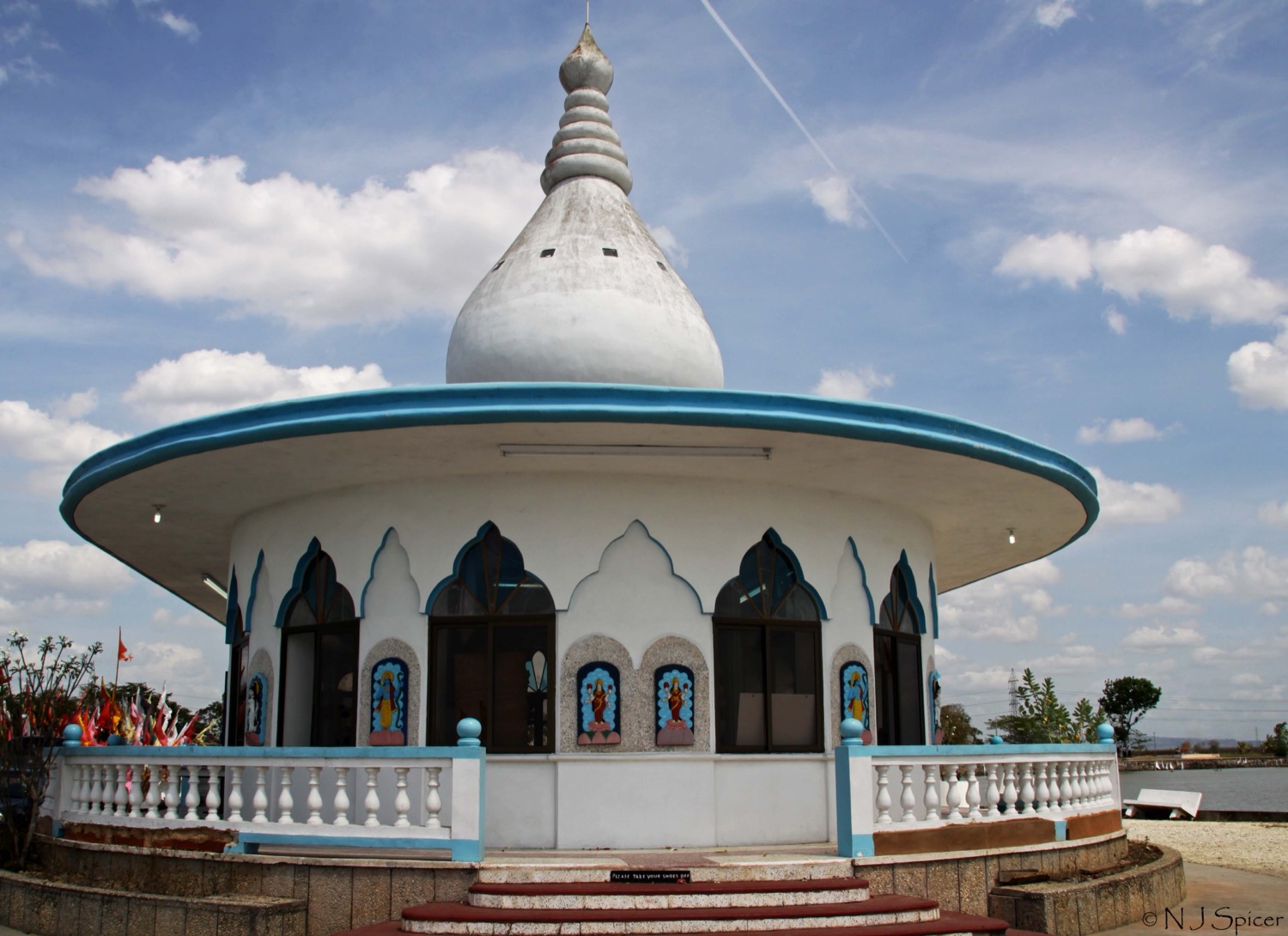
On 30 May 1845, after 103 days at sea from Calcutta, the Fatel Razack dropped anchor in the Gulf of Paria carrying 225 Indian indentured labourers — the first such ship to reach Trinidad. The date is now a national holiday, Indian Arrival Day. Within seventy years, those 225 people would become the seed of a nation.
Why they came
Britain abolished slavery across its empire in the 1830s, and the freed Africans of Trinidad — reasonably enough — wanted wages and land of their own, not a return to the estates that had enslaved them. The planters, unwilling to pay a living wage, looked to India instead. There, colonial land policy and recurring famine had left millions destitute, and recruiters fanned out across the North-Western Provinces, Oudh, Bihar and Bengal — with a smaller stream from the Madras Presidency — signing people onto a contract most of them could not read. Between 1845 and 1917, more than 140,000 Indians made the crossing. Many were promised wages and an easy passage home; what most found was neither.
The black water, and the bond it made
For Hindus, crossing the kala pani — the black water — meant the loss of caste, a spiritual severing from the homeland. They crossed anyway, packed into the holds for three or four months at a stretch. What survived the voyage was a kinship invented on the water: strangers who had shared the crossing called one another jahaji and jahajin — ship-brother, ship-sister — a bond the survivors swore was stronger than blood, and one that quietly dissolved the caste lines they had carried aboard. The ship that severed them from India also re-made them into something new.
The women, and the ship-sisterhood
The crossing was overwhelmingly male; colonial recruiters sent far fewer women, and those who came were often women travelling alone — widows, the deserted, those cast out of caste and village. On the estates that scarcity gave Indian women an unusual and perilous prominence: they earned wages beside the men, were fought and competed over, and forged among themselves a solidarity the descendants now call jahaji-bahin — ship-sisterhood, the women's counterpart to the brotherhood of the voyage. It is a lineage of Indo-Caribbean womanhood that feminists in the region trace to this day.
Life on the estate
What waited was not the prosperity the recruiters had described. The contract bound a labourer to a single estate for five years on a fixed, meagre daily wage; a return passage, or a small grant of land, came only after ten years of "industrious" service. The estates disregarded Indian kinship, dietary rules and caste entirely, packing every sort of person together into barrack ranges. Colonial law went further still: it forbade Hindu cremation, and treated Hindu and Muslim marriages as illegitimate well into the twentieth century — so that, for decades, the children of indenture were, in the eyes of the state, illegitimate by birth.
Hosay, and the limits of tolerance
The community's festivals became flashpoints. The Muslim commemoration of Hosay — the local name for the mourning of Ashura — had swelled into a vast street procession that drew in Hindus and even non-Indians. In 1884 the colonial authorities banned the processions from entering the towns; when marchers defied the order at San Fernando, police opened fire, killing and wounding scores in what is remembered as the Hosay Massacre. It was an early, bloody lesson in exactly how much public Indian culture the colony would tolerate — and how much it would not.
From the estate to the nation
And yet they stayed, and built. As their indentures expired, Indians took up land — first as rice and cane farmers, then as shopkeepers, teachers and professionals — and founded the villages that still anchor central and south Trinidad. They kept their festivals: Phagwa (Holi), Divali, Hosay. They built temples and mosques, planted cocoa and rice, and slowly turned a bonded labour force into a landowning peasantry and then a middle class.
Chutney: the music they made
Out of all this came a genuinely new sound. Chutney — fast, percussive, sung in a creolised Hindi over the dholak and the dhantal — grew from the women's wedding songs of the estates into a popular dancefloor music. Its breakout star was Sundar Popo, crowned the "King of Chutney," whose 1970s hits name-checked local villages like Sangre Grande, Indian snacks and scenes of plantation life, mixing Bhojpuri melody with Caribbean rhythm. Today chutney and chutney-soca rival calypso during the Carnival season — the indenture experience turned into a beat.
The people the ship made
Indo-Trinidadians are now around a third of the population, roughly level with Afro-Trinidadians — the two peoples the plantation produced, side by side. The community gave the island Basdeo Panday, its first Indo-Trinidadian prime minister and first Hindu to hold the office, and gave the world V. S. Naipaul, the Nobel laureate whose early novels turned the Indian villages of a sugar colony into literature the whole planet read. A diaspora-within-the-diaspora has since spread north — to Toronto, Brooklyn and London — carrying doubles and Divali with it, Indians twice over.
The Fatel Razack carried 225 frightened people across the black water in 1845. It is no exaggeration to say it carried a nation.
Related: the Girmitiya diaspora — the descendants of indenture who built new nations across the old plantation world.
Continue the series · Children of the Girmit
Related from Heritage
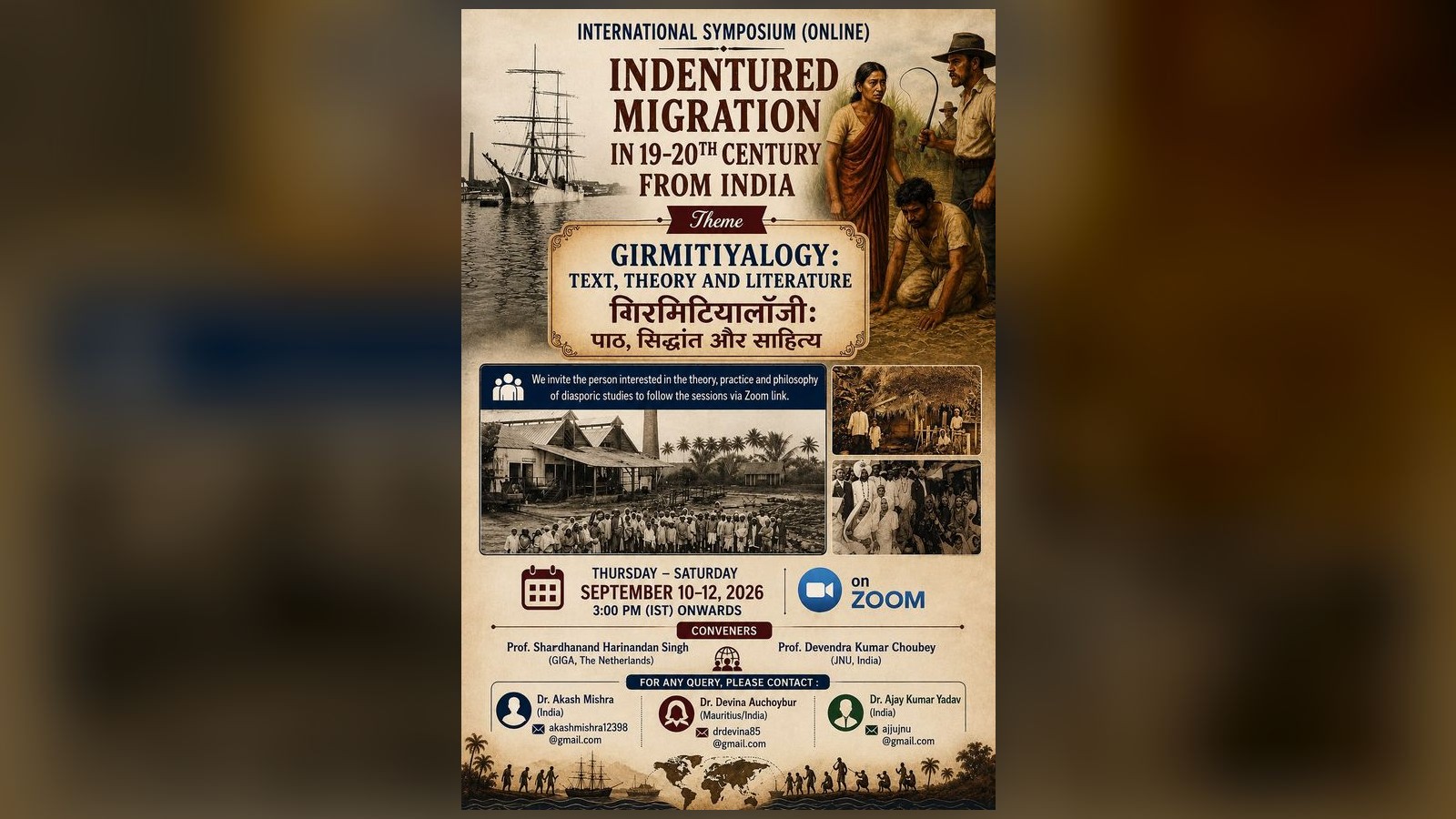
‘Girmitiyalogy’: an online symposium on India's indentured migration (10–12 September 2026)
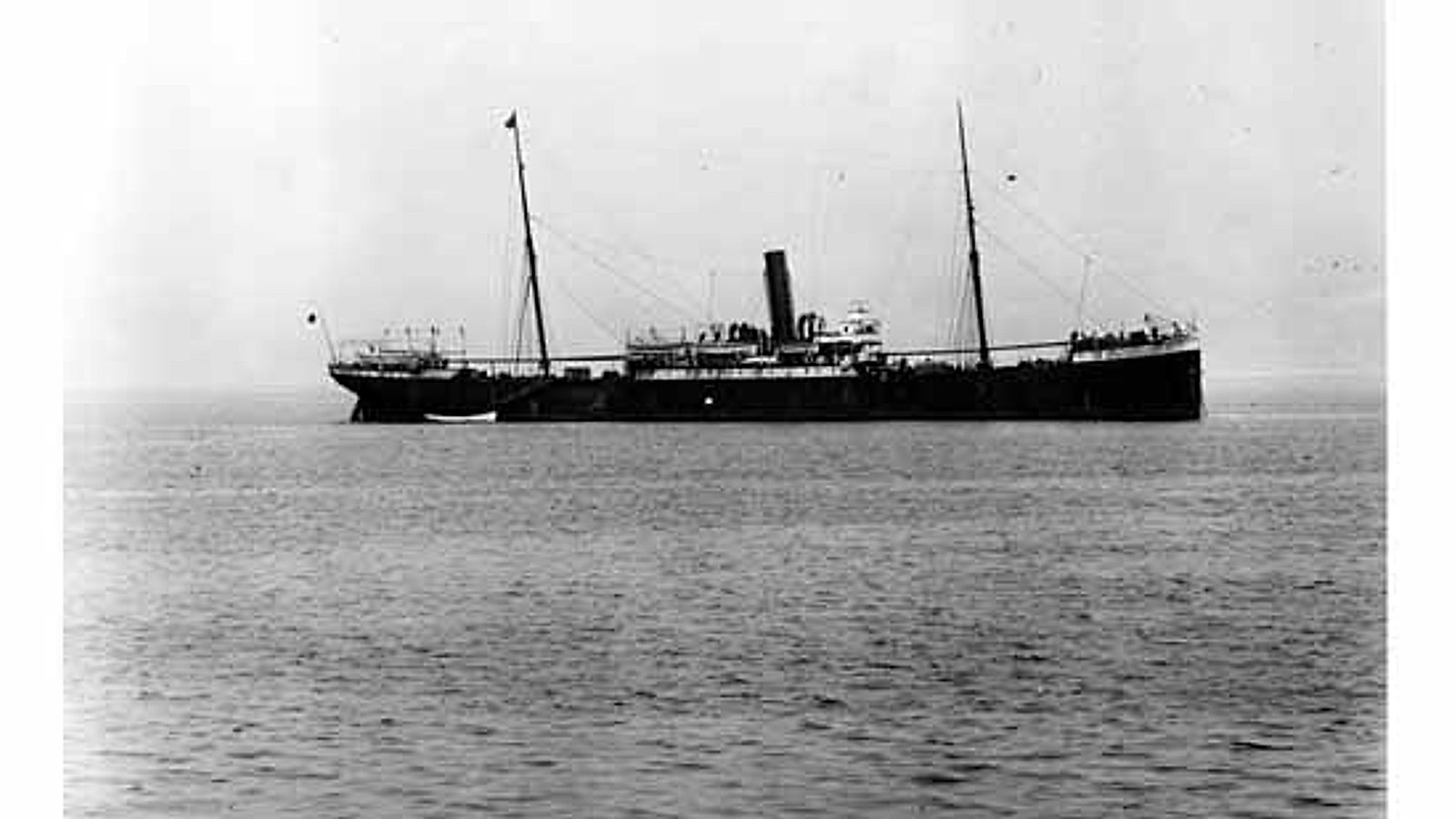
The ship that was turned away: how Indians came to Canada

From the mills to Downing Street: how South Asians made Britain home