

Mauritius: the island where indenture built a nation
Part 1 of Children of the Girmit. Nearly 700,000 indentured Indians passed through a single stone depot in Port Louis — and their descendants became the majority, and the rulers, of an Indian Ocean nation.

Mauritius is where it began. When the British abolished slavery, the small Indian Ocean sugar island became the laboratory for the system that would replace it — and on 2 November 1834, the ship Atlas landed the first batch of Indian indentured labourers at Port Louis, the opening move of what colonial officials coolly called "the great experiment."
The great experiment
It worked, from the planters' point of view, on a scale nowhere else matched. Over the following decades close to half a million Indians were carried to Mauritius — the largest single Indian indentured migration anywhere — most of them Bhojpuri-speakers from the Gangetic plain who never returned. They came through a stone immigration depot at Port Louis, processed, numbered and sent on to the estates.
The depot at the water's edge
That depot still stands, and it is now a place of global memory. The Aapravasi Ghat — once known plainly as the "Coolie Ghat" — was the gateway through which, between 1849 and 1923, half a million indentured labourers passed on their way to plantations across the British Empire. UNESCO has inscribed it as a World Heritage Site, recognising it as the very place where the modern indenture system was first tried on the world. For millions of people across the indentured diaspora, the steps of the Aapravasi Ghat are the closest thing they have to an Ellis Island.
Across the black water
For the labourers, the crossing of the kala pani — the black water — meant the same loss of caste and severing from home that every Indian emigrant of the era faced. What they found at the other end was the now-familiar machinery of indenture: the five-year contract, the fixed wage eaten by fines, the barrack lines, the criminal penalty for leaving the estate. They endured it, and they multiplied, until the island that the French and British had built on enslaved African labour became, demographically, an Indian one.
From coolie to country
The most extraordinary turn came after indenture ended. As the Indian population grew numerically dominant and the voting franchise was widened, political power shifted from the Franco-Mauritian planters and their Creole allies to the Indo-Mauritian majority. Their leader was Sir Seewoosagur Ramgoolam, a London-trained physician and the grandson of the indenture generation, who led the Labour Party and carried the island to independence on 12 March 1968. He became its first prime minister and is revered as the nation's founding father — a coolie's descendant turned father of a country.
An island remade
Today Indo-Mauritians are around two-thirds of the population — the only country outside South Asia where people of Indian descent form a clear majority. It is a remarkable inversion: a community that arrived in chains-by-contract now constitutes the nation and largely governs it, in what has become one of Africa's most stable and prosperous states.
The language they kept, and are losing
The clearest cultural legacy of the cane lines is Bhojpuri, which became the Indian lingua franca of the island. But it is fading fast: from 16.2% of the population in 1990 to around 5% by the 2020s, as Mauritian Creole, English and French took over daily life. Mauritius has fought the decline harder than most — recognising Bhojpuri as an official language in 2012, and seeing its Bhojpuri wedding-song tradition, geet-gawai, inscribed by UNESCO — but the everyday language of the girmitiyas is slipping into ceremony and song.
The first chapter
Mauritius is, in every sense, the first chapter of the indenture story — the first depot, the first ships, the "great experiment" that the British would then export to Guiana, Trinidad, Natal, Fiji and Suriname. Aapravasi Ghat is where a global diaspora was, quite literally, processed into being. Every other part of this series is, in a way, a sequel to what began on that quay at Port Louis in 1834.
Related: the Girmitiya diaspora — the descendants of indenture who built new nations across the old plantation world.
Continue the series · Children of the Girmit
Related from Heritage
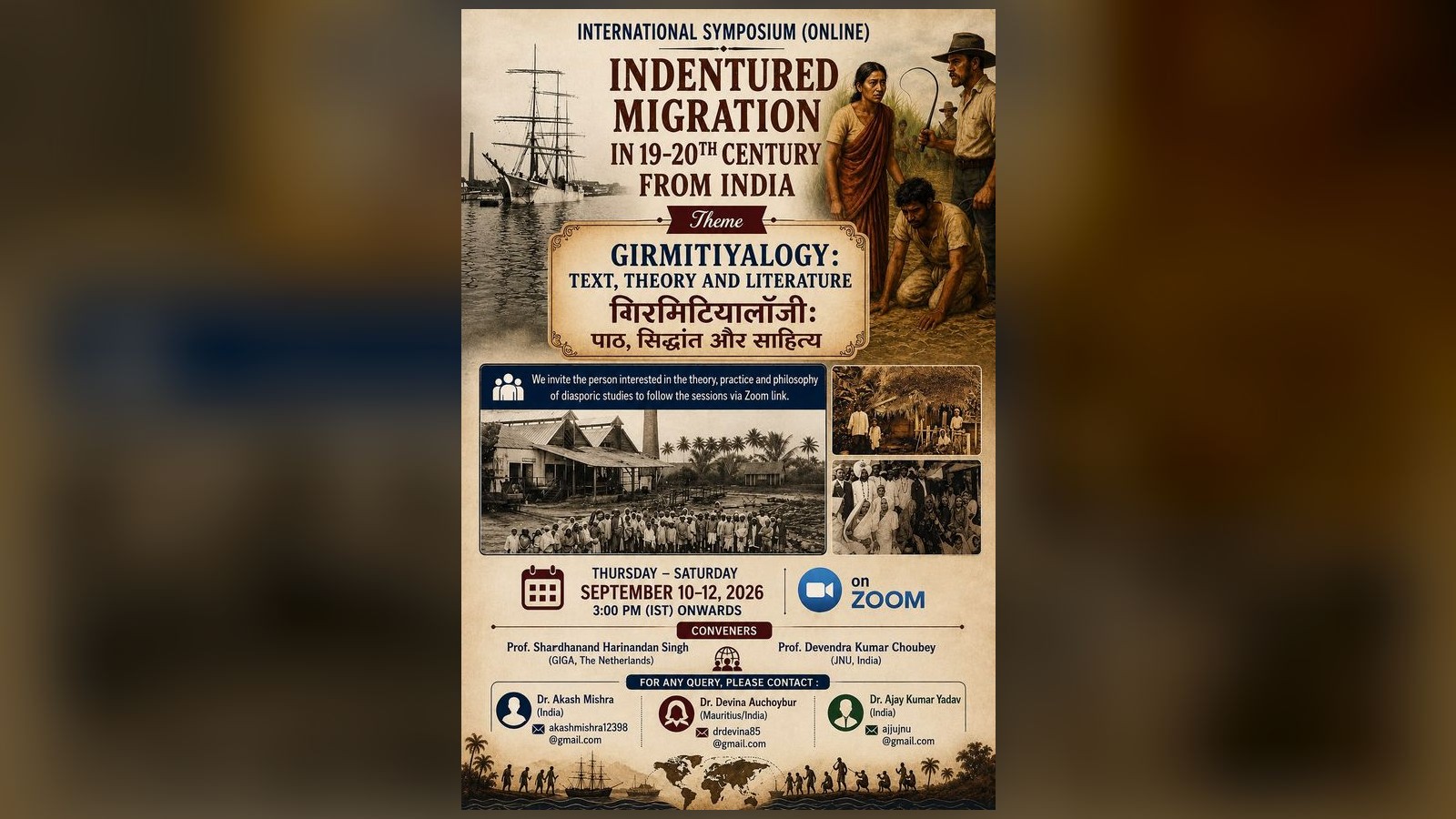
‘Girmitiyalogy’: an online symposium on India's indentured migration (10–12 September 2026)
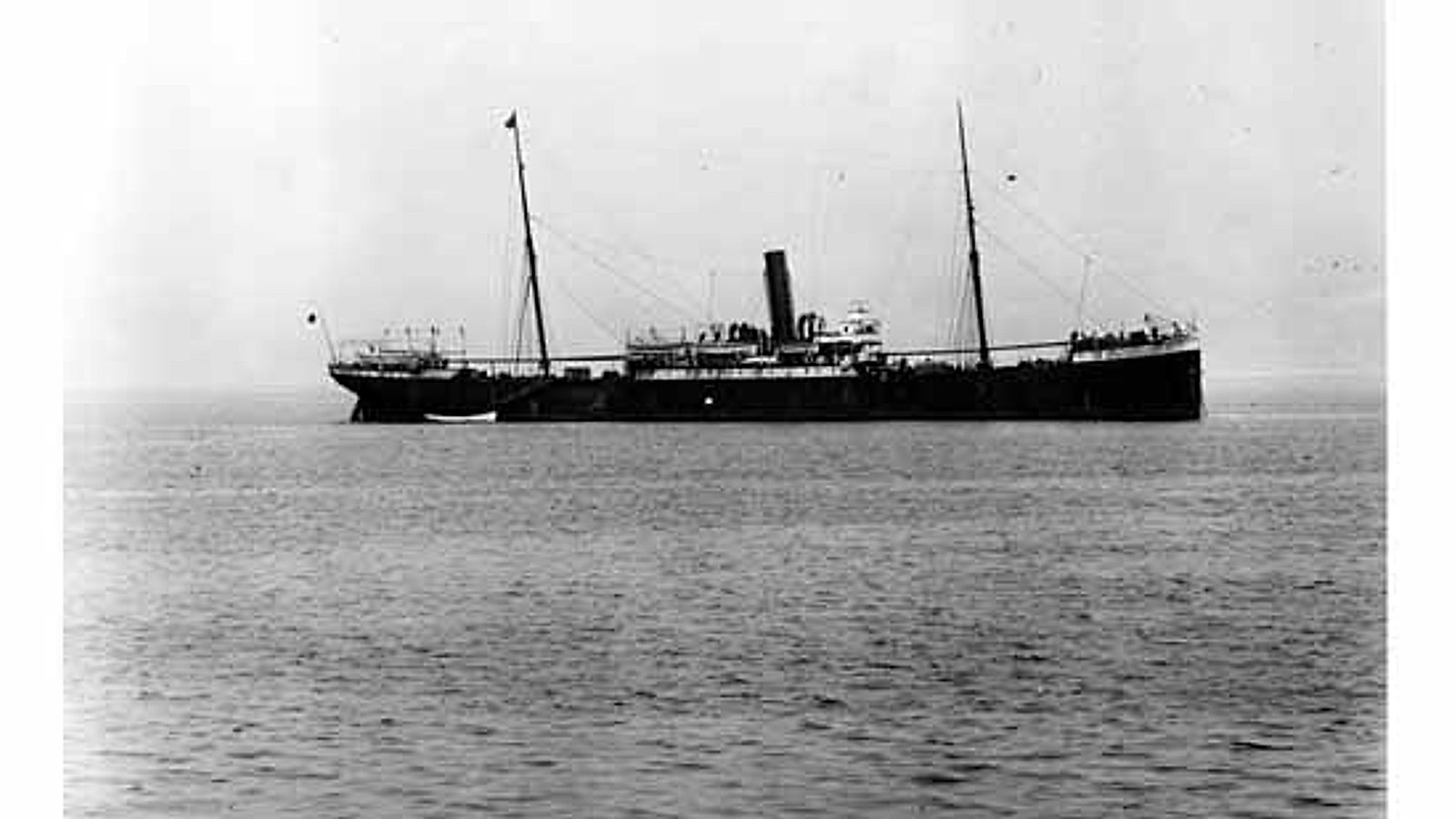
The ship that was turned away: how Indians came to Canada
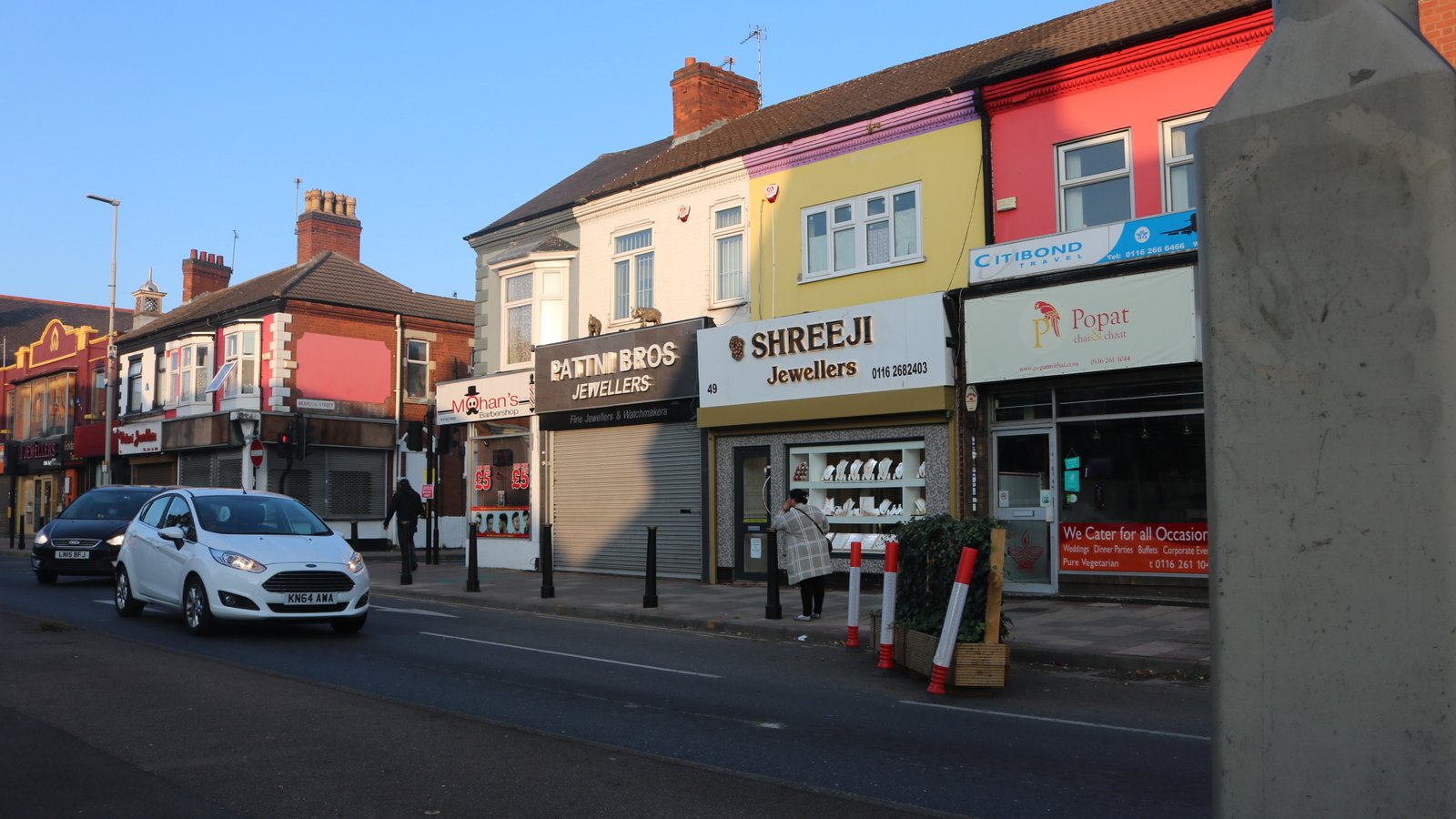
From the mills to Downing Street: how South Asians made Britain home