

The Lunatic Line: the Indians who built East Africa's railway
Between 1896 and 1903, nearly 32,000 Indians — mostly Punjabi Sikhs — built the 600-mile 'Lunatic Line' from Mombasa to Lake Victoria. Some 2,493 died; 6,724 stayed to found East Africa's Indian community. The forgotten origin story of a diaspora.
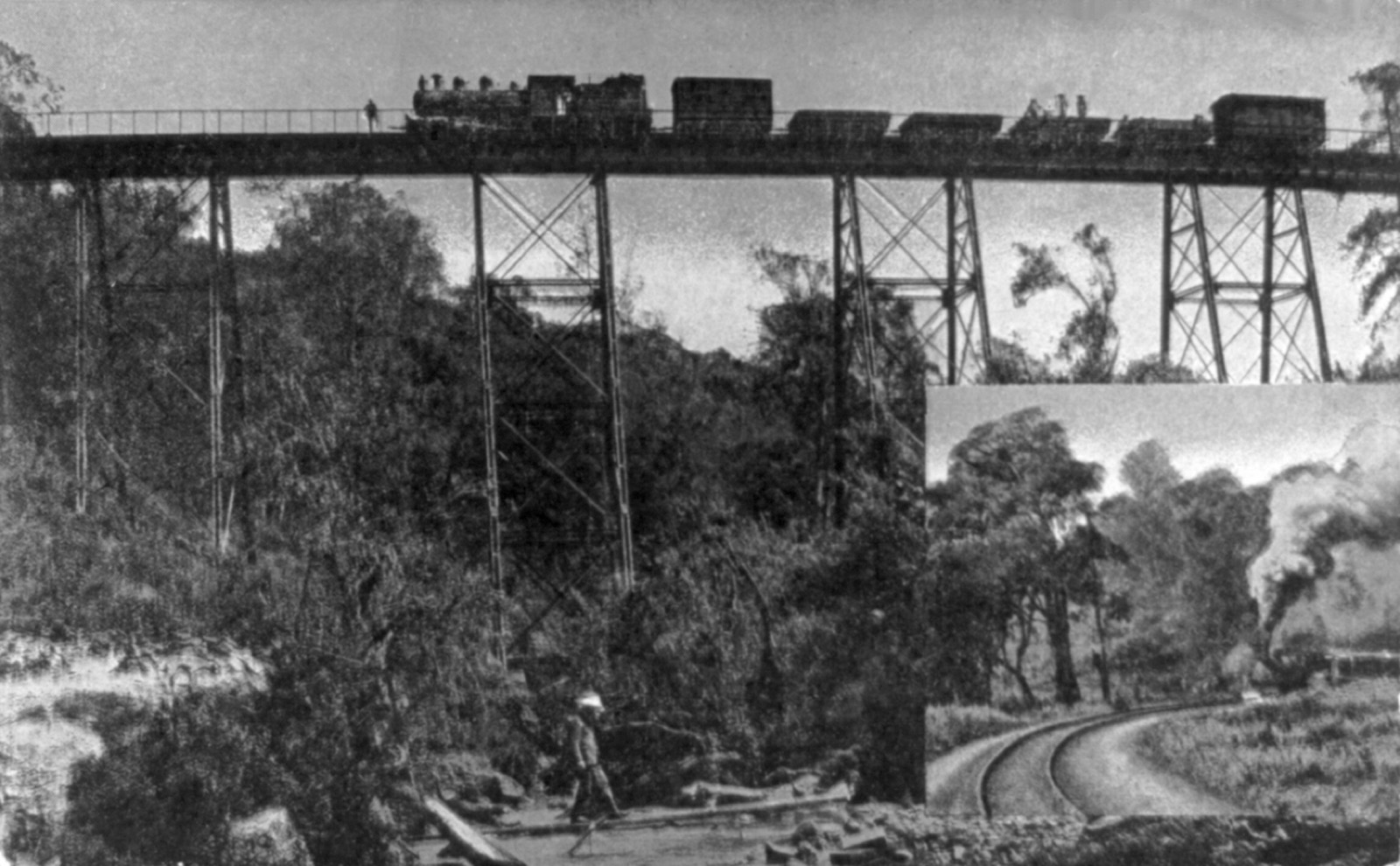
In the dry scrub of Tsavo, in the spring of 1898, two maneless lions began pulling men from their tents at night and eating them. The men were mostly Punjabis — indentured labourers laying a railway line across British East Africa — and for months, work on the line all but stopped as the lions took, by some accounts, dozens of them. The story of the Tsavo man-eaters would be told and retold, in books and Hollywood films, for a century. The men they ate would not.
That is the shape of the whole story. Between 1896 and 1903, tens of thousands of Indians built one of the most audacious railways of the British Empire — 600 miles of track from the Indian Ocean at Mombasa to Lake Victoria, over escarpments and through fever country — and then, largely, vanished from its memory. It was called the Lunatic Line. The men who laid it were the founders of an entire diaspora.
A railway to nowhere, its critics said
The line's nickname was an insult. A British politician, Henry Labouchere, thought the whole scheme mad — a fortune of public money spent driving a railway into the African interior for reasons of imperial strategy that he considered vague at best. "The Lunatic Line," he called it, and the name stuck even as the rails went down.
London's real motive was the Nile. Control of the river's headwaters in Uganda was thought vital to the Empire, and a railway was the way to project power inland from the coast. The line began at Mombasa on 30 May 1896 and pushed west; by the end of 1901 it had reached Port Florence — today's Kisumu — on the shore of Lake Victoria, and an extension carried it on toward Kampala by 1903.
Why the workers were Indian
The British did not build it with local labour. They imported it — from India, under indenture, the system of bonded contract work that had spread across the Empire after the abolition of slavery and did much of the same work under a different name. Recruiters went to Punjab in particular, and it was largely Sikhs from Punjab, along with other North Indians, who were shipped across the ocean to lay the track.
The numbers are precise, because the railway kept accounts. Of the 31,983 Indian workers brought to East Africa for the line, 2,493 died on it. Another 6,454 were invalided home — broken by the work, sent back to India sick or maimed. They died of malaria and dysentery in the swamps, in landslides and explosions and falls on the escarpments, and, at Tsavo, in the jaws of the lions. It was among the deadliest construction projects of its age, and its dead were almost entirely Indian.
The men who stayed
When the line was finished, most of the survivors went home. But 6,724 did not. They stayed in East Africa — some as railway workers who had risen to skilled and supervisory jobs, more as something else entirely: shopkeepers.
The Indian who came to build a railway and stayed to open a duka — a shop — became one of the defining figures of colonial East Africa. Across Kenya, Uganda and Tanganyika, the dukawalla followed the rails inland, setting up stores where the trains stopped, extending credit, stocking everything a settler or a village might need. From those shops grew a merchant class, then a professional one — traders, clerks, accountants, lawyers, doctors — that would run much of the commercial life of British East Africa for the next half-century. A community of tens of thousands, and then hundreds of thousands, grew from the men who had survived the line.
The railway remade the map as it climbed. Nairobi itself began in 1899 as little more than a depot — a malarial patch of swamp, chosen as a convenient supply and staging camp at the foot of the escarpment — before growing, on the back of the line and the people it carried inland, into the capital of Kenya. A great African city, and much of the urban geography around it, took its shape from where the trains had to stop, and from the Indian shopkeepers who set up beside them.
The bitter coda
That community's story did not end gently. The same East African Asians whose ancestors laid the Lunatic Line became, by the mid-twentieth century, a prosperous minority in newly independent nations that increasingly resented them. In 1972, Uganda's Idi Amin expelled the country's Asians outright, giving tens of thousands ninety days to leave — many of them descendants of railway families — and most fled to Britain. We told that story in our account of the Ugandan Asians and their arrival in Leicester; the Lunatic Line is its beginning. The "twice migrants" who rebuilt their lives in Leicester and London were, in a sense, making their families' second great crossing. The first was to Mombasa.
Why we remember it
The Tsavo lions have a museum, a pair of films, and a permanent display in Chicago. The 2,493 men who died building the railway have, for the most part, nothing — no memorial the size of their sacrifice, no place in the imperial story that celebrated the line as an engineering triumph.
For the Indian diaspora, the Lunatic Line belongs beside the sugar plantations of the girmit colonies as one of the founding labours of the modern diaspora — the same system of indenture, the same crossing of the kala pani, the same pattern of men sent to do an empire's hardest work and then building a world of their own where they landed. East Africa's Indian community, one of the most consequential in the diaspora, was born on a railway its critics called insane, laid by men history has been content to forget.
They are worth remembering. The line still runs.
Sources: the Uganda Railway's own labour records, as compiled by historians and summarised by the National Railway Museum and CNN; the story of the Tsavo man-eaters is drawn from the contemporary account of the engineer J.H. Patterson. This is a historical feature; figures are as recorded in the colonial railway accounts.
Related from Heritage
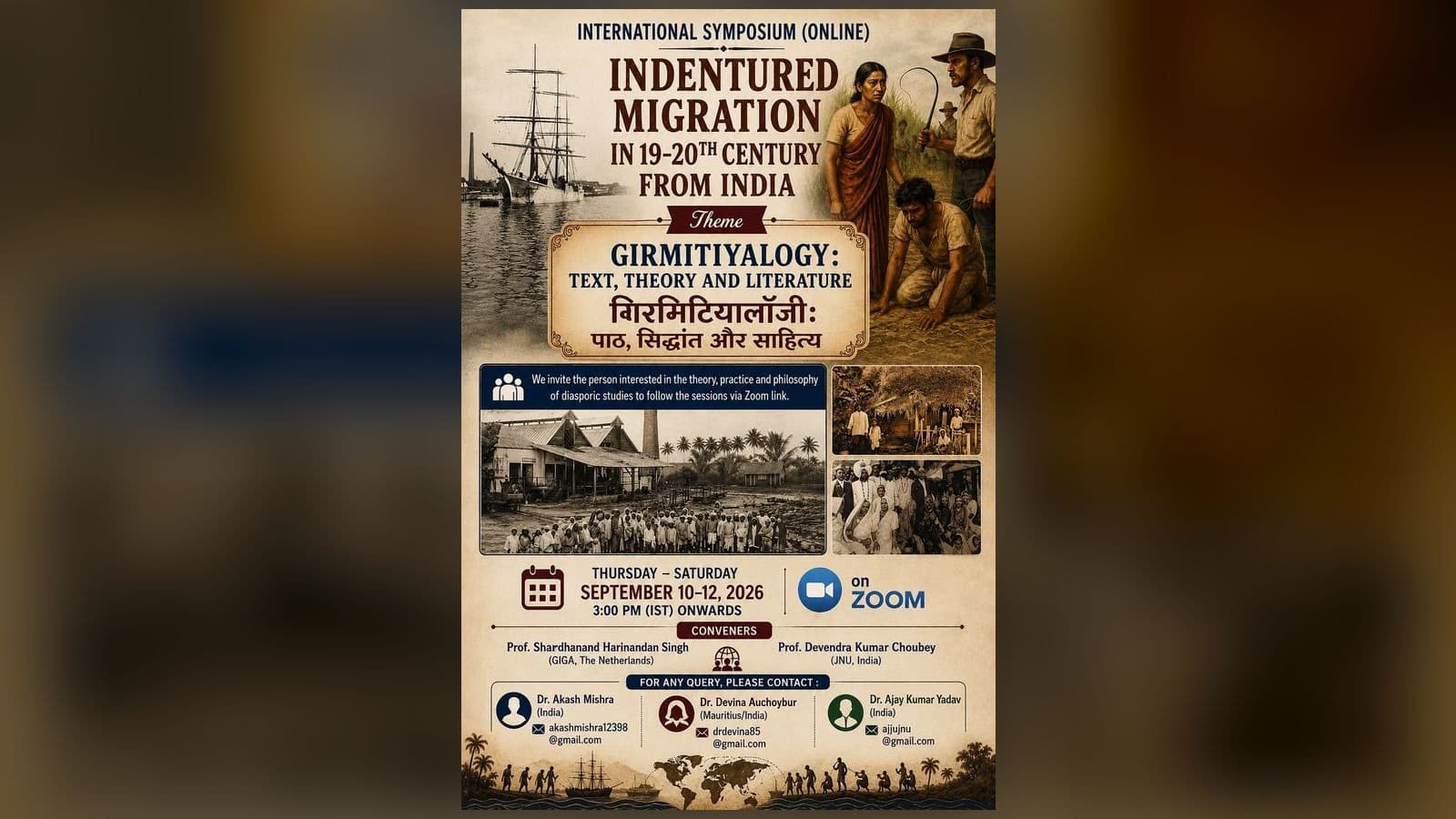
‘Girmitiyalogy’: an online symposium on India's indentured migration (10–12 September 2026)
The ship that was turned away: how Indians came to Canada
From the mills to Downing Street: how South Asians made Britain home