


From Merle Oberon to the red carpet: a century of Indian-origin women in the spotlight
From Merle Oberon — the 1930s Hollywood star who hid her Bombay birth — to Persis Khambatta on the Oscar stage, Nina Davuluri's Miss America crown, and today's Padma Lakshmi, Priyanka Chopra and Maitreyi Ramakrishnan: a century of Indian-origin women in the global spotlight, and the barriers they broke.
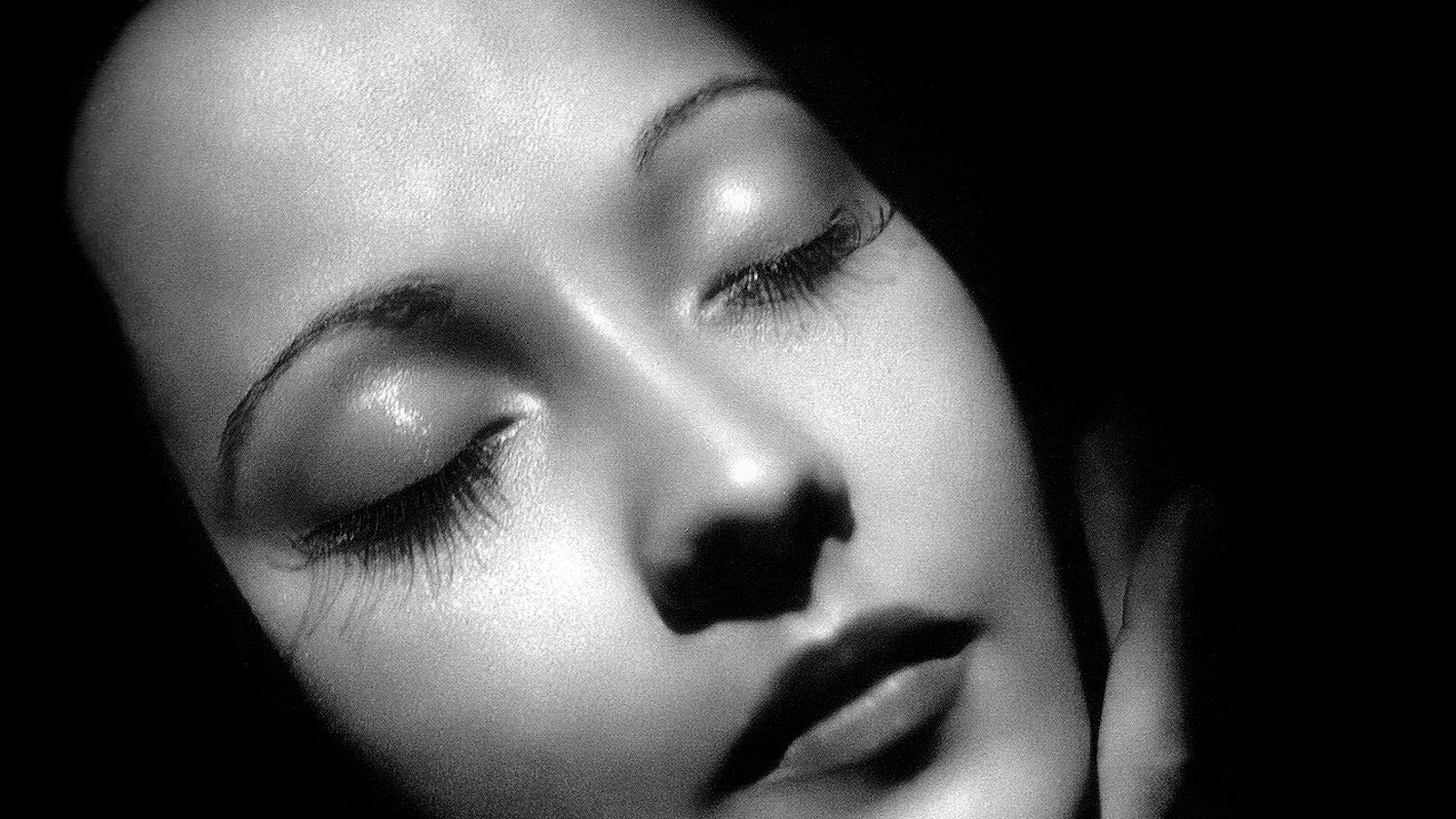
In March 1936, a young actress sat in the audience at the Academy Awards, nominated for Best Actress for a film called The Dark Angel. Her name was Merle Oberon, and she was the first person of South Asian descent ever nominated for an acting Oscar. She was also carrying a secret she would keep until the day she died: that she had been born in Bombay, and that everything the world believed about where she came from was an invention. The story of Indian-origin women in the global spotlight begins here — not with a celebration of heritage, but with its concealment.
The pioneer who hid
Merle Oberon was born in Bombay in 1911, of mixed South Asian heritage, into the Anglo-Indian world of the Raj. When she left for England at seventeen to become an actress, she understood exactly what the entertainment industry of the 1930s would do with a brown-skinned girl from India: nothing. So she remade herself. She claimed to have been born in Tasmania, and when pressed for a birth certificate said it had been lost in a fire. She lightened her skin for the camera, kept her mother — whom some accounts say she passed off as a servant — out of sight, and became, in the eyes of Hollywood, a white English rose.
It worked. Oberon became a genuine star, opposite Laurence Olivier in Wuthering Heights, and lived out a long career and a longer silence. She died in 1979 without ever telling the truth; her Indian birth only became widely known with a 1983 biography, four years after her death. She was a trailblazer whose trail was invisible even to her — the first Indian-origin woman to reach the summit of Western glamour, and a woman who could only do it by erasing the very fact that would, decades later, make her celebrated.
The one who didn't
A generation on, another Indian woman went West, and did the opposite. Persis Khambatta was crowned Miss India in 1965 at seventeen and went to the Miss Universe pageant; a decade and a half later she was in Hollywood, and in 1979 she reached a global audience by shaving her head to play the alluring alien Ilia in Star Trek: The Motion Picture. In 1980 she became the first citizen of India ever to present at the Academy Awards, sharing the stage with William Shatner.
Khambatta did not pretend to be anything other than what she was: an Indian woman, from Bombay, competing in an industry that had almost no place for one. She never became a household name at Oberon's level, and her later career was hard, but the symbolism was its own kind of first — an Indian woman on the Oscar stage as herself, four decades after Oberon had to bury her origins to get into the room. She died in 1998, and a fashion-school award in India still carries her name.
Visibility, and its price
If Oberon's story is about hiding and Khambatta's about arriving, the modern chapter is about the strange new cost of being seen. In September 2013, Nina Davuluri was crowned the first Miss America of Indian descent. Within minutes, a wave of racist abuse rolled across social media: she was called an Arab, a terrorist, "not American," told to go home. She had won the most all-American of titles, and a slice of America responded by insisting she could not possibly be American at all.
What Davuluri did next is the point. Instead of retreating, she made diversity and representation the platform of her year, turning the abuse into a national conversation. It was a very different kind of courage from Oberon's — not the courage to hide, but the courage to be visibly, unmistakably Indian in a spotlight that some people felt she had no right to stand in. Visibility had been won; it turned out to come with its own tax.
The runway
Between the pageant stage and the screen sits the runway, and here too the barrier fell in stages. Padma Lakshmi — better known now as a food-television host and author — was first a model, discovered at twenty-one while studying in Europe and one of the first Indian faces to walk for Armani, Versace, Ralph Lauren and Roberto Cavalli in the 1990s. What made her unmistakable was a detail the industry might once have airbrushed away: a seven-inch scar on her arm, from a childhood car accident, that the photographer Helmut Newton insisted on shooting rather than hiding. The thing that should have disqualified her became her signature.
The generation behind her fought a subtler barrier — colour. Neelam Gill, a British-Punjabi girl from Coventry signed to a London agency at fourteen, made her Burberry catwalk debut in 2013 and became the first Indian model to front a Burberry campaign, later the first British-Indian face of L'Oréal Paris. She has been blunt about what that took, and about fashion's uneasy relationship with brown skin — a campaign that lightened one of her shots, the online abuse aimed not at her looks but at her colour. "I don't care if people call me ugly," she has said, "but when it is about your skin colour that is unacceptable." The runway opened; it did not open gently.
The flowering
Today the picture Oberon could not have imagined has arrived, and the through-line is unmistakable: these women are celebrated not despite their Indian roots but, increasingly, because of them.
Padma Lakshmi reinvented that runway fame into bestselling books and a decade as the face of American food television, unapologetically Indian on primetime. Priyanka Chopra crossed from the biggest film industry on earth to a Hollywood and streaming career on her own terms — a journey we traced in our piece on Indians in Hollywood. Mindy Kaling rewired American comedy from behind the camera as much as in front of it, writing the brown girls she never got to watch growing up. Lilly Singh, the daughter of Punjabi immigrants in Toronto, became the first woman of Indian descent to host a network late-night show. And Maitreyi Ramakrishnan, a Tamil-Canadian teenager plucked from an open casting call, carried a hit Netflix series as an ordinary, specific, Indian-Canadian girl — the Never Have I Ever generation for whom being the diaspora kid is the story, not the thing to hide.
It is worth saying that "beautiful" was always the least interesting thing about any of them. What connects Oberon to Ramakrishnan across ninety years is not a look but a negotiation — with an industry, an audience, and a set of ideas about who gets to be glamorous, or funny, or simply seen. The women changed; more slowly, and because of them, so did the ideas.
From a fire to the red carpet
There is a neat, painful symmetry to the whole arc. It opens with a woman who told the world her past had burned up in a fire so that she could be looked at. It arrives at women who are looked at precisely because of the past she felt she had to destroy. Somewhere between Merle Oberon's invented Tasmanian childhood and a Tamil-Canadian girl headlining a global show under her own name lies a century of the diaspora learning — and forcing the world to learn — that an Indian woman never needed a disguise to belong on the stage.
More on the diaspora on screen: our history of Indian representation from Apu to authenticity, and the diaspora's women auteurs — Mira Nair, Deepa Mehta and Gurinder Chadha.
Related from Culture
Asmi Aderay, the Hyderabad-to-LA singer who refuses to pick one genre
From Apu to authenticity: how the diaspora took back its image on screen
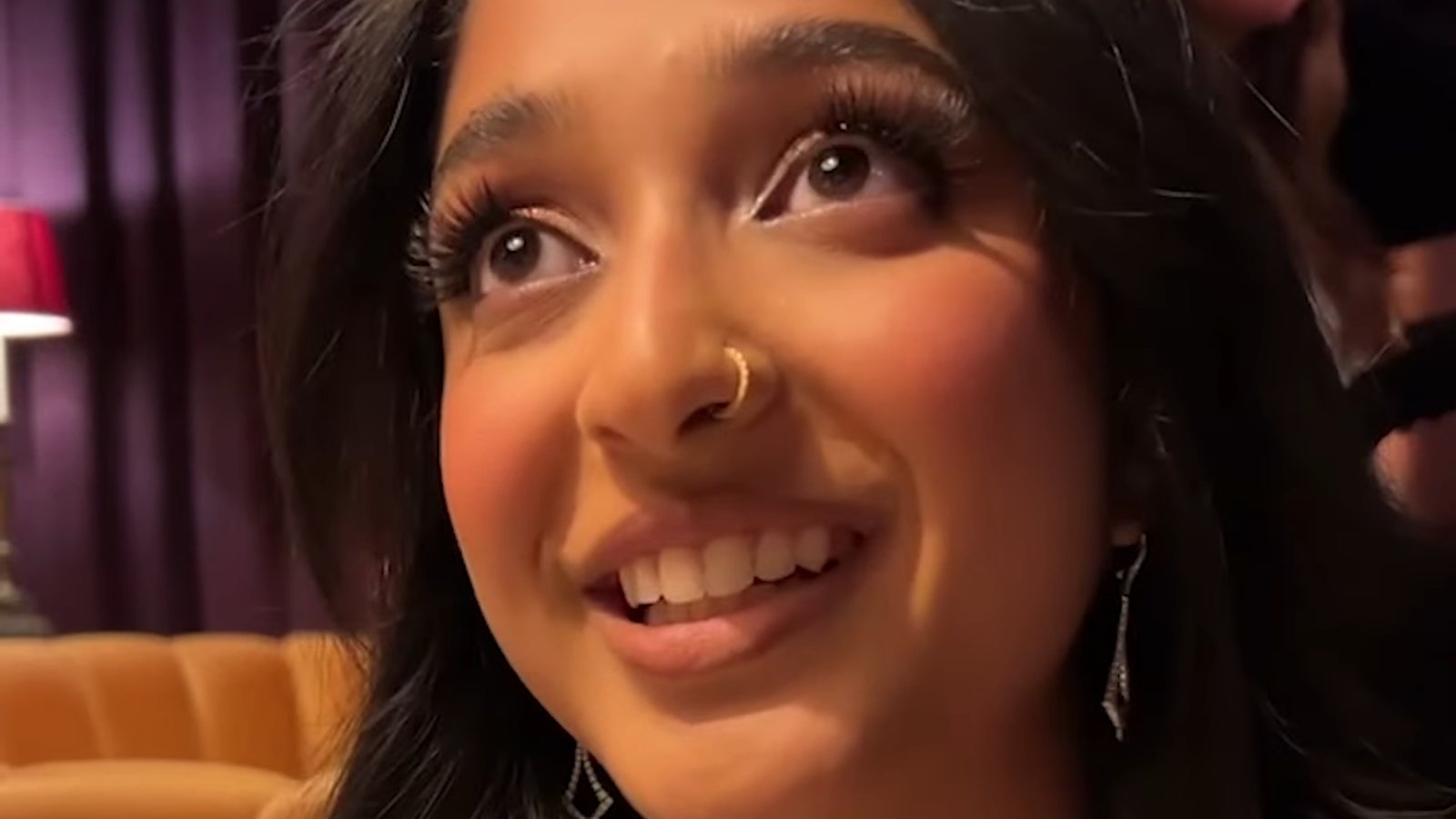
Streaming the diaspora: how Netflix let the second generation tell its own story