

India opens the road to its biggest diaspora homecoming — and it runs through Kolkata
On 11 November, S. Jaishankar and West Bengal's new chief minister launched registration for the 19th Pravasi Bharatiya Divas. In January, the diaspora is being invited back to the very city many of its ancestors once sailed from.
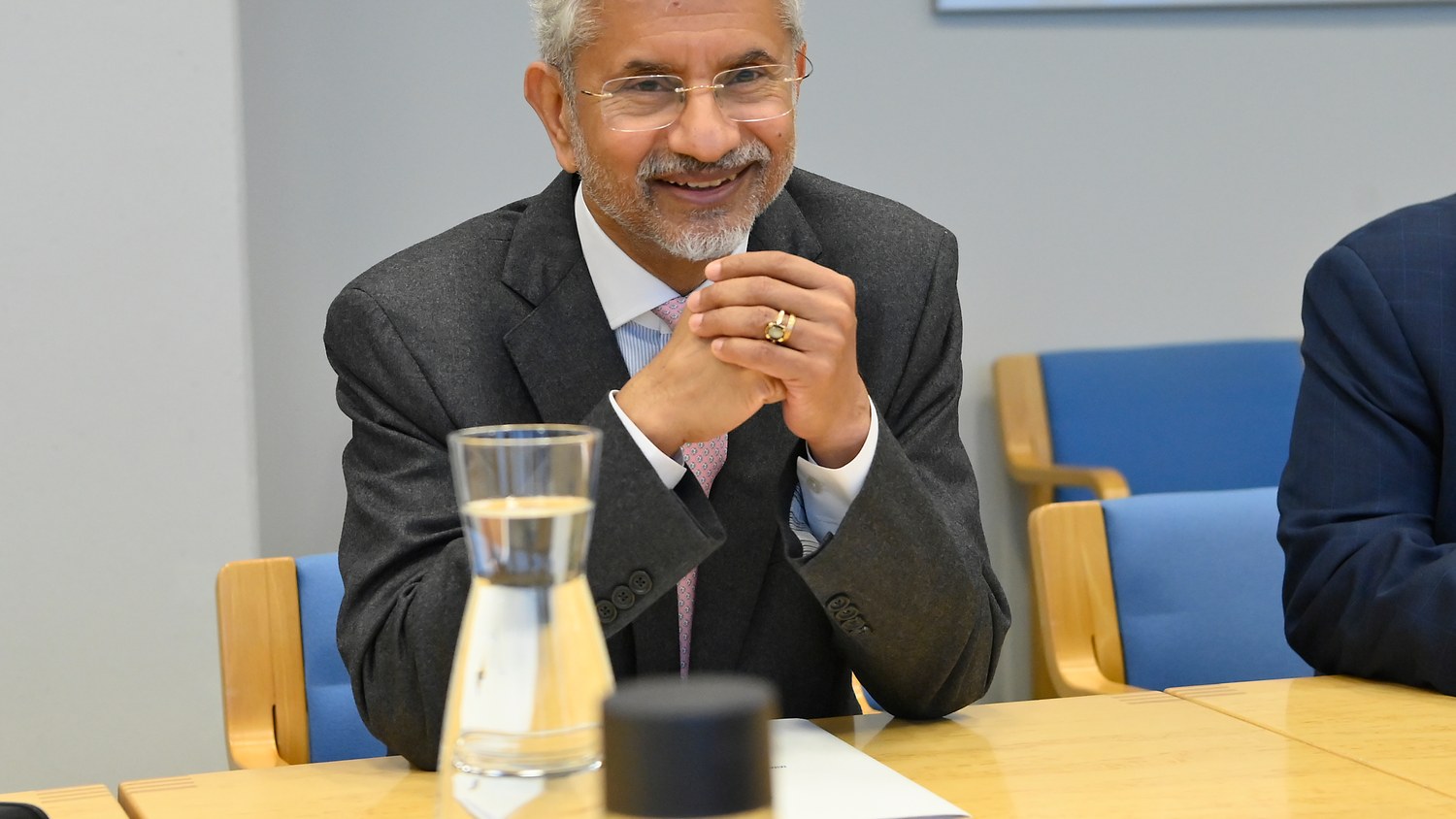
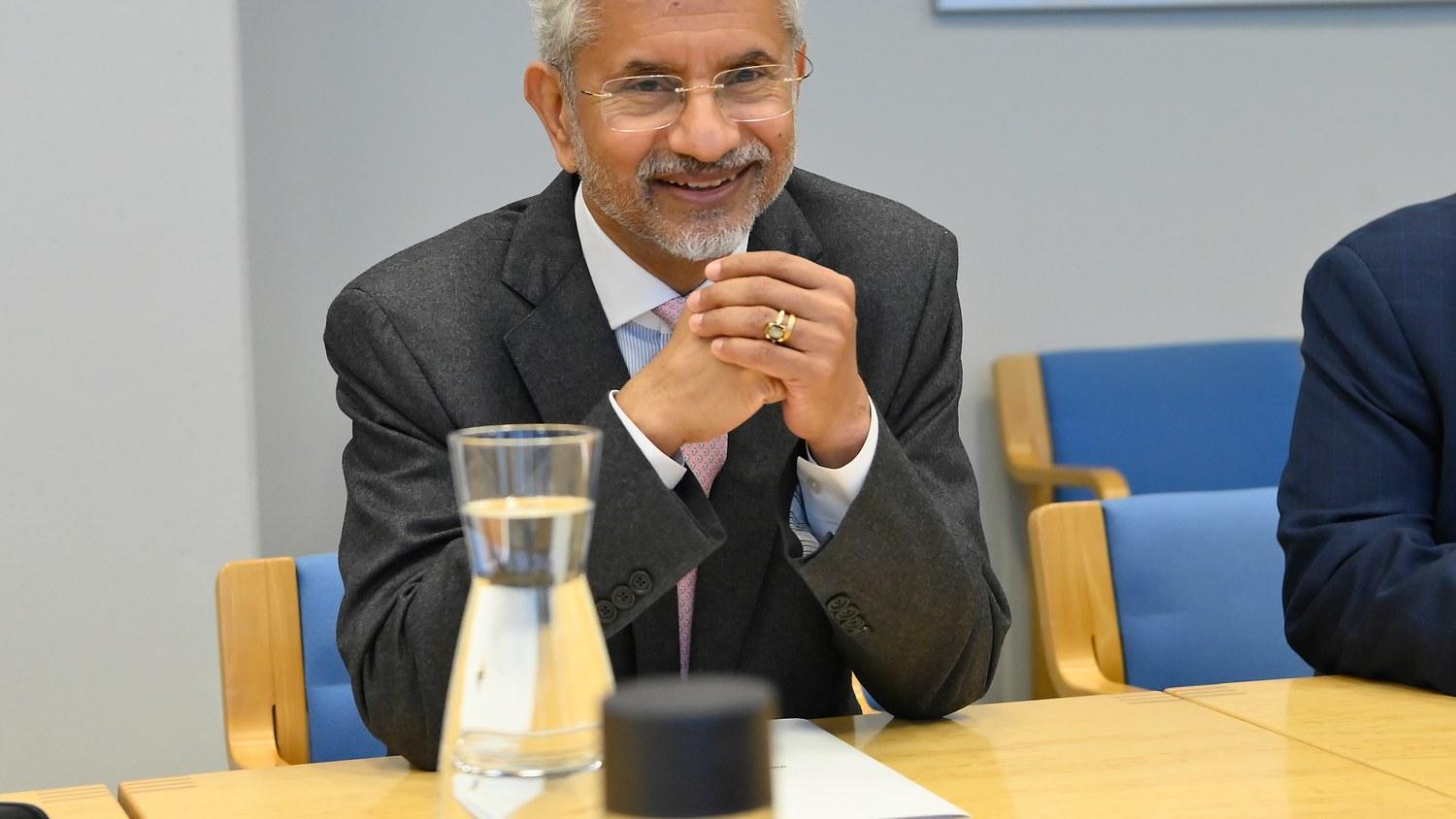
India opened the doors to its largest official gathering of overseas Indians on Tuesday, and the choice of venue carried its own message. The external affairs minister, S. Jaishankar, and the chief minister of West Bengal, Suvendu Adhikari, launched the website for the 19th Pravasi Bharatiya Divas — the government's flagship diaspora convention — which will be held in Kolkata from 7 to 9 January 2027.
Registration opened the same day, at pbdindia.gov.in. Prime Minister Narendra Modi will inaugurate the convention. President Droupadi Murmu will preside over the closing session and confer the Pravasi Bharatiya Samman Awards, the highest honour the Indian state gives a member of its diaspora. The theme the organisers have chosen is "Return to Roots: Reigniting the Diaspora Connect with Bharat."
For anyone who knows the city's history, that theme lands with unusual force.
The port they left from
Kolkata — Calcutta, as it was — was for the better part of a century the great port of departure for the Indian diaspora the hard way. From the emigration depots at Garden Reach, hundreds of thousands of indentured labourers, the girmitiyas, boarded ships for the sugar colonies of Mauritius, Fiji, Natal, Trinidad and British Guiana, bound by contracts most of them could not read. The city the government is now inviting the diaspora home to is, for a very large share of that diaspora, the city their great-grandparents were shipped out of. "Return to Roots" is not an abstraction in Kolkata. It is close to a street address.
Pravasi Bharatiya Divas is observed on 9 January, the date Mohandas Gandhi stepped off a ship at Bombay in 1915, back from two decades in South Africa — the most consequential homecoming in the diaspora's history. He returned carrying the methods of mass non-violent protest he had forged among the Indians of Natal, many of them the children of indenture, and within a few years would lead India's freedom movement. India first held the convention in 2003, to build a standing relationship with the Indians and people of Indian origin living abroad, a population the government estimates at more than 35 million, the largest diaspora in the world. The convention has moved around the country since — Delhi, Mumbai, Varanasi, Indore — and in 2027 it comes to Kolkata.
What the government is offering, and asking
At the launch in New Delhi, Jaishankar called the diaspora a "living bridge" between India and the world — the phrase that has become the government's shorthand for its overseas-Indian policy — and described it as a stakeholder in the country's future. He framed the convention around India's economic moment, saying it would celebrate what the diaspora has contributed both to its adopted countries and to India.
Adhikari, who in May became West Bengal's first chief minister from the Bharatiya Janata Party after the party ended the Trinamool Congress's long run in the state, called Bengal's selection to host an honour and said preparations were being run in "mission mode." He invited delegates to come for the convention and stay for the state — its culture and, pointedly for a tourism season, its hospitality. For a new government, a summit that puts Kolkata in front of 35 million people abroad is not a small inheritance to be handed.
The 2027 edition opens, as recent ones have, with the Youth Pravasi Bharatiya Divas — the segment aimed at the children and grandchildren of emigrants, the part of the diaspora whose connection to India is at once the most in question and the most actively courted. The government also relaunched its "Bharat Ko Janiye" — "Know India" — quiz, now running on the BharatVerse app and at bkjquiz.com until 20 December, with a tour of India on offer to the winners.
The website itself is the unglamorous centre of all this. It is the single point where delegates register, book accommodation and read the programme and the travel advisories for a city a great many of them have never actually seen.
Why it matters to the diaspora
For Indians abroad, Pravasi Bharatiya Divas is the formal front door to the home country. It is where investment is pledged and courted, where the standing policy asks are pressed — the OCI rules, visa and consular friction, property and pension questions — and where New Delhi takes the measure of a constituency it increasingly treats as strategic rather than sentimental.
The Pravasi Bharatiya Samman Award, which President Murmu will confer at the close, is the highest distinction India gives to overseas Indians and their organisations. It has been handed out at every convention since the first in 2003, for exceptional service in fields from science and medicine to community work and the arts. It is, in effect, the state reading out a list of the diaspora it is proudest to claim.
A Kolkata convention also speaks to a particular slice of that diaspora. Eastern India — Bengal, Bihar and the old Calcutta hinterland — was the catchment the indenture ships drew their passengers from, which means millions of their descendants, scattered across the Caribbean, the Indian Ocean and the Pacific, trace their origins to within a few hundred miles of the host city. For them, "Return to Roots" is not a slogan about India in the abstract. It is about a specific, locatable homeland they have spent four or five generations away from.
That claiming has grown more confident as the diaspora's weight abroad has grown. People of Indian origin now sit in the US Congress, the British cabinet and parliaments from Canberra to Lisbon, and the remittances they send home — among the highest in the world — underwrite millions of households. A government that once saw emigration as a loss now stages a three-day convention to keep the connection warm.
And when the delegates gather in January in the city on the Hooghly, some of them will be walking back through a door their families were once pushed out of. For a convention themed "Return to Roots," there could hardly be a more fitting place to hold it — or a more complicated one.
Related from Politics
From a Mandi classroom to the mayor's chair: the student who came to Bendigo and stayed to lead it
A Hanuman Chalisa in the Oval Office: the diaspora at Trump's White House Diwali
A wave of firsts, and two defeats: the Indian diaspora's 2026 US midterm