


The Western Heaven now has embassies: how the world has always seen India
On India's 80th Independence Day, the Prime Minister named 'soft power' one of seven pillars of a developed India — the oldest thing about the country's place in the world. For two thousand years China, Japan and the Greeks looked to India as a wellspring of wisdom and wealth; today its 35-million diaspora carries that image out into the world.
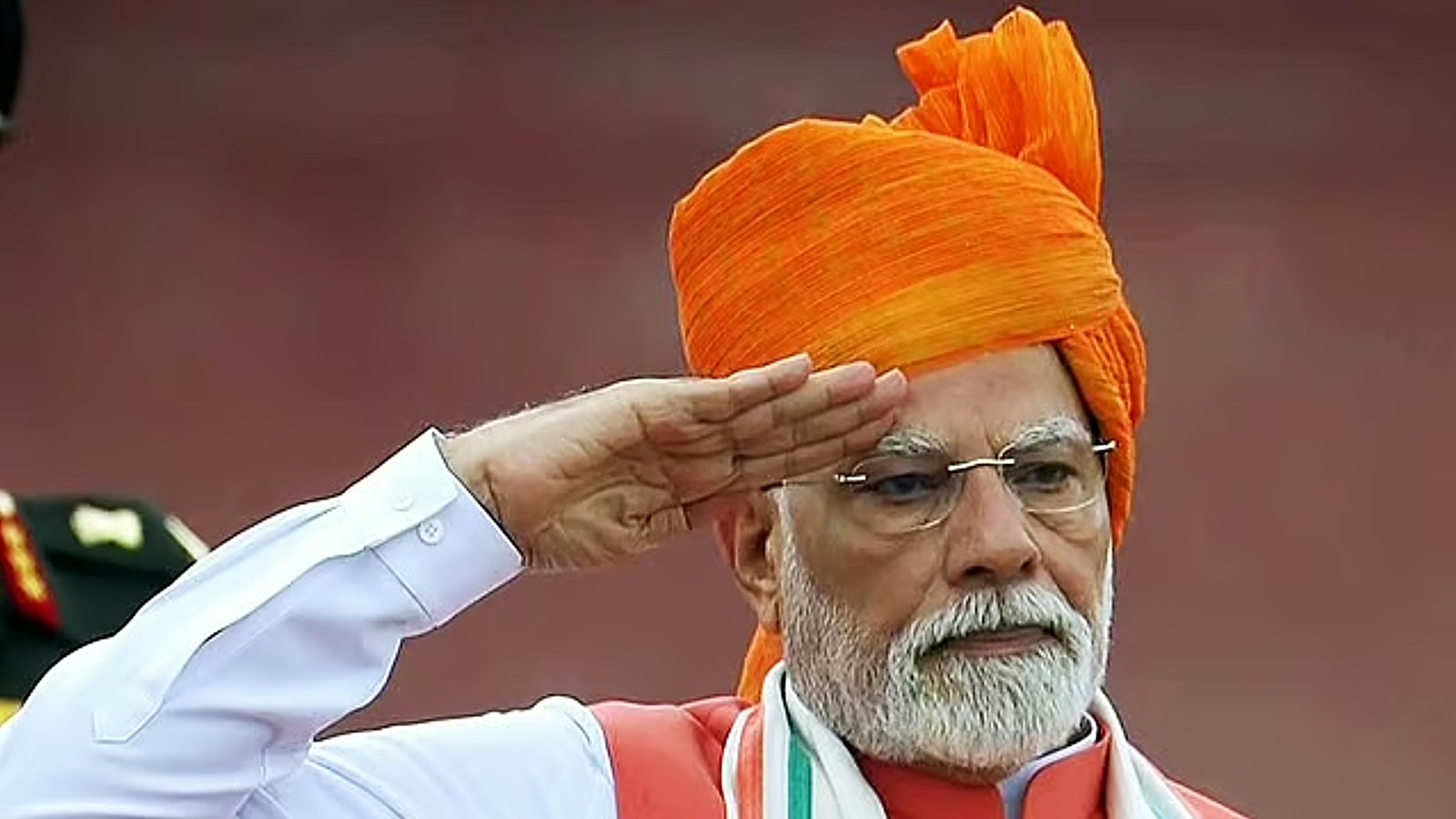
From the ramparts of the Red Fort this morning, on India's 80th Independence Day, Prime Minister Narendra Modi listed the seven streams of strength — the Shakti ki Sapt Dhara — that he said would carry the country to a developed "Viksit Bharat" by 2047: manufacturing, agriculture, technology, connectivity, defence, the green economy — and, sitting quietly among the missiles and factories, India's soft power.
It was a striking thing to name beside the hardware of a rising power. But it is also the oldest thing about India's place in the world. Long before India had a GDP or an army worth the name, it had an image — and for two thousand years, three of the world's great civilisations looked towards the subcontinent and saw not a threat, but a source.
The speech
The address, Modi's thirteenth and the eightieth since 1947, ran to roughly an hour and a quarter. Its theme was youth and the 150th year of Vande Mataram, sung at the Red Fort on Independence Day for the first time. He urged 33% representation for women in Parliament and the assemblies, promised to train a crore of young Indians in artificial-intelligence skills, and set the goal of India competing in every event at the 2036 Olympics. Some 5,000 special guests — artisans, women entrepreneurs, street vendors — were seated on the lawns.
And the world was watching in its own way. In the United States, the Governor of Massachusetts, Maura Healey, proclaimed 15 August 2026 'India Day' in her state; from Washington to Wellington, Indian embassies and high commissions raised the tricolour. Soft power, in other words, was not an abstraction in the speech. It was in the room.
What China saw
For the better part of a thousand years, China's name for India was a compliment. Chinese Buddhist writers called it Tianzhu (天竺) — "Heavenly India" — and, more tellingly, Xitian (西天), the "Western Heaven": the sacred origin of the faith that had reshaped Chinese civilisation.
India was the place you travelled to. In the fifth century the monk Faxian walked across the Himalaya in search of Buddhist texts; in the seventh, Xuanzang made the same pilgrimage and came home with hundreds of manuscripts and a travelogue, the Great Tang Records on the Western Regions, that Chinese readers pored over for centuries. To the medieval Chinese imagination, India was a library and a shrine — the direction in which wisdom lay.
What Japan saw
Japan inherited the reverence and gave it its own name: Tenjiku (天竺). To pre-modern Japanese, Tenjiku was the land of Shakyamuni — the Buddha — and therefore the fountainhead of everything sacred that had reached the islands by way of China and Korea.
It sat at the head of a whole worldview: the sangoku, the "three countries" of the Buddhist world — Tenjiku (India), China and Japan itself — with India at the origin. On old Japanese Buddhist maps of the world, it is India that fills the centre and most of the frame: a distant, half-mythical holy land that the devout yearned towards. A country most Japanese would never see, and revered precisely because of it.
What the Greeks and Romans saw
To the west, the awe took a more worldly form. When Alexander's armies reached the Indus in 326 BCE, what fascinated the Greeks was not the wealth alone but the gymnosophists — the "naked philosophers", ascetics whose indifference to food, clothing and death struck the Greeks as a rival wisdom to their own.
A generation later the Seleucid envoy Megasthenes lived at the Mauryan court and wrote the Indica, the first sustained European account of India. The book itself is lost, but the fragments that survive describe a proud, self-sufficient, richly resourced land — and reserve their highest admiration for its thinkers: "the philosophers," Megasthenes reported, were "held in highest esteem", exempt from public duty and revered for their wisdom. To Rome, later, India was the source of the pepper, ivory and gems that drained the imperial treasury of gold — a byword for both riches and remoteness.
The direction reverses
Notice what all three visions share. In each, India is a source — of dharma, of philosophy, of luxury and learning — and the world moves towards it. The pilgrim, the envoy, the trader all travel east. For most of recorded history, India's power in the world's imagination was the power of a place people came to.
The last two centuries turned that arrow around. First it was the girmitiyas, the indentured labourers shipped from the same subcontinent to Mauritius, Trinidad and Fiji; then it was students, doctors, engineers and founders. India stopped being only a destination and became, overwhelmingly, an origin — the world's largest source of migrants, some 35 million people who now carry the country's image in their passports and their surnames rather than on a Buddhist map. (That older crossing is the subject of our Girmitiya pages.)
That is the quiet radicalism of a prime minister naming soft power beside defence and manufacturing. The soft power he means is no longer only yoga and cinema and the idea of India; it is the boy from Bihar who becomes a British minister, the remittances that now flow more from the West than the Gulf, the governor of Massachusetts calling 15 August 'India Day'. The wellspring has grown legs and walked out into the world.
So the newest thing about India's global standing is also the oldest. For two thousand years the Western Heaven was a place you journeyed to for what it knew. Today it journeys to you — and on this Independence Day, for once, a country counted that among its strengths.
Related from Heritage
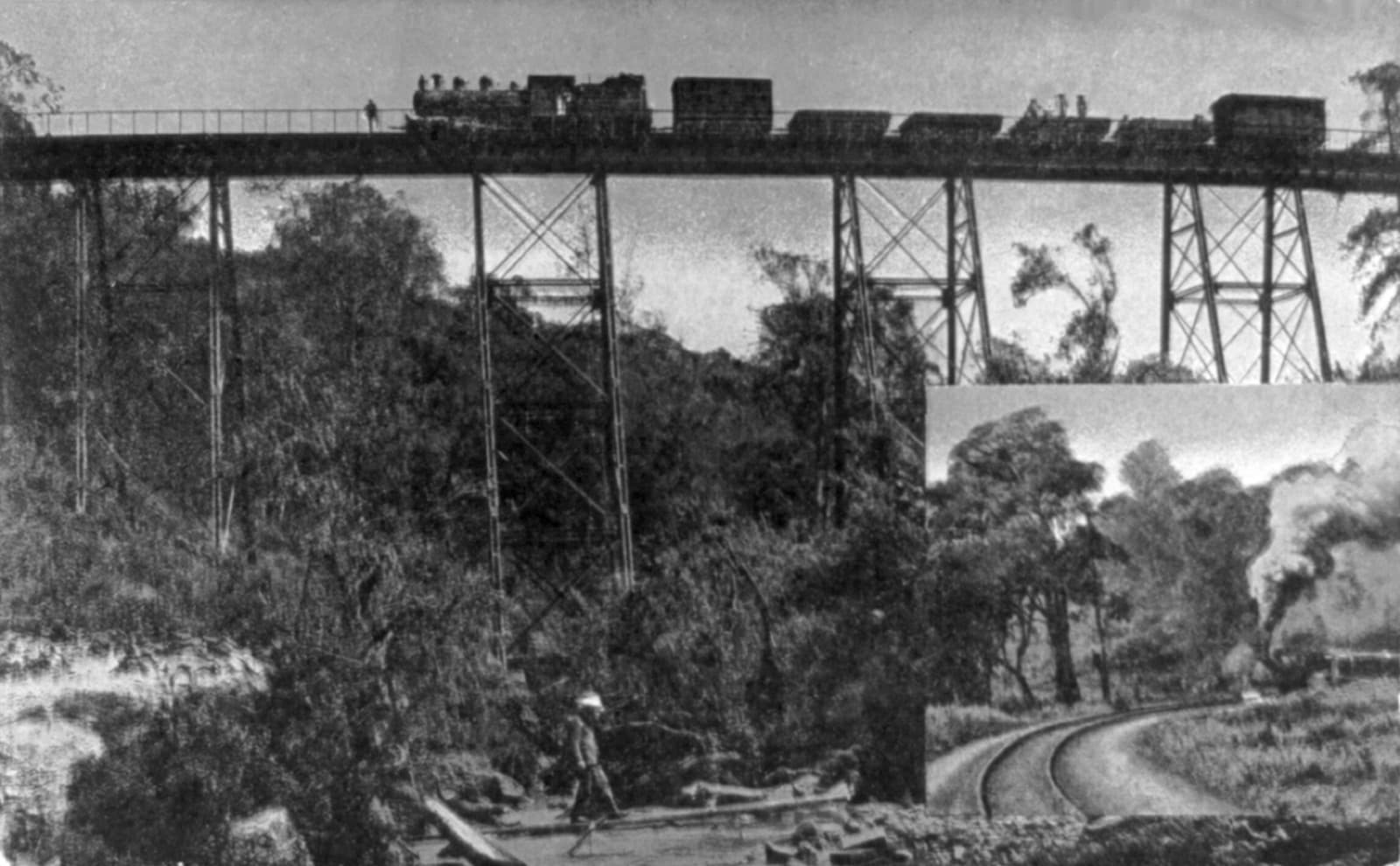
The Lunatic Line: the Indians who built East Africa's railway
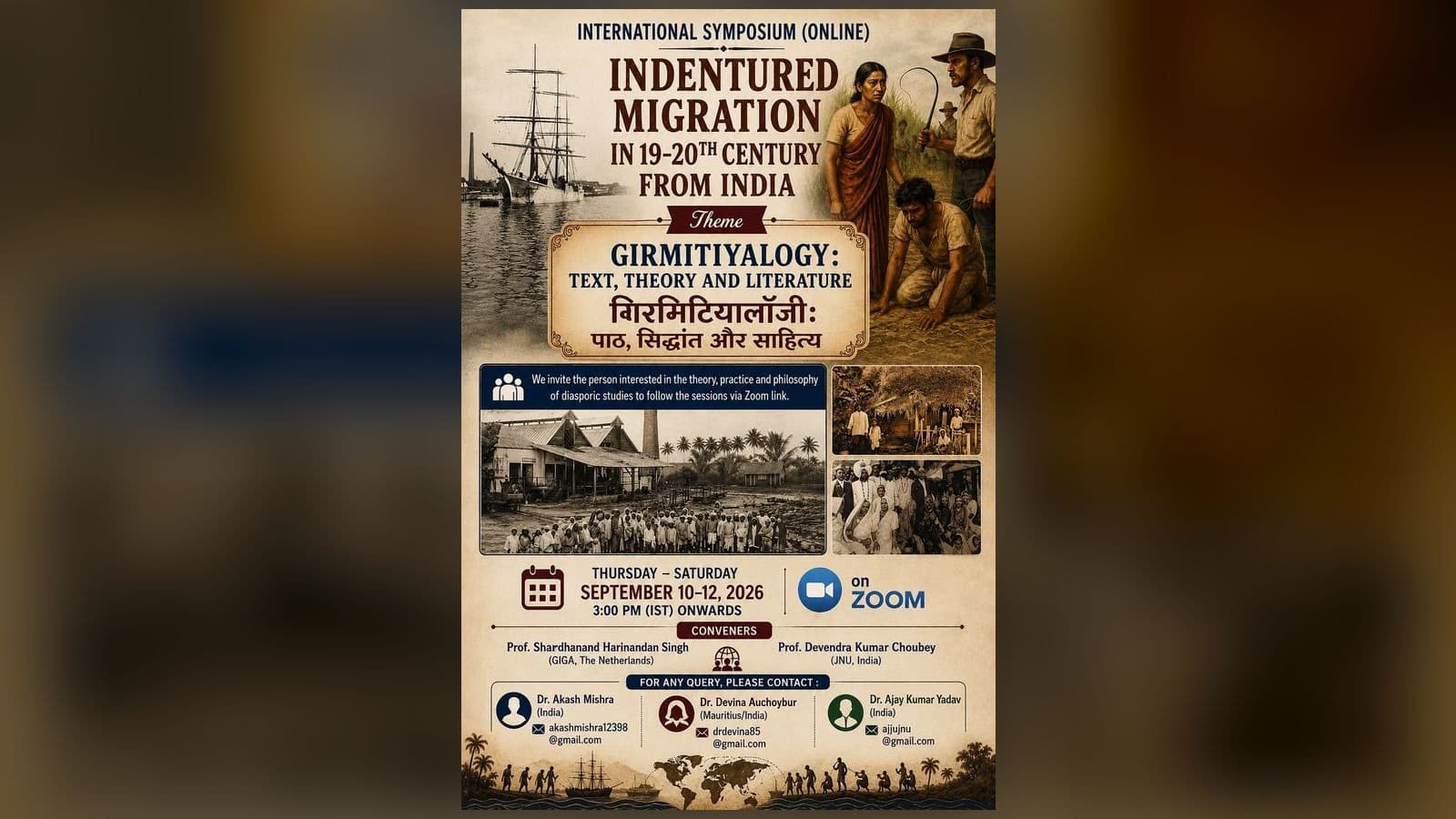
‘Girmitiyalogy’: an online symposium on India's indentured migration (10–12 September 2026)
The ship that was turned away: how Indians came to Canada