

The ship that was turned away: how Indians came to Canada
In 1914 a shipload of 376 Punjabis sat for two months in Vancouver harbour, close enough to see the city that would not let them land. The Komagata Maru, the law built to keep Indians out, and the long road from the harbour to Canada's cabinet.
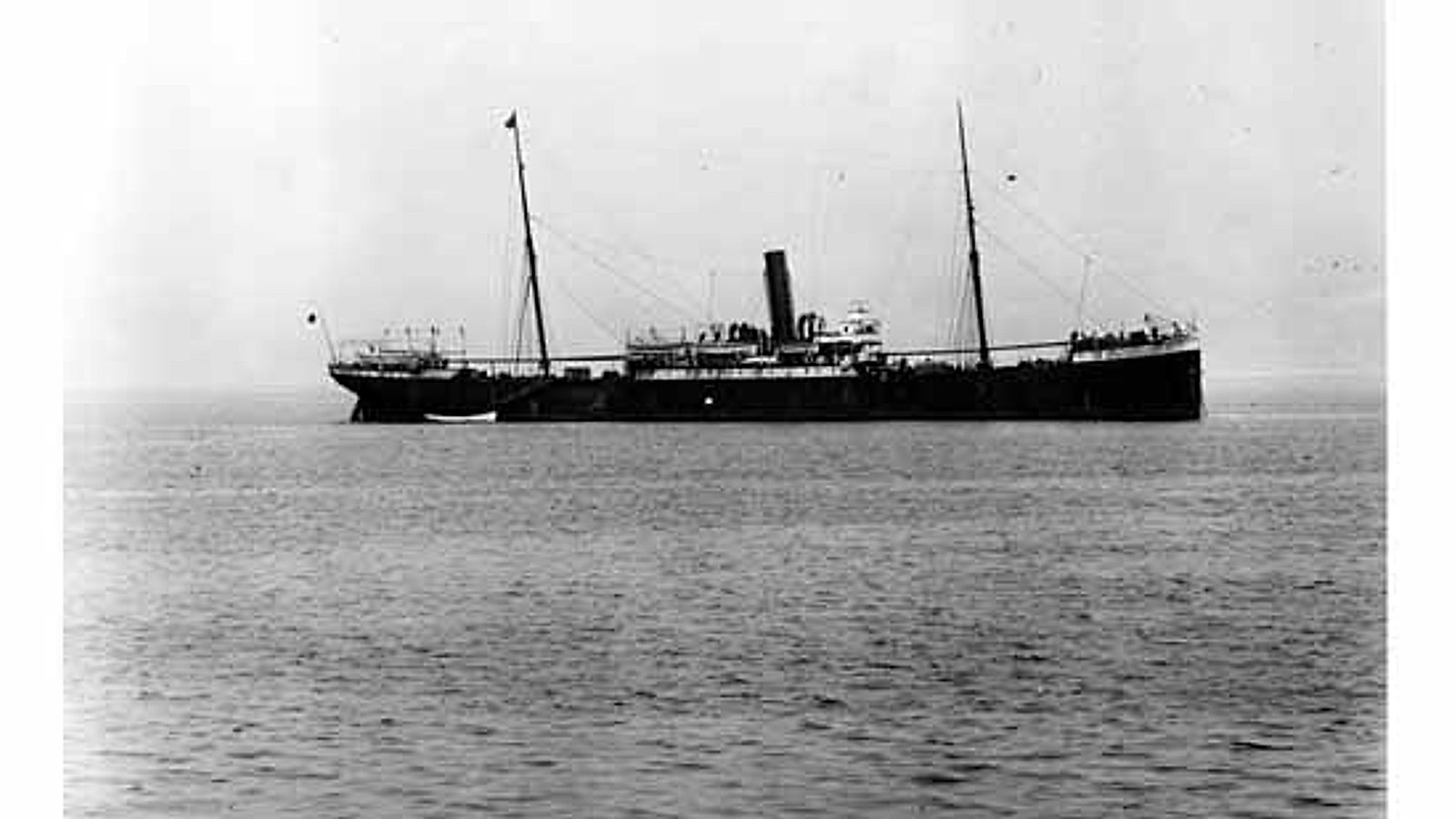
In the spring of 1914 a Japanese steamship called the Komagata Maru sat at anchor in the harbour at Vancouver, close enough to shore that the people on deck could see the city they were not allowed to enter. On board were 376 passengers — most of them Sikhs, with a smaller number of Muslims and Hindus, nearly all from Punjab. They were British subjects, sailing between two parts of the British Empire. They waited two months in the water. Then they were turned around and sent back the way they had come. It remains one of the defining episodes in the story of how Indians came to Canada — and of how hard Canada once worked to keep them out.
The lumber and the railway
The first Indians in Canada arrived in the same years, and for the same reasons, as the first Indians in the United States. From about 1903 Punjabi men — many of them Sikhs, a good number of them veterans of the British Indian Army — began landing in British Columbia, drawn by wages that dwarfed anything at home. They cut timber in the mills of the Fraser Valley, laid track for the railways, and cleared land. By 1908 there were roughly five thousand South Asians in the province, almost all of them men, almost all of them Sikh.
And, as in California and Washington, their arrival provoked a backlash. In September 1907 a mob organised by the Asiatic Exclusion League swept through the immigrant quarters of Vancouver, attacking Chinese and Japanese homes and businesses — part of the same wave of West Coast racial panic that, that very month, drove the Sikh millworkers out of Bellingham just across the border. The message on both sides of the forty-ninth parallel was the same: the newcomers were not wanted.
A law with a hidden purpose
Canada's answer was quieter than a riot, and far more effective. In 1908 the government introduced what became known as the continuous journey regulation: a rule that immigrants could be admitted only if they had travelled to Canada by "continuous journey" from their country of birth, on a through ticket bought before departure.
On its face the regulation said nothing about race. In practice it was aimed with precision at Indians. There was no direct steamship service between India and Canada; the Canadian government quietly arranged that there would not be. An Indian could not, therefore, satisfy the rule no matter how much money he had or how loyal a subject of the Crown he was. Immigration from India, which had run to a few thousand a year, was choked almost to nothing. The door had been closed without anyone quite admitting it was shut.
The charter
The Komagata Maru was an attempt to force that door open. Gurdit Singh Sandhu, a Sikh businessman based in Singapore, chartered the ship precisely to test the law — to sail a boatload of Indian British subjects directly to Canada and dare the authorities to refuse them. The ship left Hong Kong in April 1914, called at Shanghai and at Japanese ports, and reached Vancouver on 23 May 1914 with its 376 passengers.
They were not allowed to land. For two months the ship lay in the harbour under guard while lawyers argued, a shore committee of local Sikhs raised money and food, and officials refused to let the passengers disembark. Conditions on board grew desperate — food and water ran short, and the mood on shore turned uglier by the week. In the end the courts sided with the government. Only a small number of passengers — around twenty returning residents who could prove prior domicile — were permitted to stay. On 23 July 1914, escorted out of the harbour by a naval cruiser, the Komagata Maru was forced to leave.
Budge Budge
The tragedy did not end at sea. The ship reached India in late September, docking at Budge Budge near Calcutta on 29 September 1914. By then war had broken out, and the colonial authorities regarded the returning passengers as dangerous agitators. When police tried to force the men onto a train to Punjab and to arrest Gurdit Singh, a confrontation broke out. The police opened fire. Nineteen passengers were killed, and many more were arrested or driven into hiding. Men who had set out to claim their rights as subjects of the Empire came home to be shot by that Empire's police.
The long silence, and the apology
For decades the Komagata Maru was a story told mostly within the Sikh community, and barely at all in the country that had turned the ship away. That began to change only recently. In 2008 the province of British Columbia and, at a community event, the federal prime minister of the day expressed regret. Then, on 18 May 2016, Prime Minister Justin Trudeau rose in the House of Commons to deliver a full formal apology, calling the episode a stain on Canada's past and acknowledging that the passengers had been failed by "discriminatory laws." By then the descendants of the men Canada had tried to keep out were sitting in the Parliament that apologised.
From the harbour to the cabinet
The reversal has been extraordinary. The continuous journey regulation and the wider bar on Asian immigration were dismantled only after the Second World War, and it was the wholesale reform of Canadian immigration in the 1960s — the shift to a points system that judged applicants on skills rather than race — that opened the country in earnest. Indians came as doctors and engineers, as students and entrepreneurs, and later in very large numbers indeed.
Today people of Indian origin are among the largest and most visible communities in Canada, concentrated in British Columbia and the suburbs of Toronto, but present everywhere. Sikhs — the community aboard that ship in 1914 — have served in the federal cabinet, led provincial parties, and at one point sat in Canada's Parliament in greater numbers, proportionally, than in India's. The country that spent two months in 1914 refusing to let 376 Punjabis step off a boat now counts their descendants among its ministers and premiers.
That is the arc worth holding onto. The Komagata Maru was not a shipwreck or an accident. It was a policy, deliberately designed and carefully enforced, to keep a particular kind of person out of a particular country — and it very nearly defined the relationship for good. That it did not is a measure of how far both the community and the country have travelled since the summer the ship sat waiting in the harbour.
This is part of Diaspora Dreams' series on how Indian migration began, country by country. See also our account of how Indian migration to America began, and — for the older, forced migration of the indentured — our Girmitiya pages.
Related from Heritage
The Lunatic Line: the Indians who built East Africa's railway
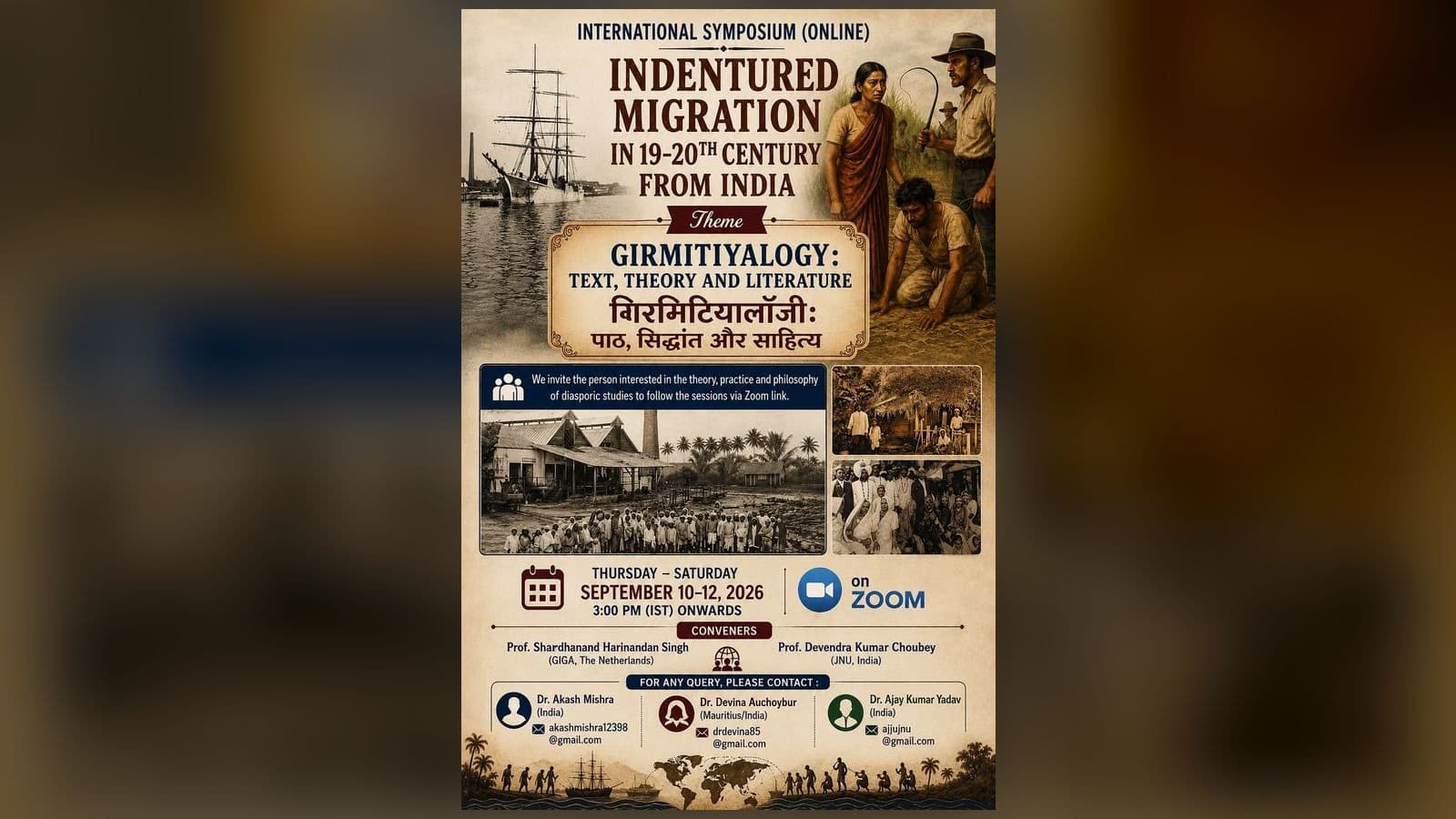
‘Girmitiyalogy’: an online symposium on India's indentured migration (10–12 September 2026)

From the mills to Downing Street: how South Asians made Britain home