


Before Silicon Valley: how Indian migration to America began
A century before the H-1B visa and Silicon Valley, the first Indians in America were Punjabi Sikh farmers — met by mob riots, a Supreme Court that ruled them not 'white,' and a door that stayed shut for decades. How the migration began, and how close it came to never happening.
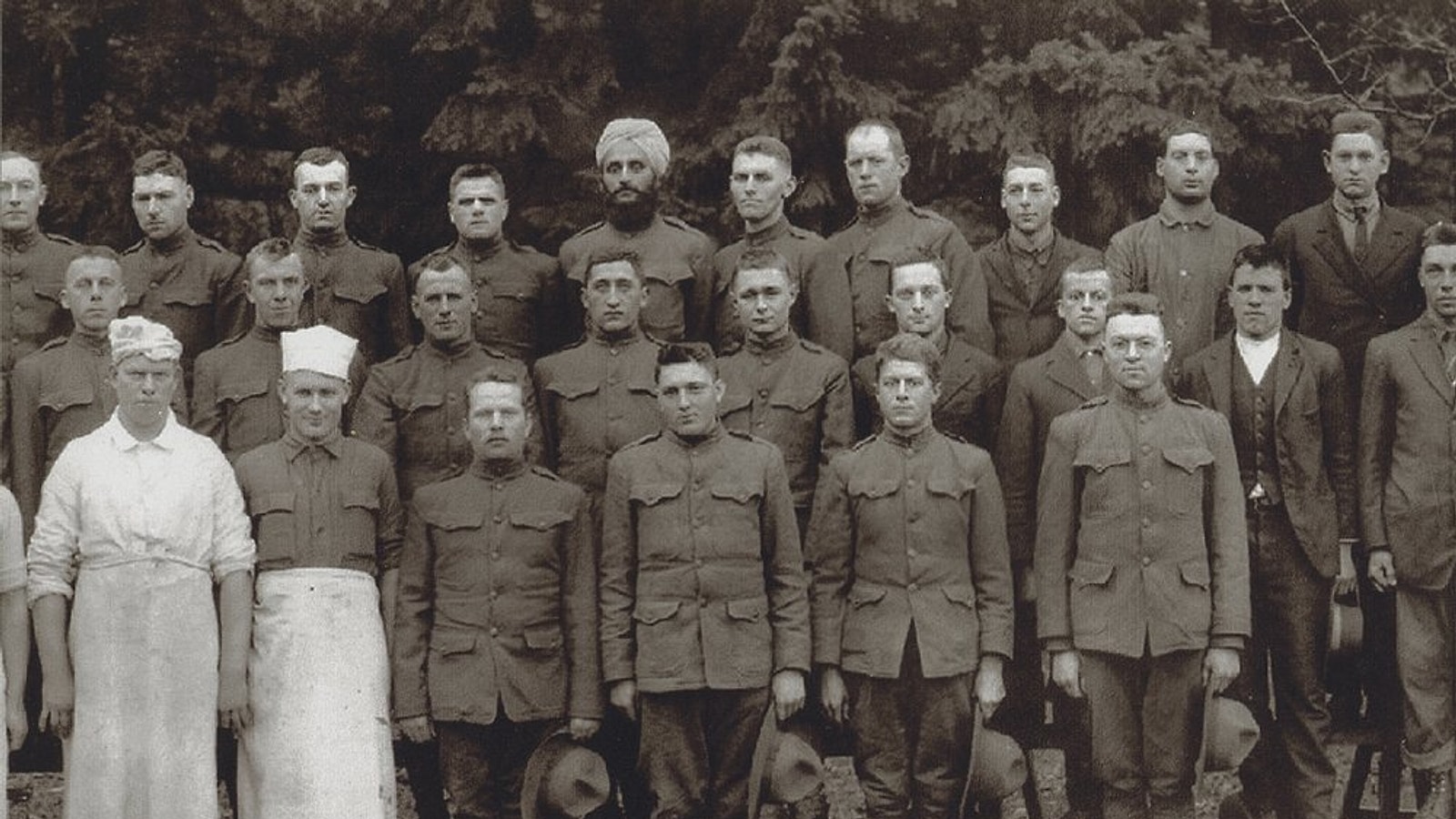
Today there are more than four million Indian Americans — the highest-earning ethnic group in the United States, running Google, Microsoft, Adobe and Starbucks, sitting in the Cabinet and the Congress. It is tempting to imagine the story began with the software boom of the 1990s. It did not. It began a hundred and twenty-five years ago, with a handful of Punjabi farmers stepping off a boat in San Francisco — and it very nearly ended in a courtroom.
The pioneers
On 6 April 1899, four Sikh men walked down the gangway at San Francisco. They were the leading edge of a small migration: between 1899 and 1914, roughly 6,800 Indians reached the American West Coast, most of them Punjabis — peasants, ex-soldiers of the British Indian Army, men from landowning families looking for work and land. By 1915 there were about 7,000 Asian Indians in America, and around 85% of them were Sikhs. Americans, unable to tell one turban from another, called them all "Hindoos."
They went where the land looked like home. The Sacramento and San Joaquin valleys of California — hot, flat and fertile — reminded the Punjabis of the fields they had left, and they proved extraordinary farmers. Within two decades men who had arrived as labourers had become landowners: by 1920 the Punjabi pioneers owned some 2,000 acres and leased more than 86,000 — orchards, rice and cotton, worked by a community that had crossed an ocean with almost nothing.
The backlash
Success drew hostility. On the night of 4 September 1907, in the mill town of Bellingham, Washington, a mob of some 500 white workingmen attacked the roughly 250 Sikh millworkers, dragging them from their bunkhouses; by the next day almost every Indian in Bellingham had fled the city by boat and train. It was one episode in a wider campaign — an "Asiatic Exclusion League," years of newspaper agitation, and finally the law: the 1917 Immigration Act drew an "Asiatic Barred Zone" across the map and shut the door on Indian immigration almost entirely.
Revolution from the farm country
The pioneers were not only farmers. From the same rural Californian Punjabi world came one of the most remarkable political movements of the diaspora: the Ghadar Party, founded in 1913 with its headquarters in San Francisco. Led by figures such as Har Dayal, Sohan Singh Bhakna and Taraknath Das, the Ghadarites dreamed of nothing less than the armed overthrow of British rule in India — a revolution planned from the orchards of California, printed in a newspaper called Ghadar ("Mutiny"), and carried back across the Pacific by men who sailed home to fight. Most of the plots failed. But the idea that Indian freedom could be organised from American soil began here.
The door slams: United States v. Bhagat Singh Thind
Then came the case that defined the era. Bhagat Singh Thind was a Punjabi Sikh who had settled in Oregon and served in the United States Army in the First World War. In 1920 he applied to become a naturalised citizen — and the government fought him all the way to the Supreme Court.
In United States v. Bhagat Singh Thind (1923), the Court delivered a ruling of startling circular logic. Naturalisation was open to "free white persons." Indians, Thind's lawyers argued, were classified by the anthropology of the day as "Caucasian." The justices agreed on the science — and ruled against him anyway, holding that "white" was a word of "common speech," not of scientific origin, and that the common man did not consider a Punjabi to be white. Thind was denied. Worse, the ruling was retroactive: the citizenship of dozens of Indians already naturalised was cancelled in the years that followed. Stripped of citizenship, and caught by California's Alien Land Laws barring non-citizens from owning farmland, the Punjabi pioneers lost the ground they had broken.
Migration all but stopped. The community — overwhelmingly male, and now forbidden both to bring wives from India and to marry white women — shrank and improvised: hundreds of Punjabi men married Mexican and Mexican-American women, and a distinctive "Punjabi-Mexican" community grew up in California's Imperial Valley, Singhs with Spanish first names raised on roti and tortillas alike.
The door reopens
It took the Second World War — and the awkwardness of being allied with an India whose people America refused to naturalise — to move things. On 2 July 1946, President Truman signed the Luce–Celler Act, which reversed Thind to the extent of restoring naturalisation rights to Indians and set a token immigration quota of 100 people a year.
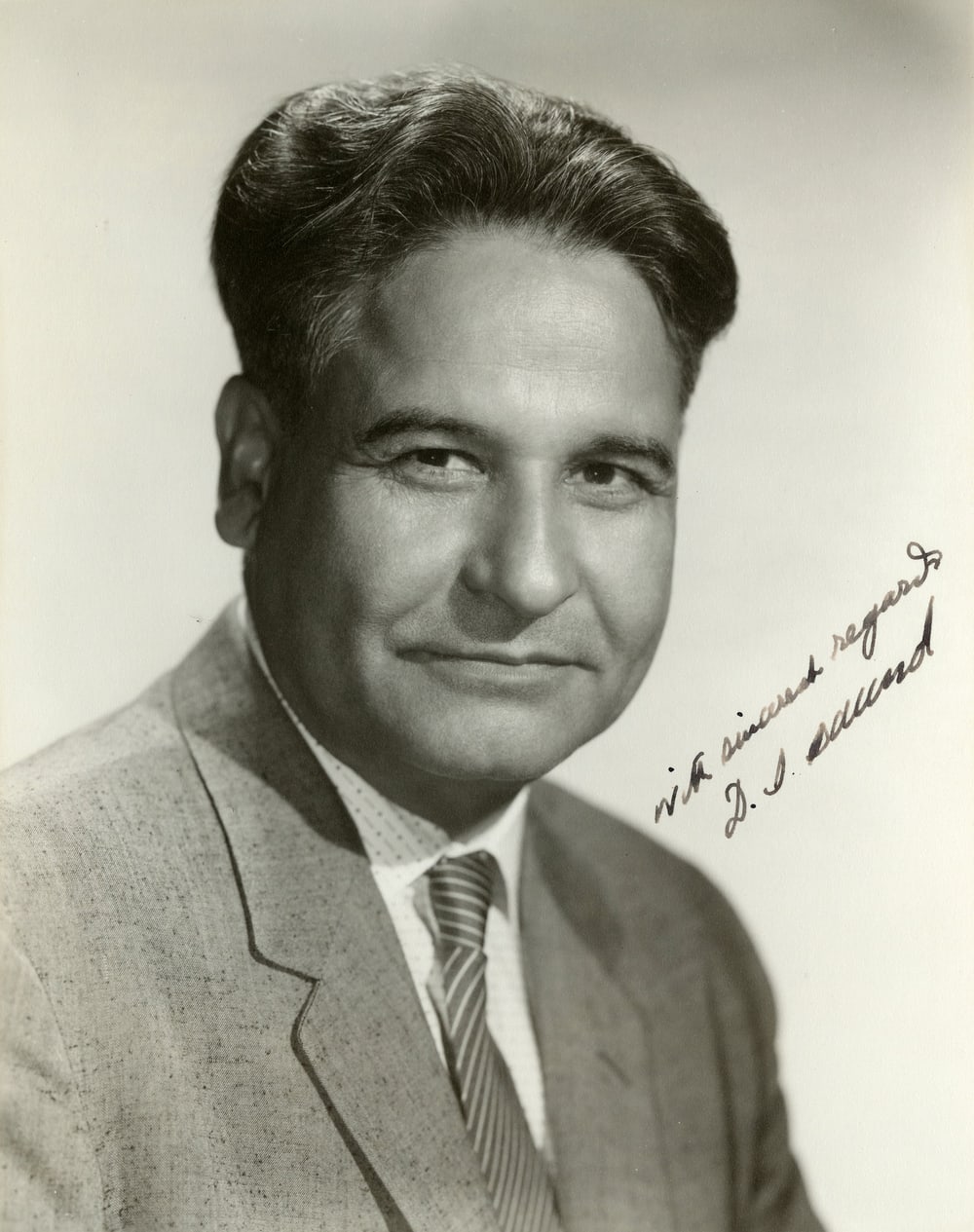
A hundred a year is almost nothing. But it was a door left ajar, and the community walked through it. Ten years later, in November 1956, Dalip Singh Saund — a Berkeley mathematics PhD who had spent decades farming in the Imperial Valley and had campaigned hard for the Luce–Celler Act — was elected to the House of Representatives from California: the first Asian American ever to sit in the United States Congress.
The flood
The hinge of the whole story is 1965. That year President Lyndon Johnson signed the Hart–Celler Immigration Act, abolishing the national-origins quota system that had governed American immigration since the 1920s. For India the effect was transformative. Some 27,859 Indians immigrated in 1965–70 alone, and between 1965 and 1993 the figure passed half a million — and the character of the migration changed completely. The new arrivals were not Punjabi farmers but doctors, engineers, scientists and graduate students, and later the software engineers of the technology boom. The modern Indian-American story — the CEOs and surgeons and senators — flows almost entirely through the door that opened in 1965.
The same story, a century apart
It is worth remembering all this on the way up. The community that America tried to write out of citizenship in 1923 now runs some of its largest companies and sits in its Cabinet. The Silicon Valley founder and the Punjabi farmer who stepped off the boat in 1899 are two ends of a single, unbroken story — one that came within a Supreme Court ruling of never happening at all.
India's other great crossing — the indentured labourers carried across the British Empire — is the subject of our Girmitiya pages; and on how the world has long imagined India, see our Independence Day essay.
The dangerous crossing did not end with history: read about the "dunki" or donkey route and illegal migration today.
Related from Heritage
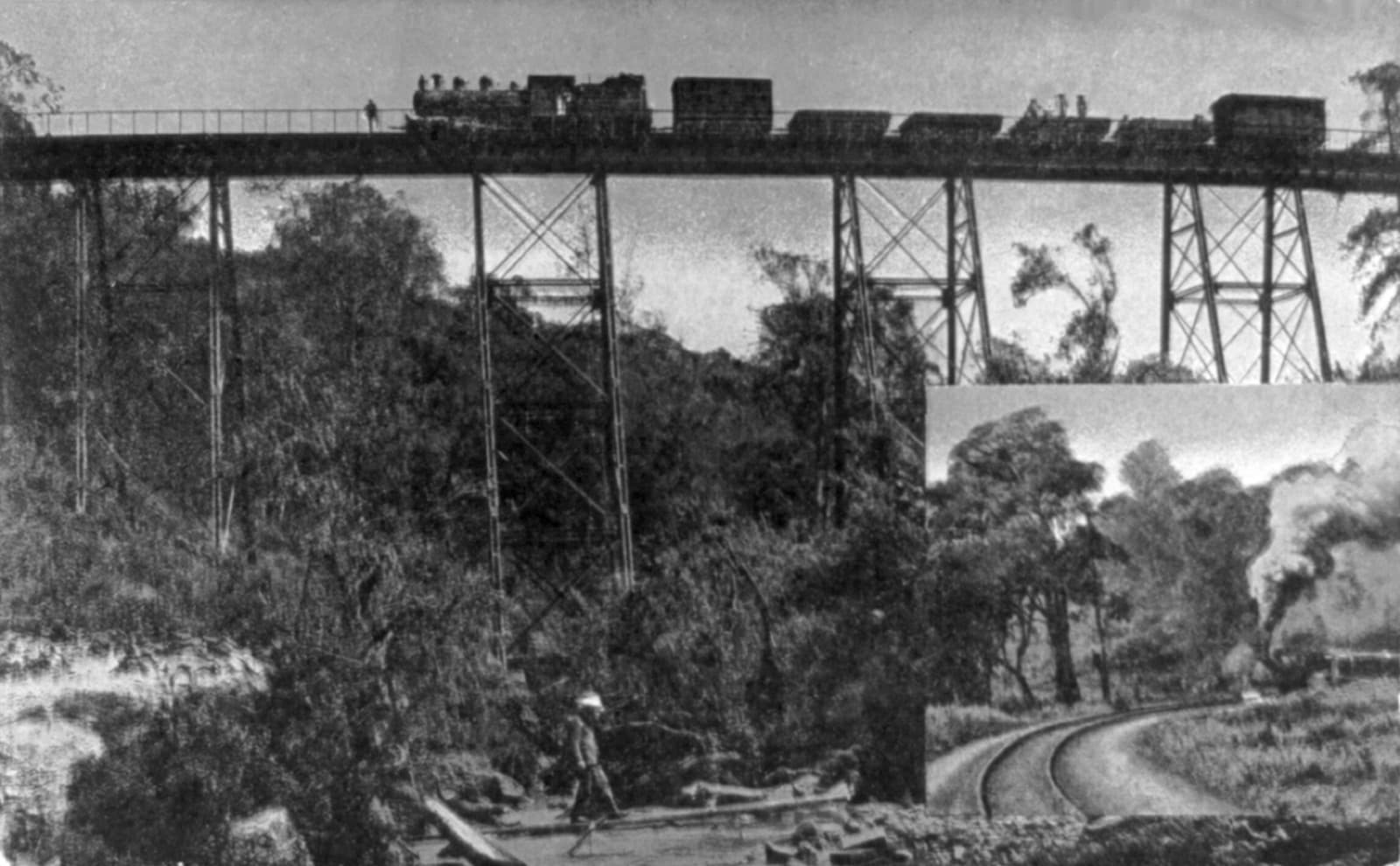
The Lunatic Line: the Indians who built East Africa's railway
‘Girmitiyalogy’: an online symposium on India's indentured migration (10–12 September 2026)
The ship that was turned away: how Indians came to Canada