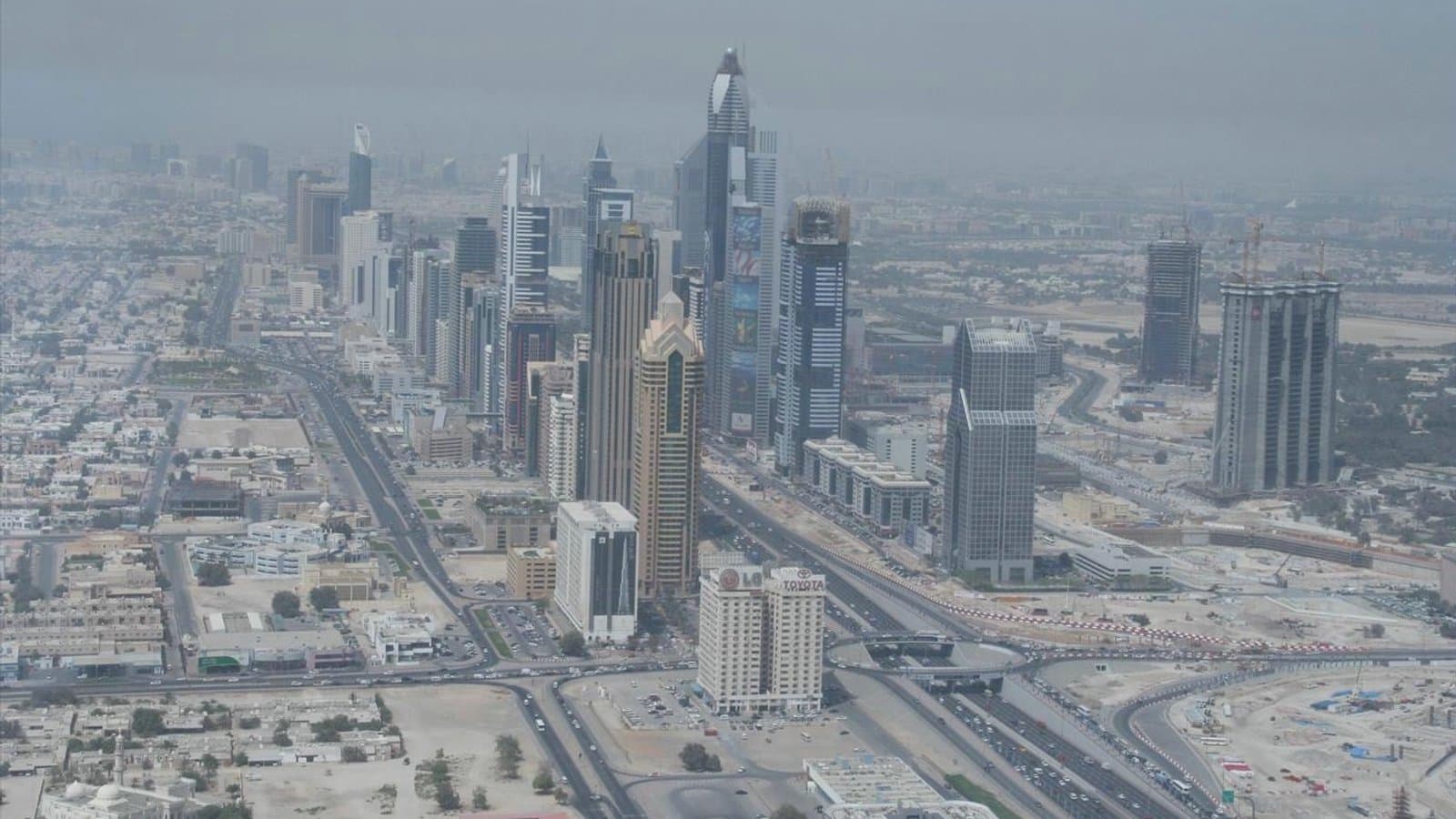


From the mills to Downing Street: how South Asians made Britain home
From lascars in the London docks to a British Asian prime minister, in the span of a single lifetime. The 1948 law that opened the door, the mill towns and night shifts, and the ninety days that emptied Uganda's shops into Leicester.
In October 2022 Rishi Sunak walked into 10 Downing Street as the first British Asian prime minister, a Hindu of Punjabi descent taking the office once held by the men who had ruled India. It was a moment loaded with history — and the history it was loaded with was not mainly about empire in India. It was about a much more recent migration: the arrival, over the second half of the twentieth century, of the South Asians who made Britain their home. They came to run the buses and the foundries, to staff the health service, and — in one dramatic episode — as refugees with ninety days to pack a life into a suitcase.
Before the ships
There were Indians in Britain long before there was an Indian community. Lascars — sailors recruited from Bengal, Gujarat, Punjab and the Yemeni-Indian ports to crew British merchant ships — had been coming to London and the northern docks since the eighteenth century, and some settled, married locally, and left small, half-remembered communities behind in the East End and in port towns. There were students, lawyers and princes; there was a Parsi elected to Parliament as early as 1892. But these were individuals and pockets, not a migration. The migration came after 1945.
The 1948 Act, and the open door
The single most important thing to understand about post-war South Asian migration to Britain is that, at first, it required no permission at all. Under the British Nationality Act 1948, passed as the Empire was turning into the Commonwealth, the several hundred million people of Britain's colonies and former colonies were confirmed as "citizens of the United Kingdom and Colonies" — with the right to enter, live and work in Britain freely. An Indian or Pakistani citizen could, in law, simply buy a ticket and come.
And Britain needed them to. The post-war economy was desperately short of labour. London Transport recruited abroad; the National Health Service, founded that same year of 1948, would come to lean heavily on doctors and nurses trained on the subcontinent; and the mills and factories of the industrial north and Midlands needed hands. Through the 1950s and 1960s Punjabis, Gujaratis, Bengalis and Pakistanis came to the textile towns of Lancashire and Yorkshire — Bradford, Oldham, Blackburn — and to the foundries and car plants of the Midlands around Birmingham and Coventry, and to Southall in west London, near the factories and Heathrow. They took the shifts, often the night shifts, that others no longer wanted.
The door narrows
As the numbers grew, so did the political pressure to shut the door that 1948 had left open. The Commonwealth Immigrants Act 1962 ended free entry, introducing a voucher system that tied admission to employment. Further Acts in 1968 and 1971 tightened the rules again, increasingly in ways that distinguished — in effect if not always in stated word — between white Commonwealth citizens and the rest. The frank welcome of the labour-hungry 1950s had curdled, against a backdrop of "colour bar" discrimination in housing and work and the ugly politics of the late 1960s. Britain wanted the workers it had already got; it was rapidly deciding it did not want many more.
Ninety days: the Ugandan Asians
Into that hardening mood came the sharpest crisis of the whole story. On 4 August 1972, the Ugandan dictator Idi Amin ordered the expulsion of the country's entire Asian population and gave them ninety days to leave. These were the descendants of Gujaratis and Punjabis who had gone to East Africa in imperial times — many to build the Uganda Railway, others as traders and shopkeepers who had come to dominate the country's commerce. Amin gave them almost nothing: they left their homes, shops and savings behind and flew out with a suitcase each.
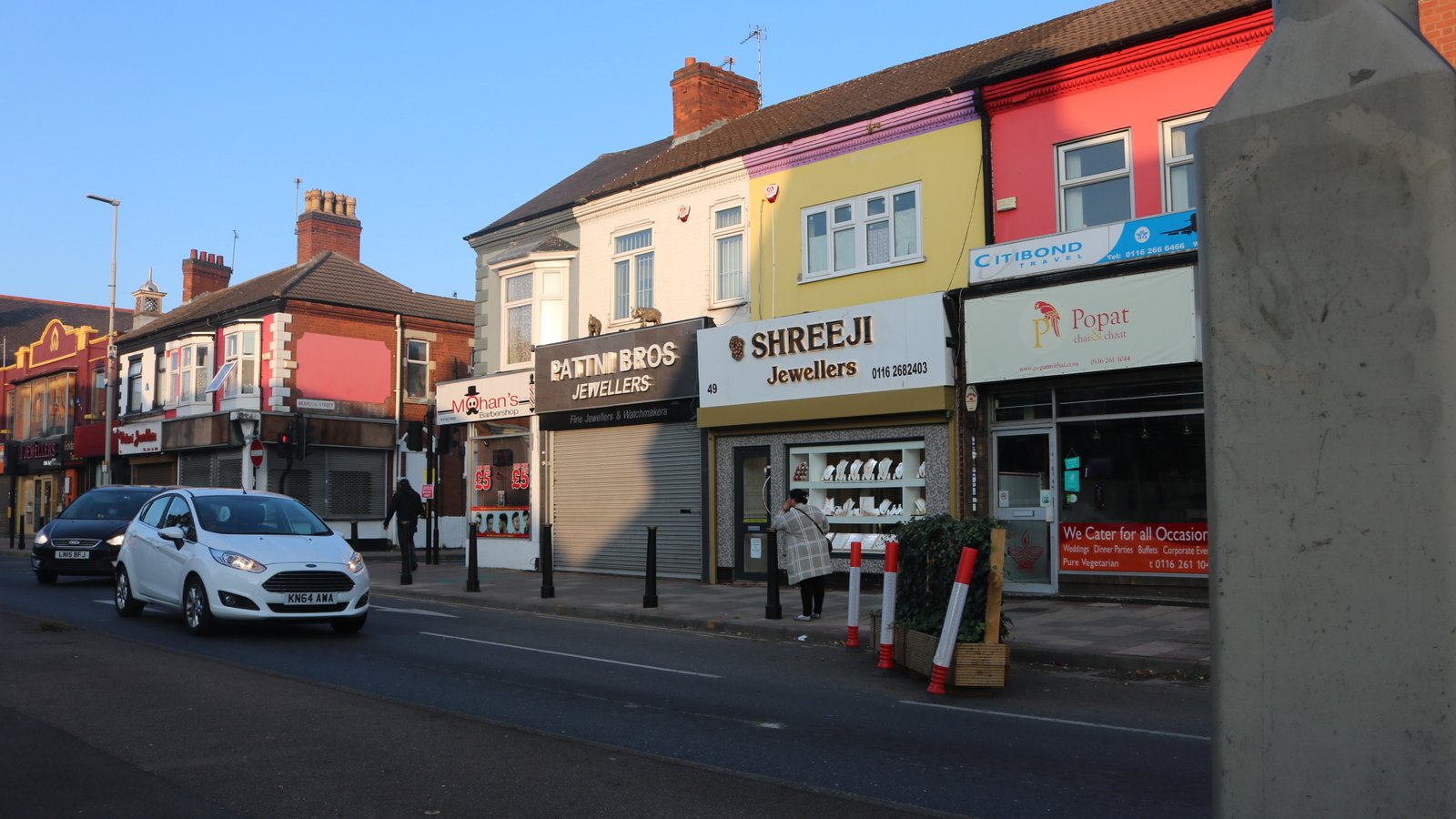
Many held British passports, and Britain — after an ugly public argument, and having spent the previous decade legislating precisely to avoid this — accepted them. Around 28,000 Ugandan Asians arrived in the weeks that followed, processed through resettlement camps and dispersed across the country. The city of Leicester, whose council had notoriously taken out newspaper advertisements in Uganda discouraging them from coming, became the place more of them settled than anywhere else. Belgrave Road — the "Golden Mile" of sari shops and jewellers and sweet-shops — grew out of that arrival.
It turned out to be one of the most successful resettlements in modern British history. The Ugandan Asians arrived with little but rebuilt quickly, and the businesses, professions and civic life they created transformed the cities that took them in. The expulsion was an act of cruelty; its long-term result, in Britain, was a community that flourished.
The making of British Asia
By the last decades of the century the migration had done its work. The single men of the 1950s had brought wives and children; a second and third generation grew up British. Corner shops became supermarket chains; the children of mill-workers became doctors, lawyers, MPs. British Indians are now the largest ethnic-minority group in the country, and among its most prosperous, and the presence of South Asians in Parliament, in business and in public life has become unremarkable in a way that would have astonished the Britain of 1962.
The line from the lascar in the London docks to the prime minister on the steps of Downing Street is not straight, and it is not simple. It runs through an open door that was deliberately closed, through night shifts in Bradford mills, and through the ninety days that emptied Uganda's shops into Leicester's. But it is a single line all the same — the story of how, in the span of a single lifetime, South Asians went from being subjects of Britain to being, unmistakably, part of it.
This is part of Diaspora Dreams' series on how Indian migration began, country by country. See also how Indian migration to America began and Canada and the Komagata Maru; and, for the older migration of the indentured, our Girmitiya pages.
Related from Heritage
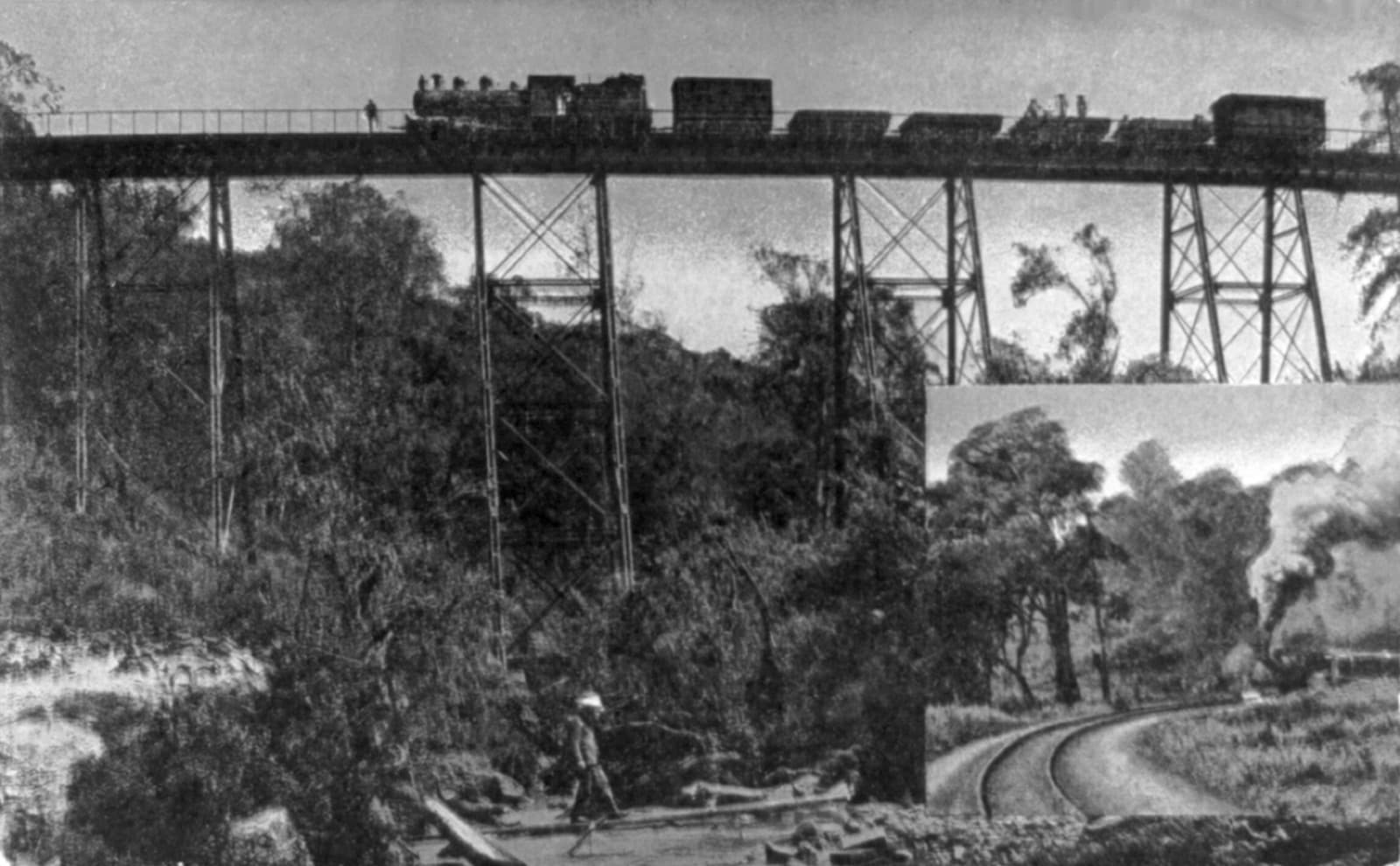
The Lunatic Line: the Indians who built East Africa's railway
‘Girmitiyalogy’: an online symposium on India's indentured migration (10–12 September 2026)
The ship that was turned away: how Indians came to Canada